Crested Gecko
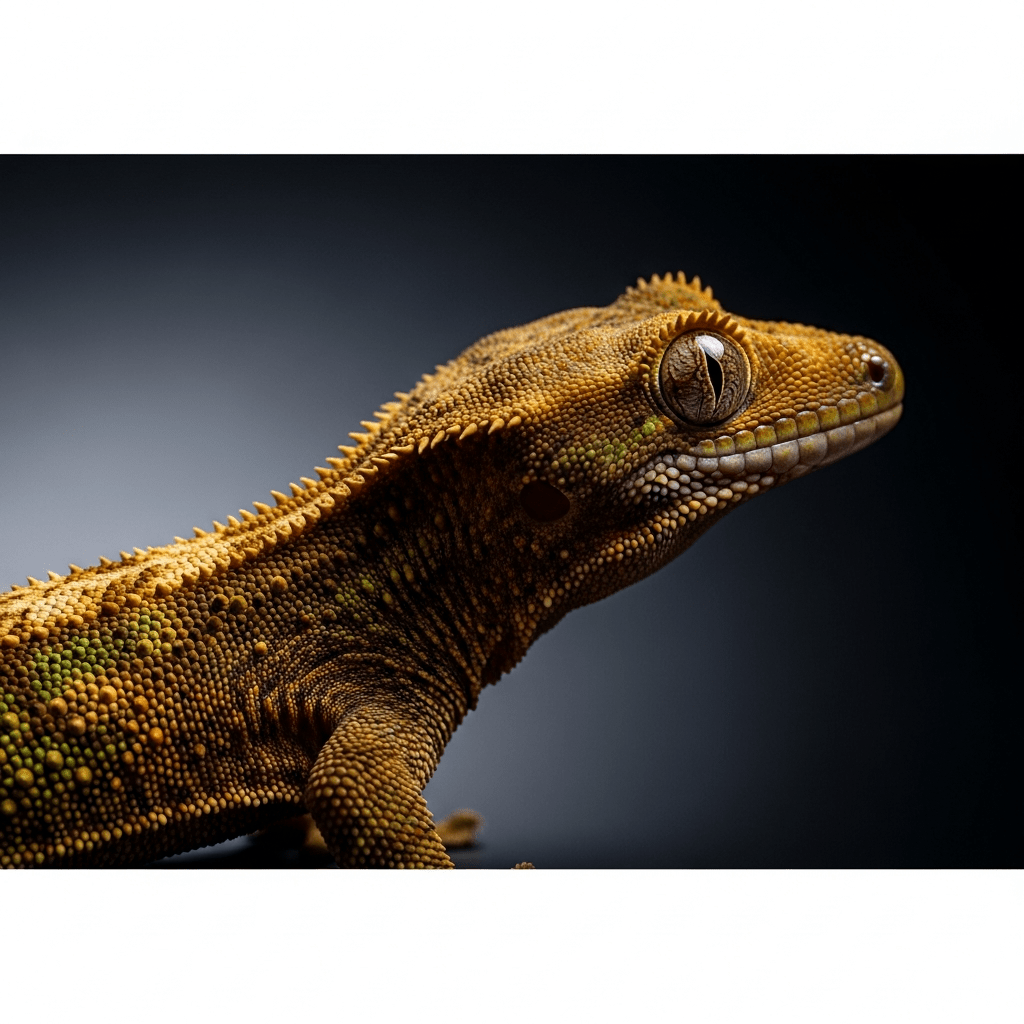
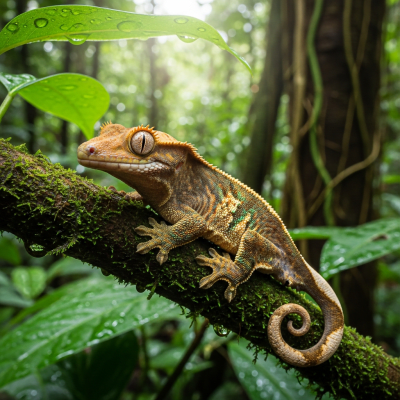
The Crested Gecko (Correlophus ciliatus) is a medium-sized, arboreal lizard native to southern New Caledonia, distinguished by its unique eyelash-like crests and prehensile tail.
The Crested Gecko (Correlophus ciliatus) is a medium-sized, arboreal lizard native to southern New Caledonia, distinguished by its unique eyelash-like crests and prehensile tail.
First described by Guichenot in 1866, the Crested Gecko was once thought extinct until its remarkable rediscovery in 1994 on the islands of Grande Terre and Isle of Pines in New Caledonia. Since then, wild populations have been studied and captive breeding programs have flourished, originating mainly from wild-caught founders collected after this rediscovery.
The Crested Gecko belongs to the family Diplodactylidae within the genus Correlophus. It was formerly classified under the genus Rhacodactylus and is sometimes known by the synonym Rhacodactylus ciliatus. This species is part of the broader lizard suborder Lacertilia, which encompasses a diverse group of reptiles known for their external ear openings and movable eyelids.
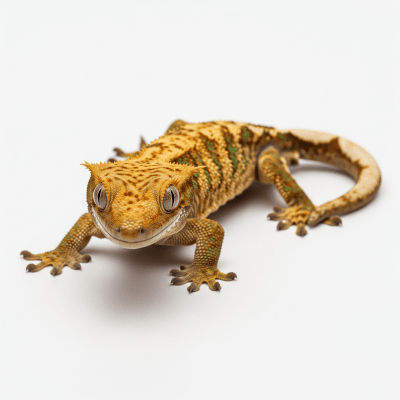
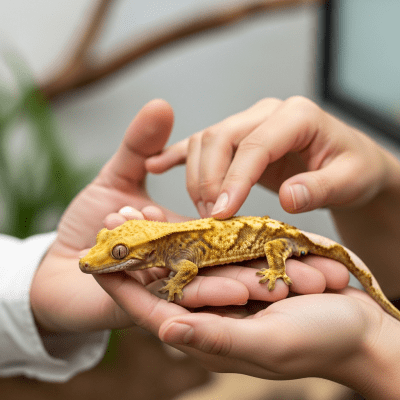
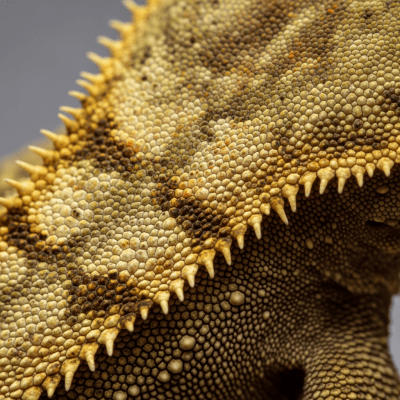
Crested Geckos typically measure between 15 and 25 centimeters in total length and weigh 35 to 55 grams. Their soft, granular skin is adorned with prominent lateral crests that run from the eyes down to the base of the tail, resembling eyelashes. Their coloration is highly variable, ranging through shades of brown, orange, yellow, and red, with popular pattern morphs such as harlequin, flame, and dalmatian. They possess a prehensile tail capable of autotomy, although it does not regenerate once lost.
Primarily nocturnal and arboreal, Crested Geckos are adept climbers that thrive in forested environments. Their diet consists mainly of insects and fruit, reflecting their insectivorous and frugivorous feeding habits. They are known for their gentle temperament, making them approachable and popular among reptile enthusiasts and researchers alike.
Bring this kind into your world � illustrated posters, mugs, and shirts.

Archival print, museum-grade paper
Buy Poster
Stoneware mug, dishwasher safe
Buy Mug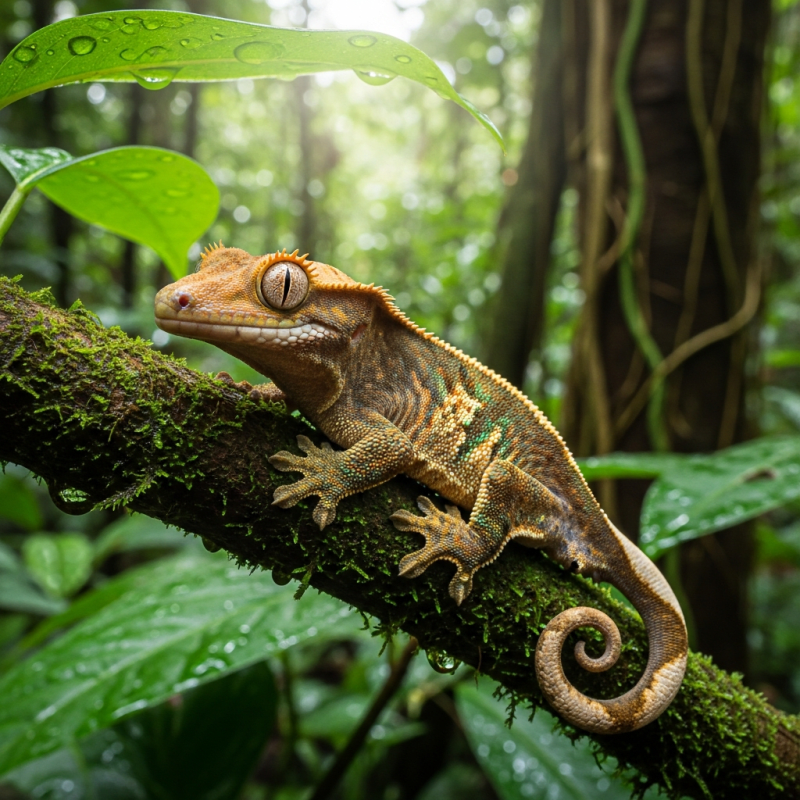
Soft cotton tee, unisex sizes
Buy ShirtWhile not featured prominently in traditional myth or folklore, the Crested Gecko has gained cultural significance in modern times through its popularity in the pet trade and educational exhibits. Its distinctive appearance and manageable size have made it a favored species in zoological displays and among hobbyists worldwide.
The Crested Gecko is native to the forested regions of southern New Caledonia, specifically the islands of Grande Terre and Isle of Pines. It inhabits arboreal niches within these humid, subtropical environments, favoring trees and shrubs where it can climb and forage safely.

Crested Geckos have a varied diet that includes insects and fruit. In the wild, they forage for small invertebrates and consume ripe fruit, while captive individuals are often fed specialized commercial diets supplemented with live insects to meet their nutritional needs.
This species is oviparous, laying eggs that hatch into fully formed young. Crested Geckos reach maturity within 12 to 18 months, after which they can reproduce. Their moderate growth rate and relatively long lifespan contribute to their stable captive populations.
Although once feared extinct, the Crested Gecko currently maintains stable wild populations in its native range. It faces threats typical to island species, such as habitat loss and invasive predators, but ongoing captive breeding and habitat protections support its conservation.
Crested Geckos are highly popular pets due to their manageable size, gentle disposition, and relatively simple care requirements. They thrive in enclosures that mimic their natural arboreal habitat, with appropriate humidity, temperature, and hiding spaces. Commercial breeding began in the late 1990s, producing a variety of color morphs. Common health concerns include metabolic bone disease, often preventable through proper dietary calcium supplementation. Lifespan in captivity typically ranges from 15 to 20 years with attentive care.