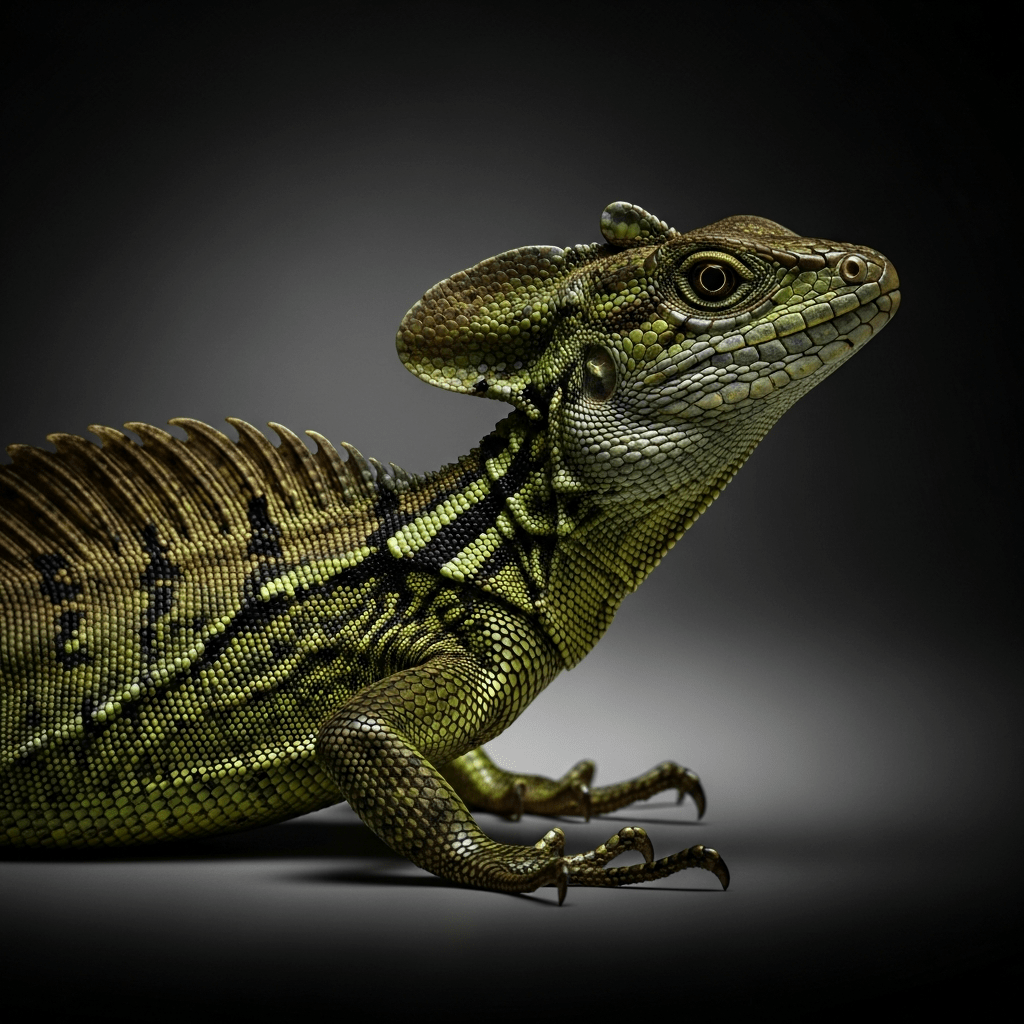
Common Basilisk
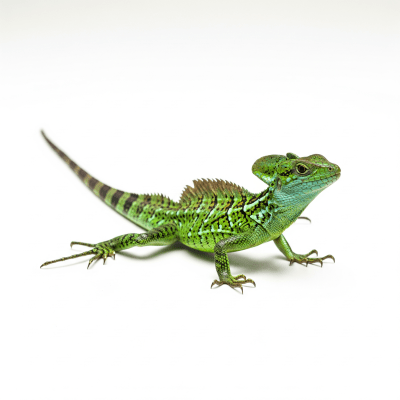
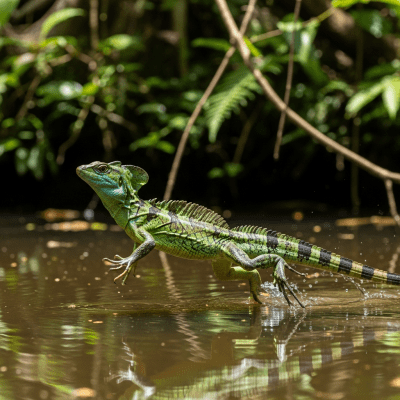
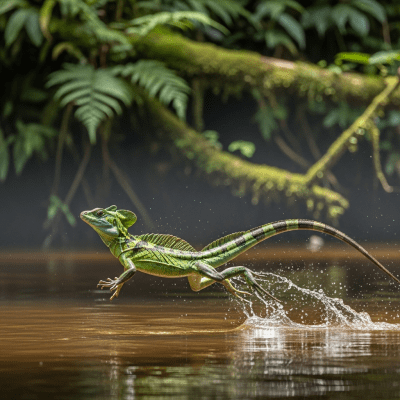
The Common Basilisk (Basiliscus basiliscus) is a striking Central American lizard famed for its unique ability to sprint across water surfaces, earning it the nickname "Jesus lizard."
The Common Basilisk (Basiliscus basiliscus) is a striking Central American lizard famed for its unique ability to sprint across water surfaces, earning it the nickname "Jesus lizard."
First described by Carl Linnaeus in 1758, the Common Basilisk is native to a range extending from southern Mexico through Central America to northern Colombia. It has been documented from wild populations without association to captive breeding institutions.
The Common Basilisk belongs to the genus Basiliscus within the family Corytophanidae. It is part of the suborder Lacertilia, encompassing true lizards, and is scientifically recognized by the binomial name Basiliscus basiliscus. Synonyms include Lacerta basiliscus, reflecting its taxonomic history.
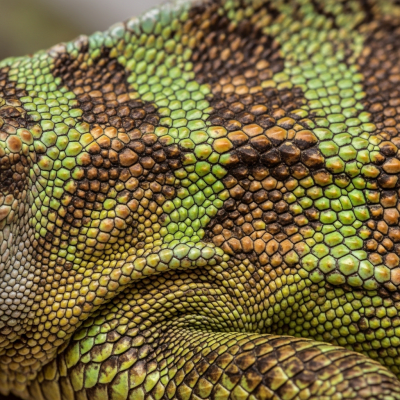
This lizard exhibits a slender, agile body measuring between 70 and 90 centimeters in total length, including a long tail. Males are distinguished by pronounced crests on the head, back, and tail, while females have less developed crests. Its coloration ranges from olive-green to brown, accented by lighter stripes along the body. A key feature is the prominent dorsal crest and specialized fringes on its toes that enable its remarkable water-running ability.
The Common Basilisk is diurnal and occupies both arboreal and terrestrial niches within tropical forests. It is well known for its ability to run bipedally across water surfaces for short distances, a behavior facilitated by fringed toes that increase surface area. Its diet is primarily insectivorous but also includes plant matter, reflecting an opportunistic feeding strategy.
Bring this kind into your world � illustrated posters, mugs, and shirts.
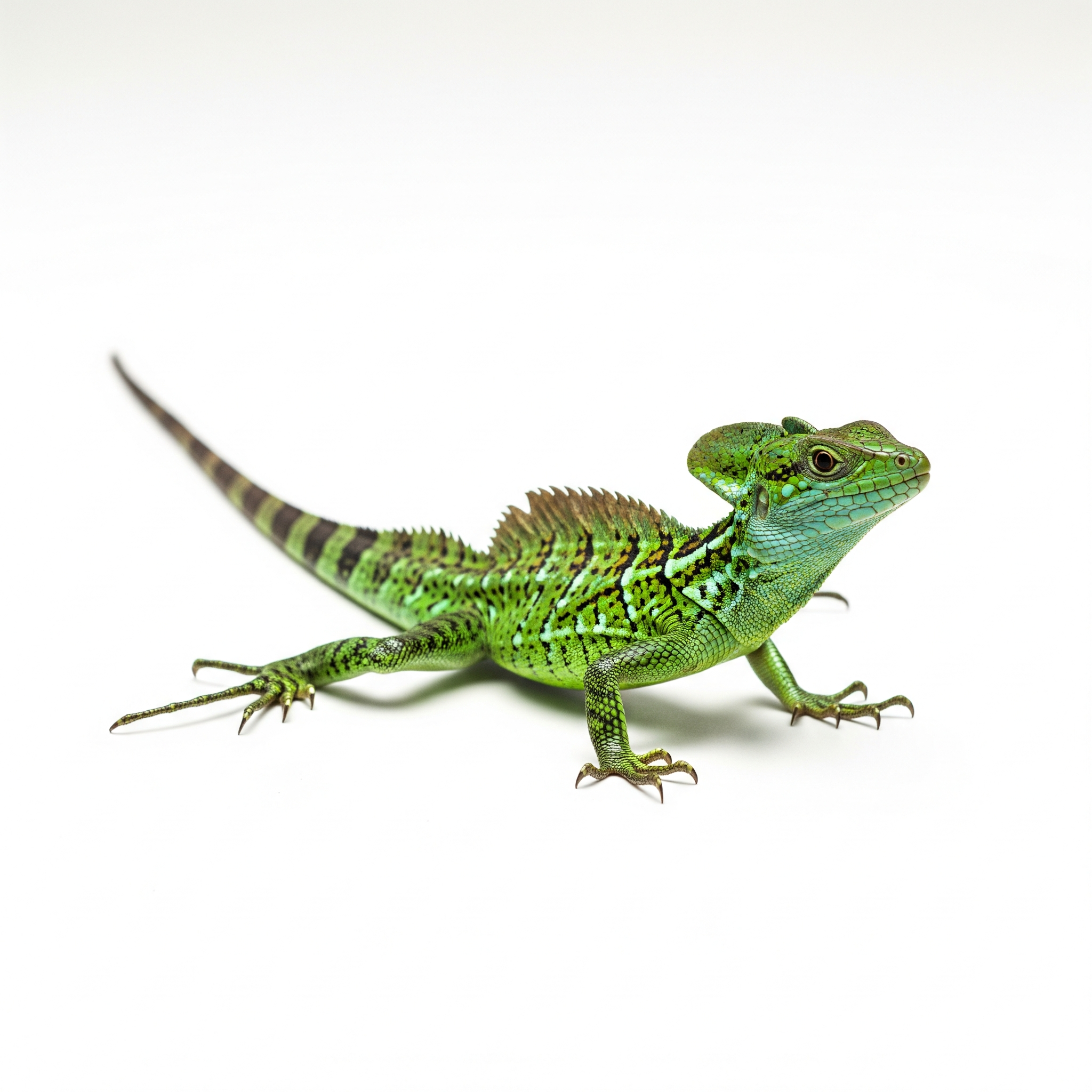
Archival print, museum-grade paper
Buy Poster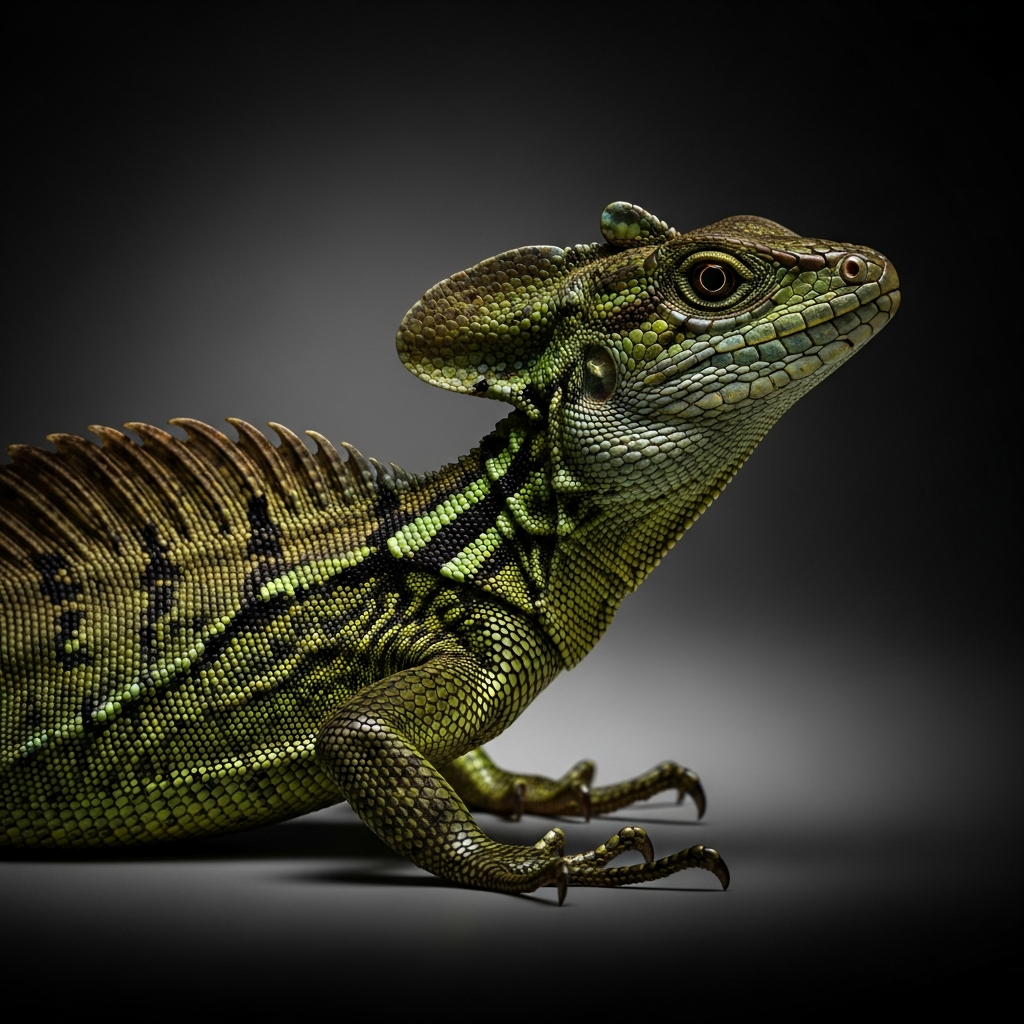
Stoneware mug, dishwasher safe
Buy Mug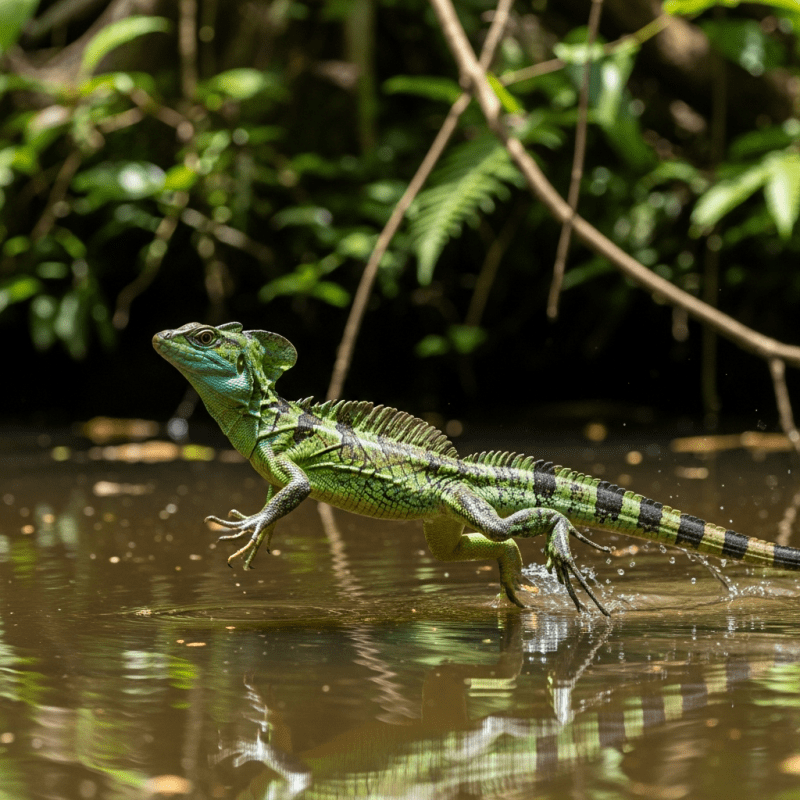
Soft cotton tee, unisex sizes
Buy ShirtCelebrated in popular culture as the "Jesus lizard," the Common Basilisk captivates ecotourists and nature enthusiasts with its water-running feat. While it holds no significant culinary or commercial value, it occasionally appears in educational and zoological displays, highlighting its ecological uniqueness and inspiring fascination with reptilian adaptations.
The Common Basilisk thrives in arboreal and terrestrial habitats within tropical forests across southern Mexico, Central America, and northern Colombia. It favors environments that provide ample vegetation and access to water bodies, which are essential for its distinctive water-running behavior.

This species primarily feeds on insects, making it largely insectivorous, but it also supplements its diet with plant matter. Its opportunistic feeding habits allow it to exploit a variety of food sources available in its tropical forest habitat.
While specific reproductive details are not extensively documented, the Common Basilisk reproduces through egg-laying (oviparous). Like many lizards, it likely lays clutches of eggs in sheltered locations, with juveniles emerging fully independent. Its lifecycle includes growth to sexual maturity within its natural habitat.
The Common Basilisk currently faces no major conservation threats and is not listed as endangered. Its populations remain stable across its native range, supported by the relative abundance of suitable tropical forest habitats. Conservation efforts focus on habitat preservation to maintain healthy ecosystems.
Occasionally kept in captivity for educational or zoological display, the Common Basilisk requires environments that mimic its natural tropical forest habitat. This includes access to climbing structures, water for swimming or running, and a diet rich in insects supplemented by plant matter. Proper lighting and temperature control are essential to support its diurnal activity and overall health.