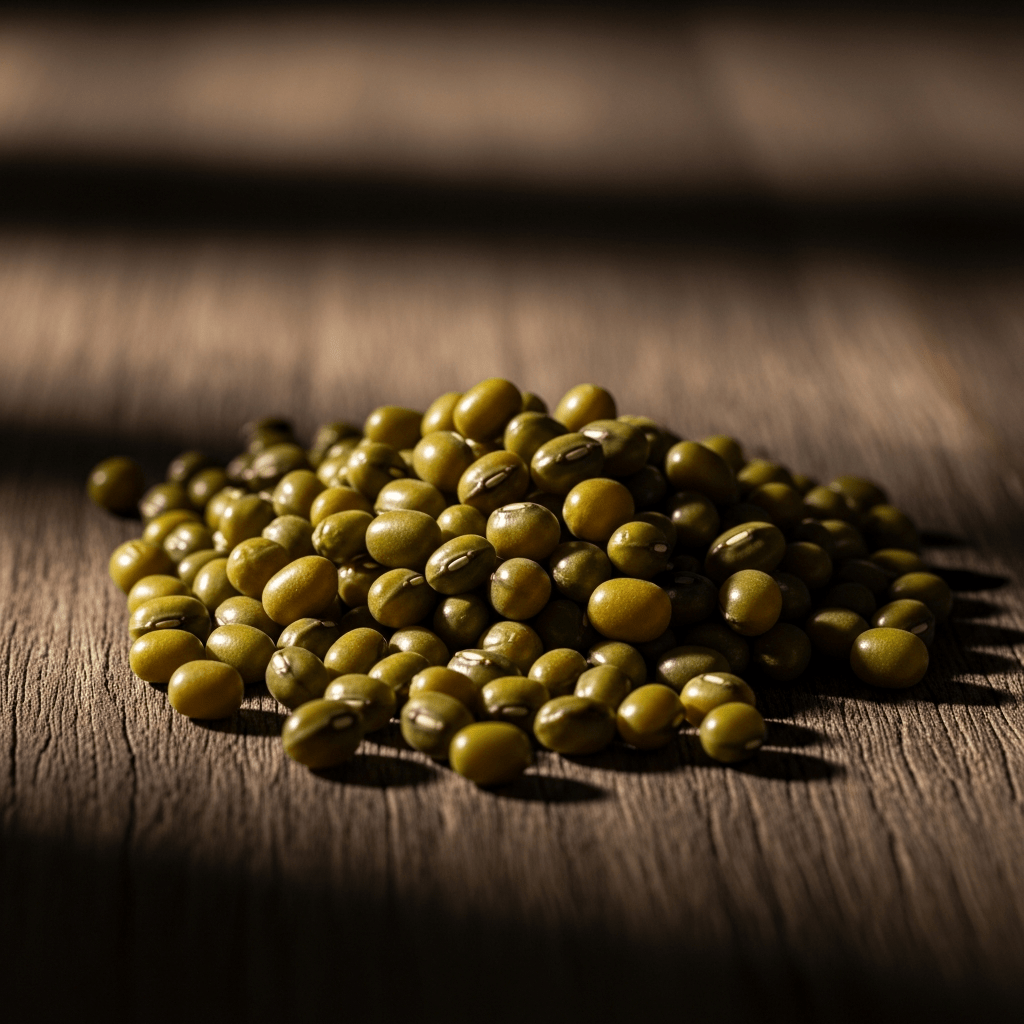
Green gram
Green gram (Vigna radiata) is a fast-growing, nutrient-rich legume prized for its small green seeds, nitrogen-fixing abilities, and versatile culinary uses across Asia and beyond.
Green gram (Vigna radiata) is a fast-growing, nutrient-rich legume prized for its small green seeds, nitrogen-fixing abilities, and versatile culinary uses across Asia and beyond.
Green gram originated in the Indian subcontinent, with archaeological evidence pointing to its domestication as early as 1500 BCE. Its wild ancestor, Vigna radiata var. sublobata, was gradually selected by ancient farmers for desirable traits. Over centuries, green gram spread throughout Southeast and East Asia, as well as Africa, becoming a staple crop in diverse climates and cultures. Modern breeding efforts have built on this rich history, but the crop's roots remain deeply entwined with traditional agriculture and early civilization.
Green gram belongs to the botanical family Fabaceae (Leguminosae), subfamily Faboideae, genus Vigna, and species Vigna radiata. It is classified as a pulse—a dried edible seed of a legume—and shares its lineage with other important crops like cowpea and adzuki bean. Its scientific name is universally accepted, though older literature may reference it as Phaseolus aureus or Phaseolus radiatus.
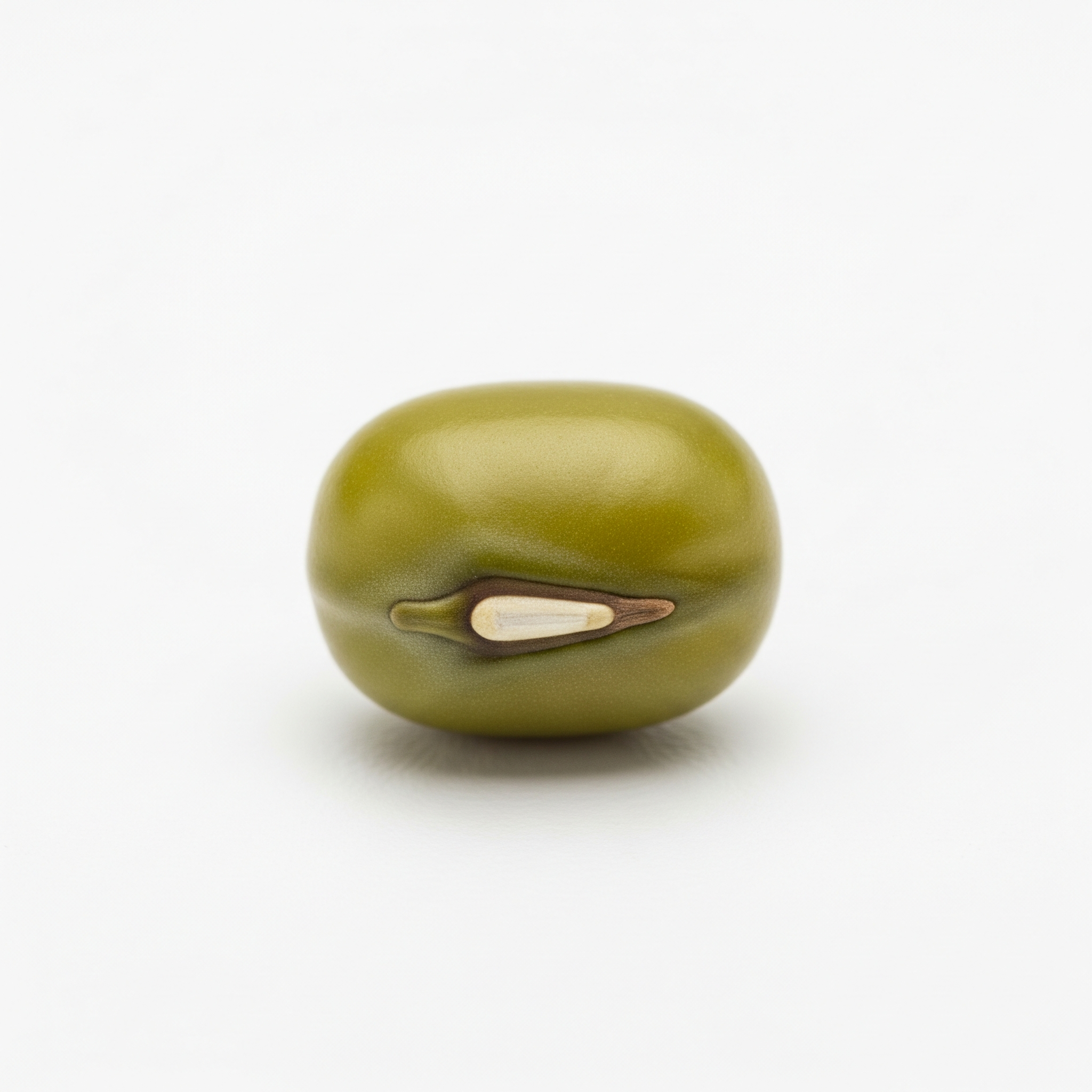
Green gram is an annual, bushy or semi-erect herbaceous plant, typically standing 30–120 cm tall. Its leaves are trifoliate, with ovate to lanceolate leaflets, and it produces clusters of small, yellow flowers. The slender pods, measuring 6–10 cm, contain 10–15 tiny, round to oval seeds that are a vibrant green. The seeds are smooth to the touch, and when split or sprouted, reveal a pale interior and crisp texture.
Green gram thrives in well-drained loamy soils and adapts to a range of climates, making it suitable for short-season rotations and intercropping. Its rapid growth and drought tolerance allow farmers to cultivate it in challenging conditions. The plant fixes atmospheric nitrogen, enriching soil for subsequent crops. Green gram is consumed as whole seeds, split dal, sprouts, and flour—appearing in savory and sweet dishes, snacks, noodles, and livestock fodder. It is also grown as green manure to improve soil health.
Bring this kind into your world � illustrated posters, mugs, and shirts.
Archival print, museum-grade paper
Buy Poster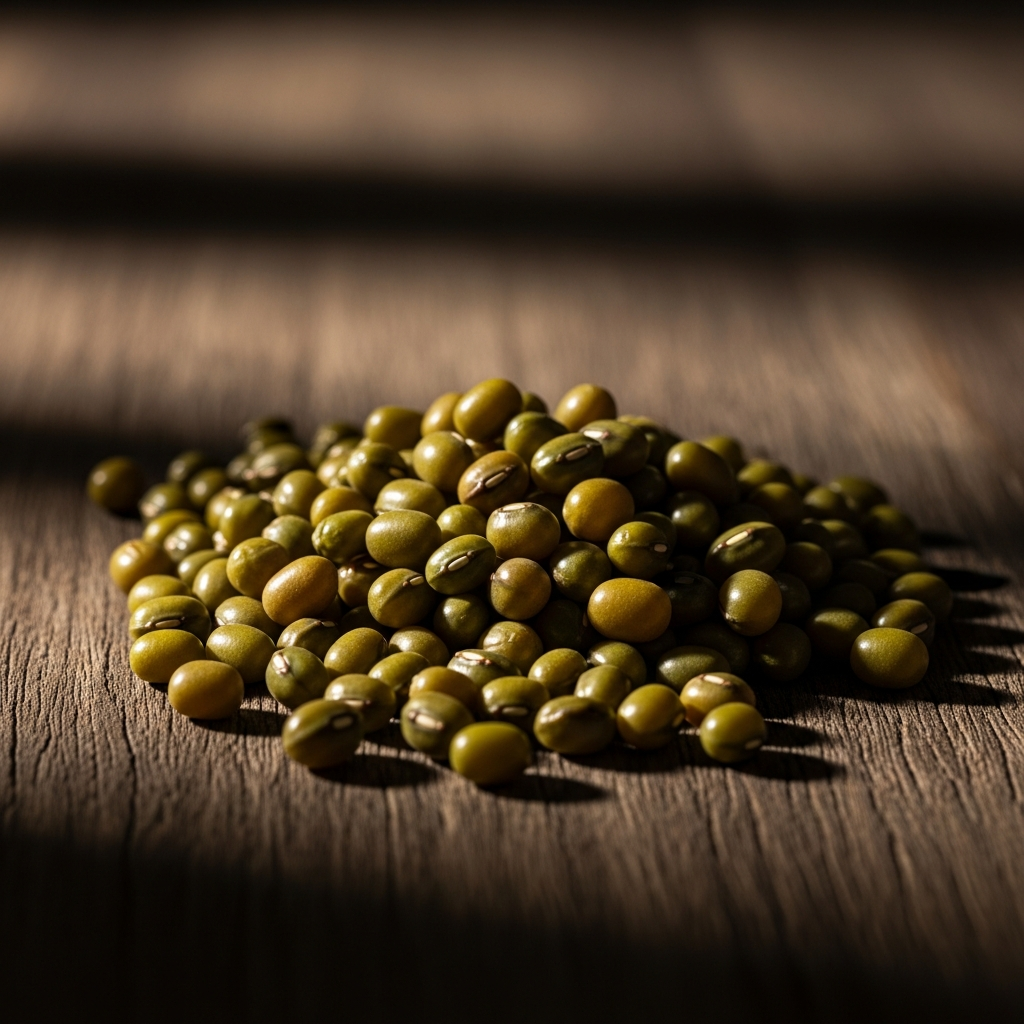
Stoneware mug, dishwasher safe
Buy Mug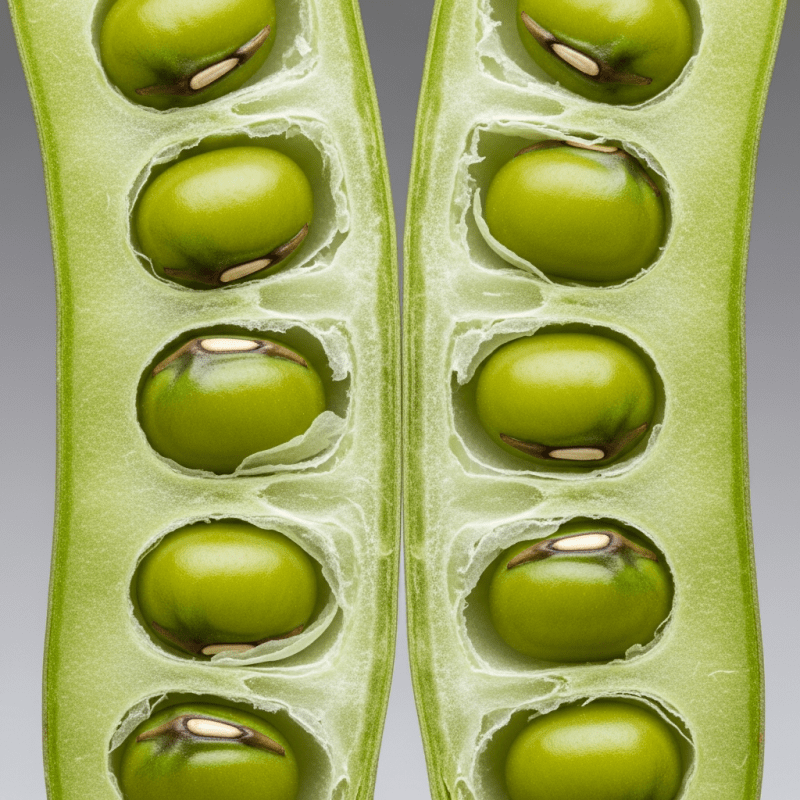
Soft cotton tee, unisex sizes
Buy ShirtGreen gram holds a prominent place in South Asian, Southeast Asian, and East Asian cuisines and traditions. In India, it is a staple ingredient in dishes like khichdi and dosa, symbolizing nourishment and simplicity. Sprouted green gram is associated with health and vitality, often featured in wellness diets. In China, "lǜ dòu" is used in cooling desserts and festive pastries, while in Thailand and the Philippines, it appears in both savory and sweet preparations. Its cultural resonance extends to rituals, folk medicine, and everyday meals across continents.
Green gram was domesticated in the Indian subcontinent over 3,500 years ago, selected from its wild progenitor Vigna radiata var. sublobata. Its cultivation spread organically through trade and migration, reaching Southeast Asia, East Asia, and Africa. Unlike crops with a single credited breeder, green gram's history is shaped by generations of traditional farmers. In recent decades, research institutions have developed improved cultivars, but the crop's domestication remains a testament to ancient agricultural ingenuity.
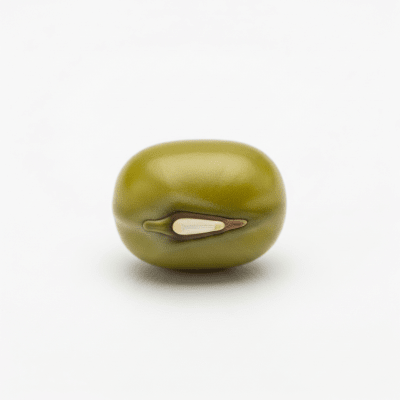
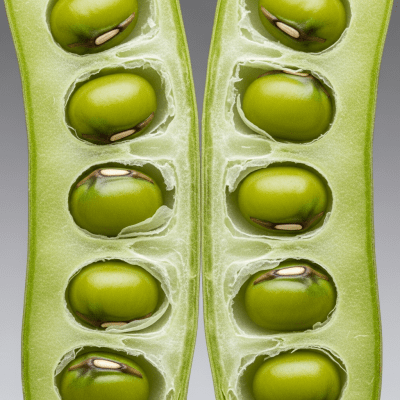
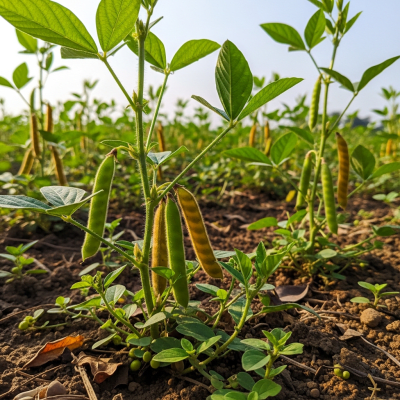
Green gram is an annual plant with a bushy or semi-erect growth habit, reaching 30–120 cm in height. It progresses from seedling to flowering within weeks, producing clusters of small yellow flowers. Pods develop and mature in 60–90 days, each containing 10–15 green seeds. The rapid lifecycle allows for short-season cultivation and intercropping, making it a flexible choice for farmers seeking quick returns and soil improvement.
As a legume, green gram forms a symbiotic relationship with Rhizobium bacteria in its roots, enabling it to fix atmospheric nitrogen. This natural process enriches the soil, reducing the need for chemical fertilizers and benefiting subsequent crops in rotation. Green gram is often grown as a green manure, plowed back into the soil to further enhance fertility and promote sustainable agriculture.
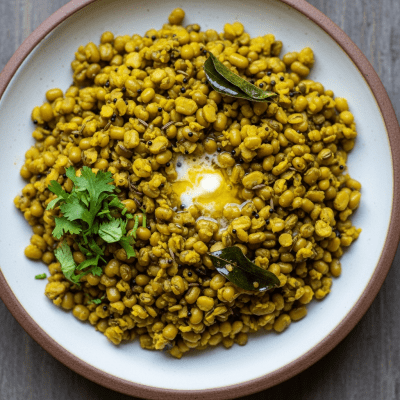
Green gram is celebrated for its versatility in the kitchen. Whole seeds are cooked in soups, stews, and curries; split dal is a staple in Indian cuisine; sprouted seeds are prized for their digestibility and vitamin content; and flour is used in noodles, pancakes, and pastries. Its mild flavor and tender texture suit both savory and sweet dishes. Nutritionally, green gram is high in protein, low in fat, gluten-free, and rich in vitamins and minerals—especially when sprouted—making it popular in health food markets and vegetarian diets.
Green gram is a principal pulse crop across Asia, with India, China, and Southeast Asian countries leading production. It is a staple in regional cuisines and health food sectors, valued for its nutritional profile and culinary flexibility. The crop is traded internationally, though trade codes and regulatory standards may vary by country. Its commercial importance is bolstered by demand for both whole seeds and processed products like dal and flour.
Green gram is susceptible to diseases such as yellow mosaic virus, powdery mildew, and cercospora leaf spot. However, modern breeding has produced resistant varieties to mitigate these threats. Insect pests like pod borers and aphids can affect yields, and seeds are vulnerable to bruchid beetle infestation during storage. Integrated pest management and improved cultivars help safeguard crops and ensure reliable production.
Green gram is known by many names worldwide: mung bean (global), moong or moong dal (India), golden gram, mash bean, lǜ dòu (Chinese), thua khiao (Thai), monggo (Filipino), and kunde (Swahili). "Moong dal" refers specifically to the split form. Regional naming discrepancies exist, but all refer to the species Vigna radiata, highlighting its widespread adoption and cultural integration.