Alfalfa
Alfalfa (Medicago sativa) is a perennial legume renowned worldwide as the most important forage crop for livestock, valued for its high protein content and vital role in sustainable agriculture.
Alfalfa (Medicago sativa) is a perennial legume renowned worldwide as the most important forage crop for livestock, valued for its high protein content and vital role in sustainable agriculture.
Alfalfa traces its roots to southwestern Asia, with its domestication dating back over 2,000 years in ancient Persia (modern-day Iran). From there, it spread through Greece and Rome into Europe, and was later introduced to the Americas by Spanish colonists in the 16th century. Its journey reflects centuries of adaptation and agricultural importance across continents, with no single originator but a legacy shaped by countless farmers and breeders.
Alfalfa belongs to the Fabaceae (Leguminosae) family, a vast group of plants distinguished by their podded fruits and nitrogen-fixing abilities. Within this family, it is classified under the genus Medicago, species sativa, and includes several subspecies and hybrids. As a forage legume, alfalfa stands apart from food and ornamental legumes, serving primarily in livestock nutrition and soil improvement.
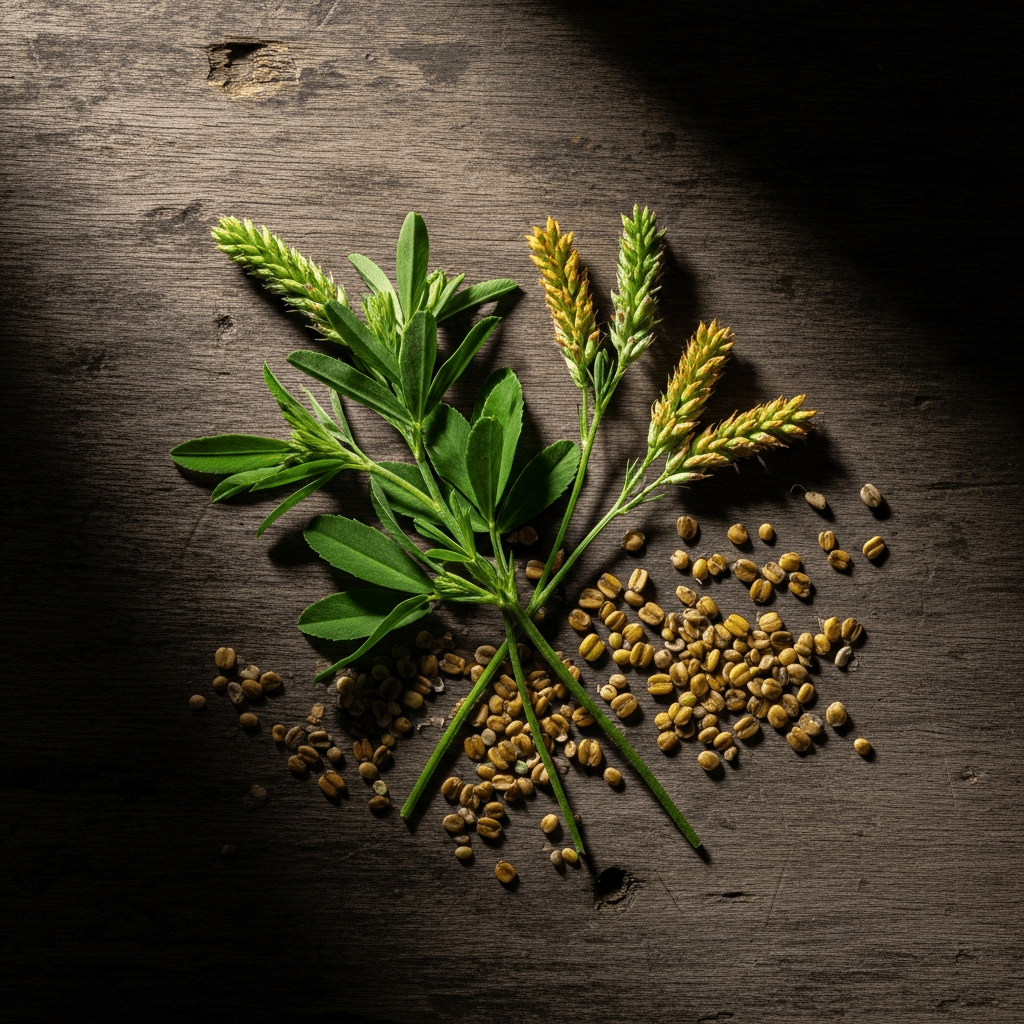
Alfalfa is a herbaceous perennial with an erect, multi-stemmed form, typically reaching 0.6–1.2 meters in height. Its leaves are trifoliate, each with three oblong to oval leaflets, and its slender stems support clusters of small, vibrant purple to blue flowers. After flowering, it produces distinctive coiled or sickle-shaped pods containing several seeds. A deep taproot, often extending over two meters, anchors the plant and enables remarkable drought resilience.
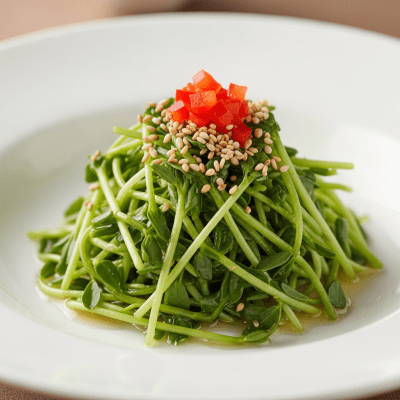
Primarily cultivated for hay, silage, and pasture, alfalfa is a cornerstone of livestock feed due to its high protein and digestibility. Its rapid regrowth after cutting allows for multiple harvests each season, typically three to five. Beyond feeding animals, alfalfa enriches soil through nitrogen fixation, improves soil structure, and is a favored crop in sustainable rotations. While not a staple for direct human consumption, alfalfa sprouts are enjoyed in salads and garnishes in some regions.
Bring this kind into your world � illustrated posters, mugs, and shirts.
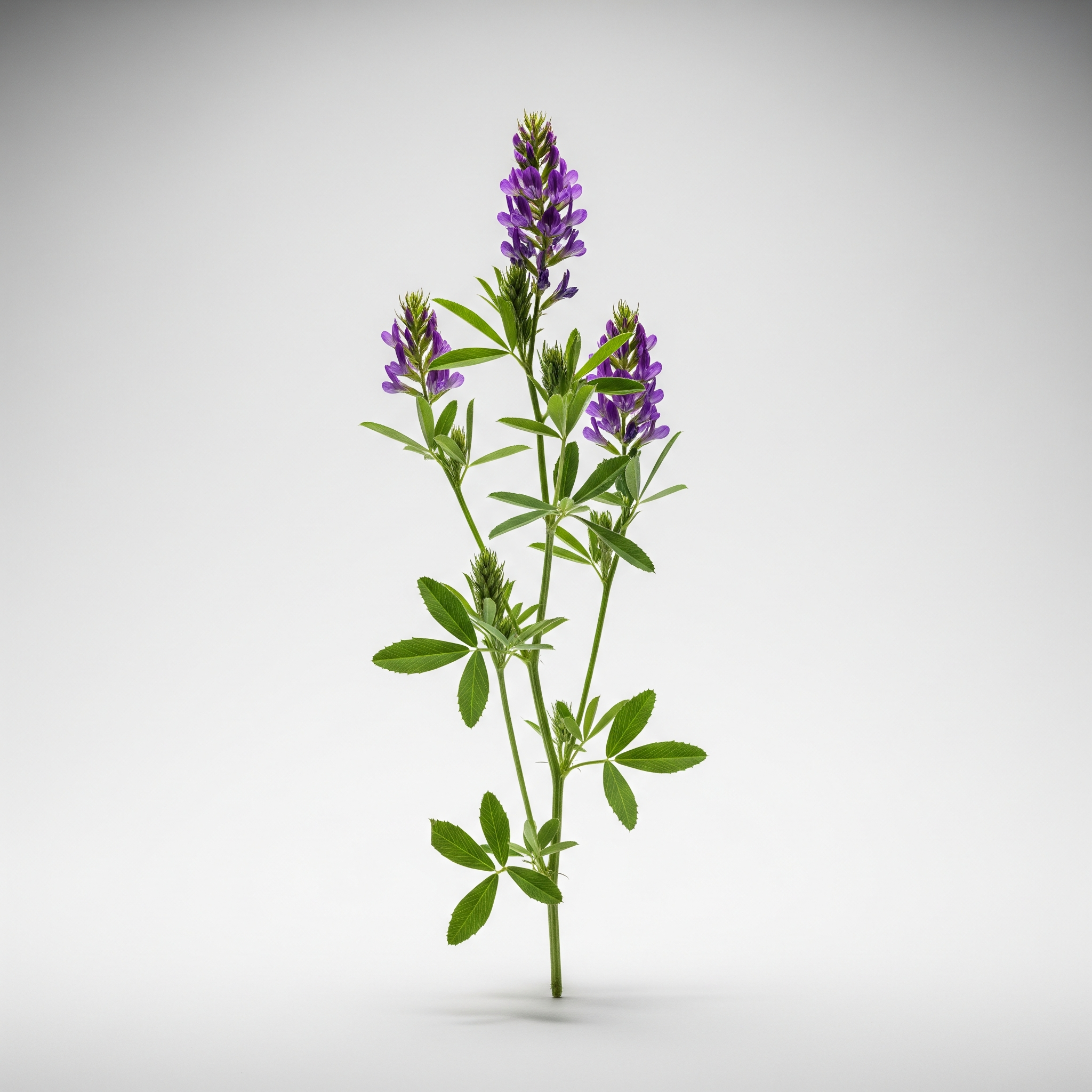
Archival print, museum-grade paper
Buy Poster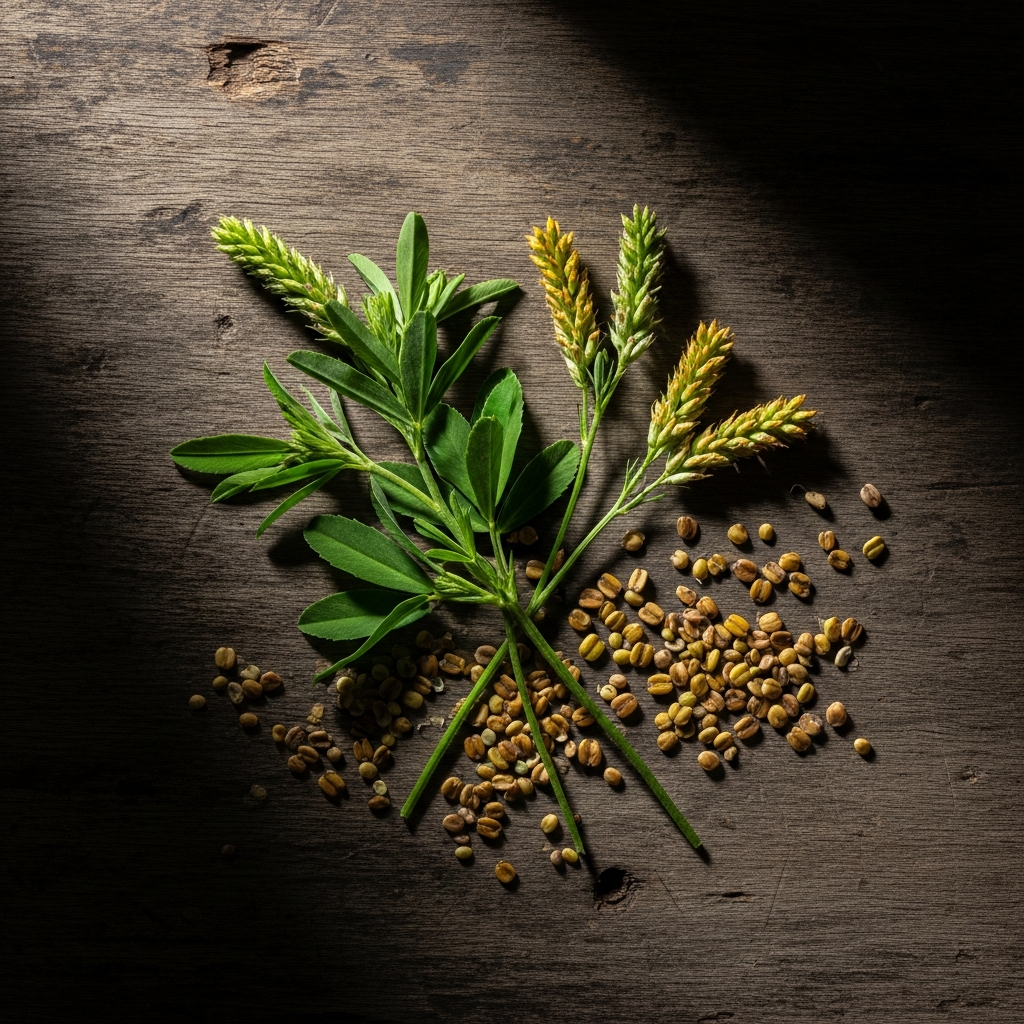
Stoneware mug, dishwasher safe
Buy Mug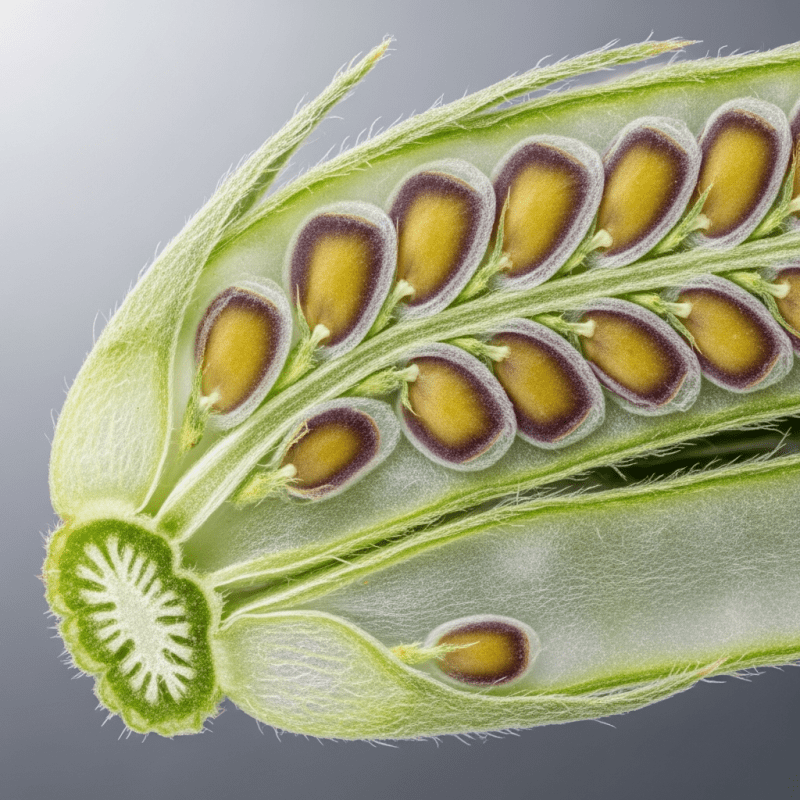
Soft cotton tee, unisex sizes
Buy ShirtAlfalfa’s cultural impact is most profound in agricultural societies, where it symbolizes fertility, abundance, and the promise of healthy livestock. Known as "lucerne" in Europe and other regions, it features in rural traditions and farming lore. Its introduction and adaptation have marked agricultural progress in many countries, and it remains a staple in discussions of sustainable farming and ecological stewardship.
Alfalfa’s domestication began in ancient Persia, spreading through the Mediterranean and into Europe and the Americas over centuries. Its wild ancestors include subspecies such as Medicago sativa subsp. falcata, which contributed traits like winter hardiness. Modern breeding, led by agricultural institutions worldwide, has focused on improving disease resistance, yield, and climate adaptability. Today, alfalfa is grown on every continent except Antarctica, reflecting its enduring agricultural legacy.
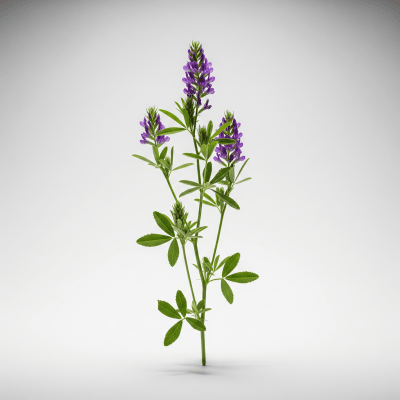
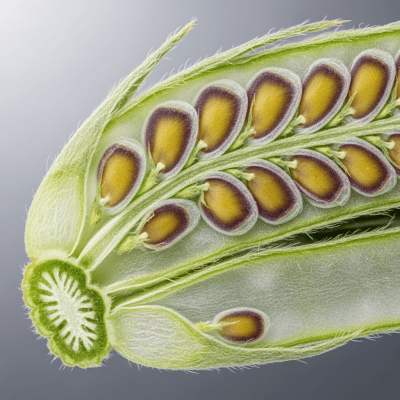
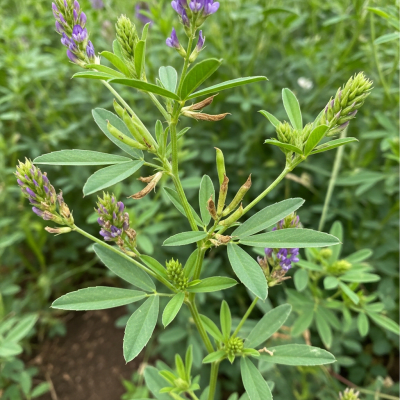
Alfalfa grows as an erect, multi-stemmed perennial, with robust regrowth after each harvest. Its lifecycle features rapid vegetative growth, flowering in dense racemes, and seed production in coiled pods. The plant’s deep taproot supports longevity and resilience, enabling stands to remain productive for 4–7 years, and sometimes up to 10. Under optimal conditions, alfalfa can yield 8–20 tons of dry matter per hectare annually, with multiple harvests possible each season.
Like all true legumes, alfalfa forms a symbiotic partnership with Rhizobium meliloti bacteria in its roots. This relationship enables the plant to convert atmospheric nitrogen into forms usable by itself and neighboring crops, significantly enriching soil fertility. Alfalfa’s nitrogen-fixing ability makes it a key player in sustainable farming, reducing the need for synthetic fertilizers and improving soil structure for subsequent crops.
While alfalfa is not a staple food for humans, its sprouts—grown from seeds—are a popular addition to salads and sandwiches, offering a mild flavor and crunchy texture. The primary nutritional value of alfalfa lies in its role as animal feed, where it delivers high protein (15–22%), fiber, and essential minerals to livestock. Alfalfa meal and pellets are also used in pet food and as organic fertilizer, further extending its utility beyond the farm.
Alfalfa is a major commodity in the global feed market, with leading producers including the United States, China, Argentina, Russia, and several European countries. It is traded internationally as baled hay, dehydrated pellets, and seed. Commercial applications span livestock feed, pet food, and organic fertilizer. Regulatory codes such as FAO 1077 and USDA ALFA facilitate its trade and classification in agricultural markets.
Alfalfa is susceptible to several pests and diseases, including alfalfa weevil (Hypera postica), bacterial wilt (Clavibacter michiganensis), and root rot (Phytophthora species). Modern cultivars have been bred for resistance to nematodes, anthracnose, and verticillium wilt, improving stand longevity and yield. Nonetheless, careful management and cultivar selection remain essential for maintaining healthy crops.
Alfalfa is known by various names around the world: "lucerne" in Europe, Australia, New Zealand, and South Africa; "alfalfa" in North America and parts of Asia; "luzerne" in French and German; "alfafa" in Spanish and Portuguese; and "purple medic" for some wild relatives. Notable cultivars include ‘Vernal’, ‘Saranac’, ‘WL 319HQ’, ‘Cuf 101’, and ‘Ranger’, each adapted to specific climates and farming needs.