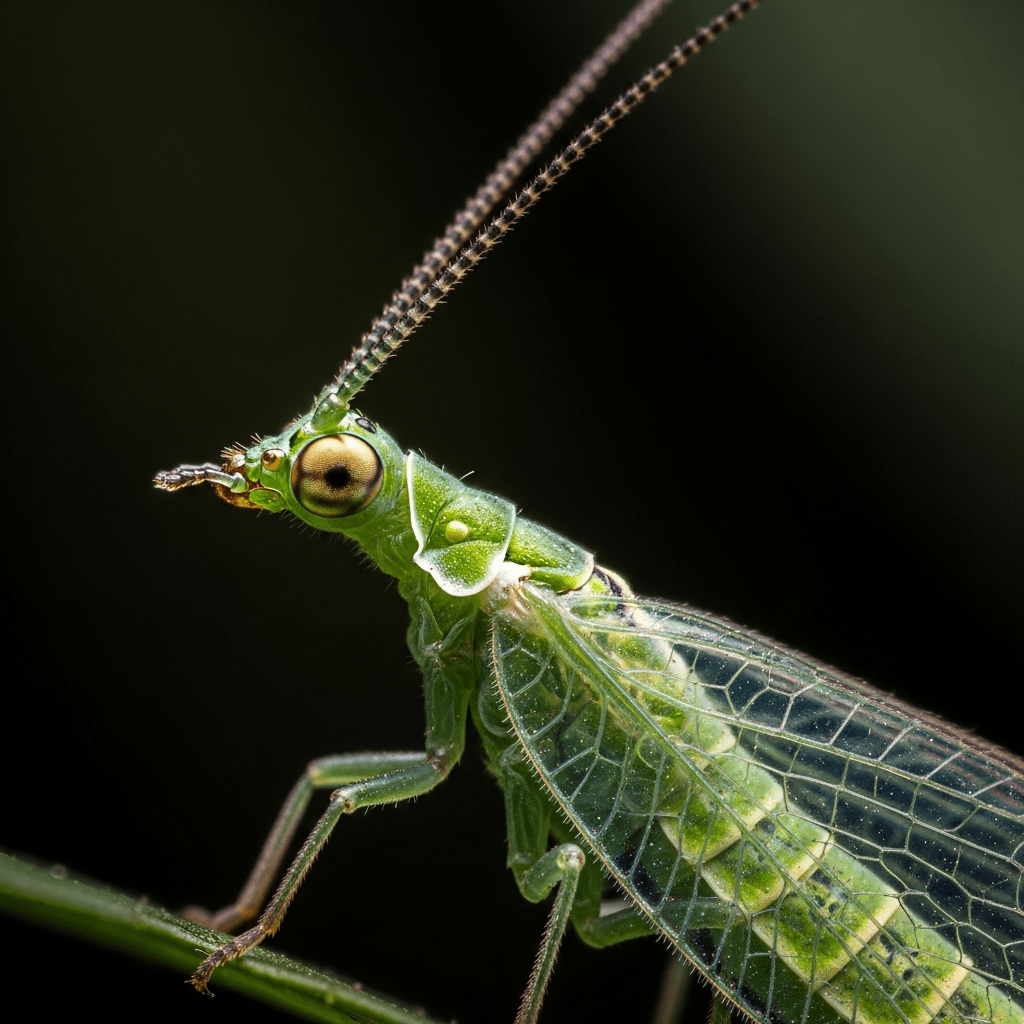
Chrysoperla carnea
Chrysoperla carnea, commonly known as the green lacewing, is a delicate insect famed for its lace-like wings and vital role as a natural predator of agricultural pests.
Chrysoperla carnea, commonly known as the green lacewing, is a delicate insect famed for its lace-like wings and vital role as a natural predator of agricultural pests.
First described by Stephens in 1836, Chrysoperla carnea is a naturally occurring species with a cosmopolitan distribution. It has no domestication or breeding origin, representing a wild lineage within the family Chrysopidae.
The green lacewing belongs to the class Insecta and family Chrysopidae. Its genus is Chrysoperla and species carnea. Historically, it has also been referred to as Chrysopa carnea, reflecting past taxonomic synonyms.
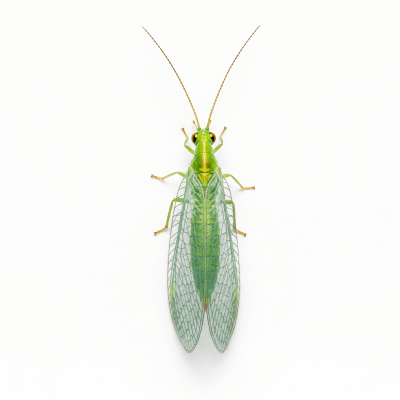
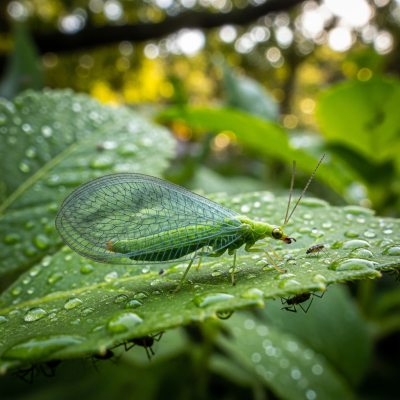
Adults measure 10 to 15 millimeters in length, featuring slender green bodies and two pairs of large, transparent wings intricately veined like lace. Their eyes are prominent, golden or copper-colored compound structures. Larvae are elongated and mottled brown or gray, equipped with distinctive sickle-shaped mandibles suited for predation.
The larvae of Chrysoperla carnea are voracious predators, feeding primarily on aphids and other soft-bodied insects, making them valuable allies in natural pest control. Commercially, lacewings are reared and released in integrated pest management programs to protect crops without chemical pesticides.
Bring this kind into your world � illustrated posters, mugs, and shirts.
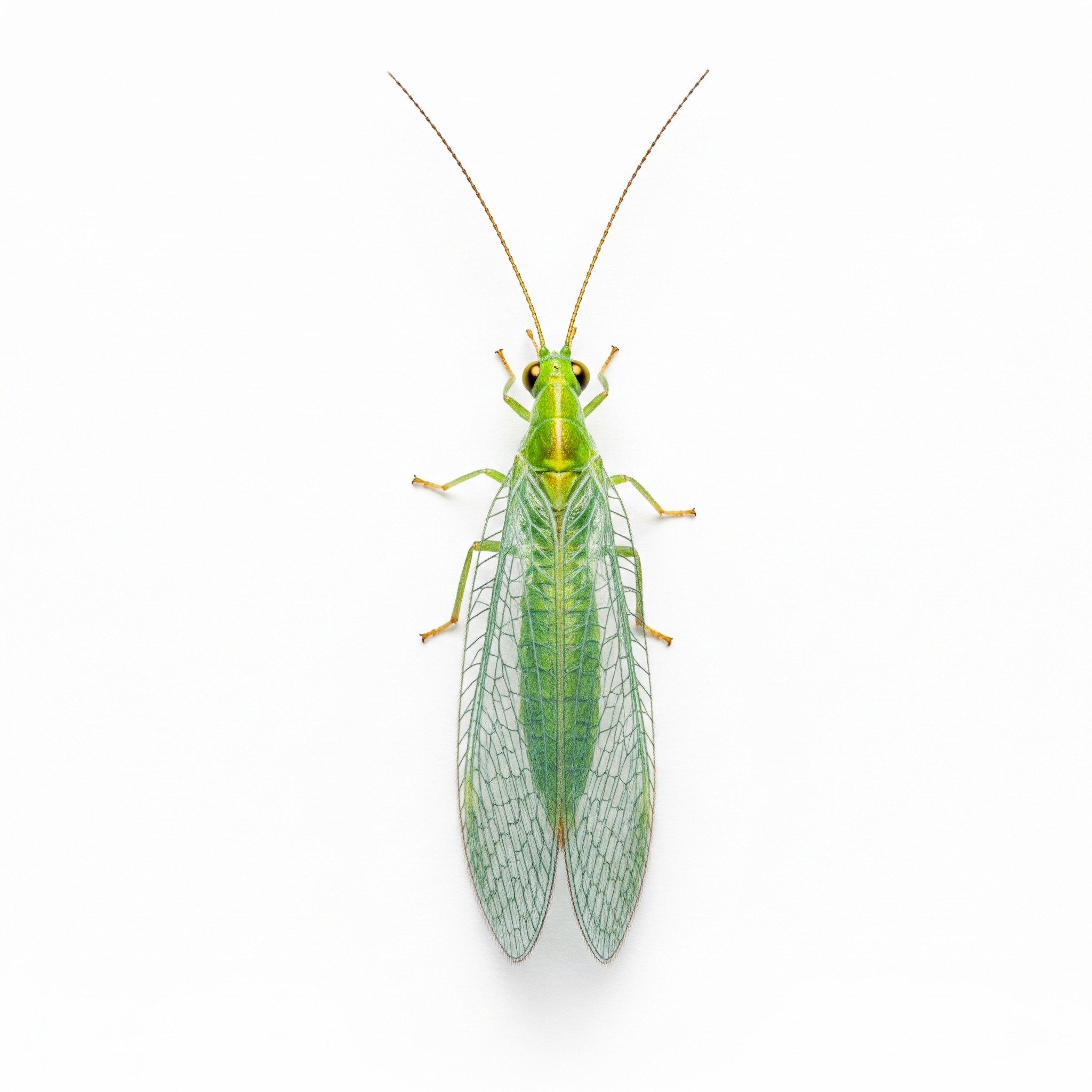
Archival print, museum-grade paper
Buy Poster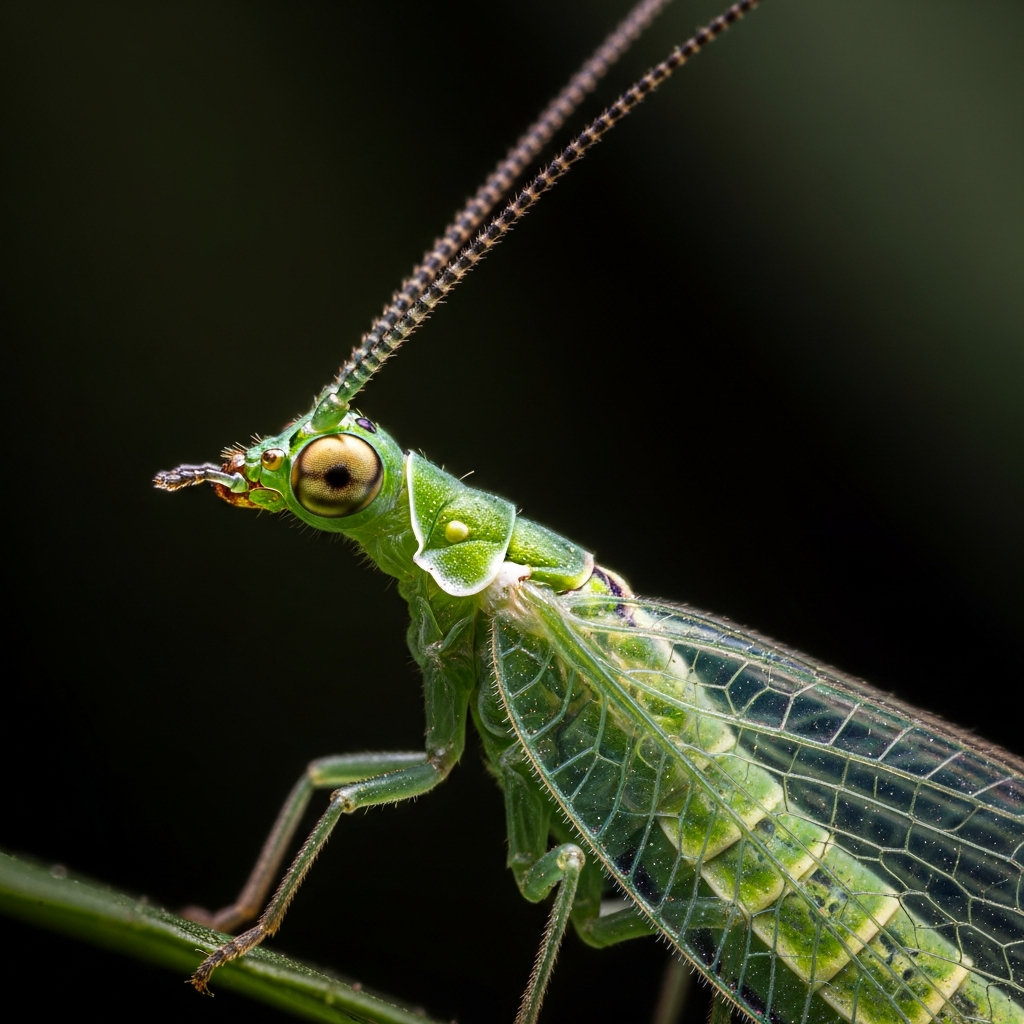
Stoneware mug, dishwasher safe
Buy Mug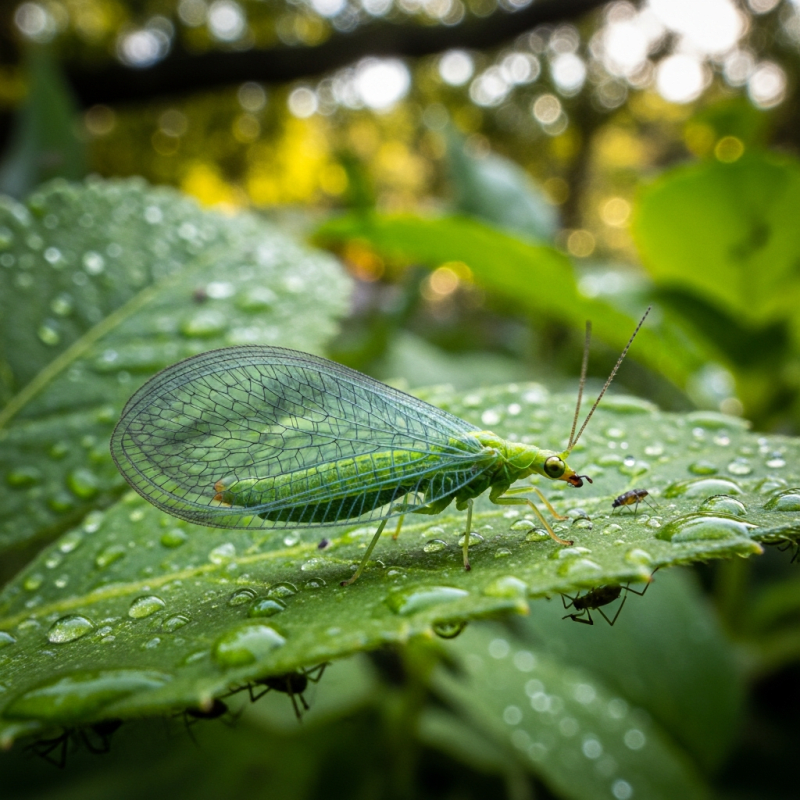
Soft cotton tee, unisex sizes
Buy ShirtWhile Chrysoperla carnea lacks prominent cultural symbolism or culinary use, its importance lies chiefly in agriculture and ecology as a beneficial insect, widely appreciated by farmers and gardeners for its pest control abilities.
Chrysoperla carnea thrives across temperate and subtropical regions worldwide. It inhabits diverse environments where prey insects are abundant, often found in agricultural fields, gardens, and natural vegetation, contributing to pest regulation in these ecosystems.

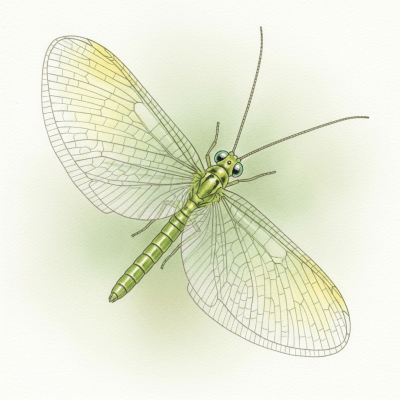
The lacewing undergoes complete metamorphosis, progressing through four distinct stages: egg, larva, pupa, and adult. Eggs are laid near prey colonies; larvae emerge as active predators before pupating into adults with characteristic lace-like wings.
As a natural predator, Chrysoperla carnea plays a crucial ecological role by controlling populations of aphids and other soft-bodied pests. This predation helps maintain balanced ecosystems and supports sustainable agriculture by reducing the need for chemical insecticides.
While not currently assessed for conservation status, lacewings face threats from broad-spectrum insecticides that can decimate their populations. Conservation efforts focus on promoting integrated pest management practices that protect beneficial insects like lacewings by minimizing harmful chemical use.