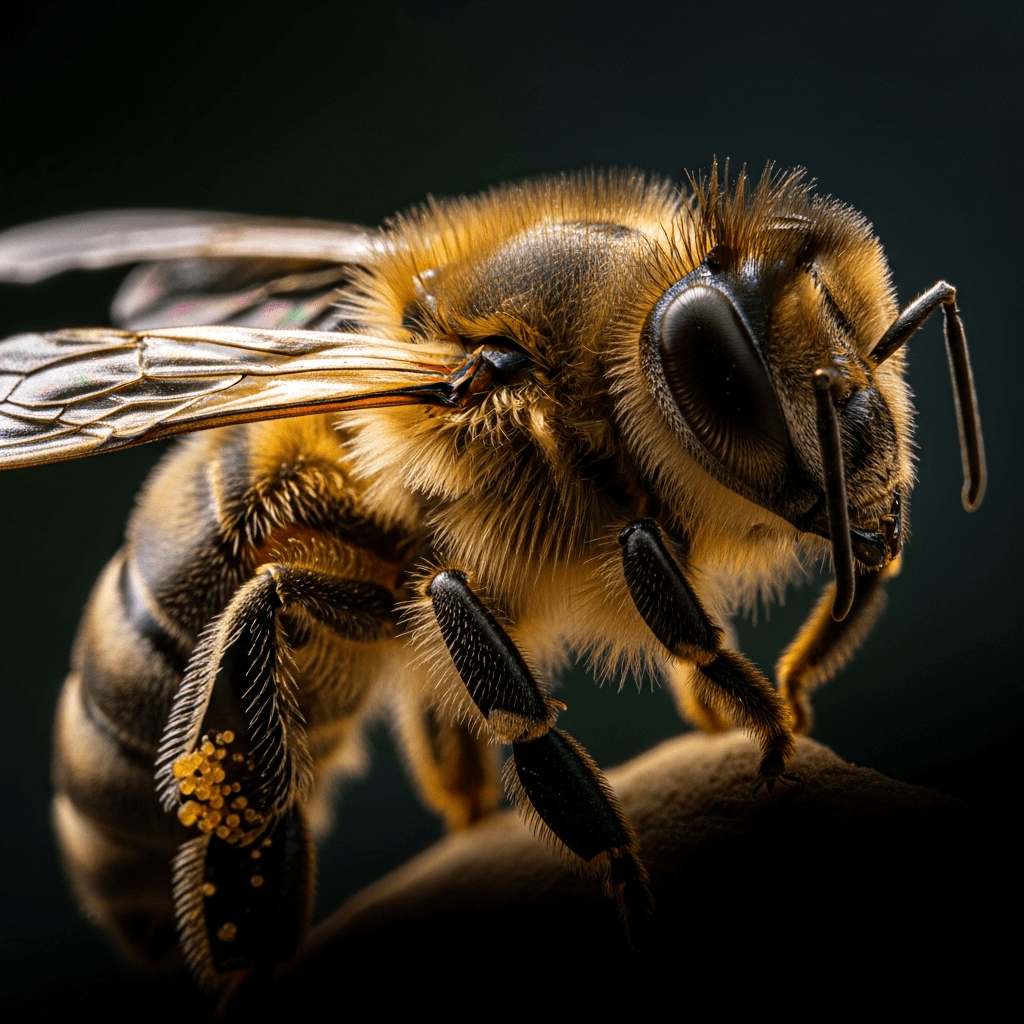
Apis mellifera
The honey bee (Apis mellifera) is a domesticated insect renowned worldwide for its vital role in pollination and honey production.
The honey bee (Apis mellifera) is a domesticated insect renowned worldwide for its vital role in pollination and honey production.
First described by Carl Linnaeus in 1758, the honey bee originates from wild populations native to Europe, Africa, and western Asia. Over centuries, numerous subspecies and strains have been selectively bred and managed globally, adapting the species to diverse environments and agricultural needs.
The honey bee belongs to the class Insecta, order Hymenoptera, family Apidae, genus Apis, and species mellifera. This classification places it among the eusocial bees known for complex colony structures and pollination behaviors.
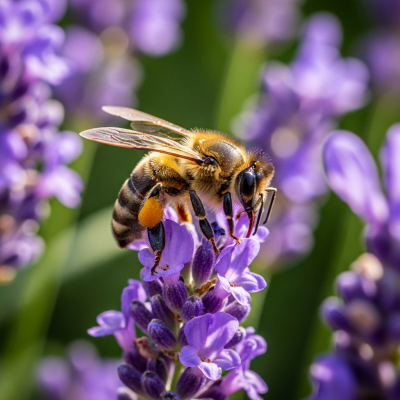
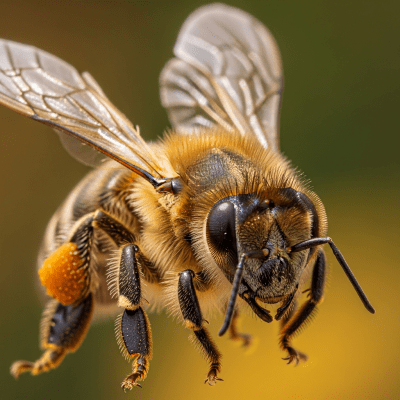
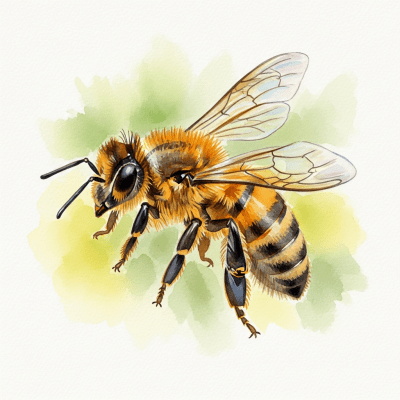
Honey bees measure typically 12 to 15 millimeters in length and display a golden-brown coloration with a distinct banded abdomen. Their bodies are densely covered with hair, aiding in pollen collection. They have three pairs of legs, two pairs of translucent wings, and large compound eyes that provide a wide field of vision.
Honey bees exhibit sophisticated social behavior, living in colonies composed of a single queen, thousands of female workers, and male drones. They communicate through the iconic "waggle dance" to convey information about food sources. Managed extensively by humans, honey bees are cultivated for honey, beeswax, royal jelly, and their indispensable role in pollinating crops worldwide.
Bring this kind into your world � illustrated posters, mugs, and shirts.
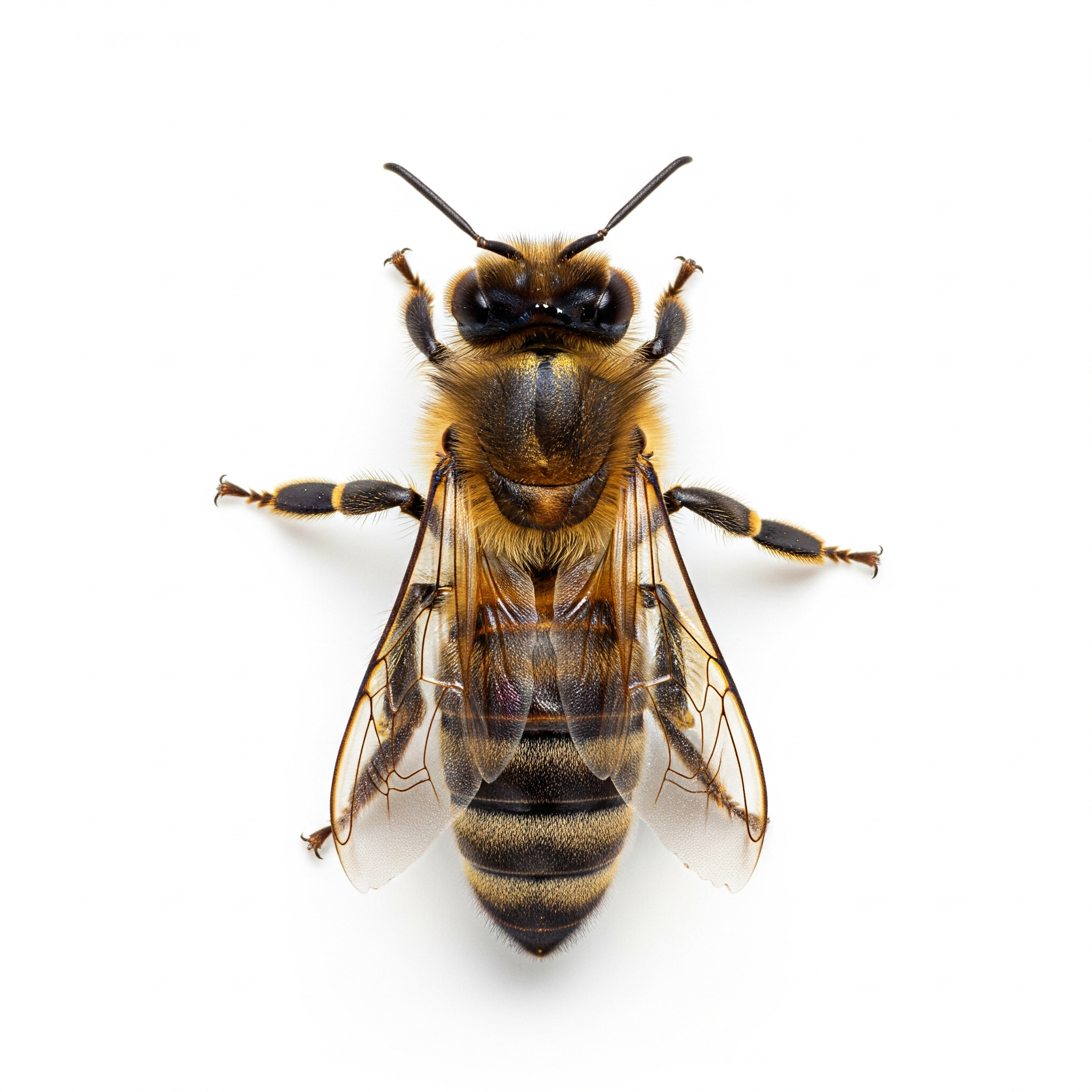
Archival print, museum-grade paper
Buy Poster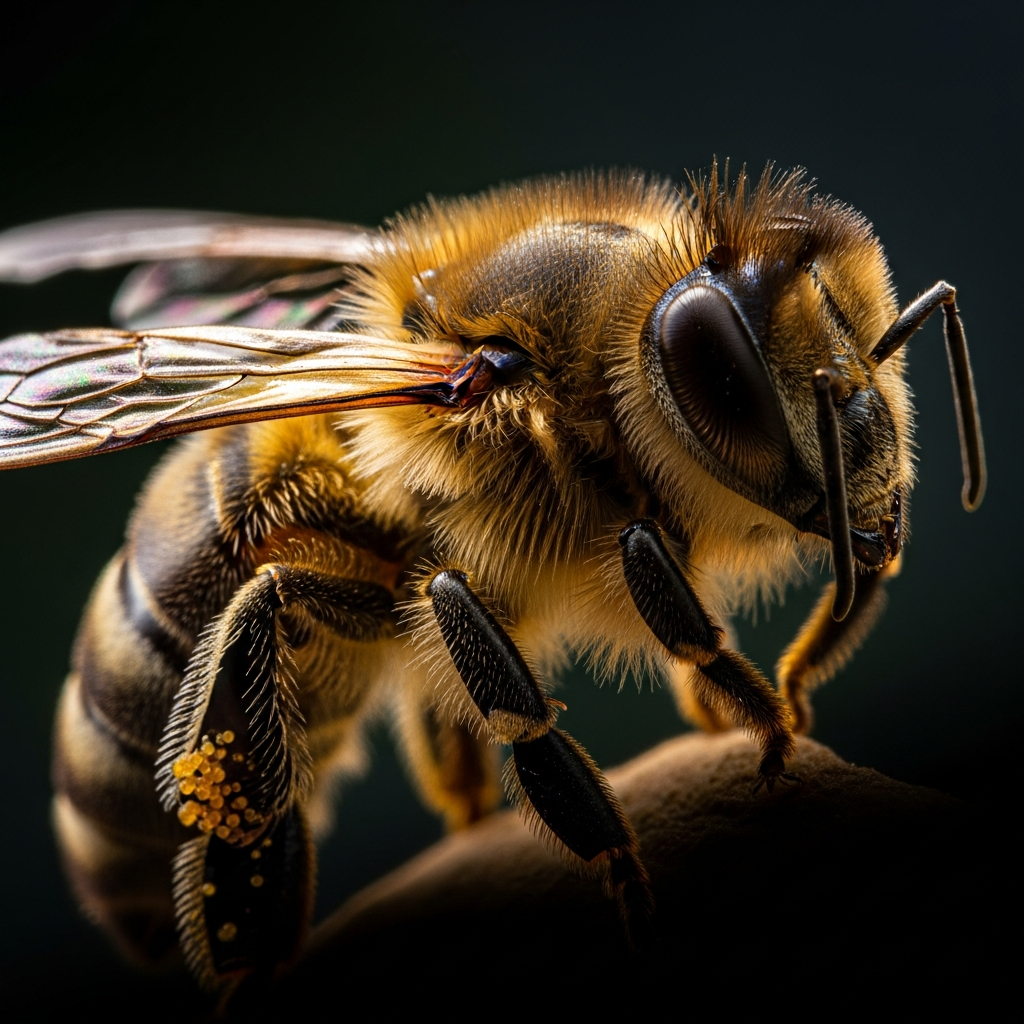
Stoneware mug, dishwasher safe
Buy Mug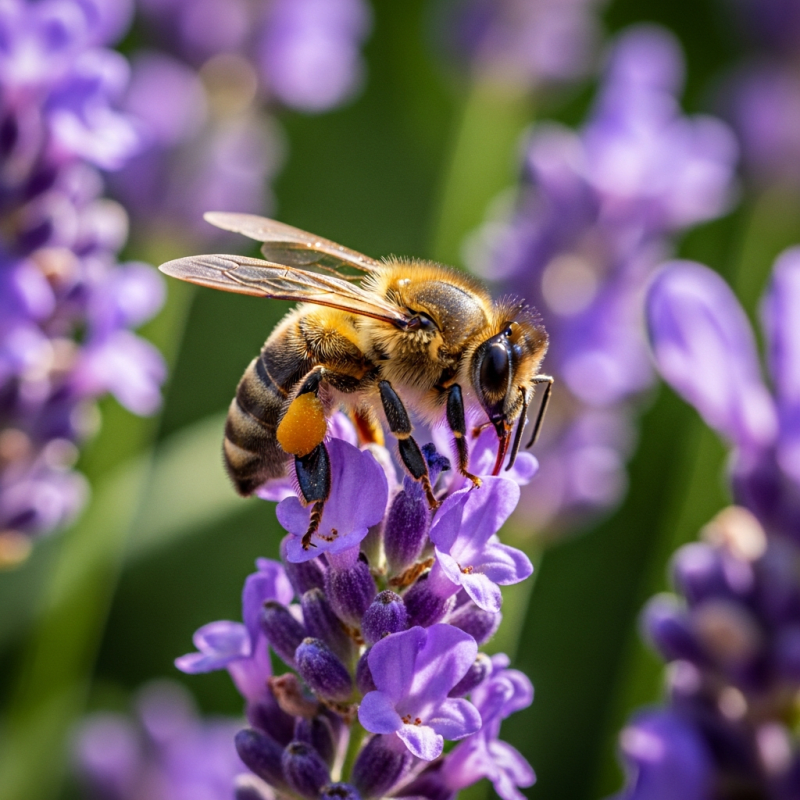
Soft cotton tee, unisex sizes
Buy ShirtThroughout history, honey bees have held a central place in human culture and economy. They symbolize industry, cooperation, and sweetness in art and mythology. Apiculture, or beekeeping, is a widespread practice that not only supports agriculture but also enriches cultural traditions across many societies.
Honey bees are highly adaptable and nest in natural cavities such as hollow trees as well as artificial hives maintained by beekeepers. Native to Europe, Africa, and western Asia, they have been introduced worldwide and now inhabit diverse environments across all continents except Antarctica.

The honey bee undergoes complete metamorphosis, progressing through four stages: egg, larva, pupa, and adult. Eggs hatch into larvae cared for by worker bees, then pupate before emerging as adults. Colony reproduction centers on the queen laying eggs, while workers maintain the hive and drones mate with queens during mating flights.
As key pollinators, honey bees facilitate the reproduction of many flowering plants, supporting biodiversity and global food production. Their pollination services enhance yields of fruits, vegetables, and nuts, making them indispensable to ecosystems and agriculture alike.
Honey bees face significant threats from parasites like Varroa mites, diseases, pesticide exposure, habitat loss, and colony collapse disorder. Conservation efforts focus on sustainable beekeeping practices, habitat restoration, and research into disease resistance to protect these vital insects and maintain their populations worldwide.