Cherry
The cherry is a small, fleshy, seed-bearing fruit from the genus Prunus, prized for its vibrant color, juicy texture, and distinctive sweet or tart flavor.
The cherry is a small, fleshy, seed-bearing fruit from the genus Prunus, prized for its vibrant color, juicy texture, and distinctive sweet or tart flavor.
Sweet cherries (Prunus avium) trace their origins to Europe and western Asia, where they were cultivated by ancient Greeks and Romans. Sour cherries (Prunus cerasus) emerged through natural hybridization in southeastern Europe and western Asia. Over centuries, selective breeding in Europe, North America, and Asia has produced a rich diversity of cherry cultivars, including the renowned 'Bing' cherry, first developed in Oregon, USA, in the late 19th century.
Botanically, cherries are classified as drupes—a type of fleshy fruit with a single hard stone or pit. They belong to the genus Prunus within the Rosaceae family, alongside other stone fruits like plums and peaches. The primary species cultivated for fruit are Prunus avium (sweet cherry) and Prunus cerasus (sour cherry).
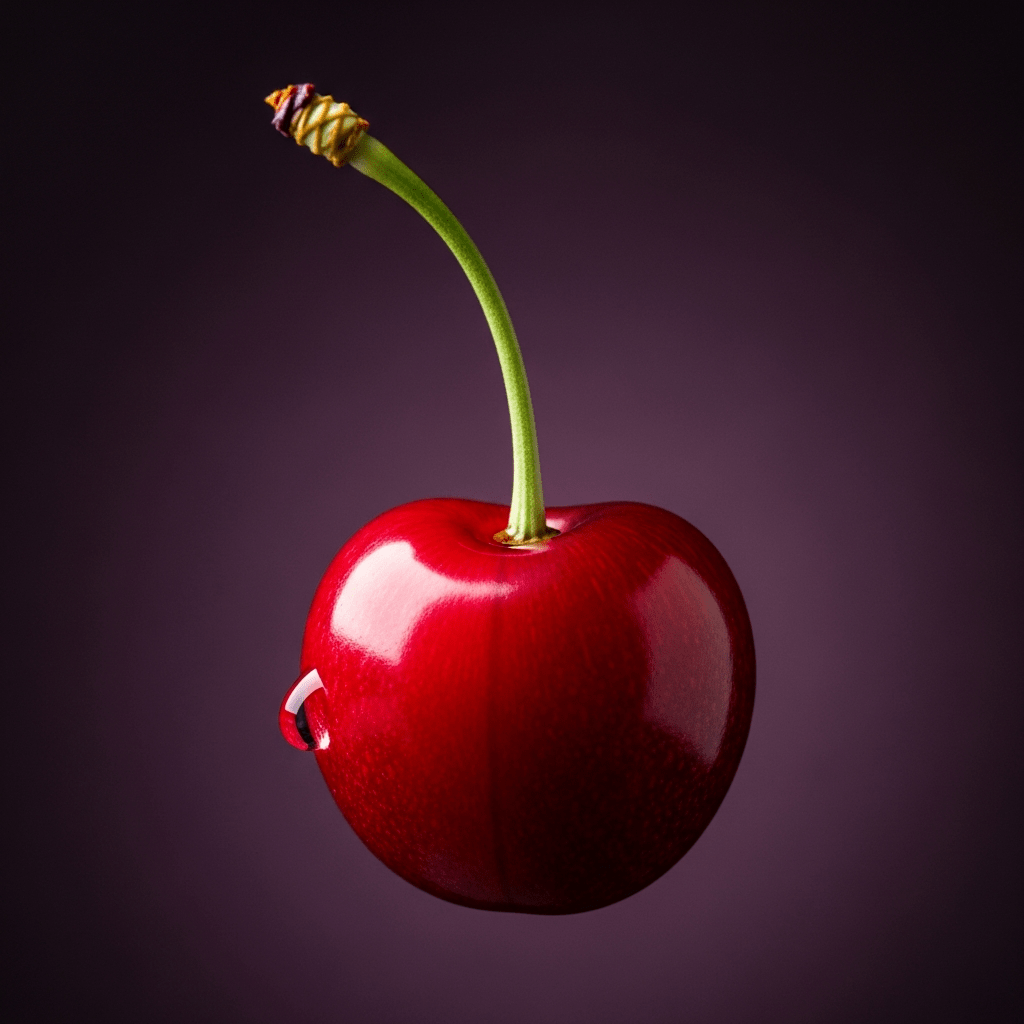
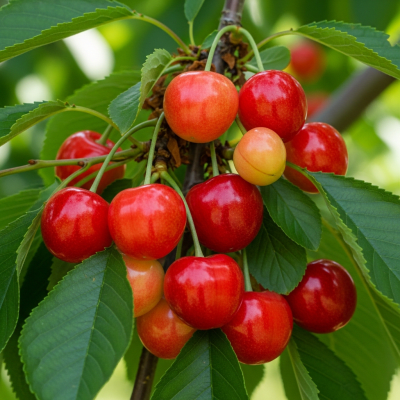
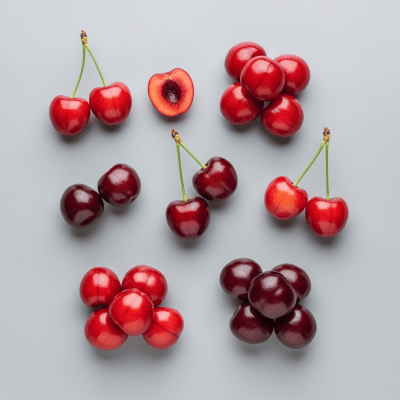
Cherries are typically small and round, measuring 1–2 cm in diameter. Their smooth, glossy skin ranges from bright red to deep purple, and some cultivars display yellow hues. Inside, each fruit contains a single hard pit. The flesh is juicy and varies in sweetness or tartness depending on the variety, offering a burst of flavor and vibrant color that makes cherries visually and sensorially appealing.
Cherries are enjoyed fresh, dried, or processed into jams, preserves, juices, liqueurs, and baked goods. Sweet cherries are favored for direct consumption, while sour cherries are preferred in cooking and baking due to their tartness. Their delicate nature requires careful handling and rapid cooling after harvest to maintain quality, making them a highly valued but perishable crop in global markets.
Bring this kind into your world � illustrated posters, mugs, and shirts.
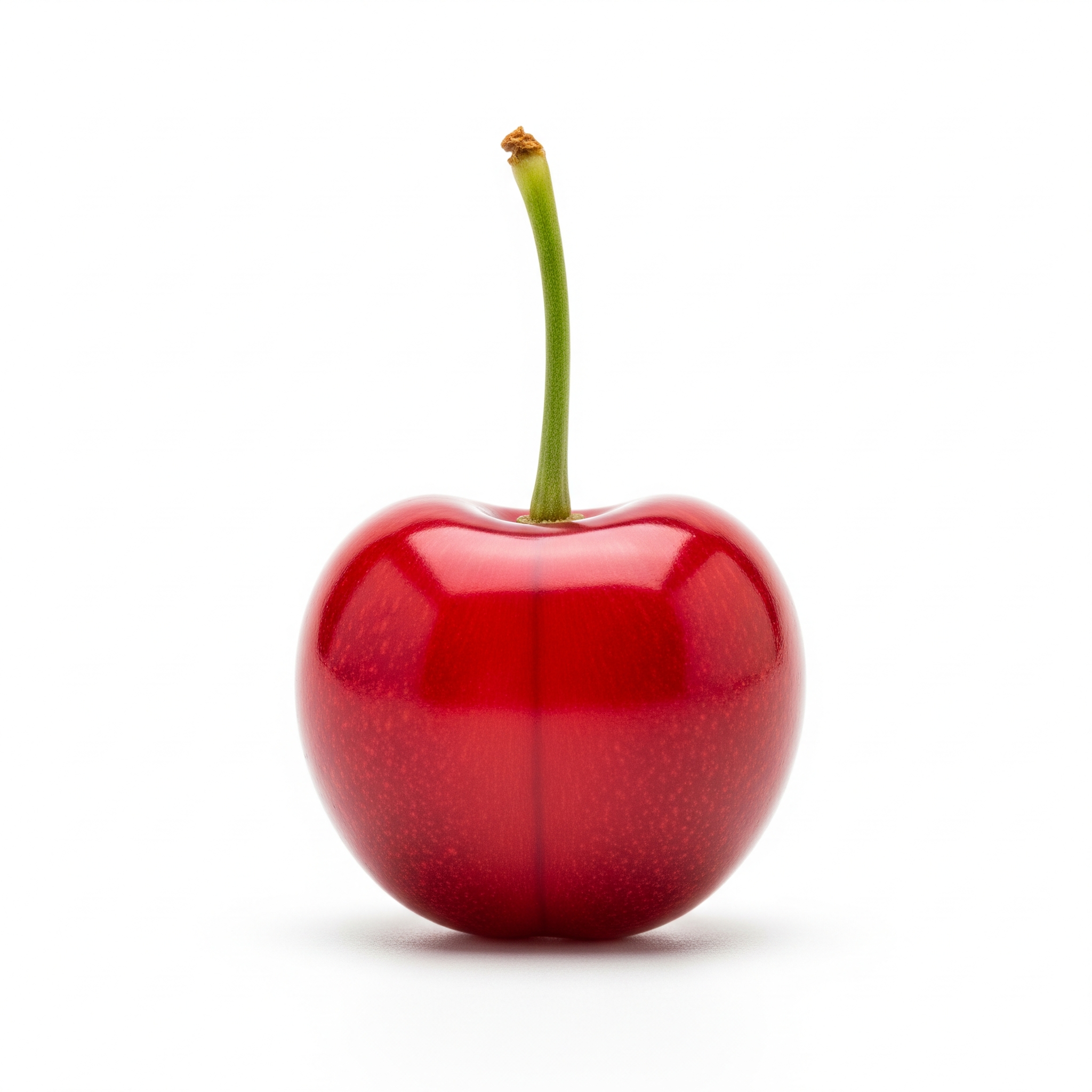
Archival print, museum-grade paper
Buy Poster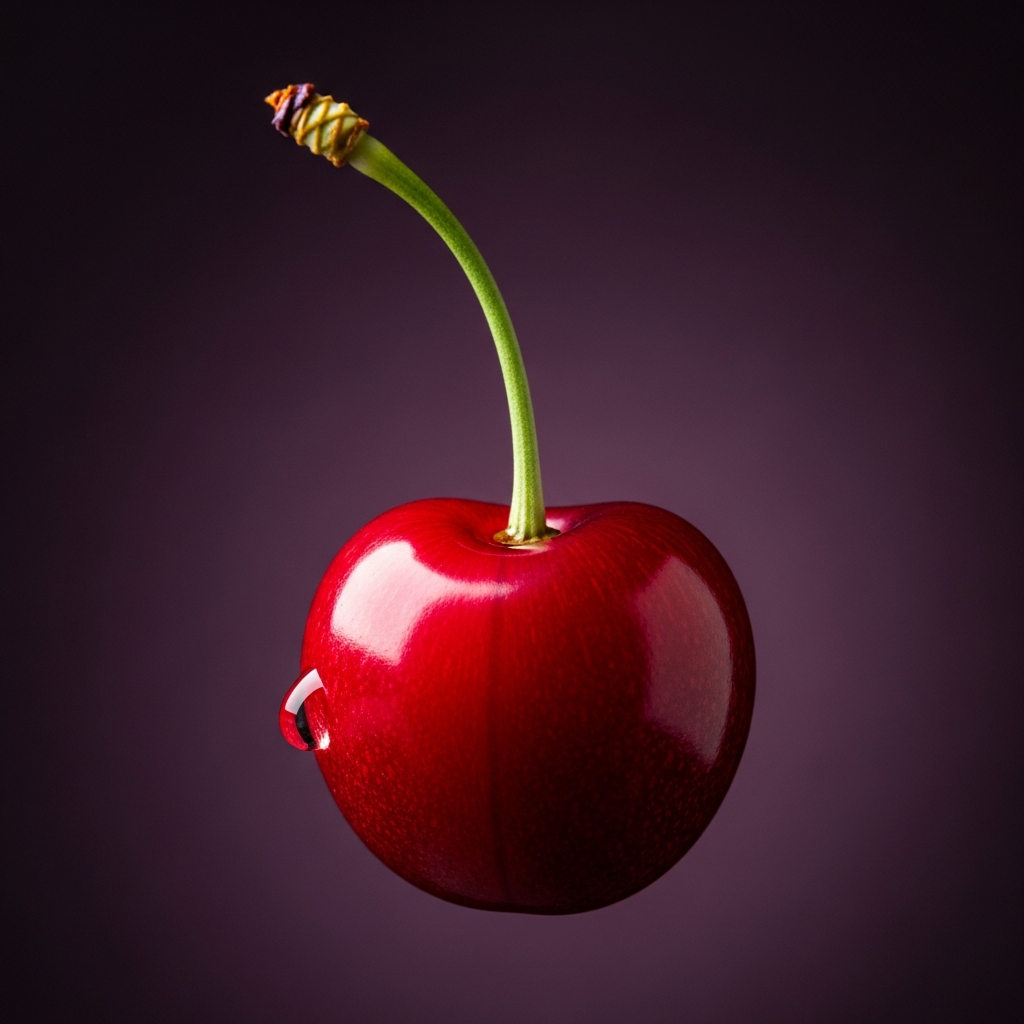
Stoneware mug, dishwasher safe
Buy Mug
Soft cotton tee, unisex sizes
Buy ShirtCherries hold deep cultural significance around the world. In Japan, the cherry blossom (sakura) symbolizes renewal and beauty, celebrated in festivals that draw millions each spring. In Turkey and the United States, cherries feature prominently in local traditions and culinary heritage. The fruit also appears in art, literature, and folklore, often representing fleeting beauty and abundance.
Cherry trees are deciduous and medium-sized, thriving in temperate climates with sufficient winter chilling. The fruit is a small drupe with a smooth, glossy skin and a single hard stone. Cherries are sensitive to frost during flowering and susceptible to diseases like brown rot and bacterial canker. Some cultivars offer resistance to cracking and certain pathogens, but overall, cherries require attentive cultivation and post-harvest care.


Cherries provide a nutritious boost, offering vitamin C, potassium, and dietary fiber. They are notable for containing anthocyanins and melatonin, which contribute to antioxidant activity and may support sleep regulation. These nutrients make cherries a healthy choice for both fresh consumption and processed products.
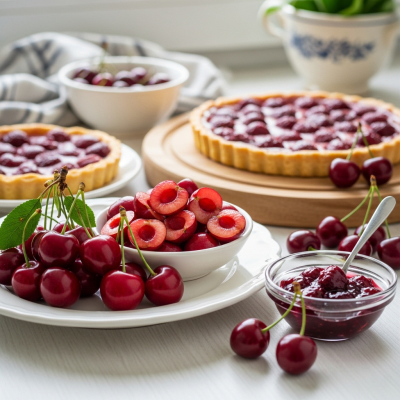
Cherries are versatile in the kitchen. Sweet varieties are enjoyed fresh or as a garnish, while sour cherries shine in pies, tarts, jams, preserves, and sauces. The fruit is also used to make juices, liqueurs like kirsch, and is a classic ingredient in baked goods and desserts. Dried cherries add flavor to salads, cereals, and snack mixes.
Cherry trees thrive in temperate regions and require winter chilling for optimal fruit set. They are sensitive to frost during flowering and need careful management to prevent disease and cracking. Commercial orchards yield 5–15 tons per hectare, with rapid cooling and gentle handling essential after harvest to preserve fruit quality. Some modern cultivars offer improved resistance to common issues, but cherries remain a delicate and labor-intensive crop.
Cherries are a major temperate fruit crop, with leading producers including the USA, Turkey, Iran, Italy, and Spain. The fruit is traded globally, with fresh cherries commanding premium prices due to their perishability and short season. Cherries play a significant role in local economies and international markets, especially during peak harvest periods.
Cherry varieties and usage vary widely across regions. In Japan, ornamental cherry blossoms (sakura) are celebrated, though fruiting cherries are distinct. European countries favor sour cherries for preserves and baking, while North America is known for sweet cultivars like 'Bing' and 'Rainier.' Local names—such as cerise (French), ciliegia (Italian), cereza (Spanish), and kirsch (German)—reflect the fruit's widespread appeal and integration into diverse culinary and cultural traditions.