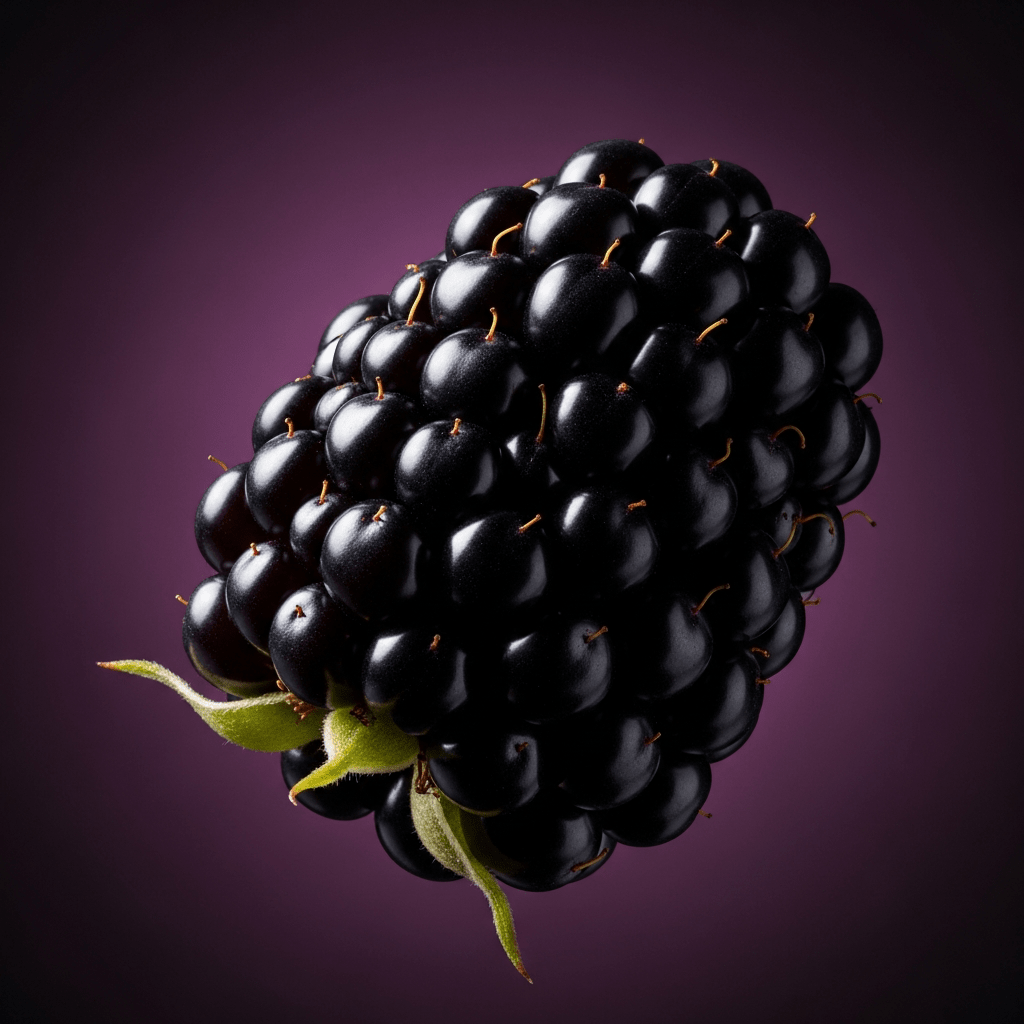
Blackberry
The blackberry is a dark, sweet-tart aggregate fruit from the Rubus genus, prized for its flavor, nutritional value, and versatility in fresh and processed forms.
The blackberry is a dark, sweet-tart aggregate fruit from the Rubus genus, prized for its flavor, nutritional value, and versatility in fresh and processed forms.
Blackberries trace their wild origins to Europe, North America, and parts of Asia, where various Rubus species have flourished for centuries. Their precise ancestry is complex, shaped by natural hybridization and polyploidy within the genus. Cultivation began in earnest during the 19th century, with breeders in the United States and United Kingdom developing many of today’s popular varieties. Despite this, wild and semi-wild forms remain abundant, and the blackberry’s story is one of both natural proliferation and human selection.
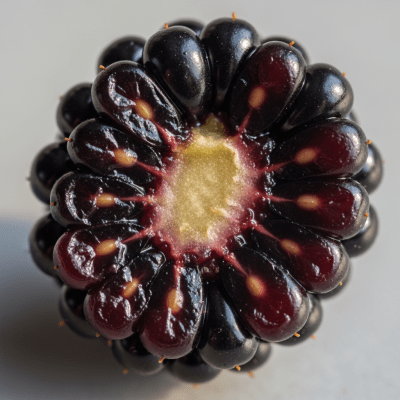
Botanically, the blackberry belongs to the genus Rubus within the Rosaceae family. It is classified as an aggregate fruit, formed from multiple small drupelets clustered together. The term "blackberry" encompasses several closely related species and hybrids, with Rubus fruticosus being the most commonly referenced. Its classification reflects both its complex genetics and its place among other edible fruits.
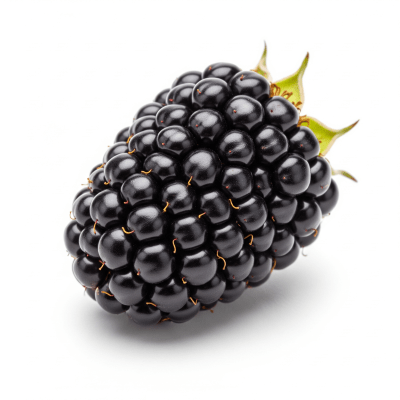
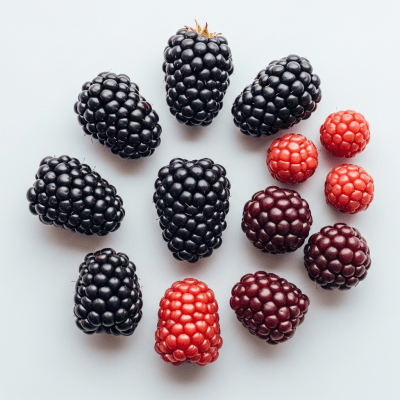
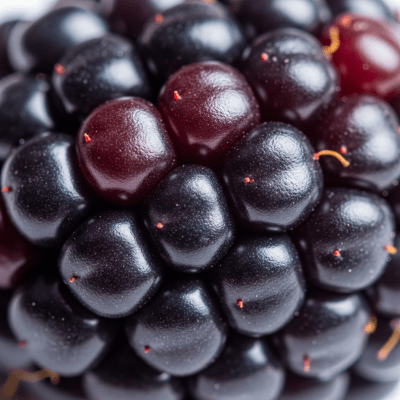
Blackberries are easily recognized by their glossy, deep purple-black color and clustered, bead-like form. Each fruit measures 1–3 cm in length and is made up of numerous juicy drupelets. When ripe, they are soft to the touch, bursting with sweet-tart juice. Depending on the variety, blackberry plants may be thorny or thornless, and the fruits grow on arching canes that can be erect, semi-erect, or trailing.
Blackberries are enjoyed fresh, in desserts, jams, jellies, juices, wines, and baked goods. Their high nutritional content makes them a popular choice for health-conscious consumers. The fruit is also processed as frozen or dried, extending its availability beyond the brief harvest window. Ecologically, blackberry plants provide food for wildlife and stabilize soils, while their vigorous growth can make them both a valued crop and a persistent wild bramble.
Bring this kind into your world � illustrated posters, mugs, and shirts.
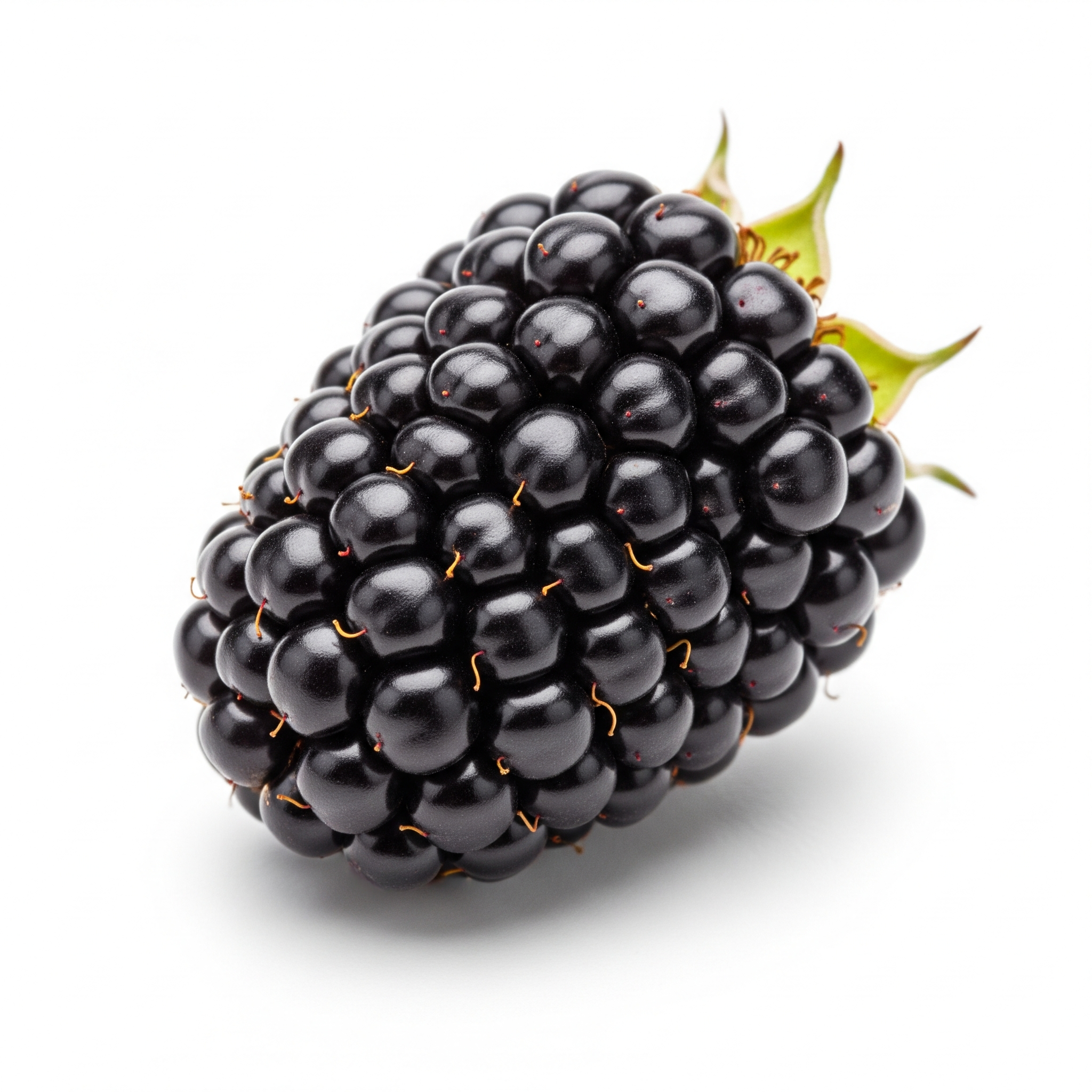
Archival print, museum-grade paper
Buy Poster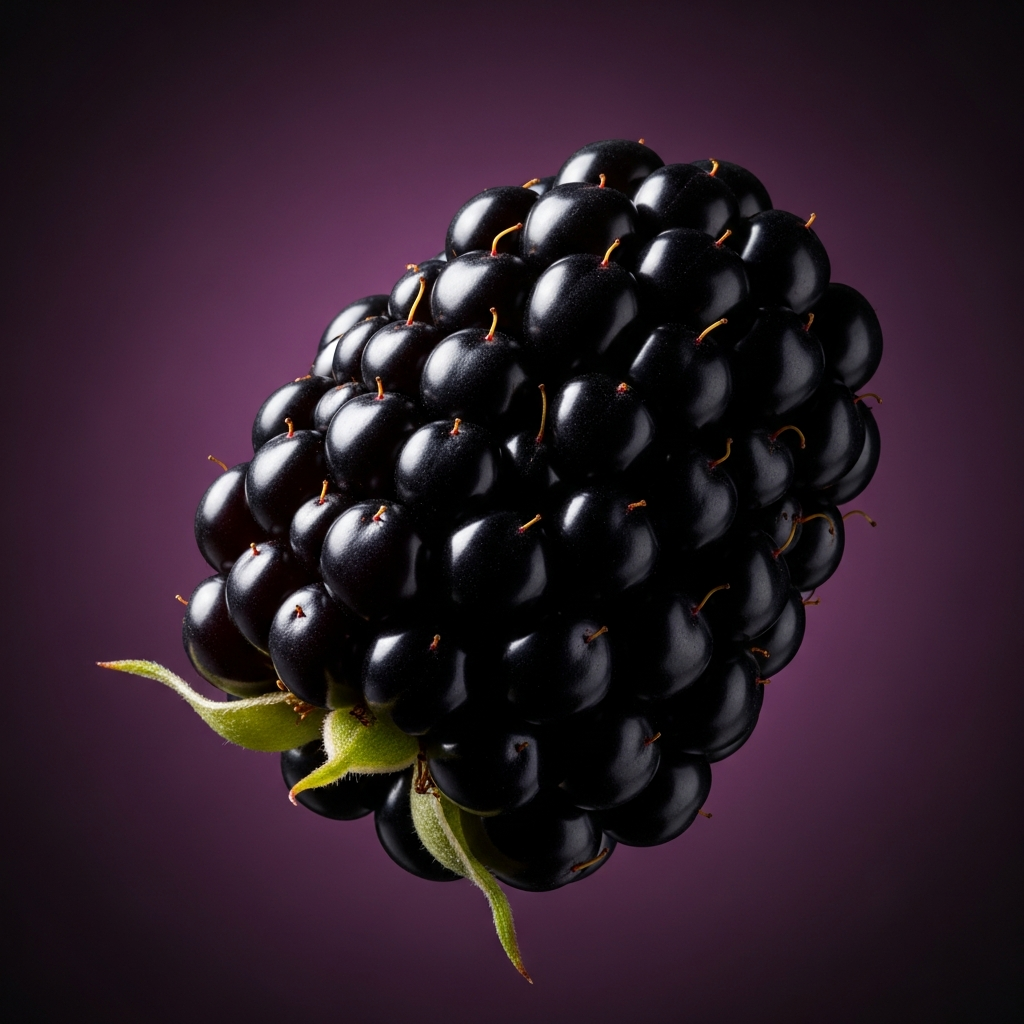
Stoneware mug, dishwasher safe
Buy Mug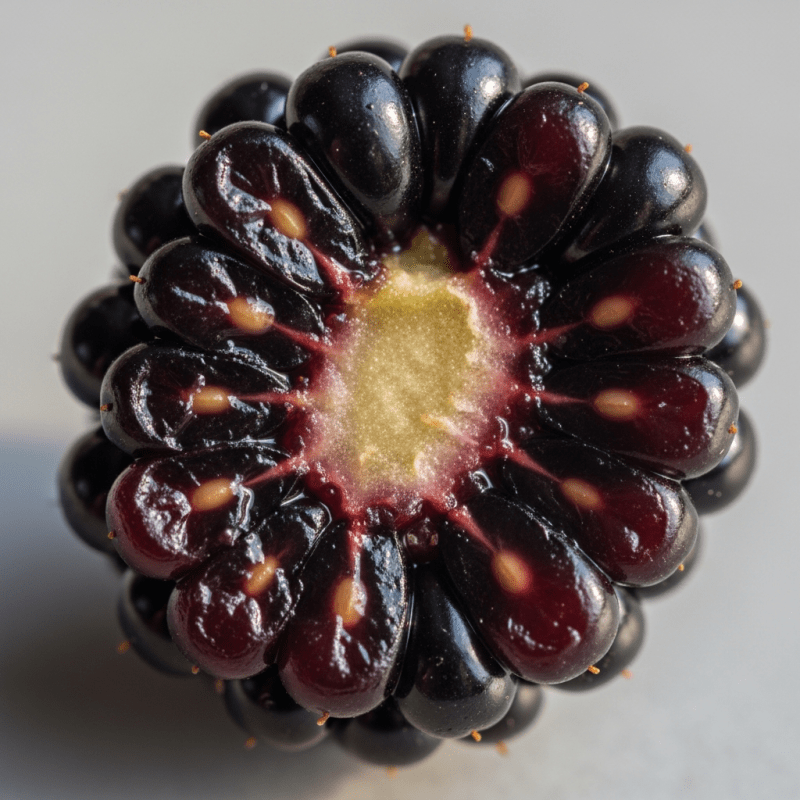
Soft cotton tee, unisex sizes
Buy ShirtBlackberries have deep cultural roots, appearing in folklore, literature, and traditional medicine. In Europe, blackberry picking is a seasonal ritual, and the fruit features in stories and songs as a symbol of abundance and wildness. Blackberry leaves and roots have been used historically for astringent remedies. The plant’s brambly nature is referenced in regional language and myth, and its presence in hedgerows and countryside landscapes has inspired artists and poets alike.
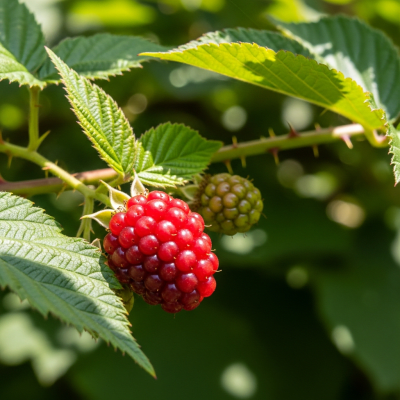
Blackberry plants are perennial, semi-woody shrubs with biennial canes—primocanes grow in the first year and floricanes bear fruit in the second. The fruit is an aggregate of drupelets, each containing a tiny seed. Growth habits vary: some cultivars are erect, others trailing or semi-erect, and can be thorny or thornless. Blackberries spread vigorously via suckers and tip layering, and thrive in well-drained soils and moderate climates. Disease resistance and cold hardiness are improved in many modern cultivars.
Blackberries are celebrated for their nutritional profile, offering high levels of vitamin C, dietary fiber, and anthocyanins—powerful antioxidants that contribute to their deep color and health benefits. Regular consumption supports immune function, digestive health, and may help combat oxidative stress. Their low calorie content and rich micronutrient composition make them a popular choice for balanced diets.
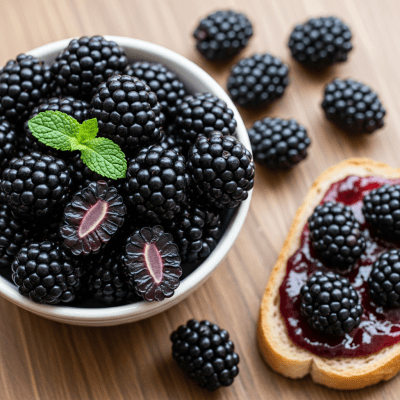
Blackberries shine in both sweet and savory dishes. They are eaten fresh, baked into pies and tarts, blended into smoothies, and cooked down into jams, jellies, and sauces. The fruit is also used in juices, wines, and liqueurs, and can be frozen or dried for year-round use. Their vibrant flavor and color make them a favorite in desserts and breakfast recipes, while their tartness pairs well with meats and cheeses in gourmet preparations.
Blackberries are grown commercially and in home gardens across temperate regions. They require well-drained soils and moderate climates, with chilling needs that vary by cultivar. Plants are propagated via suckers or tip layering and managed for optimal cane growth. Harvest occurs when fruits are fully ripe and deep black, typically in late summer. Commercial yields range from 5 to 20 tons per hectare. The fruit’s delicate nature demands careful handling to minimize bruising and spoilage, and growers often select disease-resistant, thornless varieties for ease of management.
Blackberries hold significant commercial value in North America, Europe, South America, and Asia. They are produced both on large farms and foraged in the wild, with major producers including the United States and the United Kingdom. The fruit is sold fresh, frozen, or processed, and global trade continues to expand as demand for nutrient-rich berries grows. Market grading emphasizes size, color, and firmness, but the short shelf life remains a challenge for distribution.
Regional names and uses for blackberries vary widely. In the UK and Ireland, "bramble" is synonymous with blackberry, while in French-speaking regions, "mûre" is common, and "mora" is used in Spanish and Italian. The term "blackberry" may refer to different Rubus species and hybrids, creating ambiguity in some areas. Traditional recipes and foraging practices differ across continents, reflecting local climate, culture, and species diversity.