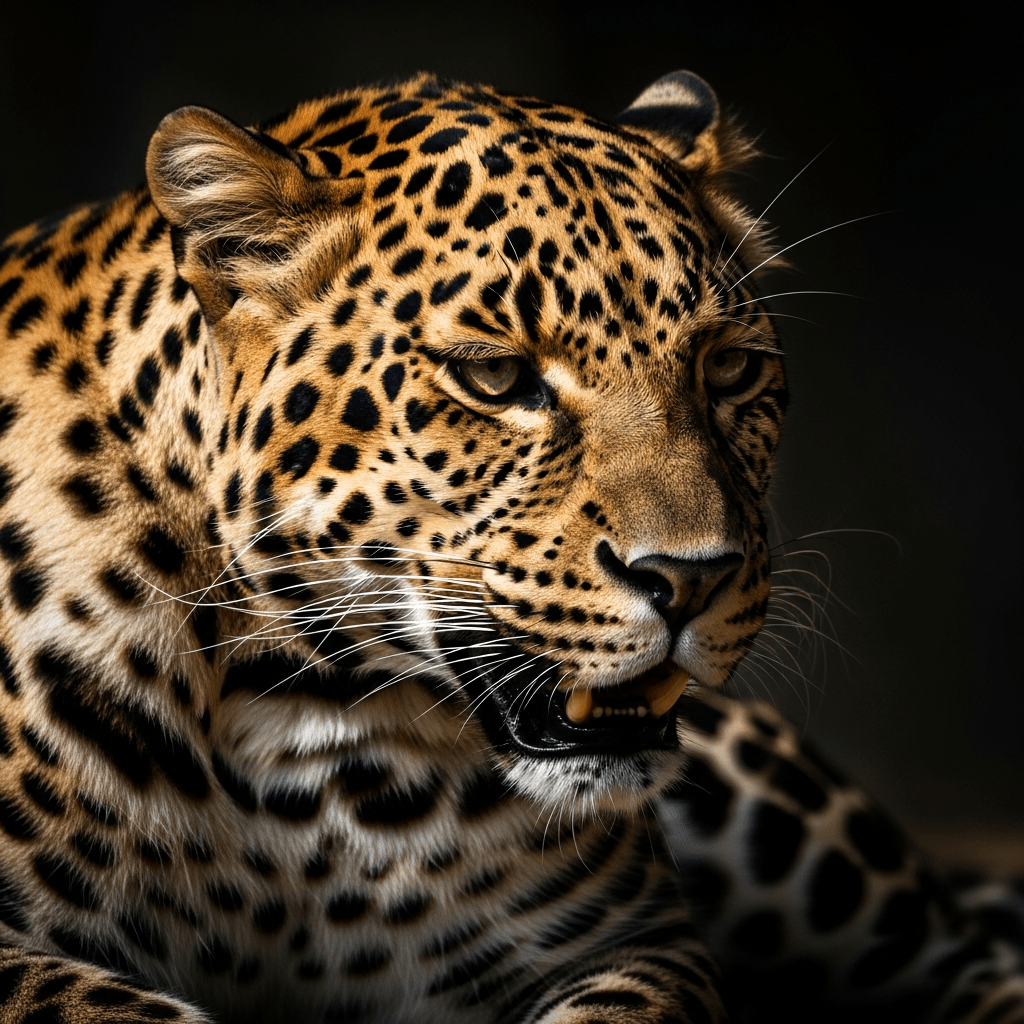
Panthera pardus
The leopard (Panthera pardus) is a large, solitary wild cat famed for its striking rosette-patterned coat and extraordinary adaptability across Africa and Asia.
The leopard (Panthera pardus) is a large, solitary wild cat famed for its striking rosette-patterned coat and extraordinary adaptability across Africa and Asia.
Formally described by Carl Linnaeus in 1758, the leopard’s roots trace to both Africa and Asia, where it evolved as part of the Panthera lineage within the Felidae family. Genetic evidence suggests leopards diverged from other big cats about 2–3 million years ago, adapting to a wide range of environments and giving rise to numerous regional subspecies.
The leopard belongs to the family Felidae, subfamily Pantherinae, and genus Panthera. This places it among the big cats, alongside lions, tigers, jaguars, and snow leopards. Its scientific name is Panthera pardus, and it is further divided into several subspecies based on geography and morphology, such as the Amur, Indian, Sri Lankan, and Arabian leopards.
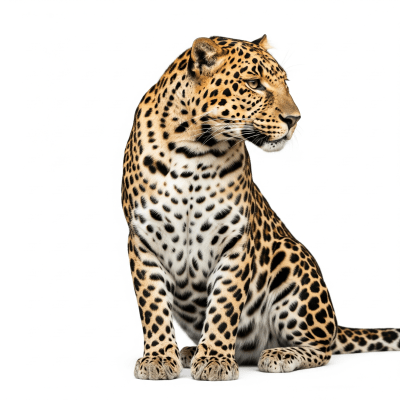
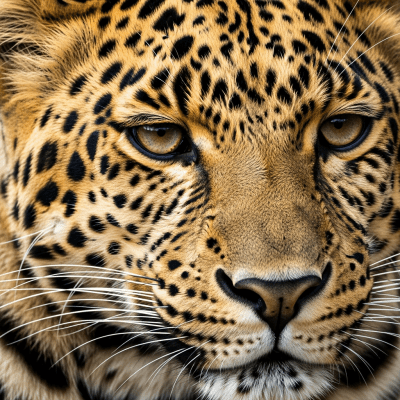
Leopards are medium to large cats, with muscular bodies and long tails for balance. Their short, dense coats range from pale yellow to deep gold or tawny, adorned with distinctive black rosettes and spots. Some populations feature melanistic individuals—"black panthers"—whose coats appear almost entirely black. Males are noticeably larger than females, and the leopard’s powerful limbs and agile build make it an expert climber and swimmer.
Leopards are solitary, elusive carnivores, renowned for their opportunistic hunting style and adaptability. They prey on a wide spectrum of animals, from small rodents to medium-sized antelope, often dragging kills into trees to avoid scavengers. Primarily nocturnal, leopards may also be active by day in undisturbed habitats. Their ability to thrive in diverse and even human-altered landscapes underscores their remarkable versatility.
Bring this kind into your world � illustrated posters, mugs, and shirts.

Archival print, museum-grade paper
Buy Poster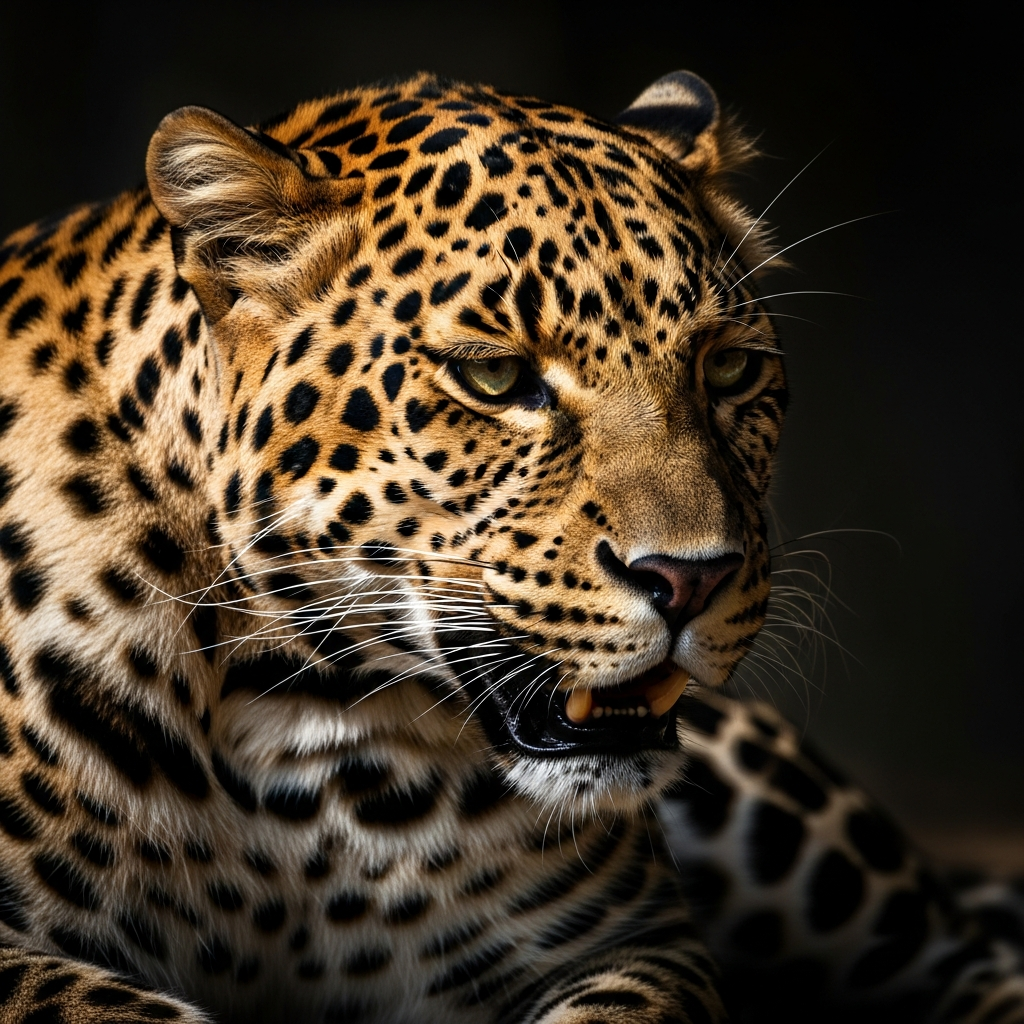
Stoneware mug, dishwasher safe
Buy Mug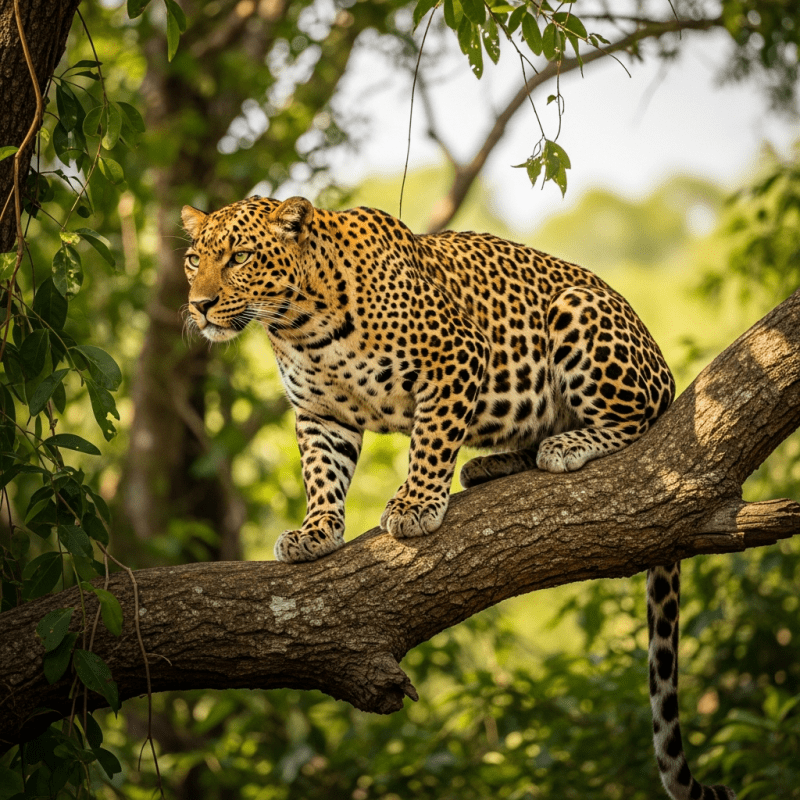
Soft cotton tee, unisex sizes
Buy ShirtThe leopard has long captivated human imagination, appearing in ancient art, mythology, and folklore across Africa, Asia, and Europe. Its image symbolizes stealth, power, and beauty, while the "black panther" variant has become an icon in modern culture and media. Leopards feature in traditional stories, royal emblems, and contemporary conservation campaigns, reflecting both reverence and concern for their survival.
Historically, leopards roamed across sub-Saharan Africa, North Africa, the Middle East, Central and South Asia, Southeast Asia, China, and the Russian Far East. Today, their range is highly fragmented, with strong populations in sub-Saharan Africa and pockets in South and Southeast Asia. They are extinct or nearly extinct in North Africa, the Middle East, and much of China, reflecting the impact of habitat loss and human pressures.
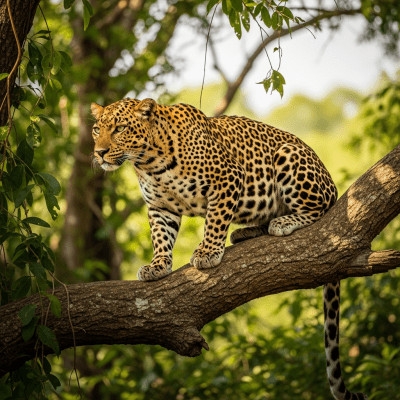
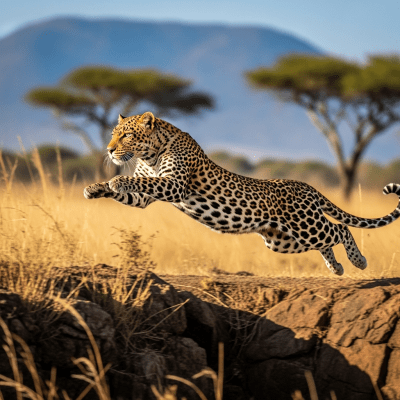
Leopards thrive in a remarkable array of habitats: savannas, grasslands, tropical and temperate forests, shrublands, deserts, and mountains up to 5,700 meters. Their ecological role as apex or mesopredators helps regulate prey populations and maintain ecosystem balance. Adaptable to human-modified landscapes, leopards are resilient but increasingly challenged by shrinking wild spaces and declining prey.
Globally, the leopard is listed as Vulnerable on the IUCN Red List, meaning it faces a high risk of extinction in the wild. Some subspecies, such as the Amur leopard, are classified as Critically Endangered due to severe population declines and habitat fragmentation. Conservation efforts focus on habitat protection, anti-poaching measures, and maintaining genetic diversity.
Leopards face a suite of threats: habitat loss and fragmentation, human-wildlife conflict, poaching for skins and body parts, declining prey populations, and illegal hunting. Retaliatory killings often occur when leopards prey on livestock, and the illegal wildlife trade continues to endanger their survival, especially in regions where law enforcement is weak.
Leopards possess exceptional stealth, agility, and strength, enabling them to hunt efficiently and evade danger. Their powerful limbs and long tails aid in climbing and balancing, while their versatile diet and behavioral flexibility allow them to exploit a wide range of habitats—including those altered by humans. Melanism in some populations provides camouflage in dense forests.
Leopards breed year-round, with a gestation period of 90–105 days. Females give birth to litters of 2–4 cubs, which are born blind and helpless. Cubs remain hidden for several weeks, gradually learning to hunt and survive under maternal care for up to two years. Leopards reach maturity at around 2–3 years, and their solitary nature continues throughout adulthood.
Numerous other subspecies have been described, though their exact boundaries remain debated among scientists.
Genetic research has sequenced the leopard’s genome, revealing close evolutionary ties to lions and jaguars. DNA studies confirm distinct subspecies, especially the Amur, Javan, and Sri Lankan leopards, and highlight declining genetic diversity in isolated populations. Genetic markers are vital for conservation and forensic investigations, helping to track poaching and manage breeding programs.