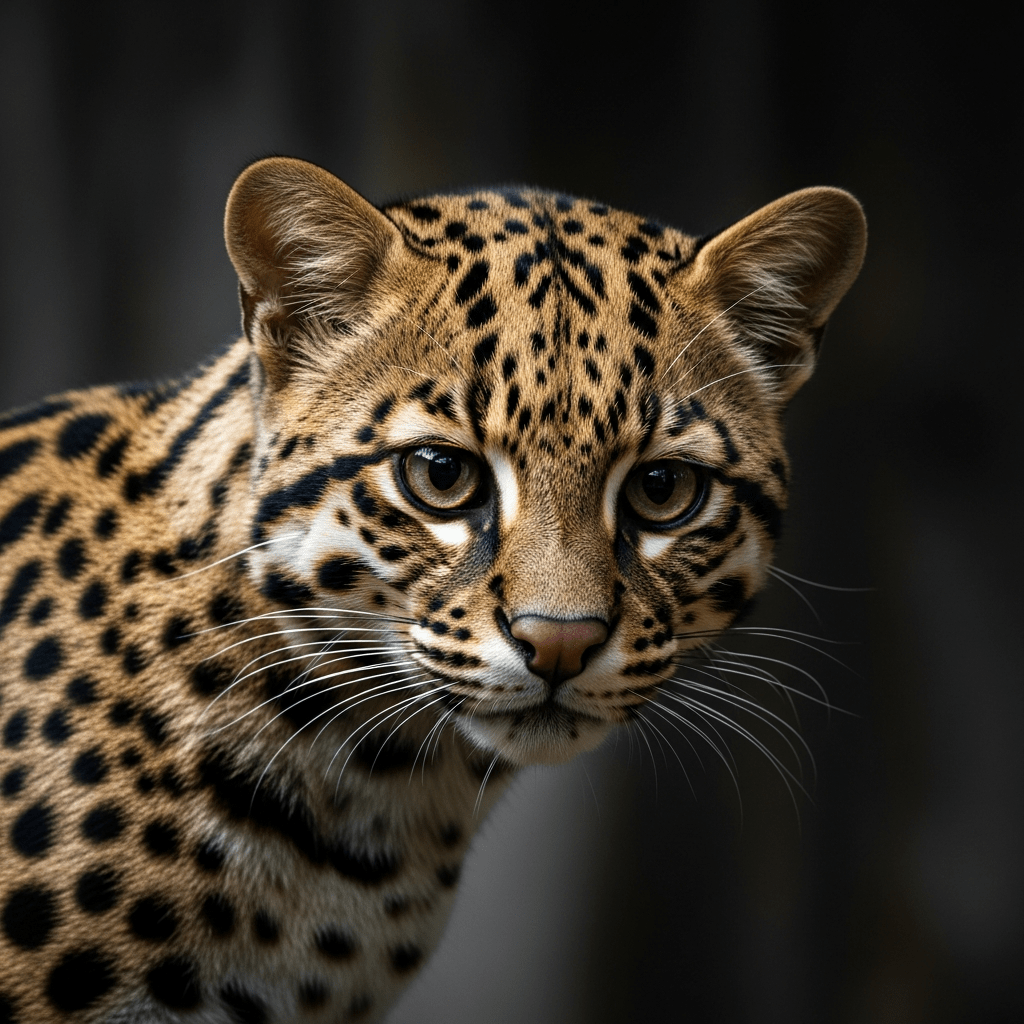
Leopardus geoffroyi
Geoffroy's Cat (Leopardus geoffroyi) is a small, solitary wild feline native to southern South America, recognized for its striking spotted coat and remarkable adaptability across diverse habitats.
Geoffroy's Cat (Leopardus geoffroyi) is a small, solitary wild feline native to southern South America, recognized for its striking spotted coat and remarkable adaptability across diverse habitats.
Geoffroy's Cat was first described in 1832 by French naturalist Achille Valenciennes, who named the species in honor of zoologist Étienne Geoffroy Saint-Hilaire. The original specimens came from Paraguay, marking the type locality in southern South America. Its evolutionary lineage places it within the genus Leopardus, closely related to the Pampas Cat and Kodkod. While regional variation exists, no subspecies are officially recognized, reflecting a stable taxonomic history despite some historical confusion with nearby species.
Belonging to the family Felidae and subfamily Felinae, Geoffroy's Cat is classified under the genus Leopardus as the species geoffroyi. This places it among the small to medium-sized South American wild cats, sharing close genetic ties with the Pampas Cat and Kodkod. Its stable placement within Leopardus is supported by both morphological and genetic evidence, and it is distinguished from other felines by its unique coat pattern and ecological niche.
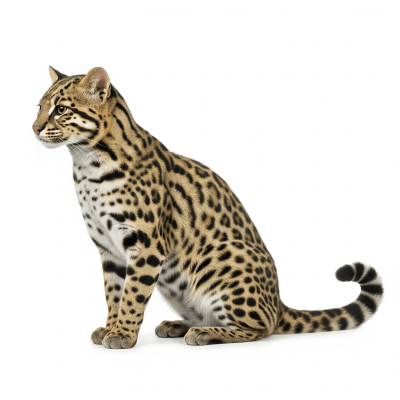
Geoffroy's Cat is a compact, agile feline, typically weighing between 2.3 and 7.8 kg and measuring 60–90 cm in length, with a tail spanning 31–51 cm. Its coat features bold black spots and stripes set against a background that ranges from grayish to yellowish-brown; rare melanistic (black) individuals also occur. The face is marked by prominent black lines running from the eyes to the nose, and the tail is ringed with dark bands. Males are slightly larger than females, but sexual dimorphism is minimal. The cat's lithe build, retractable claws, and cryptic coloration make it well-suited for stealth and agility.
Primarily nocturnal and solitary, Geoffroy's Cat is a secretive hunter, defending territories and relying on its acute senses to locate prey. It is an adept climber and swimmer, preying on rodents, birds, reptiles, and insects. The species is highly adaptable, thriving in natural and human-modified landscapes alike. Its ecological role as a mesopredator helps regulate populations of small vertebrates, contributing to ecosystem balance. Geoffroy's Cat rarely interacts directly with humans, but its tolerance of agricultural and edge habitats has allowed it to persist even as environments change.
Bring this kind into your world � illustrated posters, mugs, and shirts.

Archival print, museum-grade paper
Buy Poster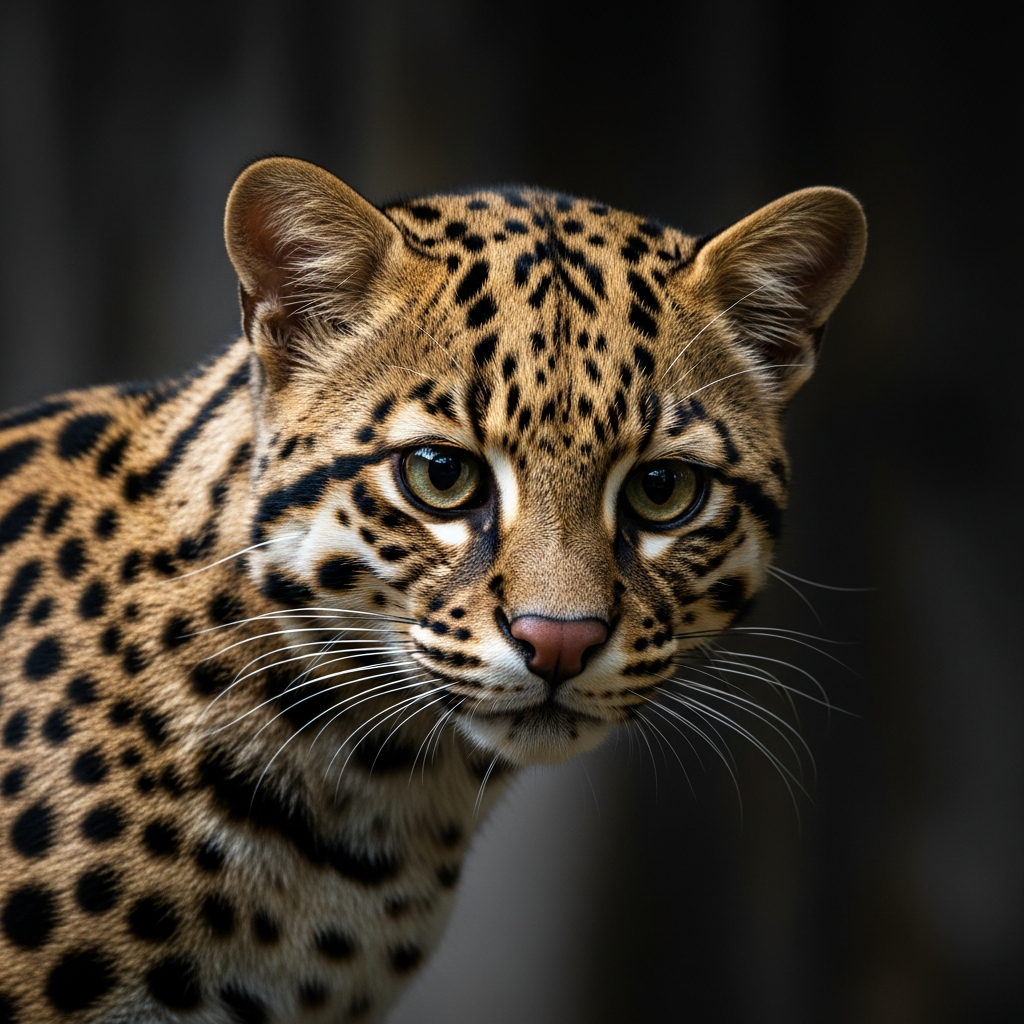
Stoneware mug, dishwasher safe
Buy Mug
Soft cotton tee, unisex sizes
Buy ShirtGeoffroy's Cat holds regional significance in South American folklore and rural culture, often referred to as "Gato montés" or "Gato do mato." Historically, its pelts were sought after, influencing local economies and conservation efforts. While not as prominent in global art or mythology as larger felines, it is respected for its elusive nature and adaptability, sometimes symbolizing wildness and resilience in local narratives.
Geoffroy's Cat ranges across southern Bolivia and Brazil, Paraguay, Uruguay, much of Argentina, and Chile, from sea level up to 3,300 meters in the Andes. Its historical and current distribution covers a broad swath of southern South America, making it one of the region's most successful small wild cats.
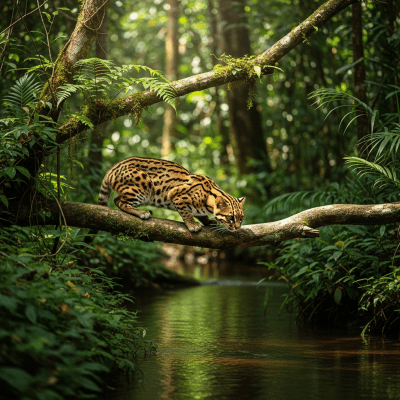
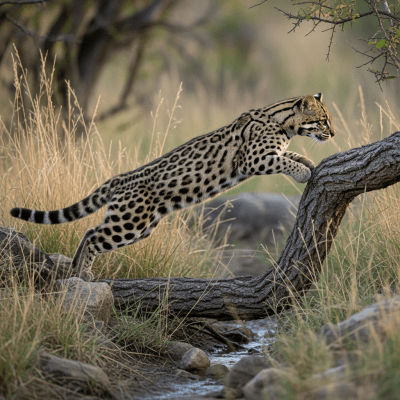
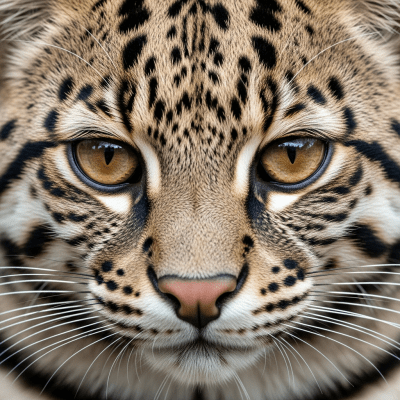
This species thrives in scrublands, grasslands (pampas), forests, and wetlands, showing remarkable tolerance for human-modified landscapes. It is less common in arid regions and dense forests. As a mesopredator, Geoffroy's Cat plays a key ecological role by controlling populations of small mammals and birds, and its adaptability allows it to persist in fragmented or changing environments.
Geoffroy's Cat is listed as Least Concern on the IUCN Red List (2020), reflecting its wide distribution and presumed large population. However, some local populations are declining due to habitat loss and other pressures. Protection under CITES Appendix I in certain countries helps safeguard the species from international trade threats.
Major threats to Geoffroy's Cat include habitat loss from agricultural expansion, hunting for pelts (especially in the past), road mortality, and fragmentation of its natural environments. While the species is adaptable, ongoing habitat conversion and human encroachment continue to pose significant challenges to its long-term survival in parts of its range.
Geoffroy's Cat is equipped with acute senses, retractable claws, and cryptic coloration that provides effective camouflage. Its agility as a climber and swimmer enables it to exploit varied habitats, while its tolerance of human-altered landscapes is a key factor in its resilience. These adaptations support its solitary, nocturnal lifestyle and predatory efficiency.
Reproduction in Geoffroy's Cat occurs year-round, with a gestation period of about 72–78 days. Females typically give birth to 1–3 kittens per litter. Kittens are cared for by the mother until they are old enough to disperse and establish their own territories. Lifespan in the wild averages 8–10 years, while captive individuals may live up to 18 years.
There are no officially recognized subspecies or breeds of Geoffroy's Cat. While some regional morphological variation has been observed, these differences are not sufficient for formal subspecies designation. The species is considered taxonomically stable across its range.
Genetic research places Geoffroy's Cat firmly within the genus Leopardus, closely related to the Pampas Cat and Kodkod. Mitochondrial DNA studies reveal moderate genetic diversity and some population structure linked to geographic barriers. DNA barcodes (COI, cytb) are available, and the chromosomal number is 2n=36. Hybridization with domestic cats is rare, and while the complete genome has not yet been published, genetic data from NCBI and BOLD databases continue to enrich understanding of this species' evolutionary history.