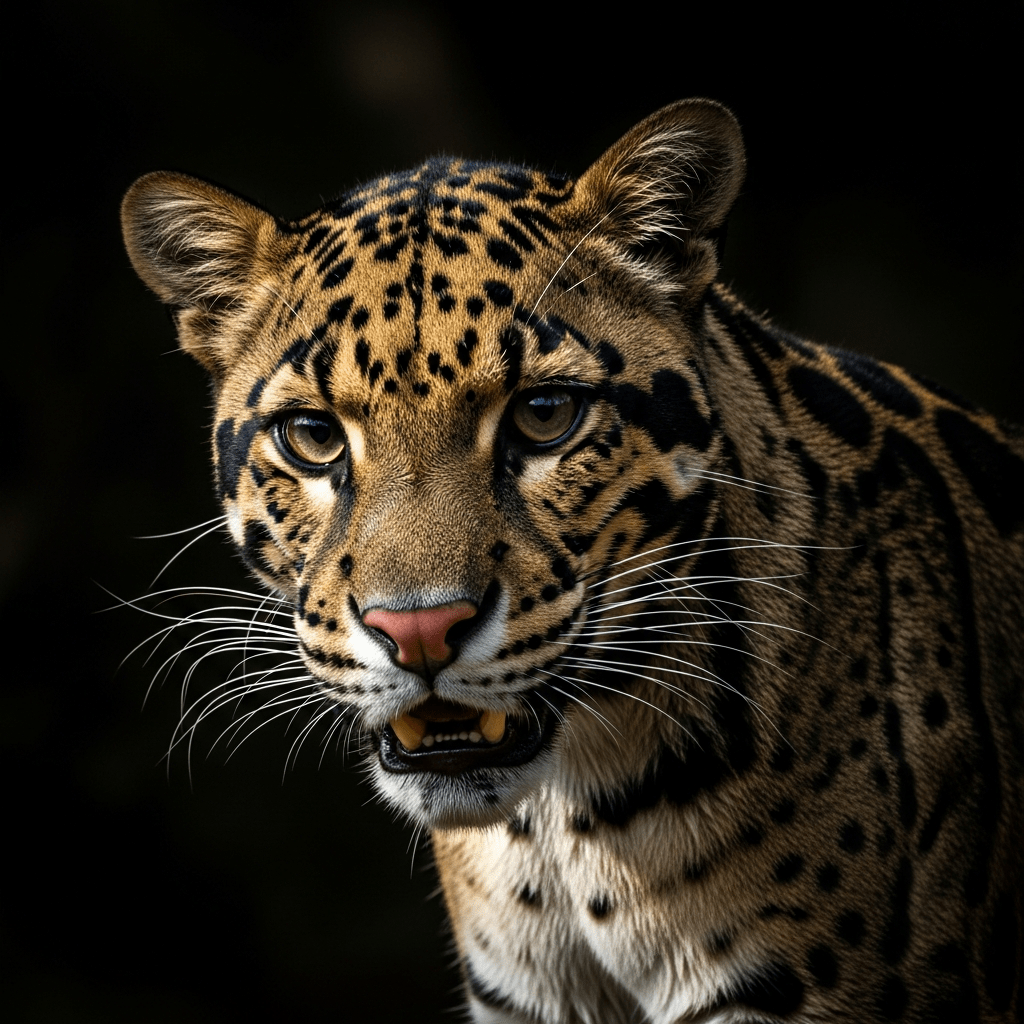
Neofelis nebulosa
The clouded leopard (Neofelis nebulosa) is a medium-sized wild cat of Southeast Asia, instantly recognized by its dramatic cloud-shaped markings and remarkable climbing abilities.
The clouded leopard (Neofelis nebulosa) is a medium-sized wild cat of Southeast Asia, instantly recognized by its dramatic cloud-shaped markings and remarkable climbing abilities.
First described by Edward Griffith in 1821, the clouded leopard hails from the forests of Southeast Asia. Its lineage diverged from other large cats around six million years ago, making it the most ancient member of the Pantherinae subfamily. Fossil and genetic evidence confirm its distinct evolutionary path, separate from both true leopards and the closely related Sunda clouded leopard.
Belonging to the family Felidae and subfamily Pantherinae, Neofelis nebulosa stands apart as the most basal pantherine cat. Its genus, Neofelis, is defined by unique morphological and genetic traits, distinguishing it from other big cats such as lions, tigers, and leopards. The species is not a hybrid but a distinct evolutionary branch within the cat family.
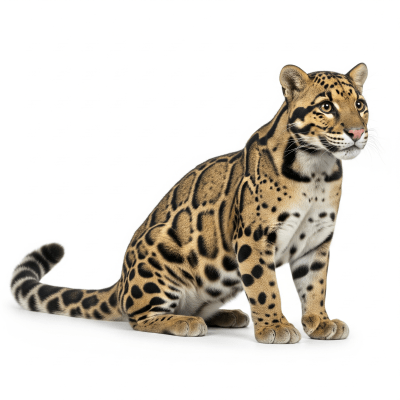
The clouded leopard’s coat is a tapestry of yellowish to gray fur adorned with large, cloud-shaped dark markings bordered in black, offering superb camouflage in dense forests. Adults weigh 16–23 kg (35–50 lbs) and measure 68–108 cm (27–43 in) in body length, with a tail almost as long as their body. Their most striking feature is the exceptionally long upper canine teeth—up to 4 cm—evoking the saber-toothed cats of prehistory. Short, powerful legs, large paws, and a long, balancing tail make them masters of arboreal movement.
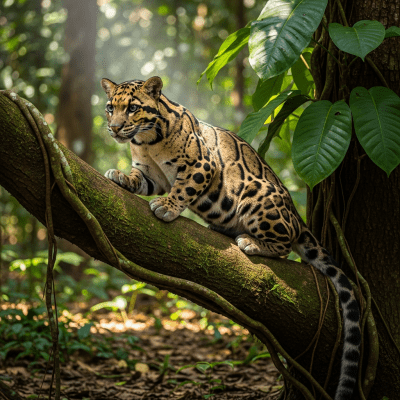
Clouded leopards are solitary, elusive, and predominantly nocturnal. Their agility allows them to climb trees with ease, even descending headfirst or hanging from branches by their hind feet. They hunt both in trees and on the ground, preying on birds, primates, deer, and small mammals. Unlike many felines, they rarely interact with humans and are seldom seen in the wild, emphasizing their secretive nature and ecological role as skilled forest hunters.
Bring this kind into your world � illustrated posters, mugs, and shirts.
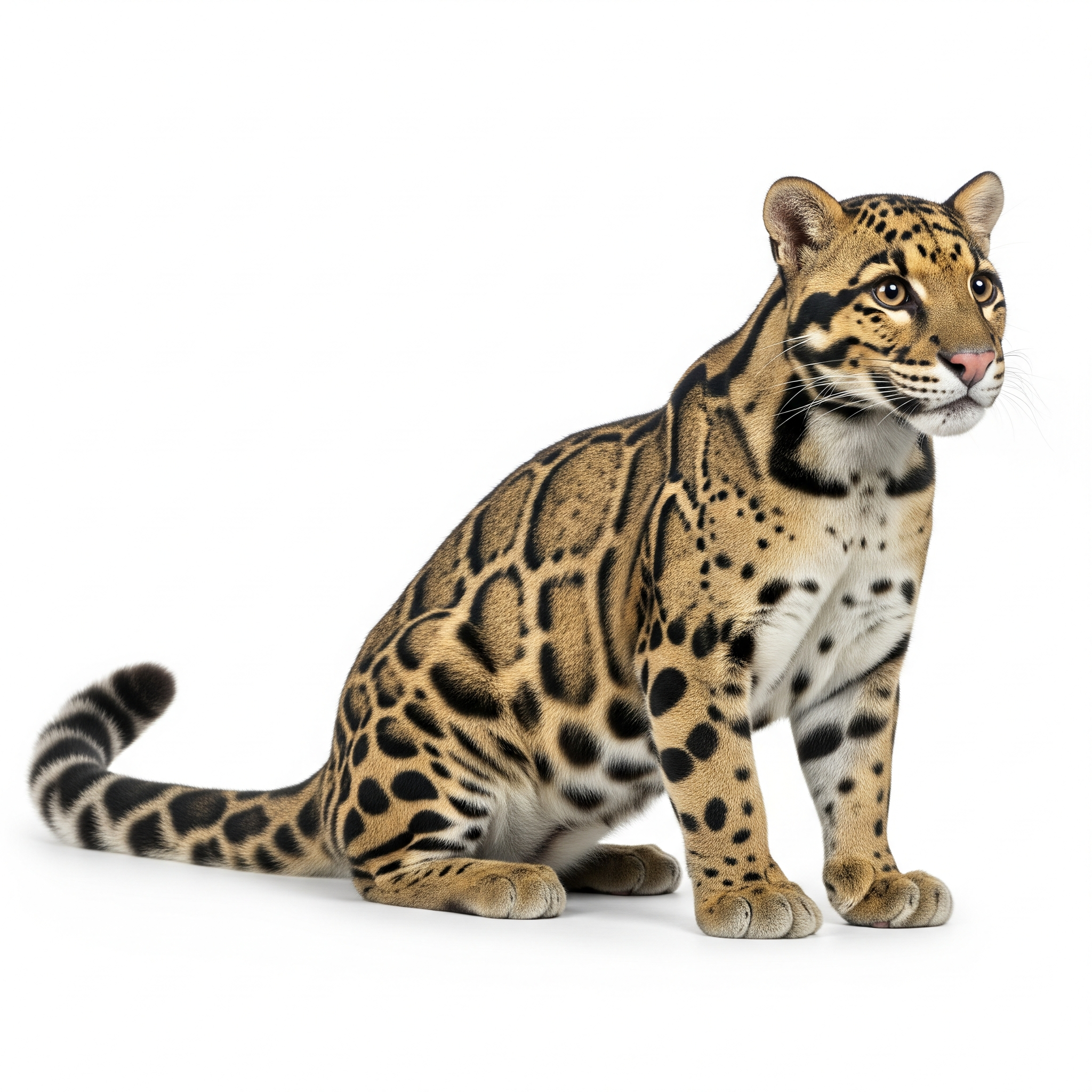
Archival print, museum-grade paper
Buy Poster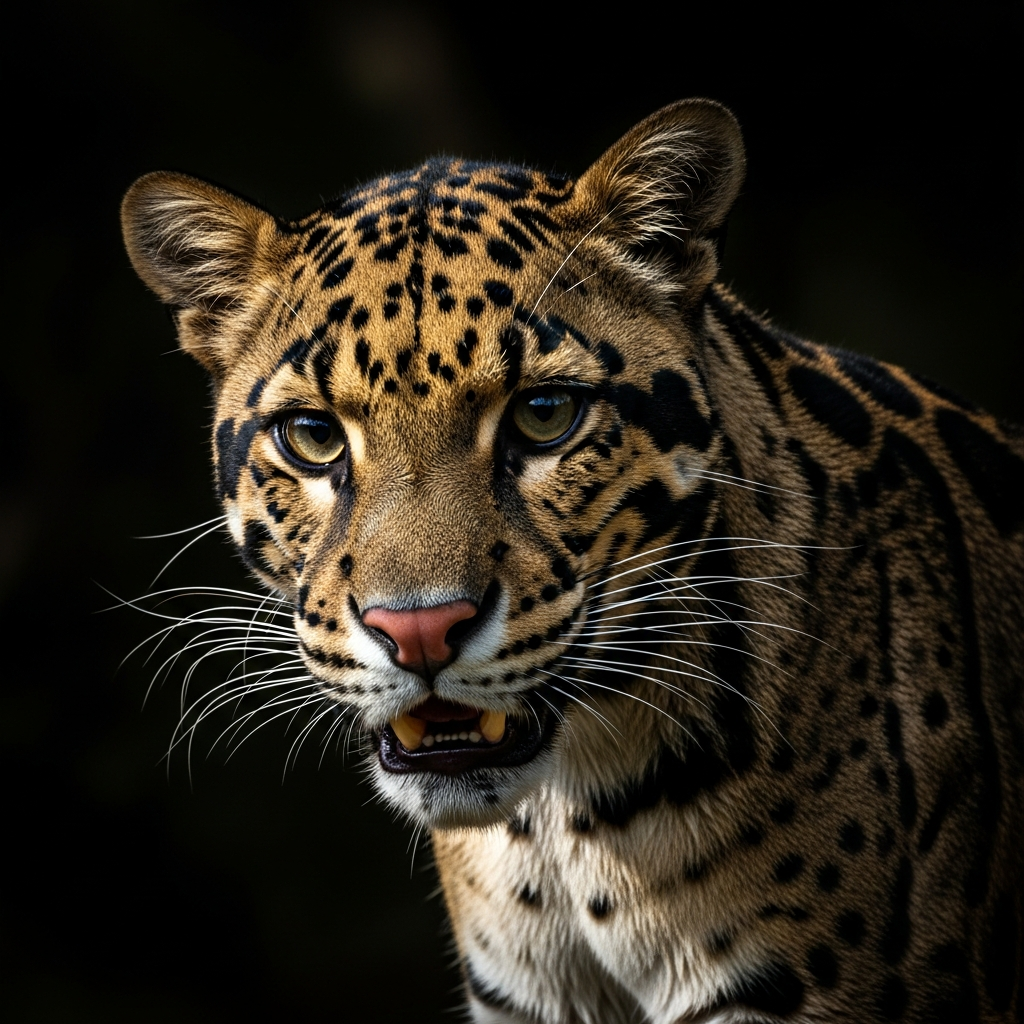
Stoneware mug, dishwasher safe
Buy Mug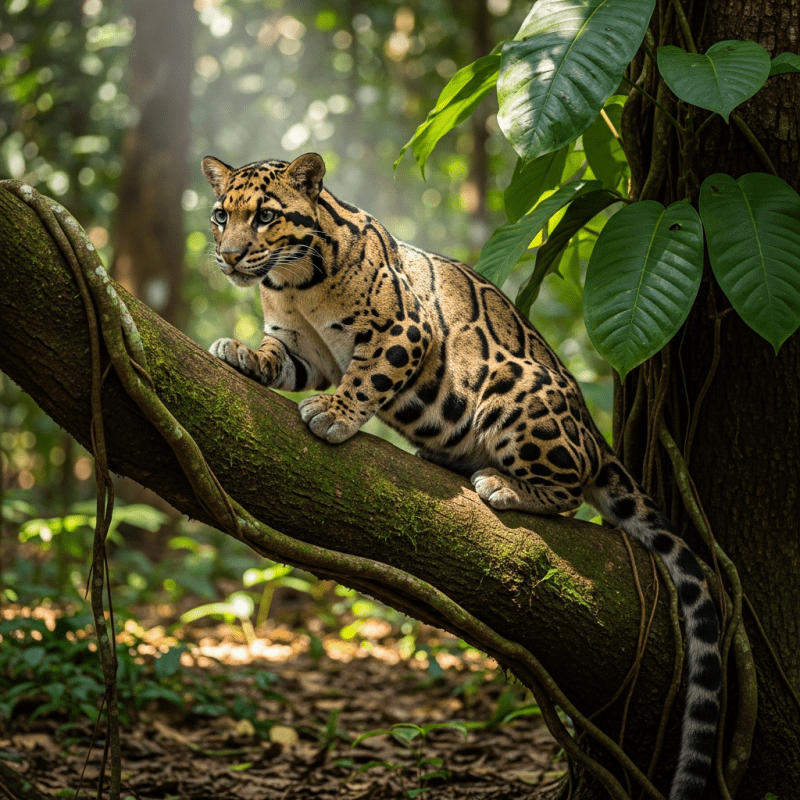
Soft cotton tee, unisex sizes
Buy ShirtIn local folklore, the clouded leopard is sometimes called the “tree tiger” for its prowess among the branches. Its striking appearance has inspired art and myth across Southeast Asia, often symbolizing stealth, mystery, and the untamed spirit of the jungle. While not as prominent in global popular culture as lions or tigers, it remains a revered and enigmatic figure in regional traditions.
Clouded leopards are native to the Himalayan foothills of Nepal and Bhutan, northeastern India, Myanmar, southern China, Indochina (Thailand, Laos, Cambodia, Vietnam), and peninsular Malaysia. Historically, their range included Taiwan, though the local subspecies is now extinct. Today, their populations are fragmented but persist in forested regions throughout Southeast Asia.
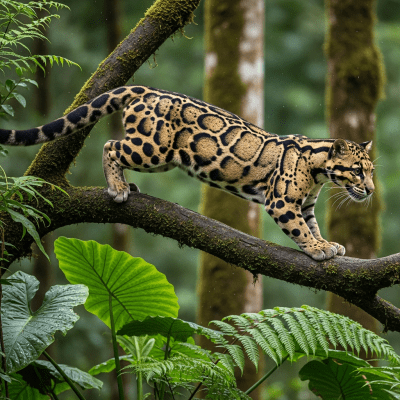

These felids favor primary evergreen forests, but are also found in secondary forests, grasslands, and scrub habitats up to 3,000 meters elevation. Their ecological niche is as stealthy, arboreal predators, controlling populations of birds, primates, and small mammals. Their camouflage and climbing adaptations allow them to hunt and evade threats in dense, multi-layered forest environments.
The clouded leopard is listed as Vulnerable by the IUCN Red List, with fewer than 10,000 mature individuals estimated in the wild. This status reflects ongoing population decline due to habitat loss, poaching, and prey depletion. Conservation initiatives focus on protected area management, anti-poaching enforcement, and breeding programs to stabilize and recover populations.
Major threats to clouded leopards include deforestation, habitat fragmentation, illegal wildlife trade (especially for pelts and bones), and depletion of prey species. Human-wildlife conflict and expanding agriculture further erode their habitat. These pressures have led to population declines and increased risk of local extinctions, particularly in regions with rapid development.
Clouded leopards possess exceptional arboreal adaptations: short, muscular legs, large paws for gripping, and a long tail for balance. Their ability to climb and descend trees headfirst, combined with powerful jaws and elongated canines, enable them to hunt both in the canopy and on the forest floor. These traits make them uniquely suited for life in dense, multi-tiered forests.
Females experience a gestation period of 85–93 days, giving birth to litters of 1–5 cubs. Cubs are born blind and helpless, relying on maternal care for warmth and nourishment. Within a few months, they develop climbing abilities essential for survival in their arboreal habitat. Clouded leopards reach maturity after several years, maintaining a solitary lifestyle throughout adulthood.
The primary species is Neofelis nebulosa. Notably, the extinct subspecies Neofelis nebulosa brachyura was native to Taiwan. Regional variation exists, but subspecies boundaries are debated among experts. The Sunda clouded leopard (Neofelis diardi), once considered a subspecies, is now recognized as a separate species found in Borneo and Sumatra.
Genetic research places Neofelis nebulosa as the earliest diverging member of Pantherinae, sister to Neofelis diardi. Analyses of mitochondrial DNA and nuclear genes confirm its distinctiveness from other big cats. Partial genome data and DNA barcodes are available, supporting ongoing studies of population structure and genetic diversity, crucial for conservation planning.