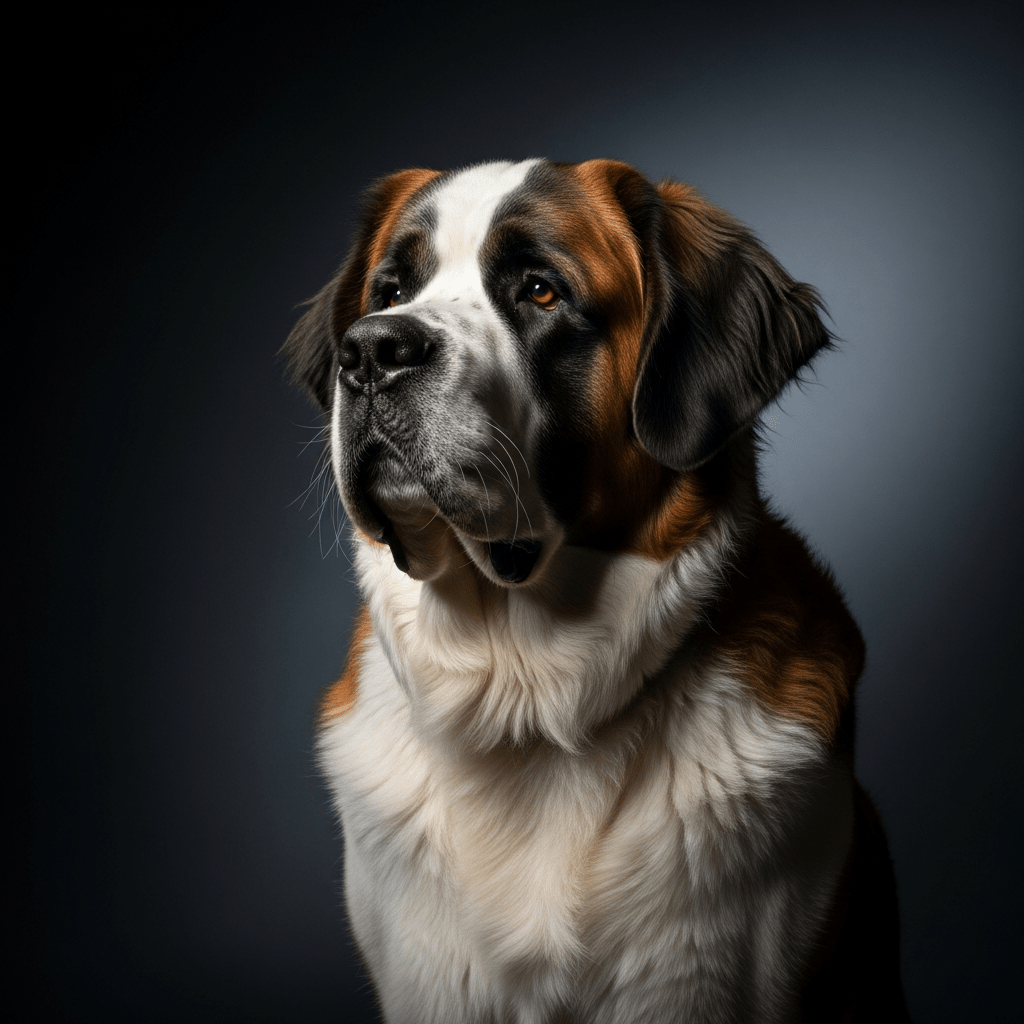
Saint Bernard
The Saint Bernard is a giant working dog breed famed for its legendary alpine rescue heritage, gentle temperament, and imposing stature.
The Saint Bernard is a giant working dog breed famed for its legendary alpine rescue heritage, gentle temperament, and imposing stature.
Originating in the Western Alps of Switzerland and Italy, the Saint Bernard was developed by monks at the hospice of the Great St Bernard Pass, beginning in the 11th century. By crossing native Alpine dogs with Mastiff-type dogs brought from Rome, the monks bred a robust, weather-resistant companion for search and rescue in snowy conditions. Formal breeding records date to the late 17th century, marking the breed's emergence as a lifesaving presence in treacherous mountain terrain.
The Saint Bernard belongs to the Canis lupus familiaris species within the Canidae family. It is classified as a giant working breed and is grouped under 'Working Dogs' by major kennel clubs such as the AKC, FCI, and The Kennel Club (UK). Its lineage reflects a blend of Alpine and Mastiff ancestry, bred for strength, endurance, and utility in harsh environments.
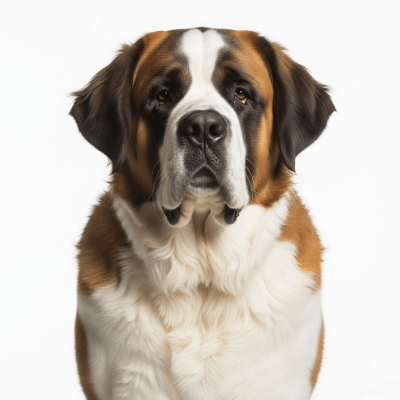
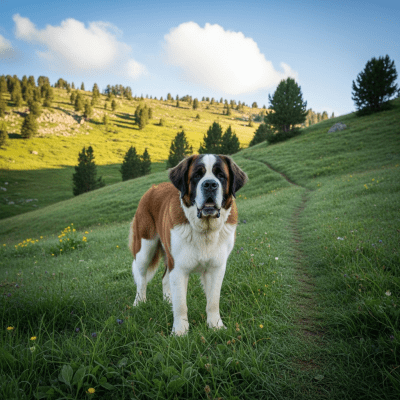
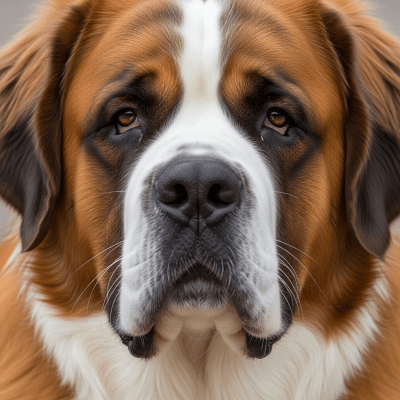
With a massive, muscular build and a broad, expressive head, the Saint Bernard is instantly recognizable. Its thick, weather-resistant coat can be short or long, typically white adorned with red, brown, or brindle markings. The breed’s pronounced stop, soulful dark eyes, and powerful frame evoke both strength and warmth, while its overall form radiates a gentle, approachable presence.
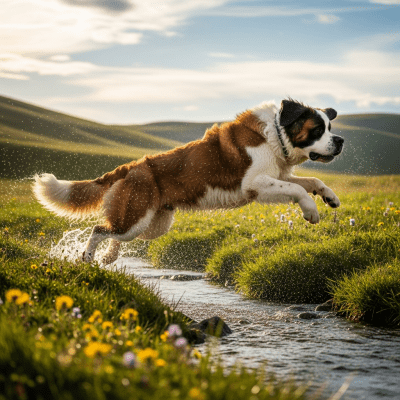
Saint Bernards are renowned for their calm, patient, and friendly nature. Historically, they excelled as alpine rescue dogs, navigating snowdrifts to locate and assist lost travelers. Today, their gentle disposition makes them cherished family companions, therapy animals, and participants in search and rescue demonstrations. While they thrive in spacious environments, they require moderate exercise and regular interaction to remain healthy and content.
Bring this kind into your world � illustrated posters, mugs, and shirts.
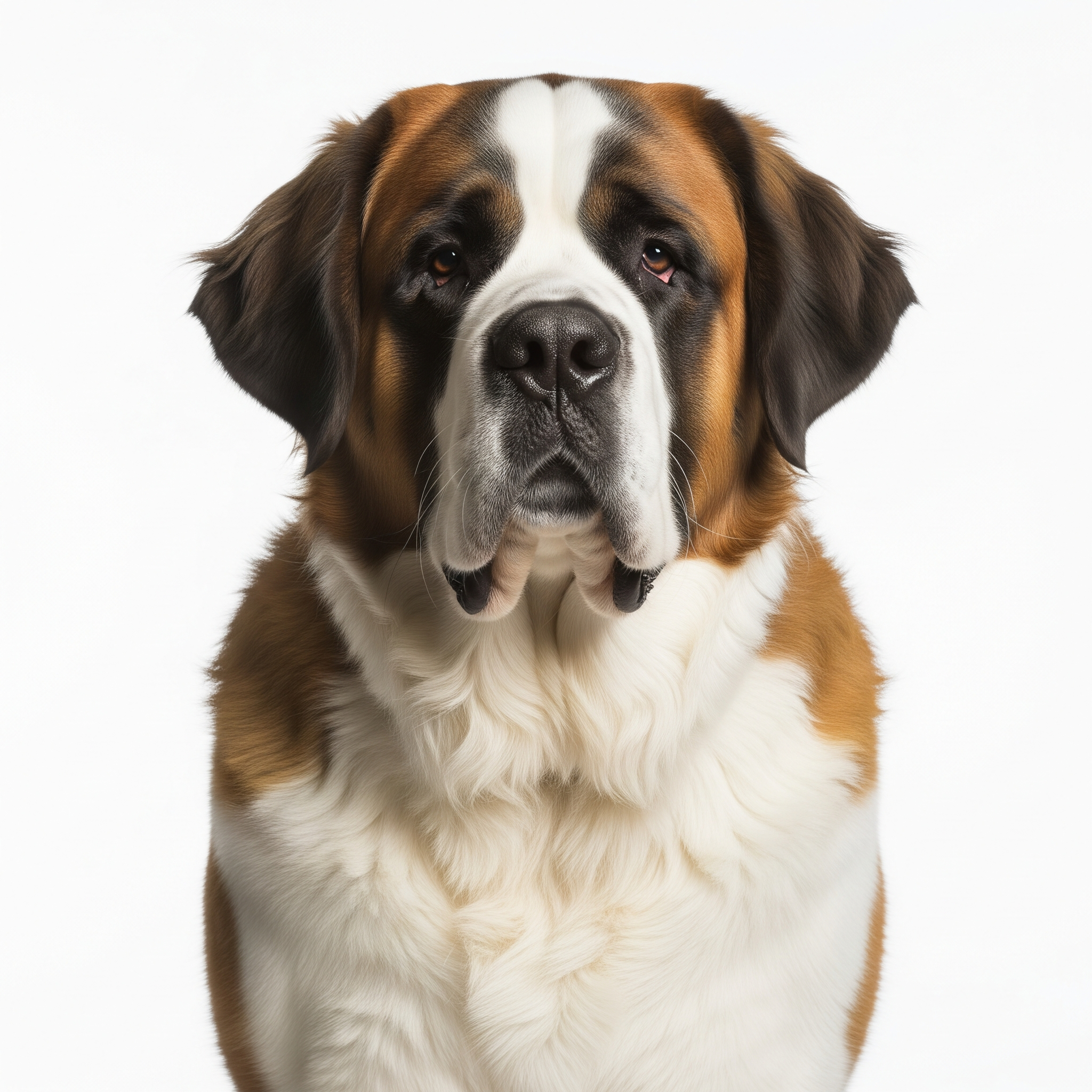
Archival print, museum-grade paper
Buy Poster
Stoneware mug, dishwasher safe
Buy Mug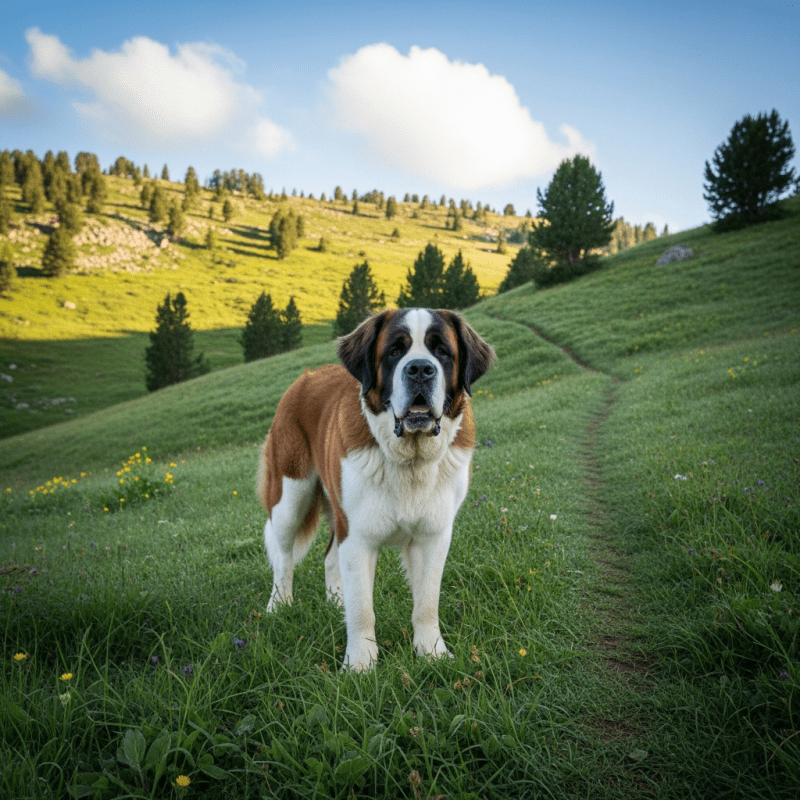
Soft cotton tee, unisex sizes
Buy ShirtThe Saint Bernard is a global icon of loyalty, heroism, and compassion. Its storied history as a lifesaver in the Swiss Alps has inspired countless works of art, literature, and film. The breed’s image—often depicted with a barrel around its neck—symbolizes hope and rescue, making it a beloved figure in popular culture and a mascot for alpine safety.
All major organizations recognize the Saint Bernard as a distinct breed, with standards established in the late 19th and early 20th centuries.


The breed is known by these names in various countries and kennel club registries.
The Saint Bernard is classified as a giant breed. Males typically stand 71–76 cm at the shoulder and weigh 64–82 kg, with females slightly smaller. Their massive size and sturdy build are hallmarks of the breed.
Saint Bernards sport a dense, weather-resistant coat that can be either short or long. Common color patterns include white with red, brown, or brindle markings, contributing to their iconic alpine look.
Known for their gentle, patient, and friendly demeanor, Saint Bernards are family-oriented and generally eager to please. While responsive to training, they can be stubborn, so early socialization and consistent, gentle methods are recommended to foster their best behavior.
Saint Bernards typically live 8–10 years. Common health concerns include hip dysplasia, heart problems, and bloat. Owners should provide regular veterinary care and monitor for breed-specific issues to support their wellbeing.
While the Saint Bernard is largely standardized, slight differences in coat type and size exist between European and American lines. These distinctions are minor, with both variants retaining the breed’s hallmark traits of strength, gentleness, and iconic appearance.