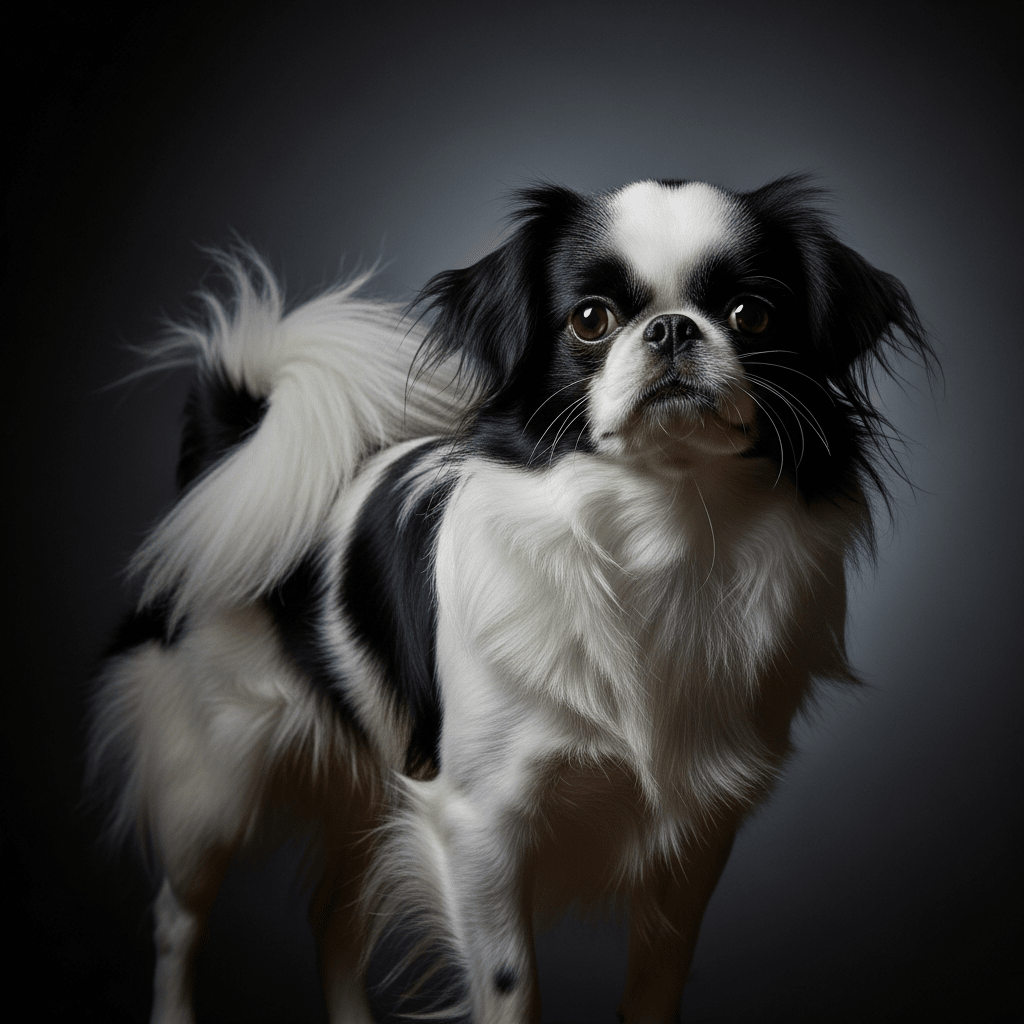
Japanese Chin
The Japanese Chin is a refined toy breed cherished for its elegant appearance, aristocratic history, and affectionate nature as a companion dog.
The Japanese Chin is a refined toy breed cherished for its elegant appearance, aristocratic history, and affectionate nature as a companion dog.
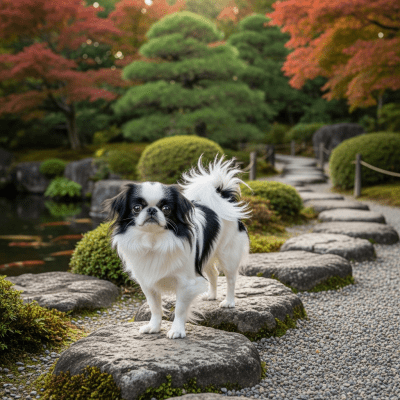
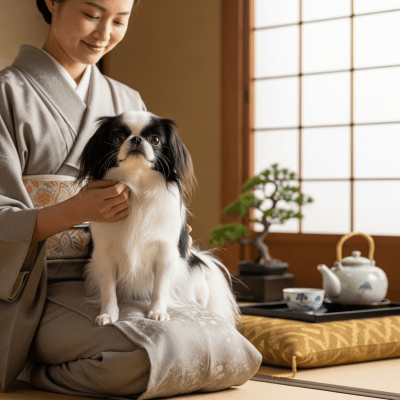
Originating in ancient Asia, the Japanese Chin traces its roots to China before being embraced and refined by Japanese nobility. Historical records suggest the breed arrived in Japan as early as the 8th century, often as a treasured gift to royalty. Selective breeding of small companion dogs shaped its distinct features, with no Western crossbreeding documented until the 19th century. The Japanese Chin’s legacy is deeply intertwined with the courts and palaces of Japan, where it was regarded as a symbol of elegance and status.
The Japanese Chin belongs to the toy group of domestic dogs, classified under Canis lupus familiaris. Recognized by major authorities such as the American Kennel Club (AKC), Fédération Cynologique Internationale (FCI), and The Kennel Club (UK), it stands apart as a distinct breed, celebrated for its companion role and delicate stature within the broader family of canines.
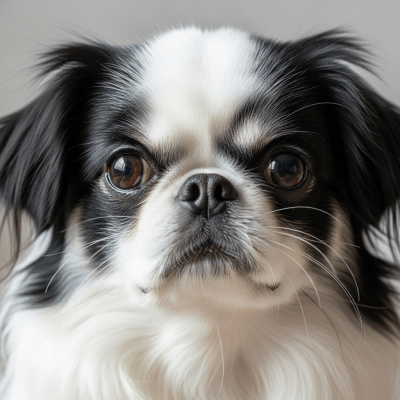
This breed is instantly recognizable for its compact, toy-sized build, broad rounded head, and short muzzle. The Japanese Chin boasts a luxurious, silky, and straight coat that forms a dramatic mane around the neck and elegant feathering on the tail and legs. Its large, dark, wide-set eyes lend an expressive, almost human-like gaze. Common coat colors include black and white, red and white, lemon and white, and sable and white, all contributing to its regal and graceful presence.
Renowned for its affectionate temperament and adaptability, the Japanese Chin thrives as a lap dog and companion. It exhibits cat-like agility and cleanliness, making it particularly suited to apartment living. The breed is gentle, intelligent, and responsive, though it retains a touch of independence. Its primary function is as a beloved household pet, show dog, and therapy animal, with no historical use in working or hunting roles.
Bring this kind into your world � illustrated posters, mugs, and shirts.
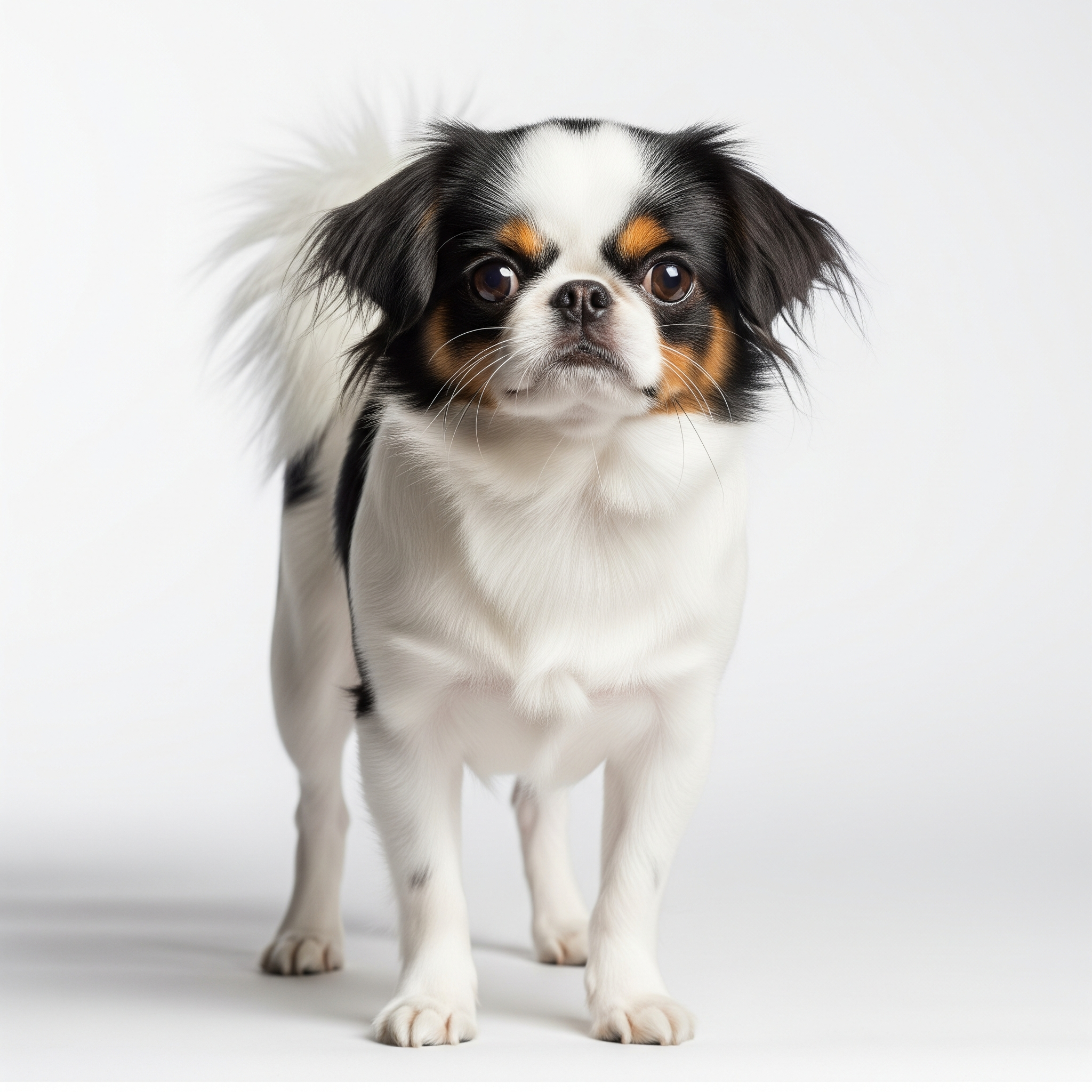
Archival print, museum-grade paper
Buy Poster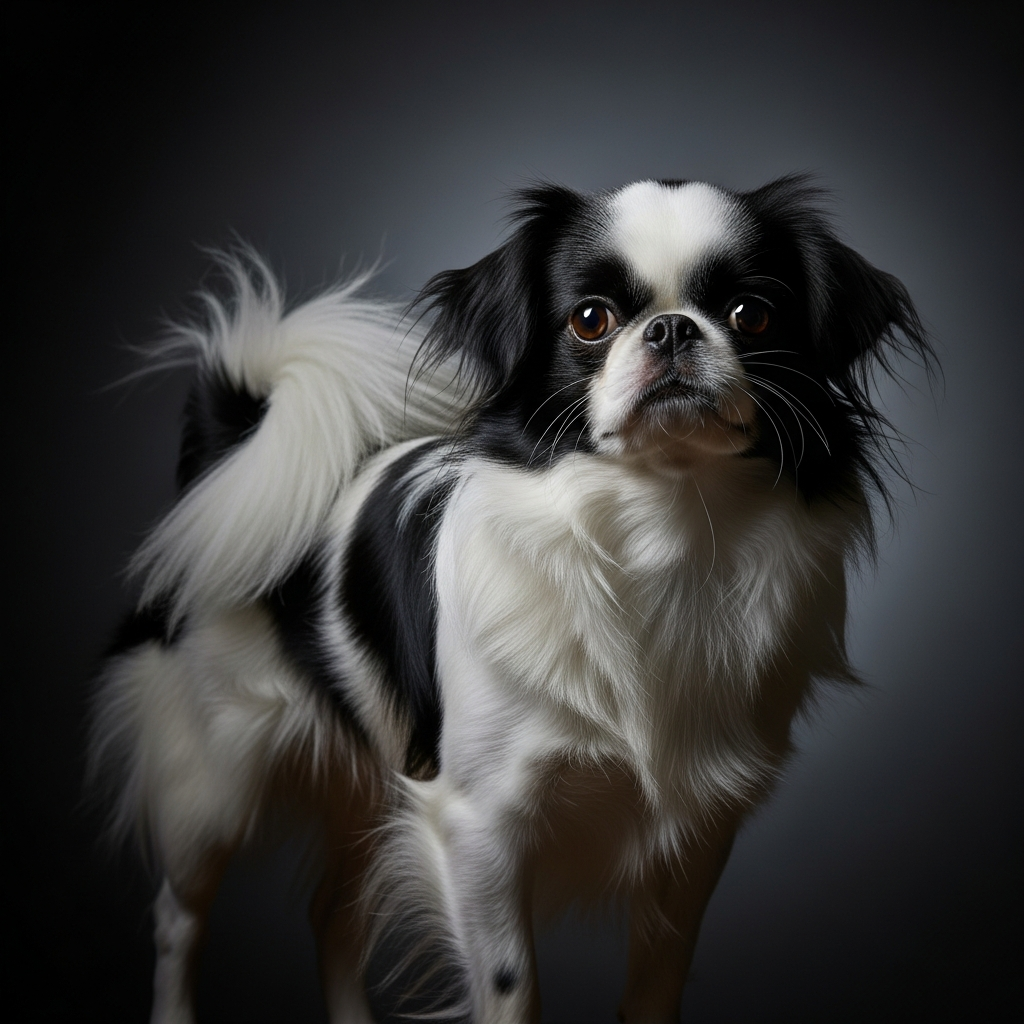
Stoneware mug, dishwasher safe
Buy Mug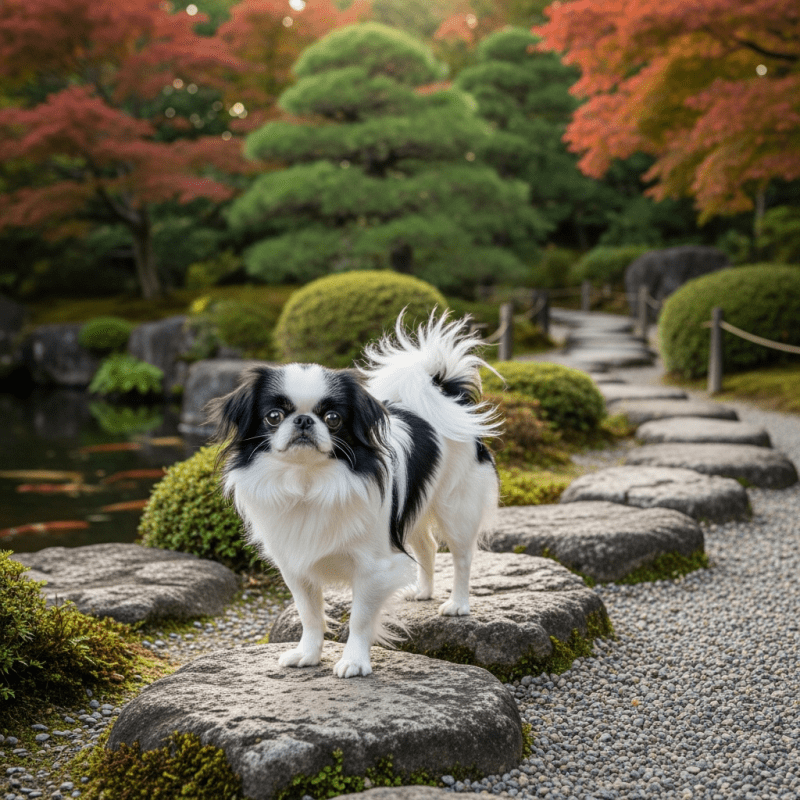
Soft cotton tee, unisex sizes
Buy ShirtThe Japanese Chin holds a special place in Japanese history and culture, often depicted in art and treasured by nobility. Its presence in royal courts signified refinement and prestige, and its elegant form has inspired artists and collectors for centuries. Today, the breed continues to be celebrated in conformation shows and as a symbol of gentle companionship and grace.
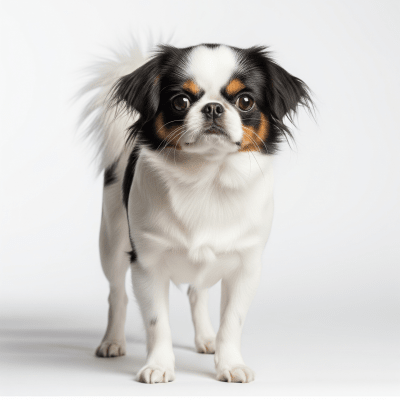

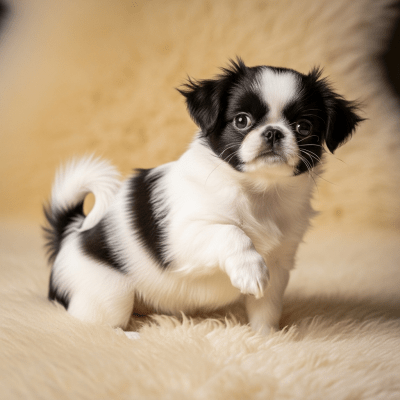
The Japanese Chin is classified as a small breed, typically standing 20–28 cm (8–11 inches) at the shoulder and weighing 1.8–4.1 kg (4–9 pounds). Its proportions are delicate and refined, suited for lap and companion roles.
The breed’s coat is profuse, silky, straight, and long, forming a mane around the neck and feathering on the tail and legs. Accepted color patterns include black and white, red and white, lemon and white, and sable and white, each enhancing the breed’s elegant silhouette.
Japanese Chins are affectionate, graceful, and gentle, with a notable adaptability to household routines. Their intelligence and responsiveness make them pleasant companions, though their independent streak can result in moderate trainability. They are well-suited for families seeking a gentle, low-maintenance pet.
The Japanese Chin generally enjoys a lifespan of 10 to 14 years. Common health concerns include respiratory issues due to their brachycephalic facial structure, patellar luxation, and heart murmurs. Regular veterinary care and attention to their delicate build help ensure a healthy life.
This breed is valued exclusively as a companion animal, lap dog, show dog, and therapy animal. Its gentle demeanor and elegant appearance make it a favorite in households and conformation rings. The Japanese Chin is not used for working, hunting, or any culinary purposes.
Regional variants of the Japanese Chin are minimal. While slight differences in size and coat may exist due to local breeding practices, the breed remains consistent in its defining features and temperament worldwide.