
Italian Greyhound
The Italian Greyhound is a small, elegant sighthound breed celebrated for its slender silhouette, fine coat, and gentle, affectionate personality.
The Italian Greyhound is a small, elegant sighthound breed celebrated for its slender silhouette, fine coat, and gentle, affectionate personality.
Originating in Italy, the Italian Greyhound boasts a lineage dating back over two millennia to ancient Mediterranean civilizations. Its refinement was shaped by Italian aristocratic circles, particularly during the Renaissance, where it was cherished by nobility for companionship and small game hunting. Selective breeding emphasized miniature size and grace, resulting in the breed recognized today.
The Italian Greyhound belongs to the family Canidae, genus Canis, and is classified as a sighthound within the domestic dog species (Canis lupus familiaris). It is grouped with other toy and companion breeds by major kennel clubs, distinguished by its unique blend of speed, agility, and diminutive stature among sighthounds.
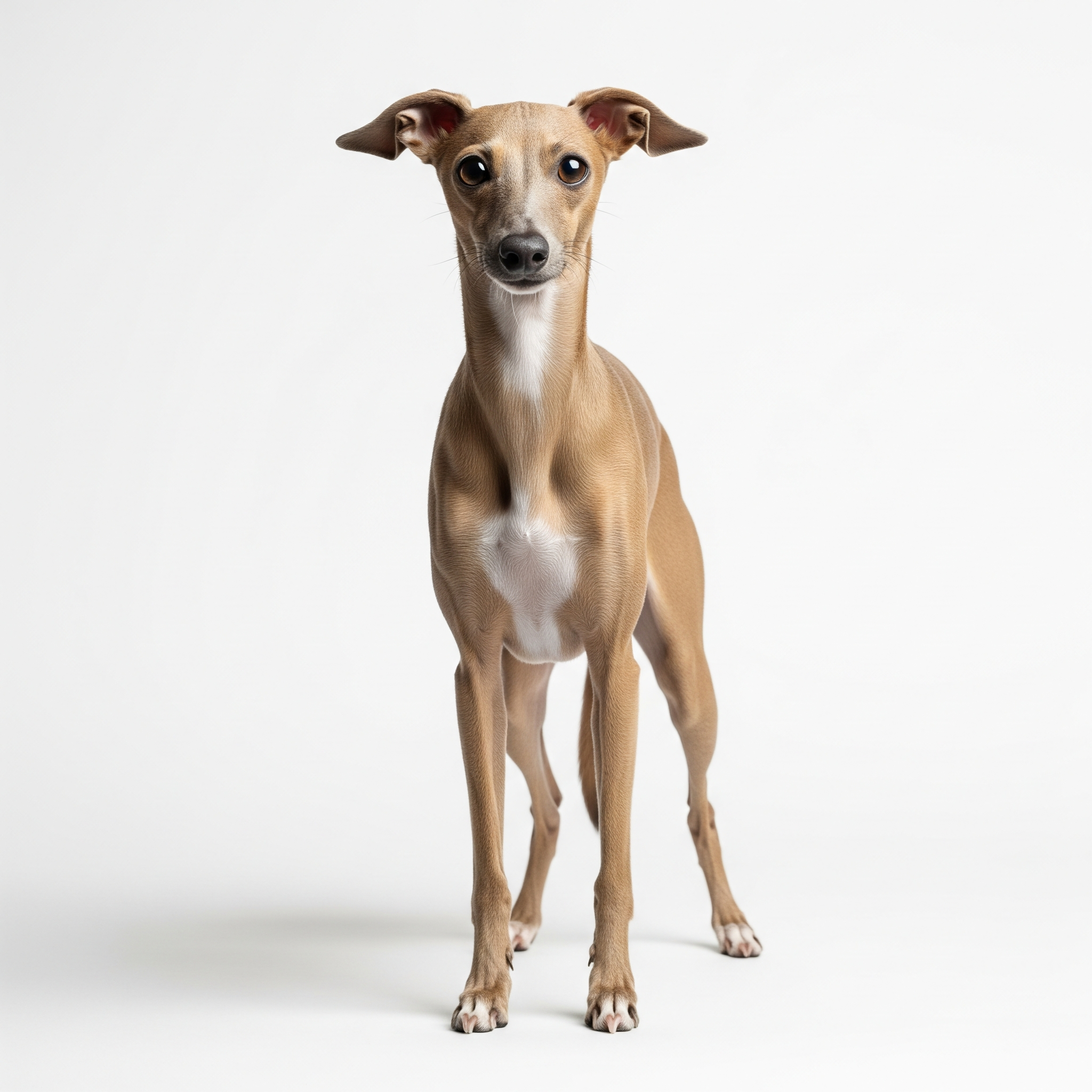
This breed is instantly recognizable by its fine-boned, slender frame, deep chest, tucked abdomen, and long, narrow head with a pointed muzzle. The Italian Greyhound’s coat is short, smooth, and glossy, accentuating its graceful lines and delicate build. Its elegant gait and expressive eyes further enhance its refined appearance.
Italian Greyhounds are affectionate companions, thriving on human interaction and gentle handling. Historically, they served as both lapdogs and hunters of small game, such as rabbits. Today, their primary role is as loving pets and show dogs, admired for their agility, sensitivity, and suitability for urban and apartment living.
Bring this kind into your world � illustrated posters, mugs, and shirts.
Archival print, museum-grade paper
Buy Poster
Stoneware mug, dishwasher safe
Buy Mug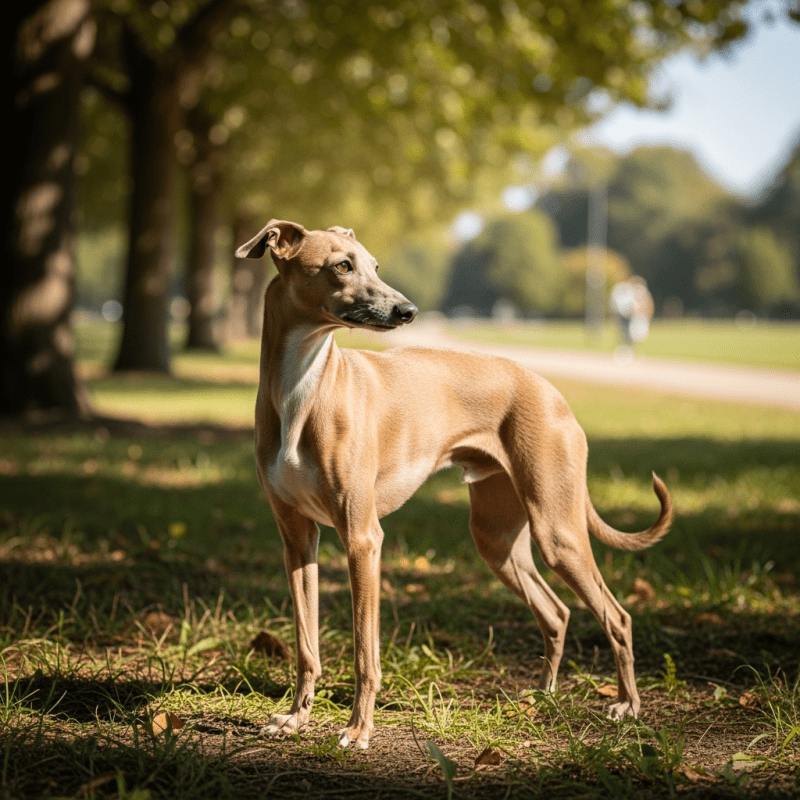
Soft cotton tee, unisex sizes
Buy ShirtThroughout history, Italian Greyhounds have been symbols of elegance and refinement, appearing in Renaissance art and favored by European nobility. Their presence in paintings and sculpture underscores their status as cherished companions, and their continued popularity in conformation shows reflects their enduring appeal in modern culture.
All major organizations recognize the Italian Greyhound as an official breed, with harmonized standards internationally.
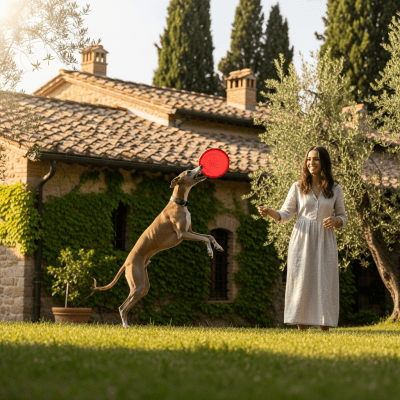

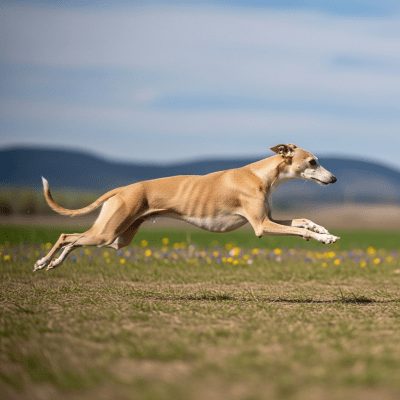

These names reflect both formal and informal references to the breed across regions and communities.
The Italian Greyhound is a small breed, typically standing 33–38 cm (13–15 inches) at the shoulder and weighing 3–6 kg (7–14 pounds). Its fine-boned, slender build places it firmly in the toy and miniature sighthound category.
The breed’s coat is short, smooth, and glossy, requiring little maintenance. Italian Greyhounds come in a wide array of solid colors, including fawn, blue, black, red, cream, and white. Brindle and black-and-tan patterns are generally not accepted by major breed standards.
Italian Greyhounds are affectionate, gentle, and sensitive, forming strong bonds with their owners. They are intelligent and responsive to training, though their sensitive nature benefits from positive reinforcement and gentle guidance. Their graceful demeanor makes them both charming companions and elegant show dogs.
The average lifespan of an Italian Greyhound is 13–15 years. While generally healthy, they are prone to dental issues, patellar luxation, and leg fractures due to their delicate build. Careful handling and regular veterinary checkups help ensure a long, healthy life.
Historically, Italian Greyhounds were bred for companionship and small game hunting. Today, they excel as loving pets, show dogs, and occasional participants in agility sports. Their manageable size, elegance, and affectionate temperament make them highly sought-after in urban environments.
Breed standards for the Italian Greyhound are internationally harmonized, resulting in minimal regional variants. While alternate names exist, the breed’s physical and temperamental traits remain consistent across countries.