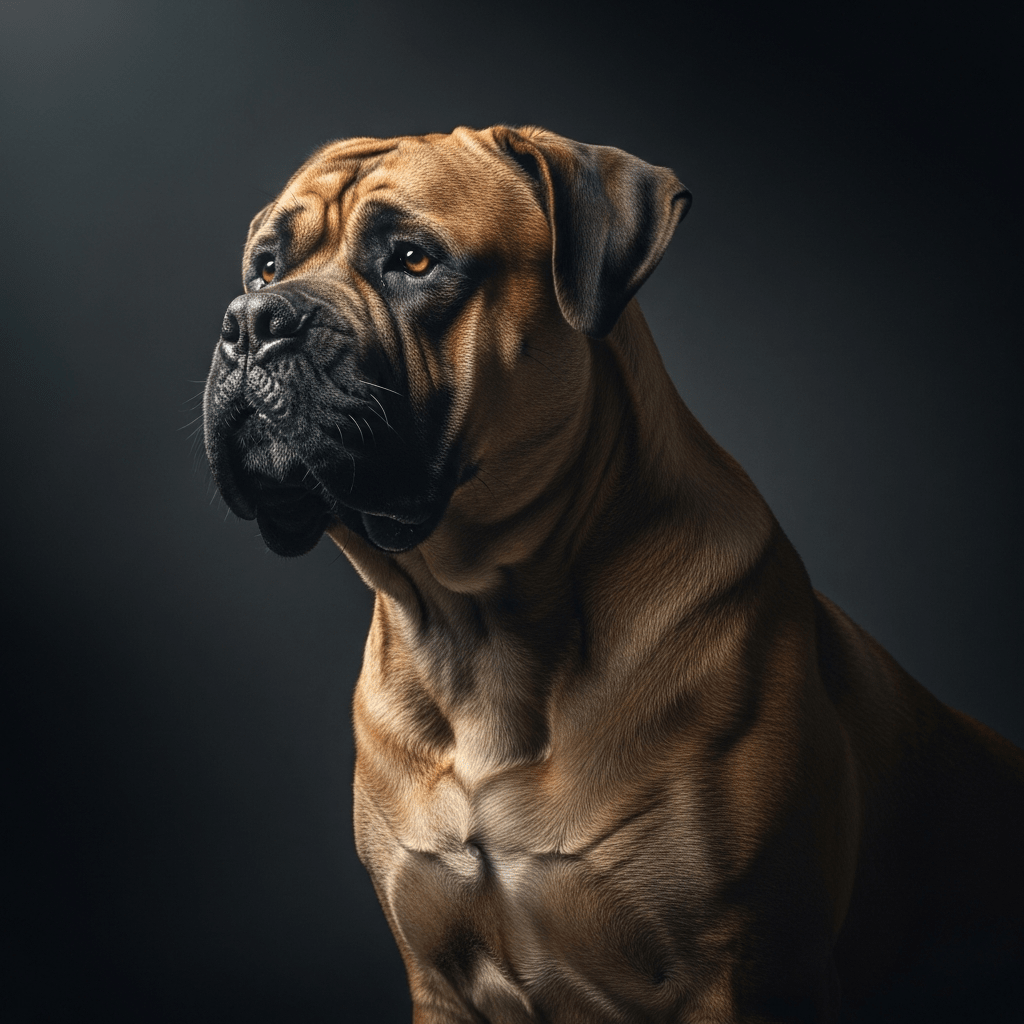
Bullmastiff
The Bullmastiff is a large, powerful working dog breed celebrated for its protective instincts, muscular build, and gentle loyalty to family.
The Bullmastiff is a large, powerful working dog breed celebrated for its protective instincts, muscular build, and gentle loyalty to family.
Originating in England during the mid-to-late 19th century, the Bullmastiff was created by gamekeepers to guard estates against poachers. The breed was established by crossing the English Mastiff for size and strength with the Old English Bulldog for tenacity and agility, typically in a 60:40 ratio. This purposeful blend produced a reliable guardian, officially recognized by The Kennel Club (UK) in 1924 and the American Kennel Club (AKC) in 1934.
The Bullmastiff belongs to the family Canidae, genus Canis, species Canis lupus familiaris. Within breed groupings, it is classified as a working dog, renowned for its guarding abilities. The breed exemplifies the fusion of mastiff and bulldog lineages, aligning with major kennel club standards globally.
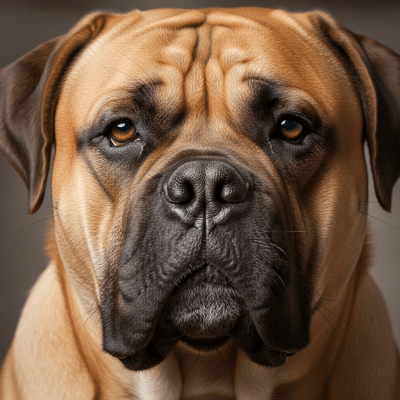
Bullmastiffs are imposing and muscular, standing 61–69 cm at the shoulder and weighing 45–59 kg. Their short, dense, weather-resistant coat comes in fawn, red, or brindle, often accented by a distinctive black mask. The breed features a broad, wrinkled head, short muzzle, and expressive dark eyes, giving it a noble and alert presence.
Bred for guarding and protection, Bullmastiffs are calm, loyal, and gentle with their families. Their natural wariness and deterrent presence make them exceptional watchdogs, yet their affectionate nature ensures they bond closely with household members. They require moderate exercise and thrive in environments where they can fulfill their protective role.
Bring this kind into your world � illustrated posters, mugs, and shirts.

Archival print, museum-grade paper
Buy Poster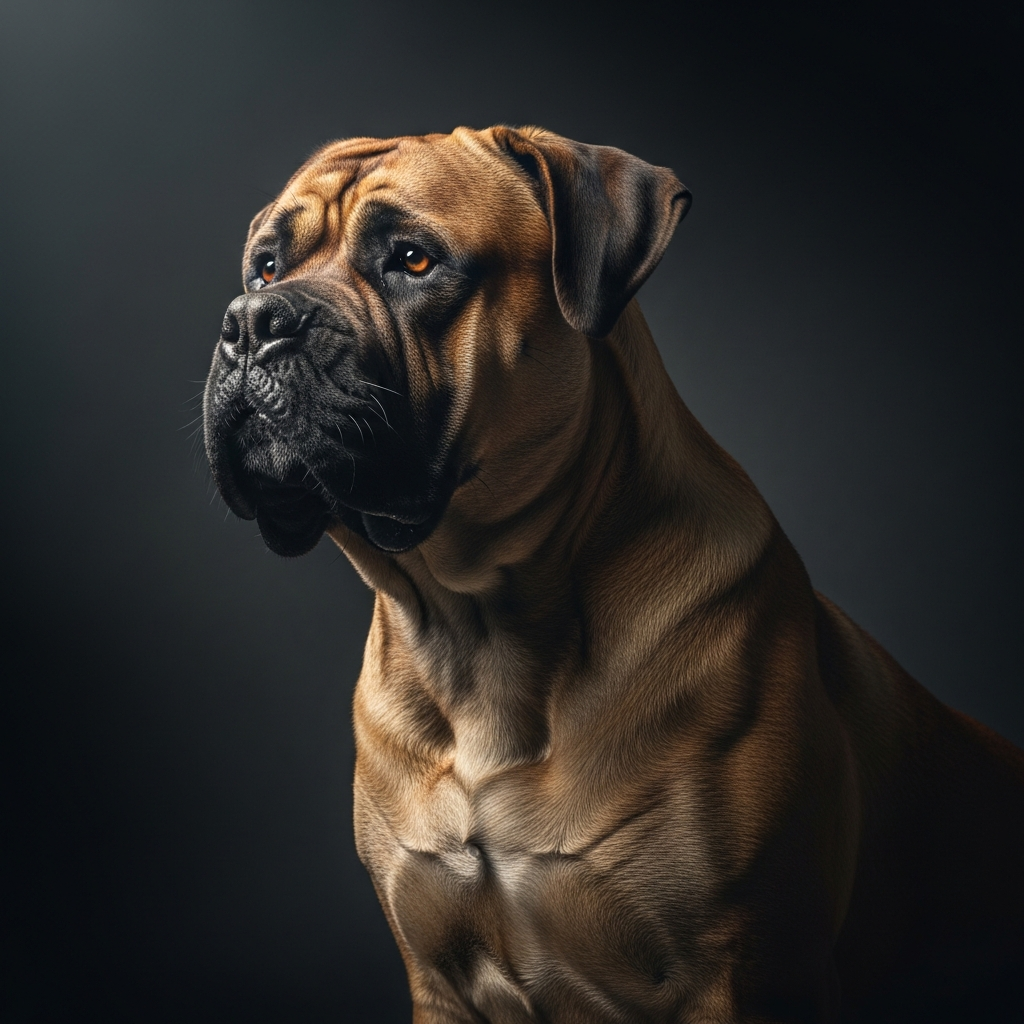
Stoneware mug, dishwasher safe
Buy Mug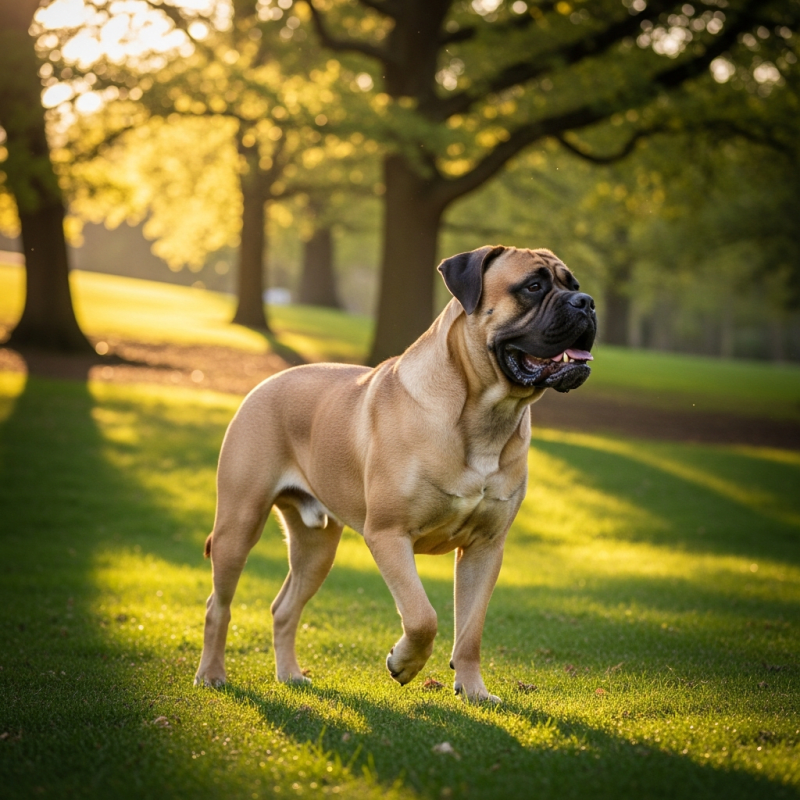
Soft cotton tee, unisex sizes
Buy ShirtThe Bullmastiff’s legacy is deeply tied to English estate life, where it served as the "Gamekeeper's Night Dog." Its reputation as a steadfast guardian has made it a symbol of strength and loyalty in popular culture. Today, the breed is celebrated not only for its working capabilities but also as a beloved companion in homes around the world.
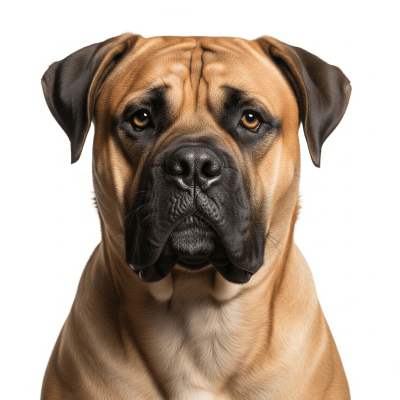
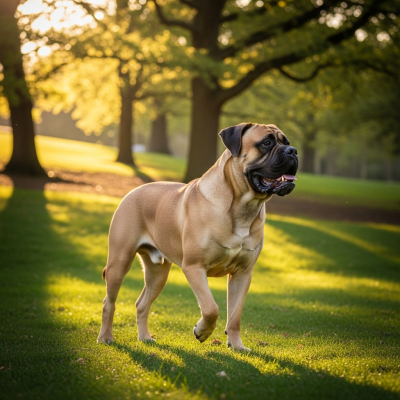

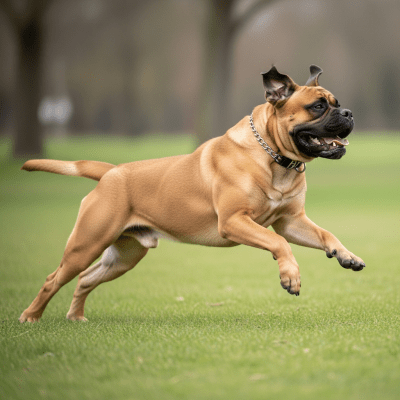

Bullmastiffs are classified as a large breed, typically standing 61–69 cm (24–27 inches) tall at the shoulder and weighing between 45–59 kg (100–130 pounds).
The Bullmastiff’s coat is short, dense, and weather-resistant, commonly seen in fawn, red, or brindle shades, often with a striking black mask.
Bullmastiffs are calm, loyal, and protective, with a gentle disposition toward family. They are trainable and respond well to consistent, firm guidance, making them suitable for guarding and protection roles.
The breed’s typical lifespan is 7–10 years. Common health concerns include hip and elbow dysplasia and certain cancers. Regular veterinary care and responsible breeding practices are essential for maintaining their health.
The Bullmastiff has minimal regional variants; however, slight differences in breed standards may exist between organizations such as the AKC, FCI, and The Kennel Club (UK). The breed remains most closely associated with England but is now established worldwide.