Bull Terrier
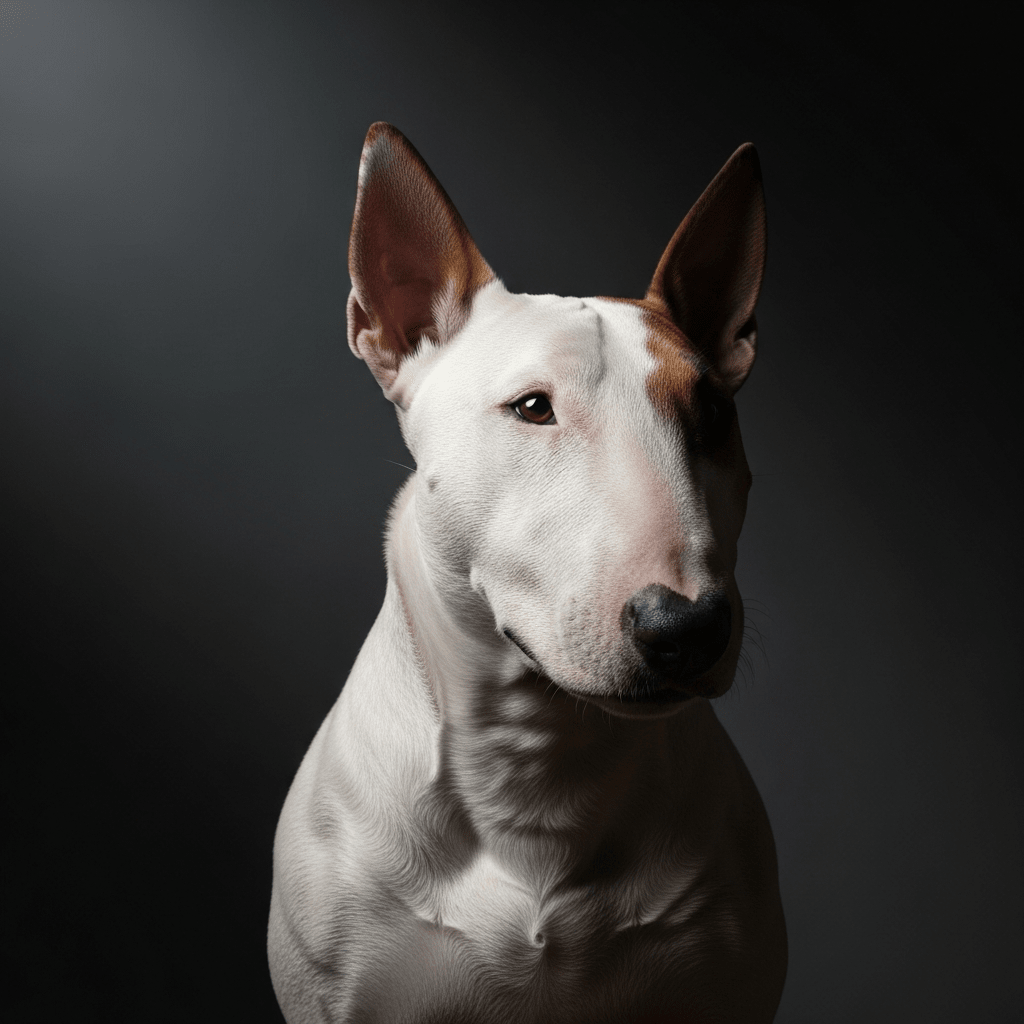
The Bull Terrier is a muscular, medium-sized terrier breed instantly recognized by its unique egg-shaped head and lively, affectionate personality.
The Bull Terrier is a muscular, medium-sized terrier breed instantly recognized by its unique egg-shaped head and lively, affectionate personality.
Originating in England in the early 19th century, the Bull Terrier was crafted by James Hinks, who standardized the breed around the 1860s. Its lineage blends the Old English Bulldog with various terriers, especially the now-extinct White English Terrier, and was later refined with Dalmatian and other breeds to achieve its distinctive look and temperament.
The Bull Terrier belongs to the terrier group within the broader taxonomy of domestic dogs (Canis lupus familiaris). Recognized by major kennel clubs such as the AKC, FCI, and The Kennel Club (UK), it is classified as a medium-sized breed with a legacy of both working and companion roles.
Bull Terriers are defined by their elongated, oval-shaped 'egg head' with a flat top and small, triangular eyes that convey a mischievous expression. Their bodies are robust and well-proportioned, covered in a short, dense coat that feels sleek to the touch. The breed comes in two main varieties: pure white and colored, which includes brindle, black, fawn, red, and tri-color patterns.
Known for their high energy and playful spirit, Bull Terriers thrive as companions and family pets. Historically bred for fighting, their role has evolved into participation in obedience, agility, and show events. Their strong prey drive and clownish personality make them engaging, while their loyalty and affection endear them to owners.
Bring this kind into your world � illustrated posters, mugs, and shirts.
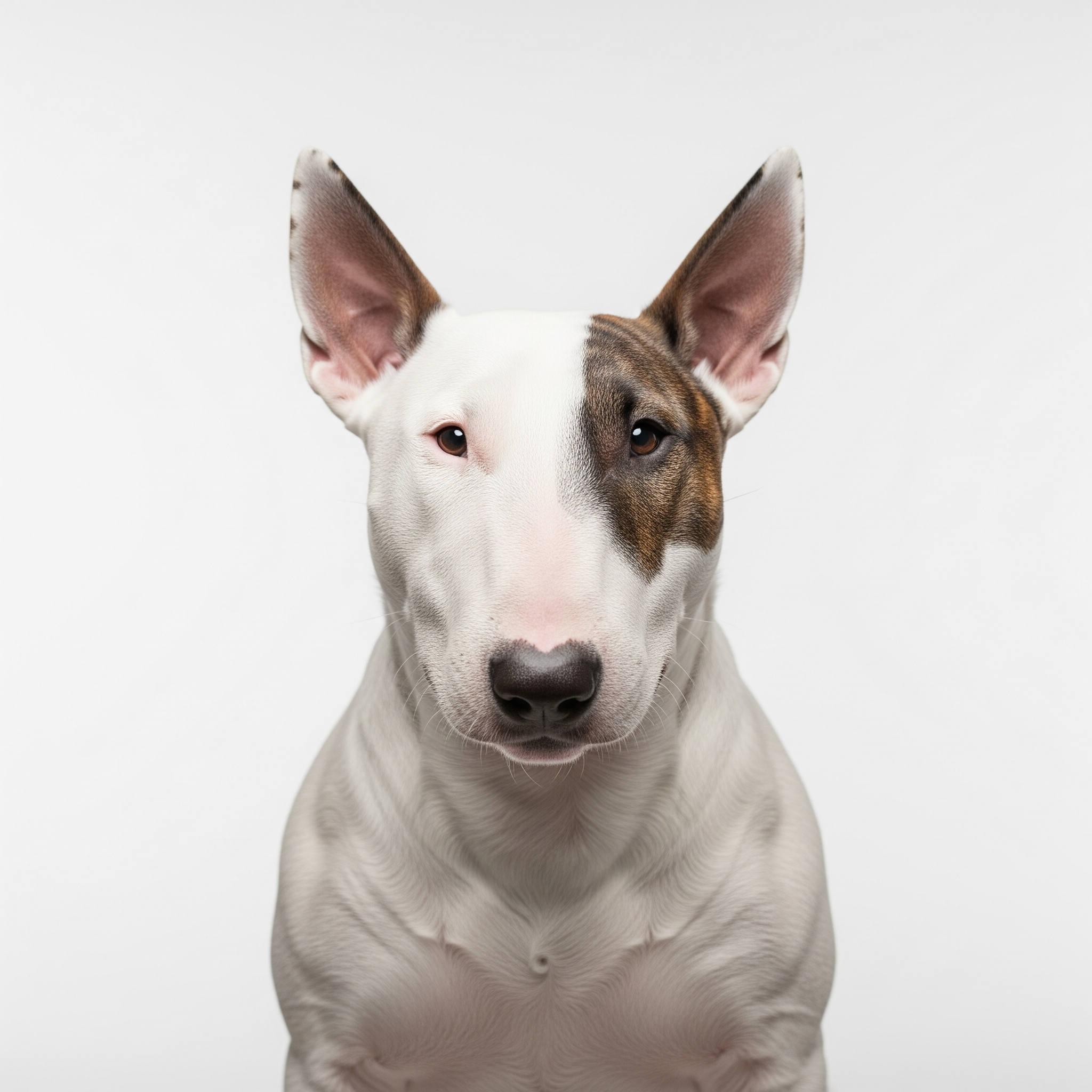
Archival print, museum-grade paper
Buy Poster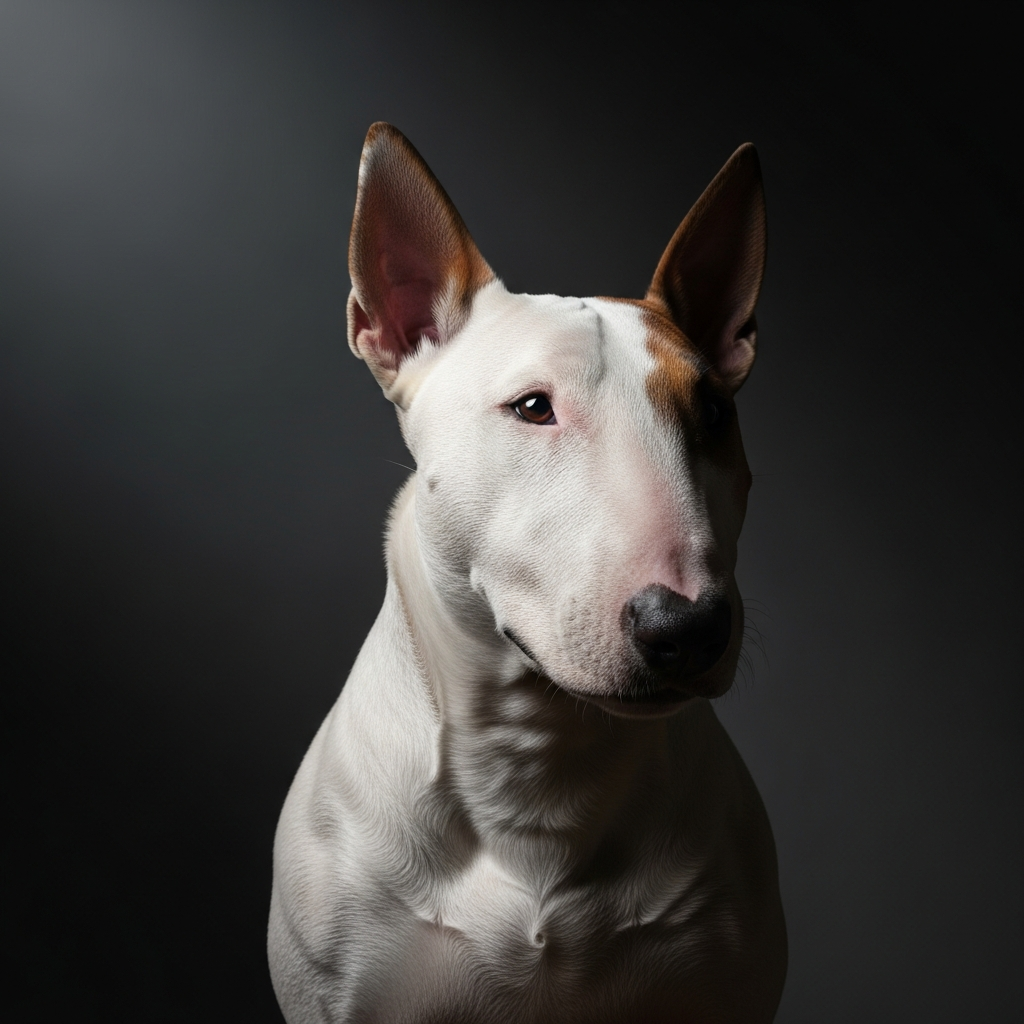
Stoneware mug, dishwasher safe
Buy Mug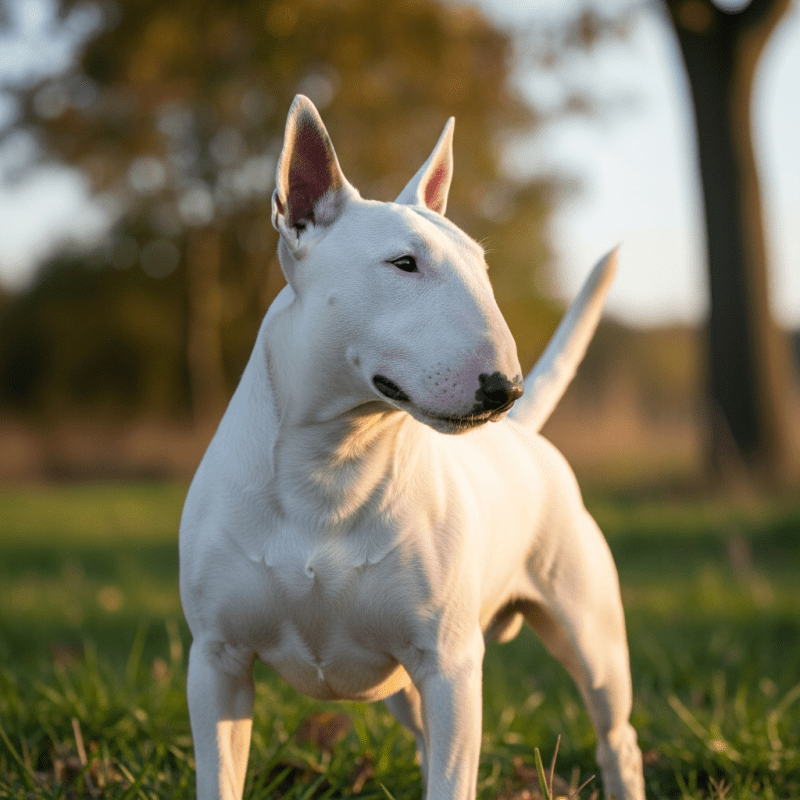
Soft cotton tee, unisex sizes
Buy ShirtThe Bull Terrier's unmistakable profile has made it an icon in advertising and popular culture, often symbolizing strength, tenacity, and charm. Its presence in media and as a mascot has elevated its status beyond the dog world, making it a favorite in both art and entertainment.
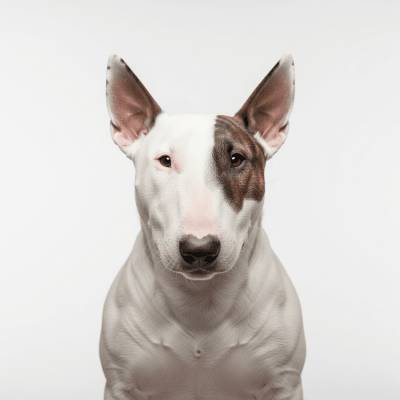
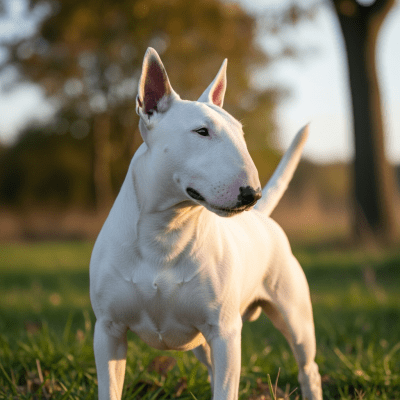

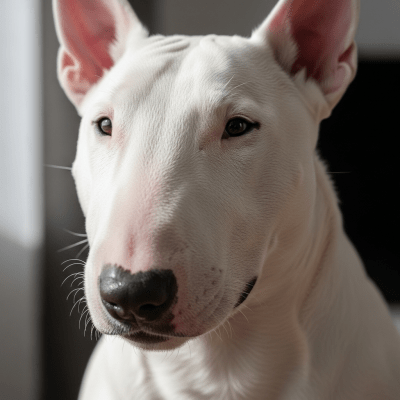
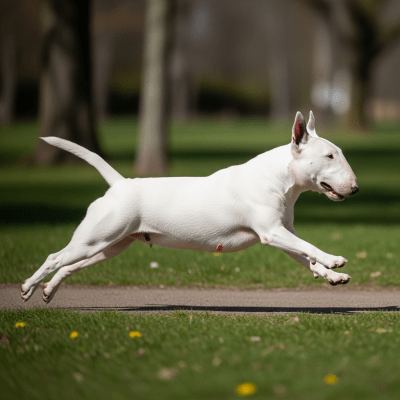

Bull Terriers are medium-sized dogs, typically standing 53–56 cm (21–22 inches) at the shoulder and weighing between 23–32 kg (50–70 pounds). Their muscular build and solid frame give them a powerful yet agile presence.
The breed sports a short, dense coat that is easy to maintain. Bull Terriers may be pure white or colored, with shades including brindle, black, fawn, red, and tri-color. Their coats are smooth and glossy, accentuating their athletic physique.
Bull Terriers are known for their energetic, playful, and affectionate nature. They are intelligent and versatile, participating in obedience and agility activities, but can be stubborn, requiring patient and consistent training. Their clownish personality and loyalty make them both entertaining and devoted companions.
The average lifespan of a Bull Terrier is 12–13 years. While generally robust, the breed can be susceptible to hereditary nephritis, skin allergies, and deafness, particularly in white individuals. Regular veterinary care and screening are recommended to maintain health.
Originally bred for fighting, Bull Terriers have transitioned into beloved companions, show dogs, and participants in obedience and agility sports. Their loyalty and distinctive appearance also make them popular in advertising and media, while their playful demeanor suits them well as family pets.
The Bull Terrier exists in two recognized forms: the Standard Bull Terrier and the Miniature Bull Terrier. While both share the breed’s hallmark features, the Miniature is distinguished by its smaller size and is recognized as a separate breed by major kennel clubs.