Bloodhound
The Bloodhound is a large, powerful scent hound celebrated worldwide for its unrivaled sense of smell and legendary tracking abilities.
The Bloodhound is a large, powerful scent hound celebrated worldwide for its unrivaled sense of smell and legendary tracking abilities.
Originating in medieval France and Belgium, the Bloodhound’s ancestry can be traced to the St. Hubert Hound, refined by monks at the Saint-Hubert Monastery as early as the 7th century. The breed was further developed in England during the 19th century, with selective breeding emphasizing endurance and scenting prowess. Today’s Bloodhound embodies centuries of purposeful refinement for tracking and search work.
The Bloodhound belongs to the hound group, specifically classified as a scent hound. It falls under the species Canis lupus familiaris and is recognized as a distinct breed by major kennel clubs globally. Its primary grouping is based on its exceptional olfactory abilities and historical use in tracking.
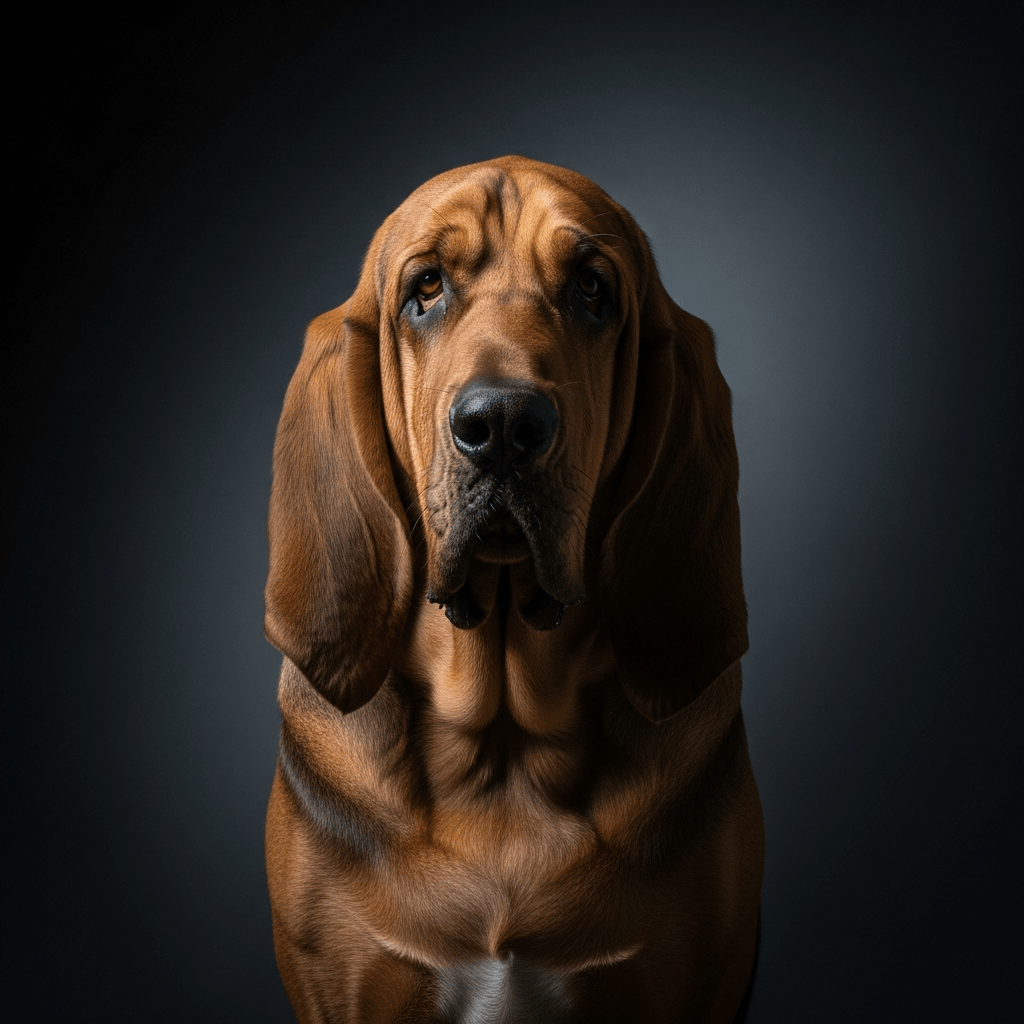
Bloodhounds are instantly recognizable by their loose, wrinkled skin, especially around the face and neck, and their long, pendulous ears. They have a muscular, deep-chested build, standing tall and imposing yet gentle in demeanor. Their short, dense coat is weather-resistant, and their soulful eyes are framed by characteristic folds, giving them a thoughtful, expressive look.
Bloodhounds are renowned for their relentless tracking ability, often following scent trails for miles with unwavering focus. Their gentle temperament makes them excellent companions, but when on the trail, they exhibit single-minded determination. Bloodhounds are widely used in law enforcement, search and rescue, and hunting, where their scenting skills are unmatched.
Bring this kind into your world � illustrated posters, mugs, and shirts.
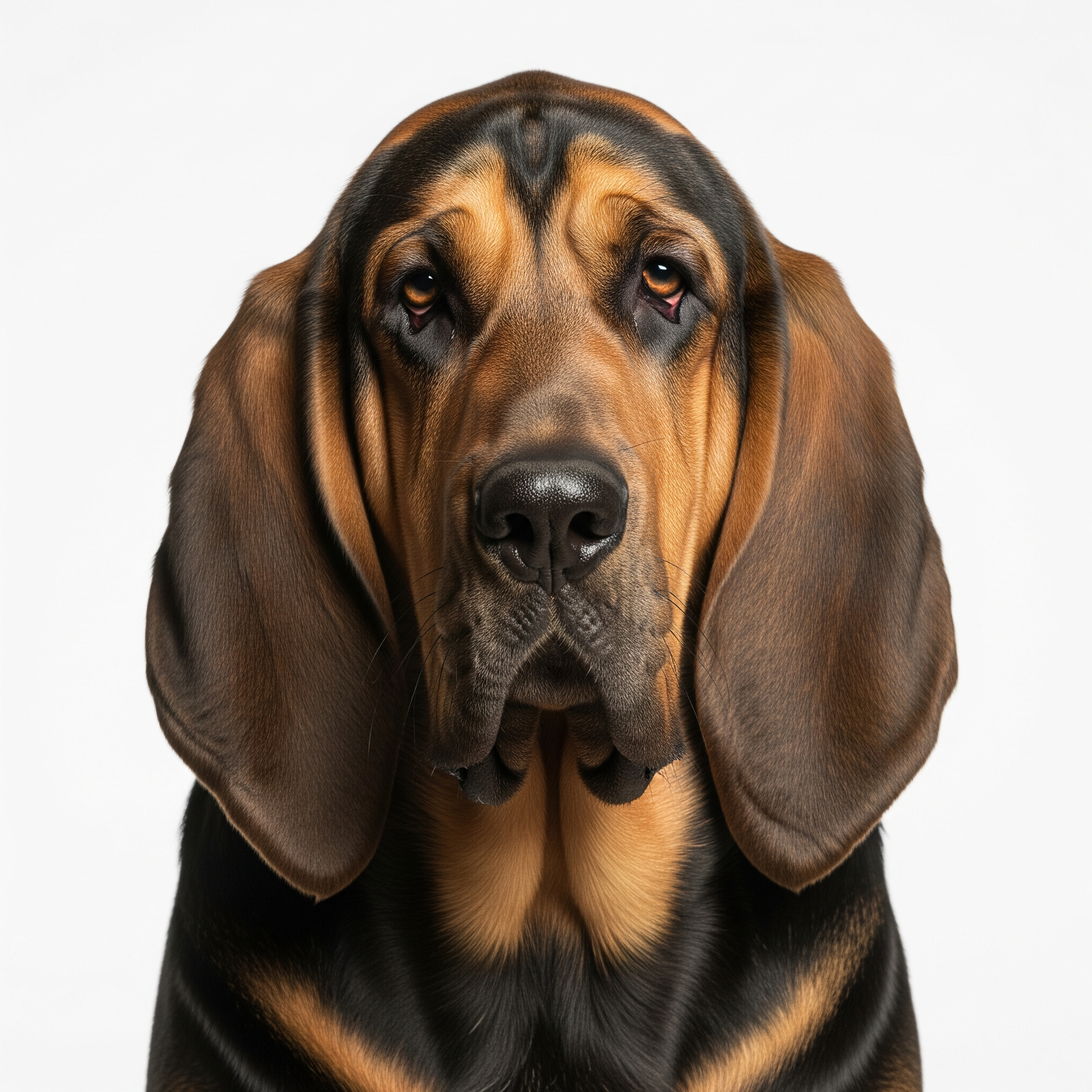
Archival print, museum-grade paper
Buy Poster
Stoneware mug, dishwasher safe
Buy Mug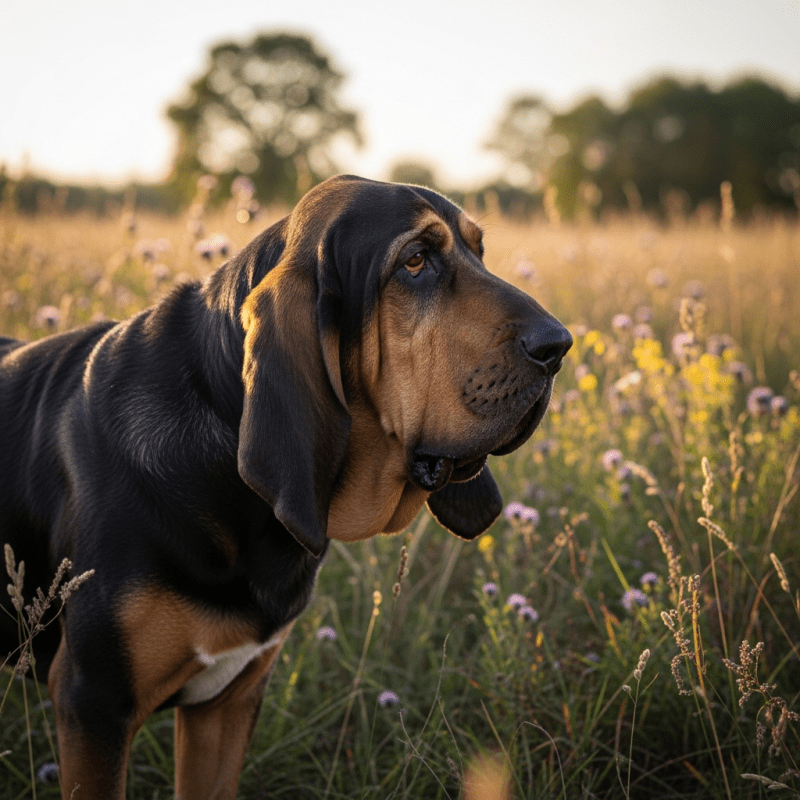
Soft cotton tee, unisex sizes
Buy ShirtThroughout history, Bloodhounds have been celebrated in art, literature, and popular culture as the archetypal tracking dog. Their evidence is accepted in courts of law in some jurisdictions, underscoring their reputation for reliability. The breed’s image—wrinkled face, drooping ears, and nose to the ground—has become synonymous with detective work and persistence.
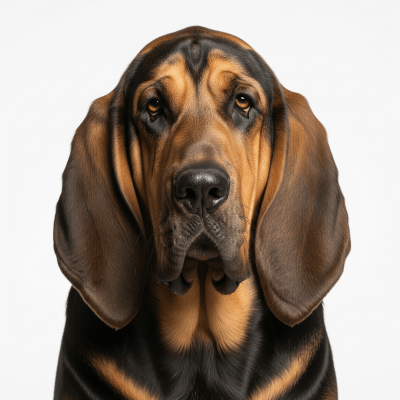
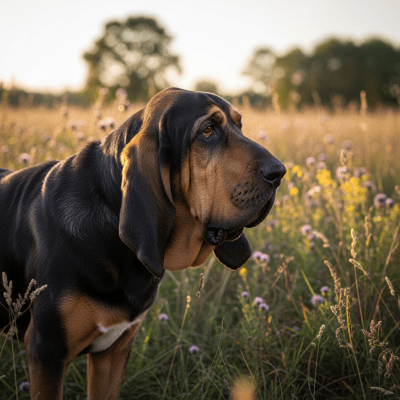
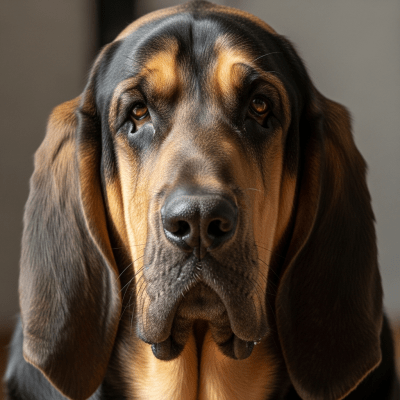


Bloodhounds are classified as a large breed, typically standing 58–69 cm (23–27 inches) at the shoulder and weighing between 36–50 kg (80–110 lbs). Their substantial frame supports their stamina and working ability.
The Bloodhound sports a short, dense, and weather-resistant coat. Common color patterns include black and tan, liver and tan, and solid red. The coat requires minimal grooming but regular attention to skin folds and ears is essential.
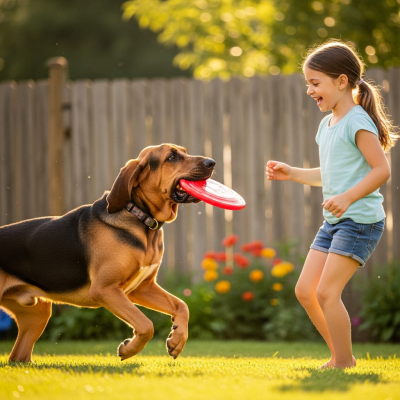
Bloodhounds are gentle, patient, and affectionate, especially with children and families. While intelligent, they are independent and can be stubborn, requiring consistent, positive training methods. Their strong tracking instinct means they may become distracted by scents, so recall training is important.
Bloodhounds typically live 10–12 years. Common health concerns include ear infections, skin fold dermatitis, hip and elbow dysplasia, and bloat. Regular veterinary care and attention to their unique anatomy help maintain their well-being.
Bloodhounds are primarily employed in tracking and trailing roles, assisting law enforcement, search and rescue teams, and hunters. Their unmatched scenting ability makes them invaluable for finding missing persons and evidence, and their gentle nature also suits them as family companions.
While the Bloodhound is recognized under the same name worldwide, historical references include the St. Hubert Hound in France and Belgium. Minor differences in breed standards exist between regions, but the core characteristics—size, scenting ability, and appearance—remain consistent.