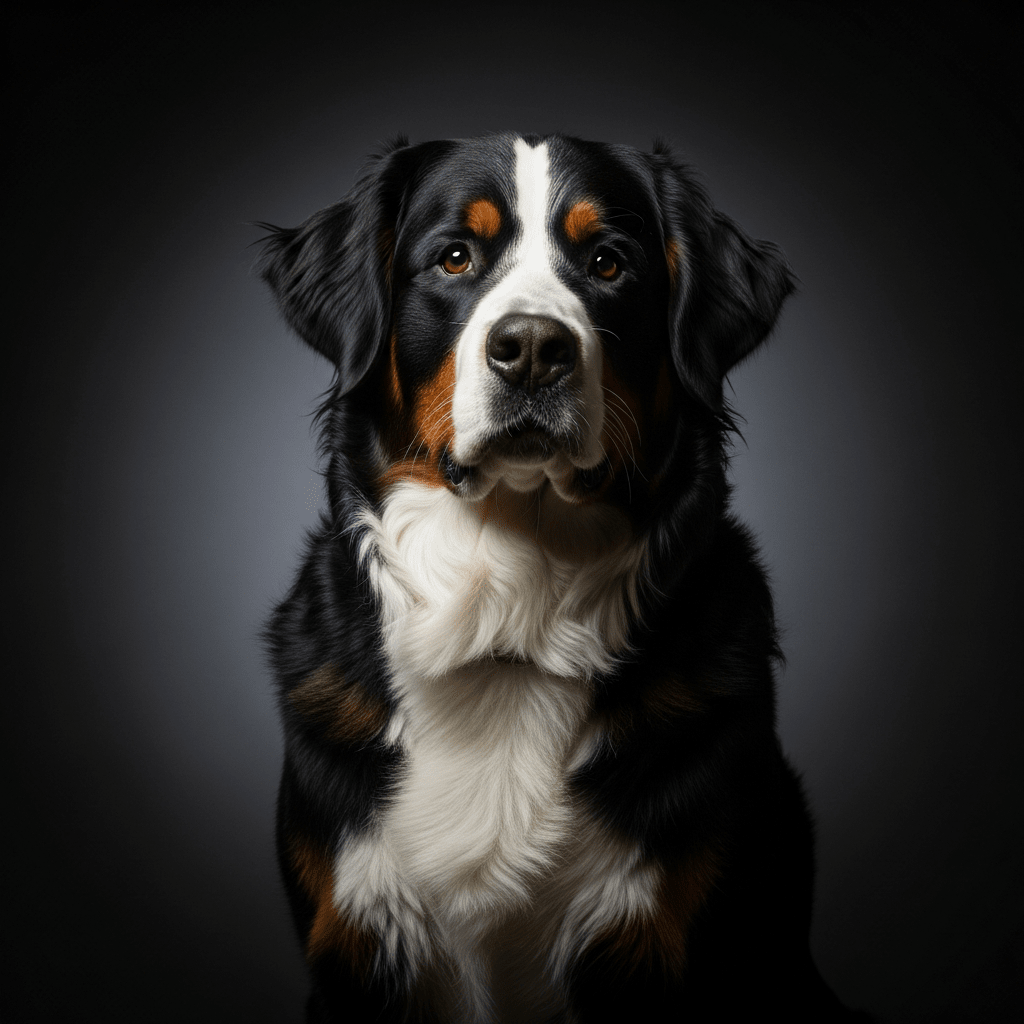
Bernese Mountain Dog
The Bernese Mountain Dog is a large, tricolored Swiss working breed celebrated for its gentle temperament, striking appearance, and versatility as both a family companion and farm dog.
The Bernese Mountain Dog is a large, tricolored Swiss working breed celebrated for its gentle temperament, striking appearance, and versatility as both a family companion and farm dog.
Originating in the canton of Bern, Switzerland, the Bernese Mountain Dog was developed as a robust farm dog, adept at herding cattle, pulling carts, and providing steadfast companionship. Its lineage traces back to mastiff-type dogs brought to Switzerland by Roman soldiers, which were then crossed with local Swiss farm dogs. The breed was standardized and officially recognized in 1907 by the Schweizerische Kynologische Gesellschaft (Swiss Kennel Club), marking its transition from a regional utility dog to an internationally admired breed.
The Bernese Mountain Dog belongs to the Canidae family, classified under the species Canis lupus familiaris. Within breed groupings, it is considered a working dog, recognized for its strength and utility. Major kennel clubs, including the AKC, FCI, and The Kennel Club (UK), place the Bernese Mountain Dog in the Working or Utility group, reflecting its heritage as a draft and farm dog.
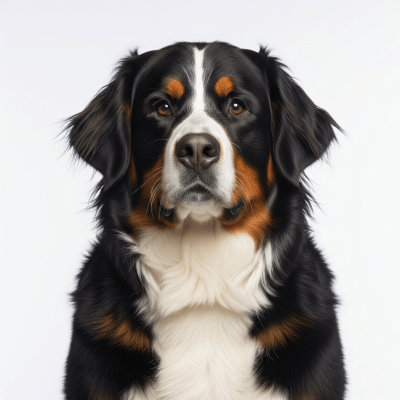
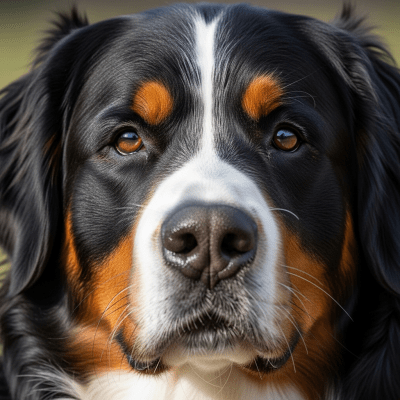
This breed is instantly recognizable for its muscular, balanced build and luxurious thick, long double coat. The Bernese Mountain Dog’s coat is predominantly black, adorned with vivid rust and crisp white markings on the chest, face, and legs, creating a classic tricolor pattern. Its expressive eyes, broad head, and sturdy frame evoke both elegance and power, while the dense fur is soft to the touch and well-suited for cold climates.
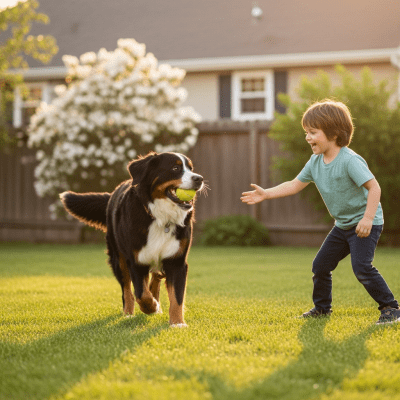
Bernese Mountain Dogs are renowned for their gentle, calm, and affectionate nature. Historically, they excelled at draft work, herding livestock, and guarding farmsteads. Today, their intelligence and loyalty make them ideal family pets, therapy dogs, and participants in obedience and conformation events. Their responsive temperament allows for effective training, and their sociable disposition fosters strong bonds with humans.
Bring this kind into your world � illustrated posters, mugs, and shirts.
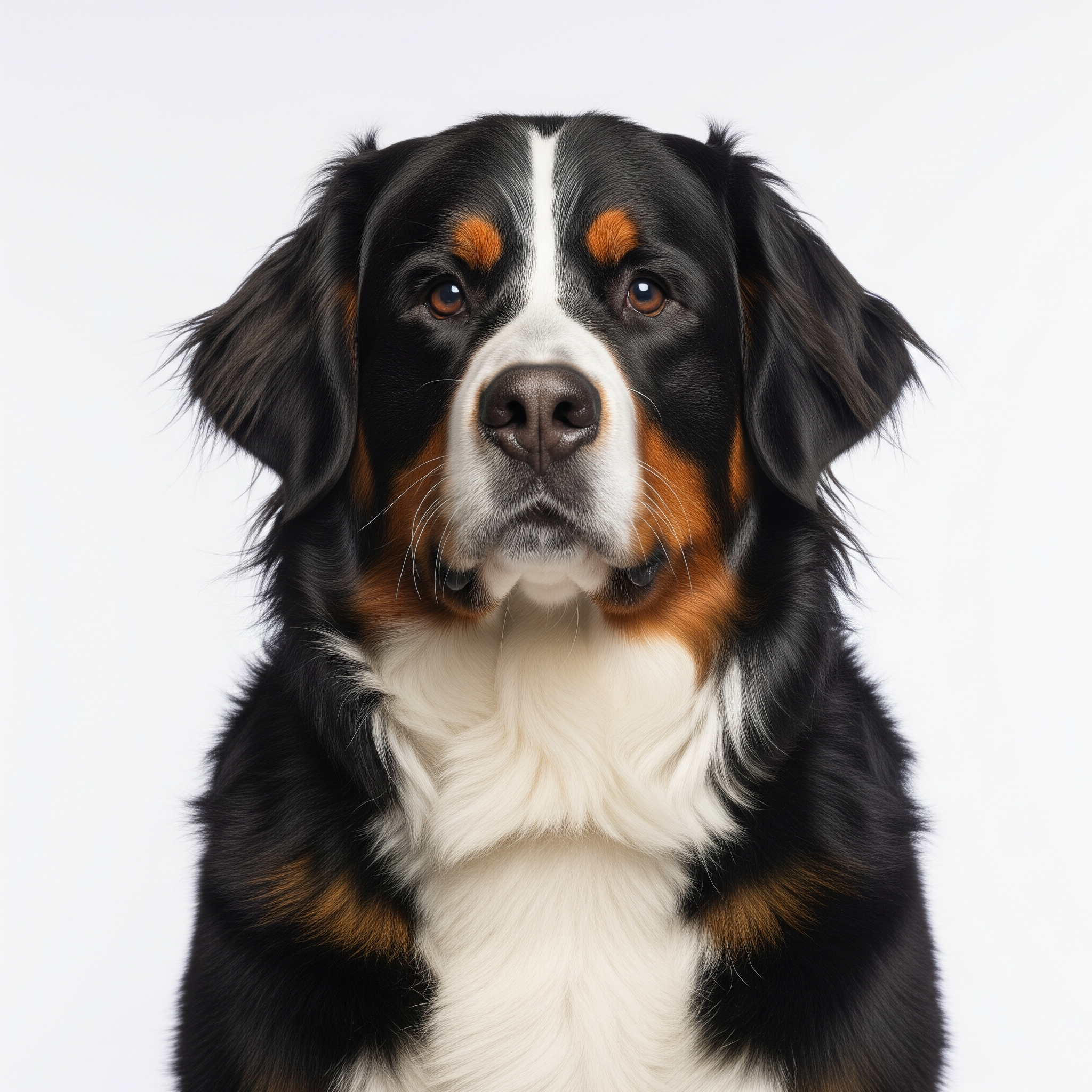
Archival print, museum-grade paper
Buy Poster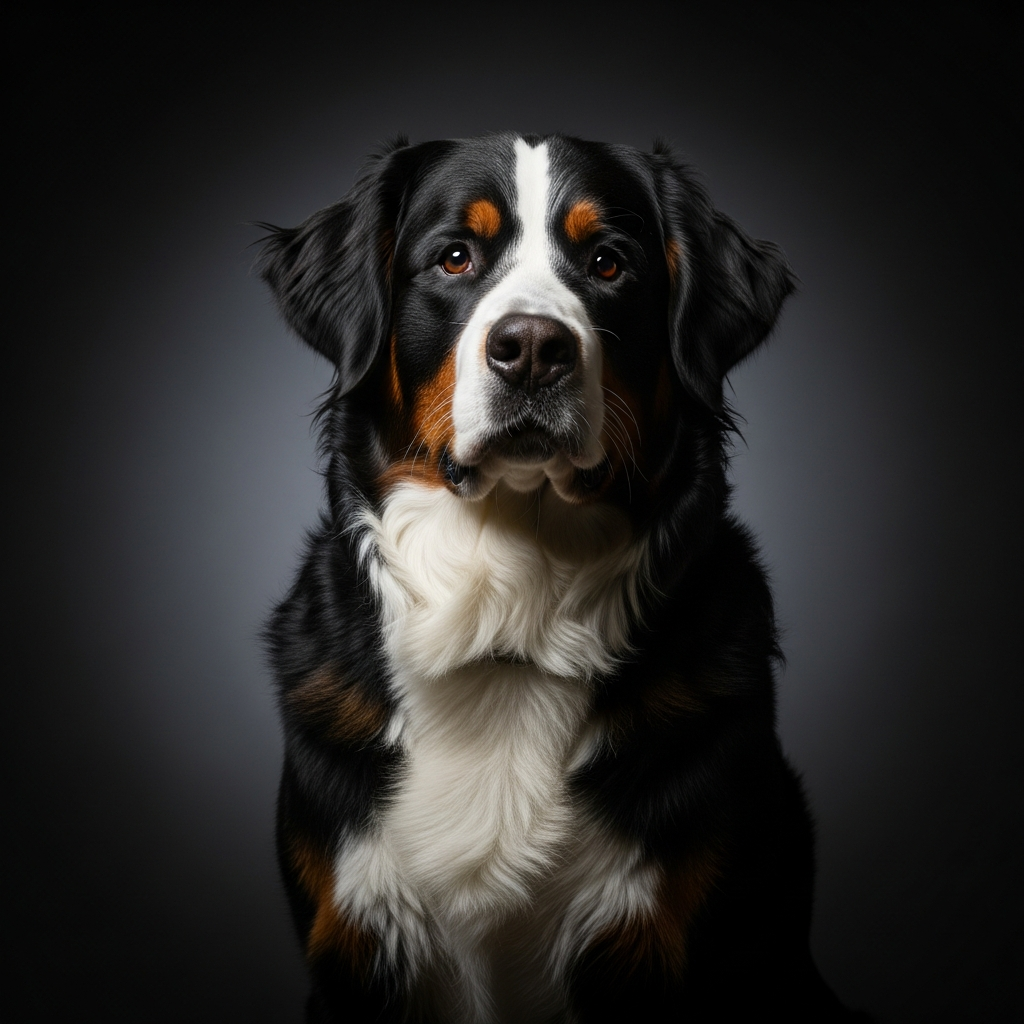
Stoneware mug, dishwasher safe
Buy Mug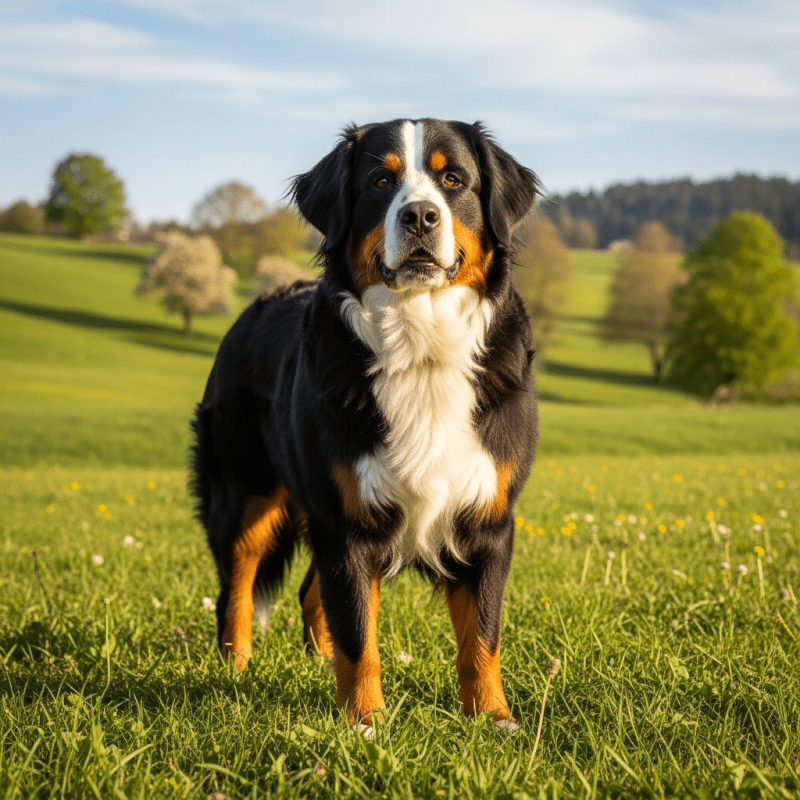
Soft cotton tee, unisex sizes
Buy ShirtIn Swiss culture, the Bernese Mountain Dog is emblematic of rural life and agricultural heritage, often depicted in art and folklore as a steadfast farm companion. Its popularity has spread worldwide, with the breed frequently appearing in dog shows, therapy programs, and as a beloved family pet in Europe and North America. The Bernese Mountain Dog’s image—majestic, gentle, and reliable—has become synonymous with warmth and loyalty in canine circles.
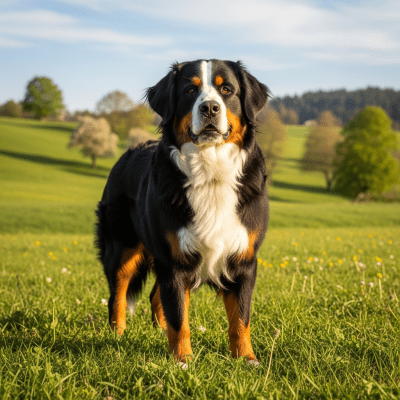
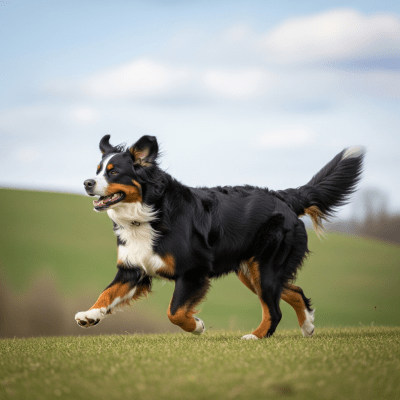

The Bernese Mountain Dog is classified as a large breed, typically standing 58–70 cm (23–28 inches) at the shoulder and weighing 32–52 kg (70–115 pounds). Its robust frame and muscular build make it well-suited for demanding physical tasks.
This breed features a thick, long, double coat that is predominantly black with striking rust and white markings, forming a classic tricolor pattern. The coat is soft yet dense, providing insulation and protection in cold weather.
Bernese Mountain Dogs are gentle, calm, and loyal, with an affectionate disposition that endears them to families. They are intelligent and responsive, making them highly trainable for obedience, draft work, and therapy roles. Their easygoing nature allows them to adapt well to structured training and social environments.
The typical lifespan of a Bernese Mountain Dog is 7–10 years. Common health concerns include hip and elbow dysplasia, cancer, and bloat. Owners should be vigilant about regular veterinary care and proactive screening to support the breed’s well-being.
The Bernese Mountain Dog exhibits minimal regional variation, with breed standards remaining consistent across major authorities worldwide. Its most prominent identity is the "Berner Sennenhund" in Switzerland, but no significant subtypes or divergent lines are recognized.