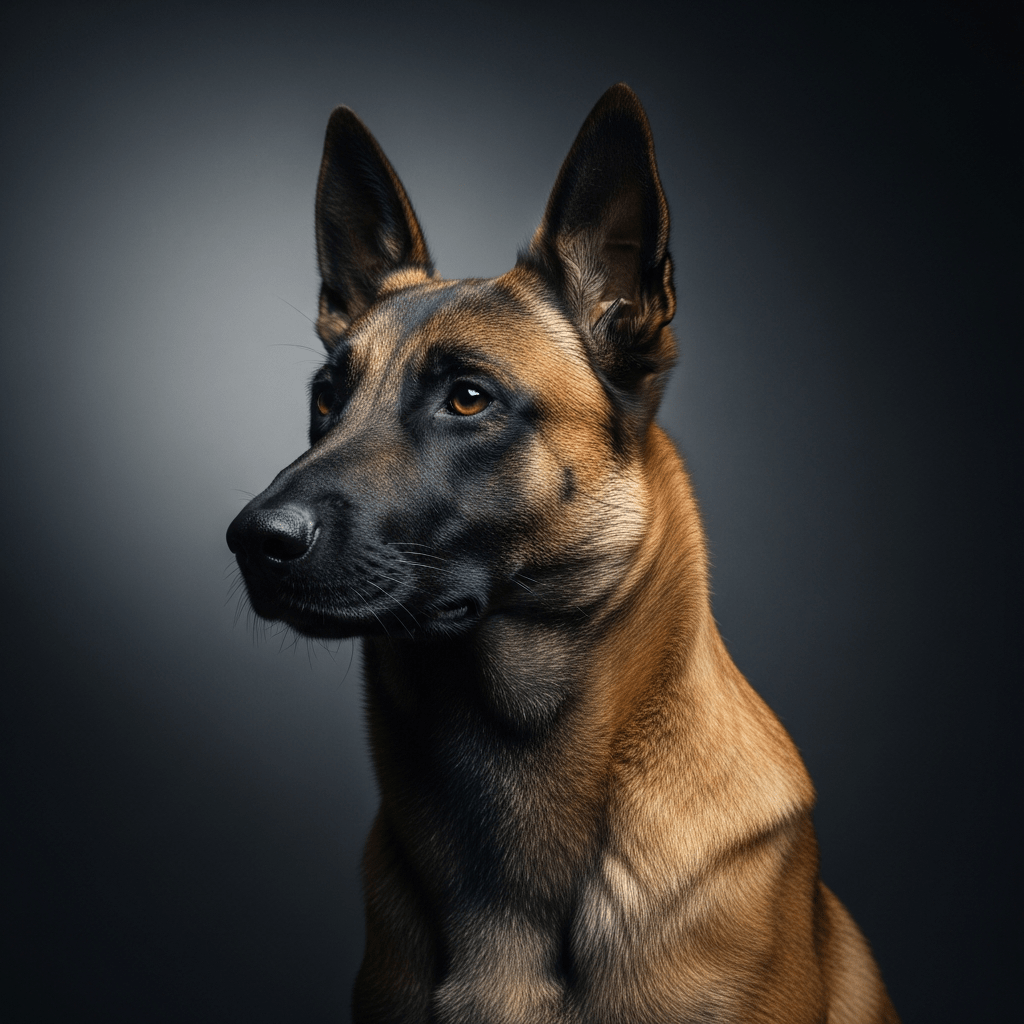
Belgian Malinois
The Belgian Malinois is a highly intelligent, agile, and energetic breed renowned for its exceptional performance in police, military, and protection work worldwide.
The Belgian Malinois is a highly intelligent, agile, and energetic breed renowned for its exceptional performance in police, military, and protection work worldwide.
Originating in Malines (Mechelen), Belgium, in the late 19th century, the Belgian Malinois was developed by local shepherds and dog enthusiasts seeking an efficient herding and working dog. Officially recognized as a distinct variety in 1891 by the Club du Chien de Berger Belge, its lineage is closely tied to the other Belgian Shepherd breeds: Groenendael, Tervuren, and Laekenois.
The Belgian Malinois belongs to the herding group and is one of four recognized Belgian Shepherd varieties. Within canine taxonomy, it is classified as Canis lupus familiaris and sits within the family Canidae, genus Canis. Breed authorities such as the AKC, FCI, and The Kennel Club recognize the Malinois as a distinct breed, though it shares roots and many traits with its Belgian Shepherd relatives.
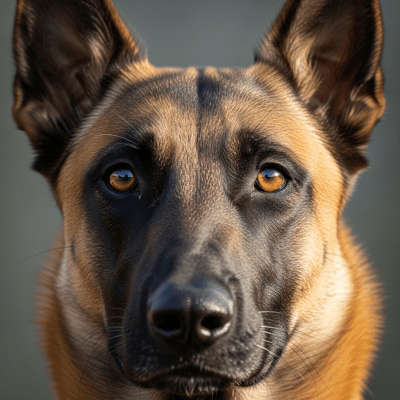
The Belgian Malinois is a medium-sized, well-proportioned dog with a square build and proud carriage. Its short, straight, and hard coat features a dense undercoat, typically fawn to mahogany with a black overlay and a signature black mask. Erect ears and an alert, expressive face contribute to its keen, athletic appearance, while its muscular frame and agile movement reflect its working heritage.
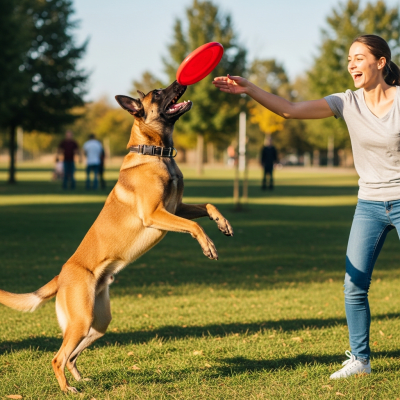
Renowned for its high energy, stamina, and intelligence, the Belgian Malinois thrives in roles requiring agility, obedience, and quick learning. It excels in police and military service, search and rescue, detection, and protection work. As a companion, the Malinois demands substantial physical and mental stimulation and is best suited to active, experienced owners who can provide purposeful engagement.
Bring this kind into your world � illustrated posters, mugs, and shirts.
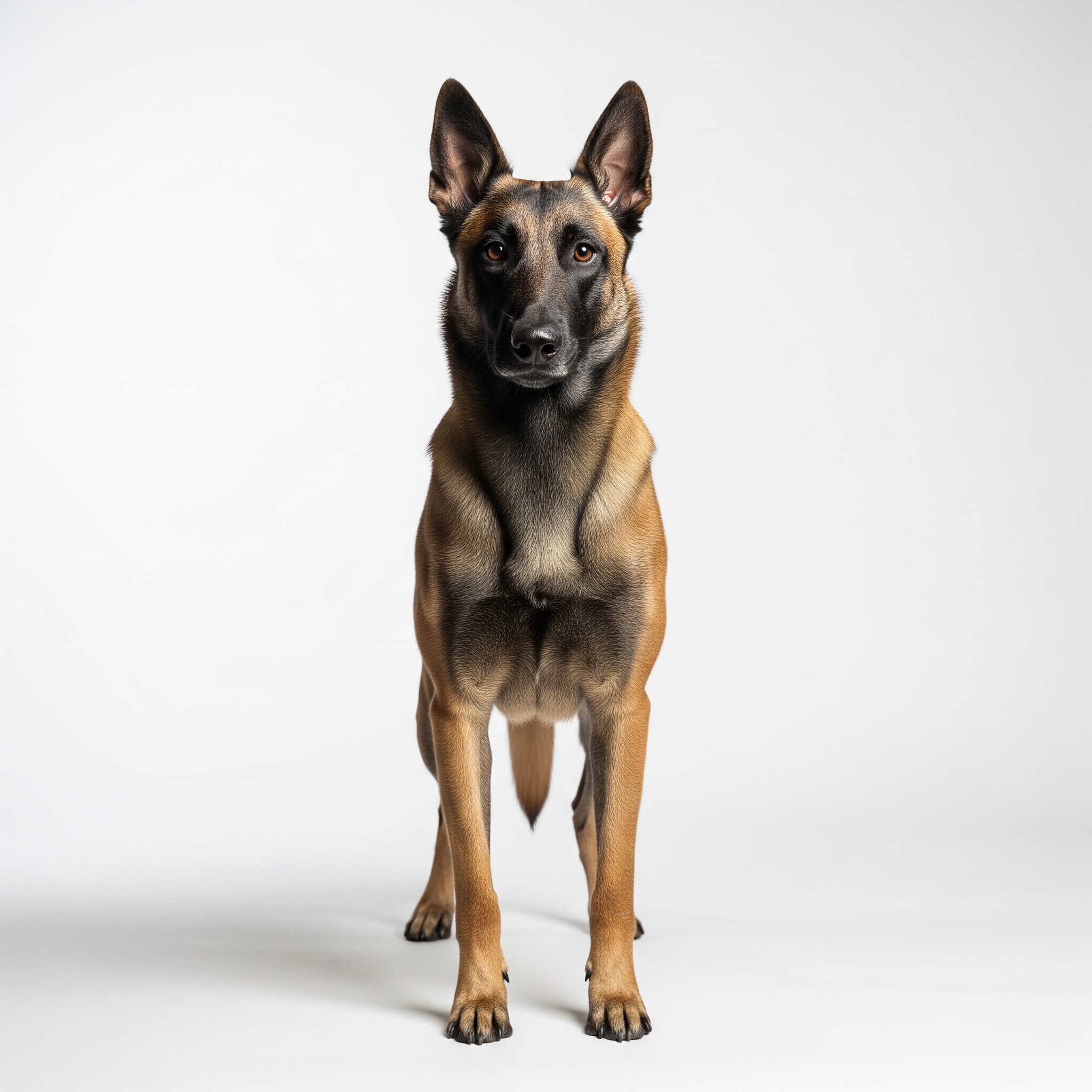
Archival print, museum-grade paper
Buy Poster
Stoneware mug, dishwasher safe
Buy Mug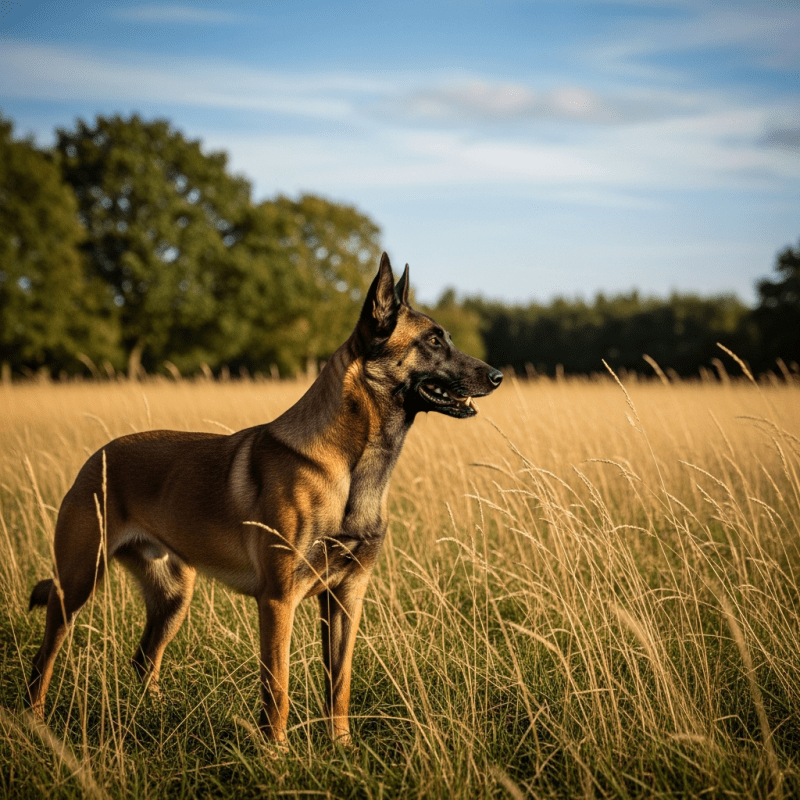
Soft cotton tee, unisex sizes
Buy ShirtThe Belgian Malinois has become an icon in law enforcement and military circles, often featured in media and documentaries highlighting its bravery and skill. Its reputation as a top-tier working dog has elevated its status globally, making it a symbol of loyalty, discipline, and service. The breed is frequently showcased in competitive dog sports and is admired for its versatility and dedication.
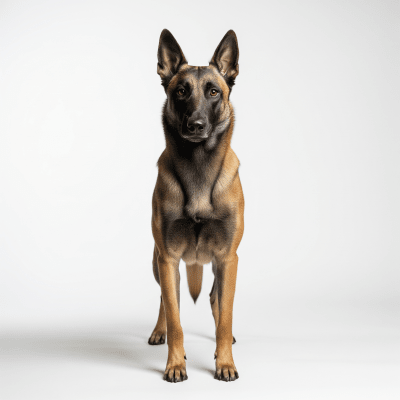
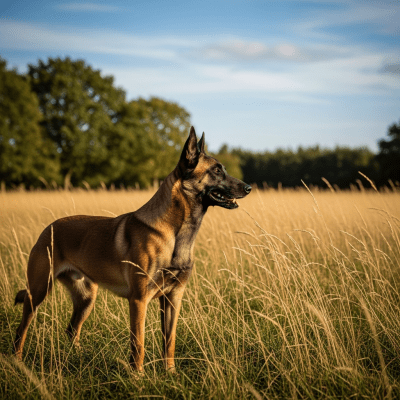
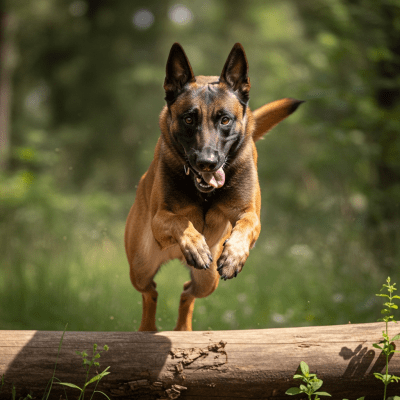

The Belgian Malinois is a medium-sized breed. Males typically stand 61–66 cm at the shoulder, females 56–61 cm, with weights ranging from 18–36 kg. Its build is athletic and square, reflecting strength and agility.
The Malinois sports a short, straight, and hard coat with a dense undercoat. Common colors include fawn and mahogany, often with a black overlay and a distinctive black mask. The coat is easy to maintain and offers protection in varied climates.
Highly intelligent, alert, and energetic, the Belgian Malinois is celebrated for its loyalty and strong work ethic. Exceptionally trainable and eager to work, it excels in obedience, agility, and service roles. This breed requires substantial physical and mental stimulation and is best suited for experienced handlers.
Belgian Malinois are generally robust, with a typical lifespan of 12–14 years. They have few breed-specific health issues, though hip dysplasia and progressive retinal atrophy can occur. Regular veterinary care and active lifestyles help maintain their well-being.
The Belgian Malinois is one of four Belgian Shepherd varieties, alongside the Groenendael, Tervuren, and Laekenois. Each variety is distinguished by coat type and color, and recognized under different names and standards by major kennel clubs worldwide.