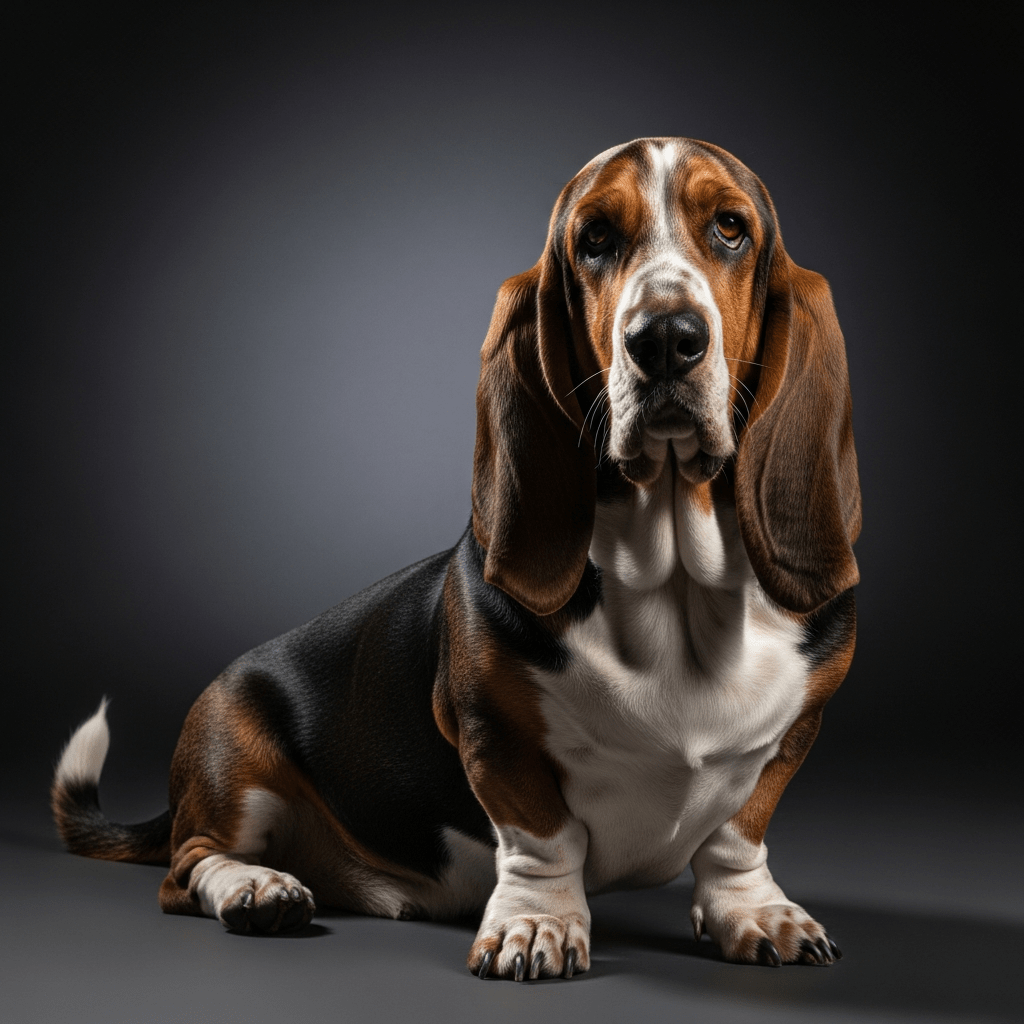
Basset Hound
The Basset Hound is a medium-sized scent hound breed from France, instantly recognizable for its long ears, droopy eyes, and gentle nature.
The Basset Hound is a medium-sized scent hound breed from France, instantly recognizable for its long ears, droopy eyes, and gentle nature.
Originating in France during the late 19th century, the Basset Hound was created by crossing various French hounds, notably the Bloodhound, to produce a dog adept at trailing scents at a slow, steady pace. Refined by French aristocrats for hunting small game, the breed was later standardized in England, with The Kennel Club (UK) establishing the first official breed standard in 1882. The American Kennel Club (AKC) followed with recognition in 1885. The Basset Hound’s ancestry traces back to the St. Hubert Hound and other French scent hounds, reflecting a pedigree steeped in European hunting tradition.
The Basset Hound belongs to the Hound group, specifically classified as a scent hound. Within canine taxonomy, it is part of the Canidae family, genus Canis, and subspecies Canis lupus familiaris. Its breed groupings are recognized by major authorities such as the AKC, FCI, and The Kennel Club (UK), all placing it among breeds renowned for their olfactory prowess and tracking abilities.
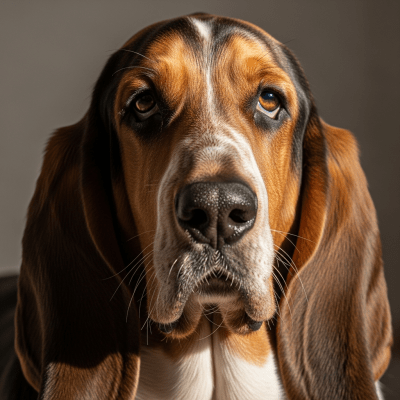
Basset Hounds have a distinctive, elongated body set low to the ground, supported by short, sturdy legs. Their domed skull, long, velvety ears, and loose, wrinkled skin—especially around the face and neck—give them a unique, endearing look. The eyes are droopy and expressive, often appearing mournful. Their coat is short, smooth, and dense, commonly seen in tri-color (black, white, and tan), bi-color (lemon and white, red and white), or other classic hound patterns. The overall impression is one of gentle dignity and unmistakable charm.
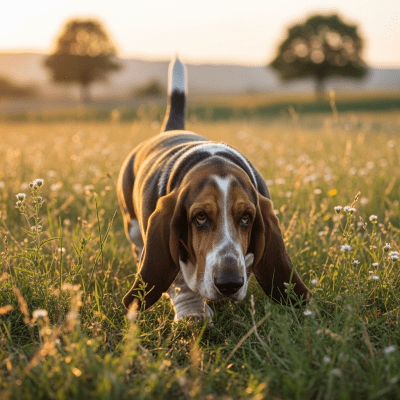
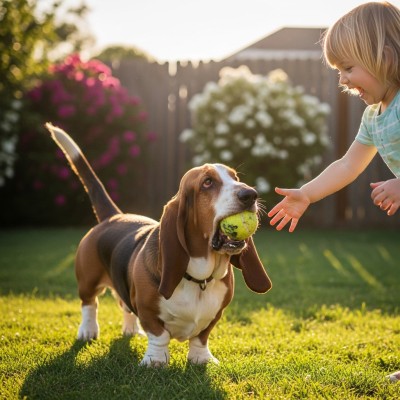
Basset Hounds are celebrated for their slow, deliberate gait and extraordinary sense of smell, second only to the Bloodhound. Traditionally used for hunting small game such as rabbits and hares, they excel at trailing scents over long distances. Today, they are cherished as affectionate family pets, valued for their patience and sociable disposition. Their keen noses also make them suitable for scent work, tracking, and search-and-rescue roles. Basset Hounds interact well with children and other pets, thriving in environments where companionship and gentle activity are prioritized.
Bring this kind into your world � illustrated posters, mugs, and shirts.
Archival print, museum-grade paper
Buy Poster
Stoneware mug, dishwasher safe
Buy Mug
Soft cotton tee, unisex sizes
Buy ShirtThe Basset Hound’s distinctive appearance and gentle temperament have made it a beloved figure in popular culture. Frequently featured in advertising, cartoons, and films, the breed’s mournful expression and floppy ears evoke warmth and humor. Its image is often used to symbolize patience, loyalty, and good-natured stubbornness. The Basset Hound’s enduring popularity as a companion animal reflects its broad appeal across generations and cultures.
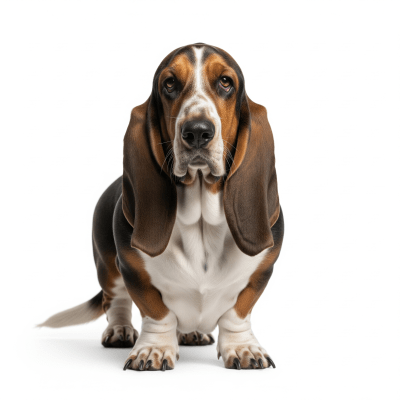

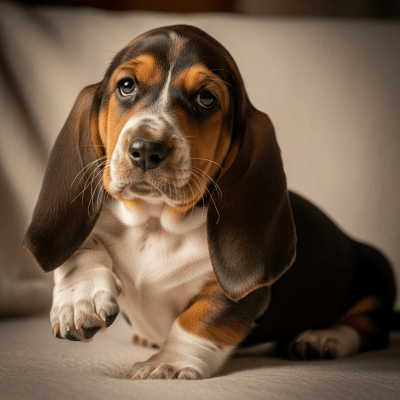
The Basset Hound is a medium-sized breed, typically standing 33–38 cm (13–15 inches) at the shoulder and weighing between 18–29 kg (40–65 pounds). Its body is long and low, with short, powerful legs and a substantial, sturdy build.
Basset Hounds have a short, smooth, and dense coat that is easy to maintain. Common color patterns include tri-color (black, white, and tan), bi-color combinations such as lemon and white or red and white, and other classic hound colorations.
Basset Hounds are affectionate, patient, and gentle, making them excellent family companions. They are sociable and persistent, though often slow-paced and somewhat stubborn. Training requires patience and positive reinforcement, as they may be independent-minded but are generally willing learners when motivated.
The typical lifespan of a Basset Hound is 10 to 12 years. Common health concerns include ear infections, obesity, and joint issues due to their body structure. Regular veterinary care, a balanced diet, and appropriate exercise help maintain their health and well-being.
Notable regional variants related to the Basset Hound include the Basset Artesien Normand and Basset Bleu de Gascogne, which are considered separate breeds with distinct traits and standards. These French bassets differ in appearance and hunting style, but all share a heritage rooted in scent hound traditions.