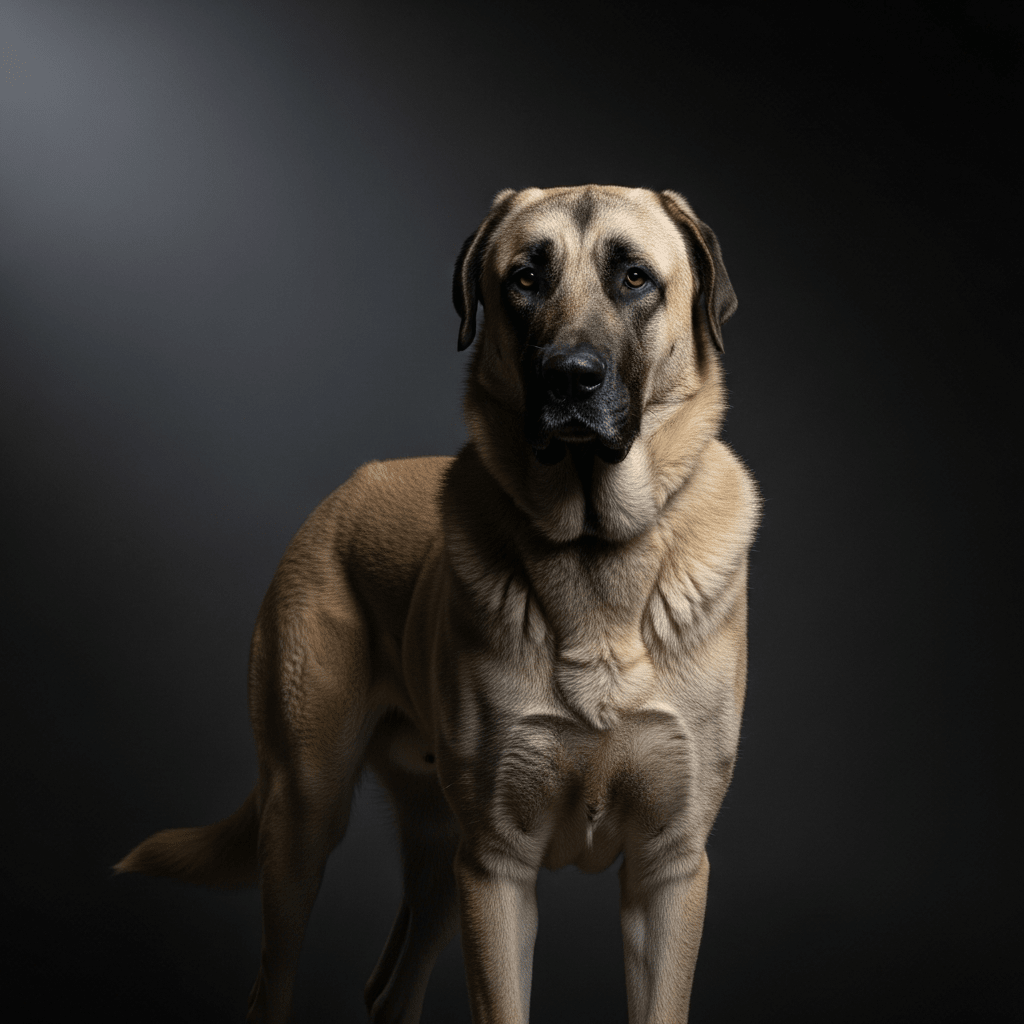
Anatolian Shepherd Dog
The Anatolian Shepherd Dog is a large, resilient livestock guardian breed from Turkey, celebrated for its powerful build, protective instincts, and independence.
The Anatolian Shepherd Dog is a large, resilient livestock guardian breed from Turkey, celebrated for its powerful build, protective instincts, and independence.
Originating in the Anatolia region of modern-day Turkey, the Anatolian Shepherd Dog descends from ancient livestock guardian dogs whose lineage stretches back thousands of years. Developed regionally by Turkish shepherds, the breed emerged through generations of practical selection for dogs capable of defending sheep and goats against formidable predators such as wolves. Rather than being the product of a single breeder or institution, the Anatolian Shepherd evolved as a landrace, shaped by the needs and challenges of rural Turkish life and the harsh environments of the region.
The Anatolian Shepherd Dog belongs to the family Canidae, genus Canis, species Canis lupus familiaris. Within dog breed groupings, it is classified as a working dog, specifically a livestock guardian. Major kennel clubs—including the American Kennel Club (AKC), Fédération Cynologique Internationale (FCI), and The Kennel Club (UK)—recognize it as a distinct breed, though regional definitions and standards may vary. Its primary functional classification is as a guardian of livestock, reflecting centuries of adaptation to protect flocks from predators.
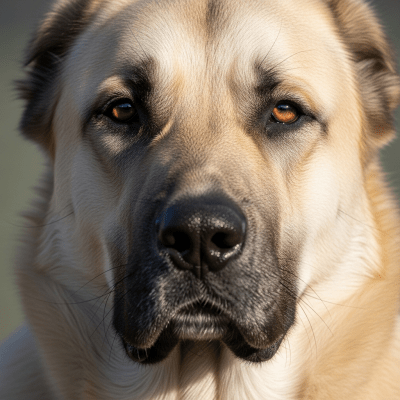
Imposing and powerfully built, the Anatolian Shepherd Dog stands tall—males typically reach 74–81 cm at the shoulder and weigh 50–68 kg, with females slightly smaller. Its dense double coat can be short or rough, providing insulation against extreme weather. The most common coloration is fawn with a black mask, but white, brindle, and pinto patterns are also accepted. Triangular, pendant ears frame a broad head, and the long tail often curls over the back when the dog is alert. The breed’s overall form exudes strength, agility, and ruggedness, perfectly suited for the demands of outdoor work.
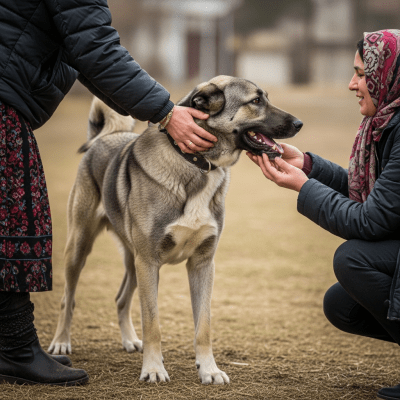
Bred for independence and endurance, Anatolian Shepherd Dogs excel as livestock guardians. Their strong protective instincts drive them to defend flocks with vigilance and courage, often working autonomously in remote or challenging terrain. While they are loyal to their charges and capable of forming close bonds with their human handlers, their temperament is notably independent and reserved, making them best suited for experienced owners and working environments. As companion animals, they require consistent, confident training and benefit from purposeful roles that engage their natural guarding behavior.
Bring this kind into your world � illustrated posters, mugs, and shirts.
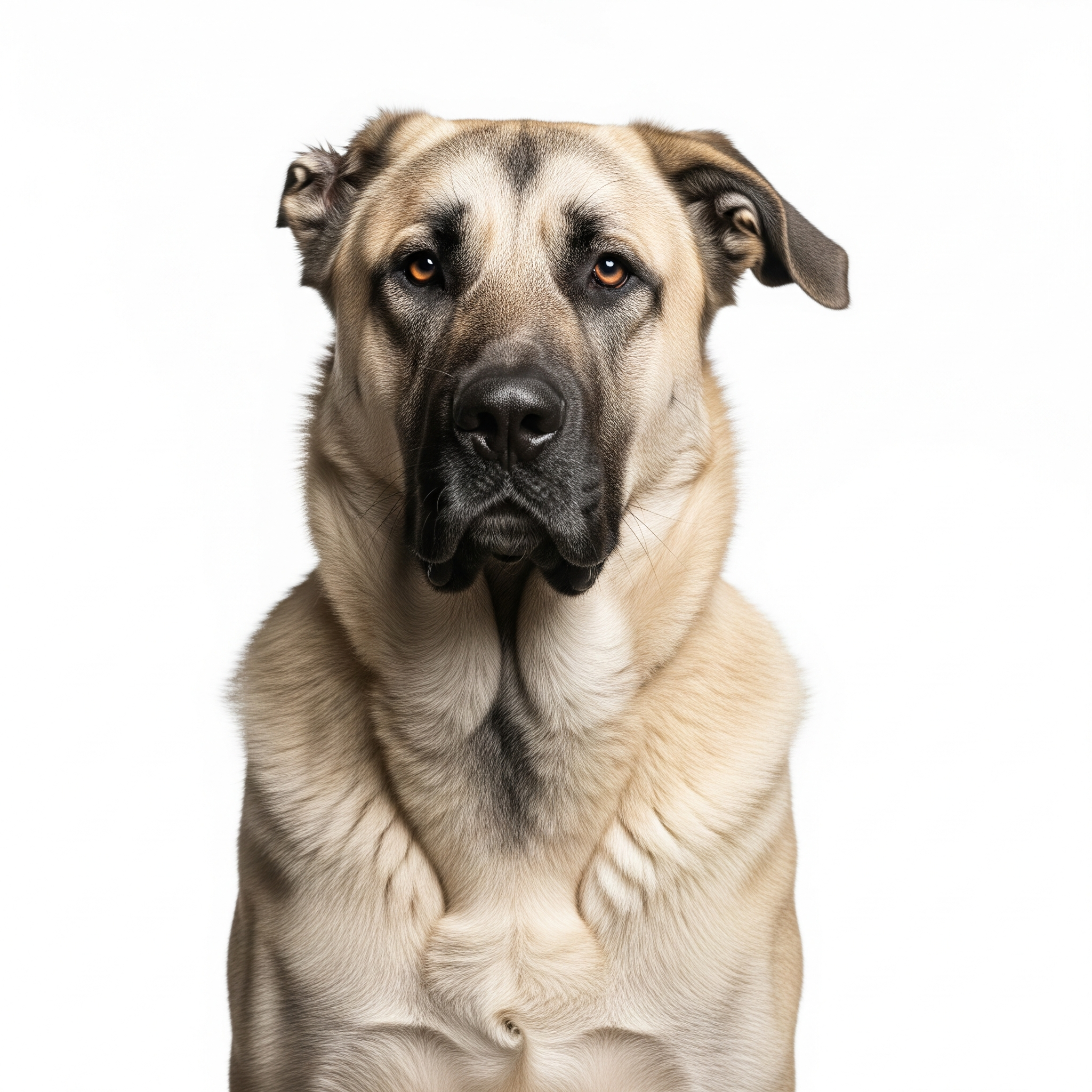
Archival print, museum-grade paper
Buy Poster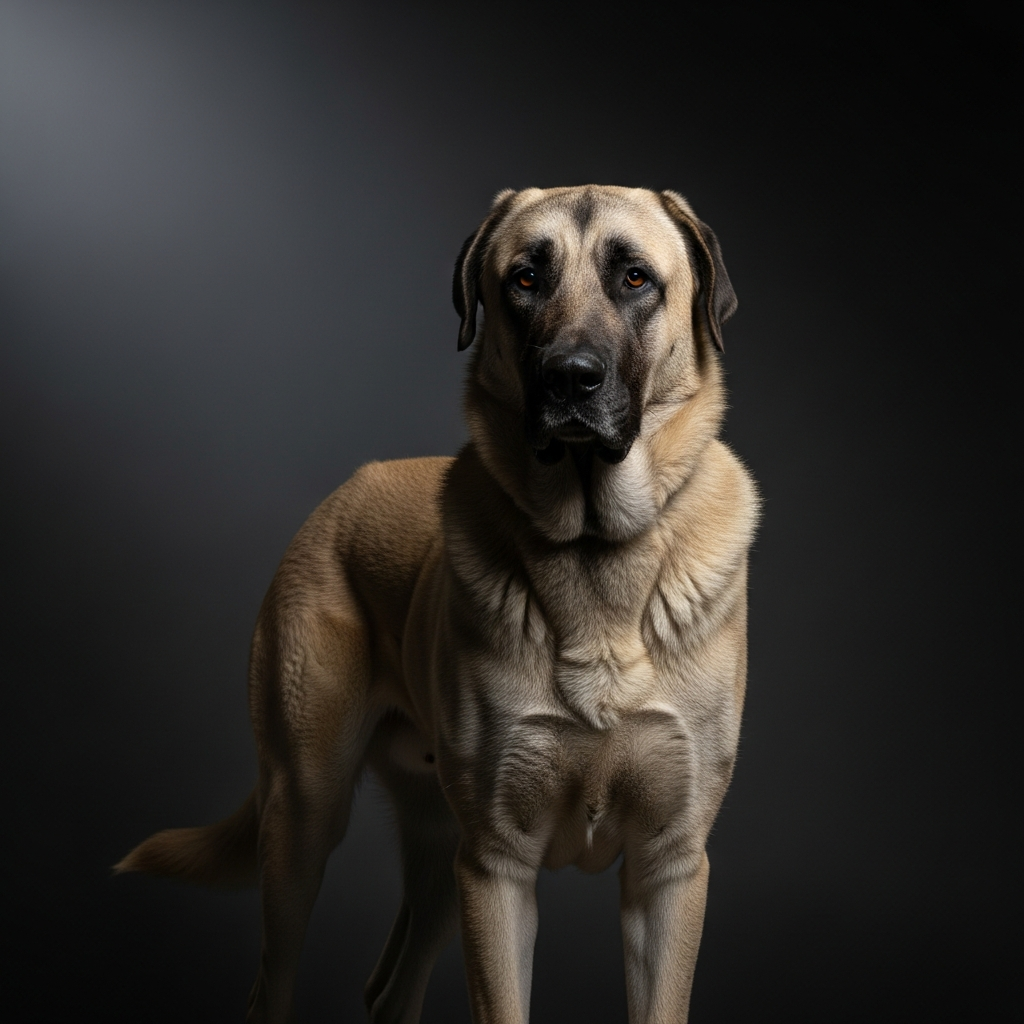
Stoneware mug, dishwasher safe
Buy Mug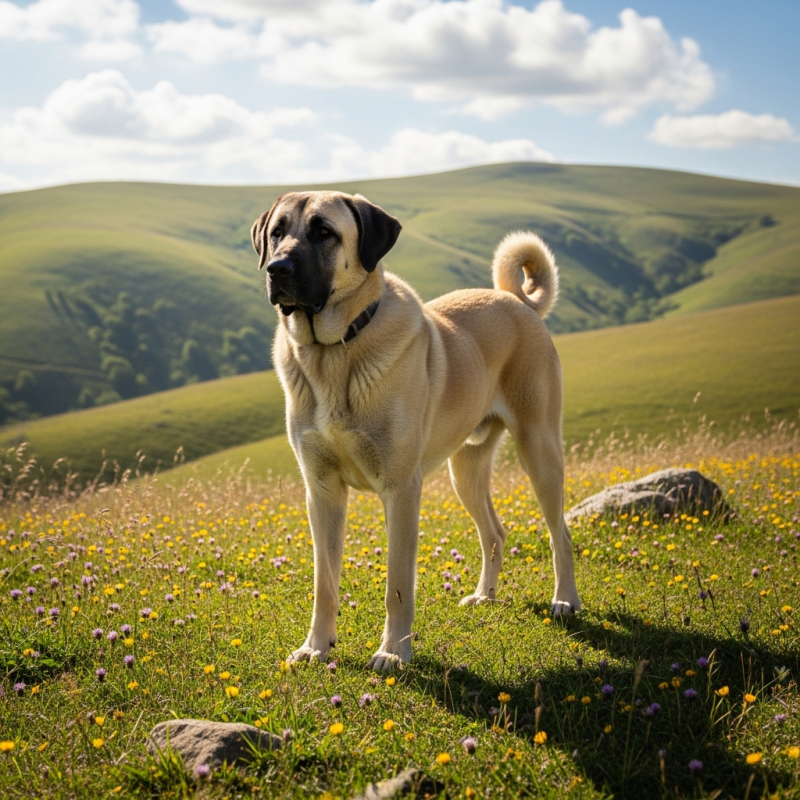
Soft cotton tee, unisex sizes
Buy ShirtIn Turkey, the Anatolian Shepherd Dog is a symbol of rural resilience and agricultural heritage, revered for its vital role in protecting livestock. Its image is often associated with the rugged landscapes of Anatolia and the traditions of Turkish shepherds. Internationally, the breed is respected among working dog enthusiasts and has gained recognition in breed standards and competitions. The Anatolian Shepherd’s legacy continues in both practical use and cultural representation, embodying the enduring bond between humans and their guardian dogs.
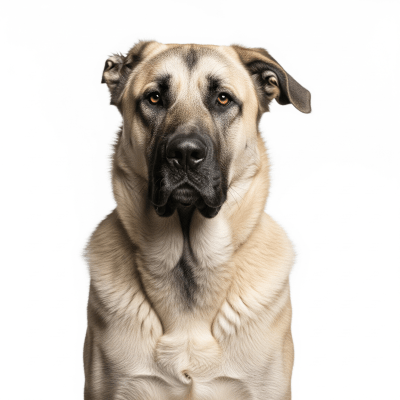
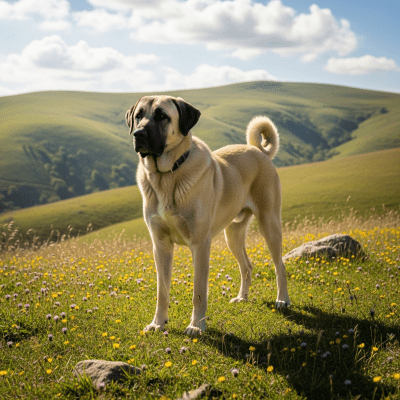
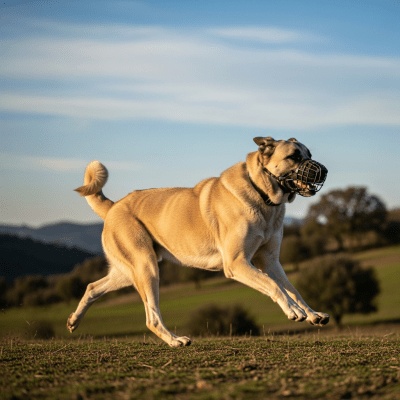
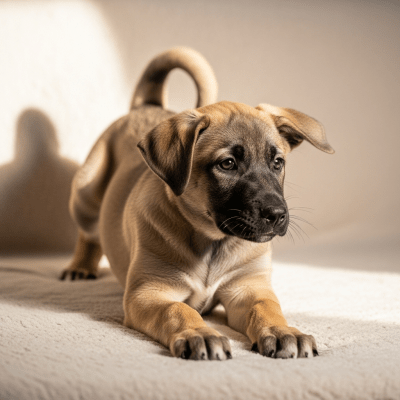
The Anatolian Shepherd Dog is classified as a large breed. Males typically stand 74–81 cm at the shoulder and weigh 50–68 kg, with females slightly smaller. Their robust frame and substantial size are key to their effectiveness as livestock guardians.
Sporting a dense double coat that can be short or rough, the Anatolian Shepherd is well protected against both heat and cold. The most common color is fawn with a black mask, but white, brindle, and pinto patterns are also seen and accepted by breed standards.
Anatolian Shepherds are known for their protective, independent, and resilient temperament. They are intelligent but can be stubborn, requiring consistent and confident training. Their strong guarding instincts make them vigilant and reliable, but they are best suited for owners familiar with working breeds and firm leadership.
The typical lifespan of an Anatolian Shepherd Dog ranges from 11 to 13 years. While generally robust and disease-resistant, they may be prone to hereditary conditions such as hip dysplasia and entropion. Regular veterinary care and attention to joint health are recommended to support their longevity.
The Anatolian Shepherd Dog’s primary role is as a livestock guardian, protecting sheep, goats, and other animals from predators. Its endurance and autonomy make it invaluable in rural and agricultural settings. Additionally, the breed can serve as a companion animal for those able to meet its exercise and training needs, but it remains most effective when given purposeful work.
Within Turkey, regional strains of Anatolian Shepherd Dogs have developed, each adapted to local climates and specific predator threats. These variants may differ subtly in appearance or temperament, reflecting the diverse environments and practical needs of Turkish shepherds. The breed is sometimes confused with the Kangal Dog, which is separately recognized and has its own distinct lineage.