Water Castle
A water castle is a fortified medieval residence ingeniously designed to harness surrounding water—such as moats, lakes, or rivers—as its principal means of defense.
A water castle is a fortified medieval residence ingeniously designed to harness surrounding water—such as moats, lakes, or rivers—as its principal means of defense.
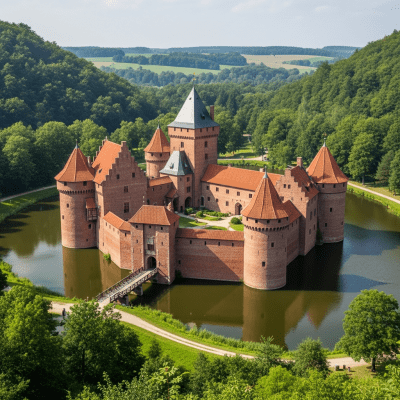
Water castles originated in the early medieval period, around the 11th to 13th centuries, as feudal lords in low-lying regions sought innovative ways to protect their homes. Lacking natural hills for elevation, builders in the Low Countries, northern Germany, and Poland constructed castles on islands, peninsulas, or within artificially flooded landscapes. This adaptation allowed them to transform water into a formidable barrier against attackers, with notable early examples including Muiderslot in the Netherlands and Malbork Castle in Poland.
Within the broader taxonomy of castles, water castles are classified by their strategic use of water as a defensive feature. Closely related to motte-and-bailey and stone keep traditions, they represent a specialized subtype adapted to flat terrains where water, rather than elevation, provided security. Regional terms such as “Wasserburg” (German) and “zamek wodny” (Polish) further distinguish these castles from other fortified residences.
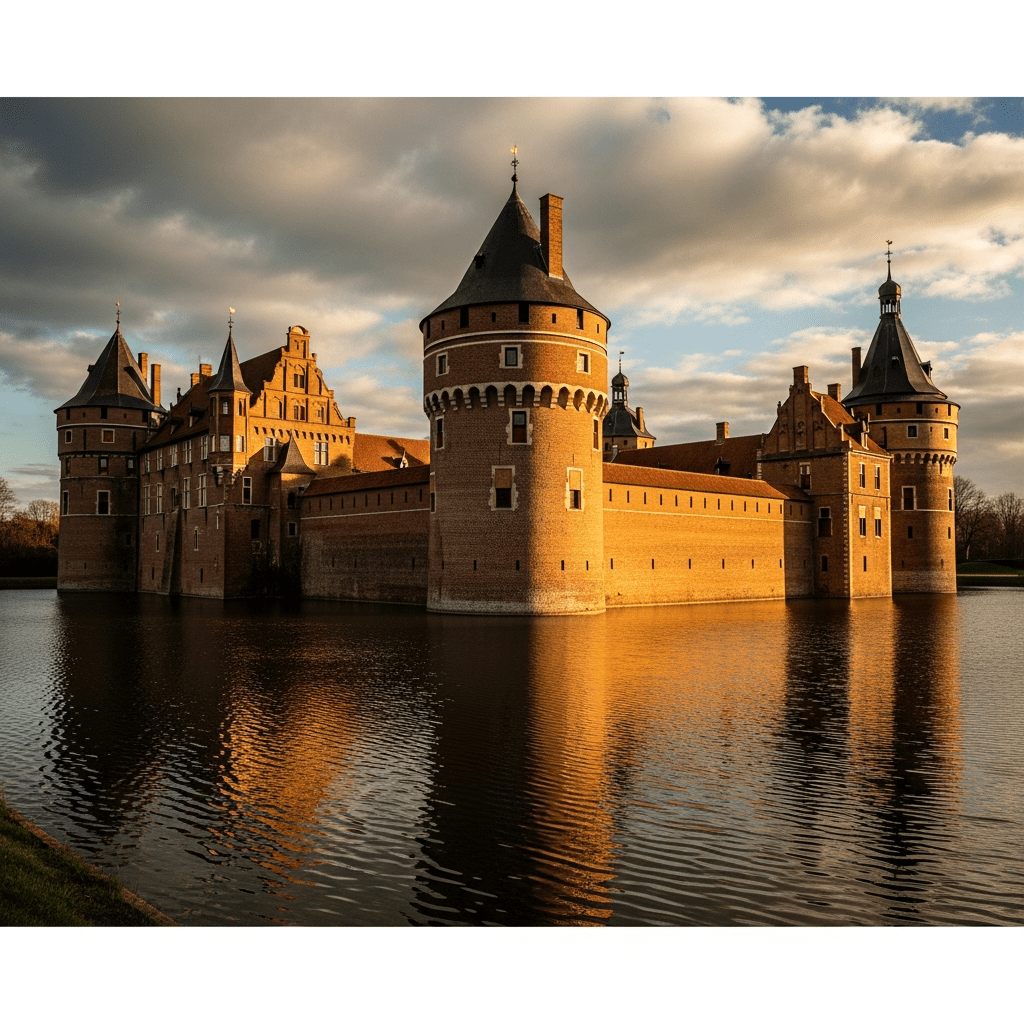
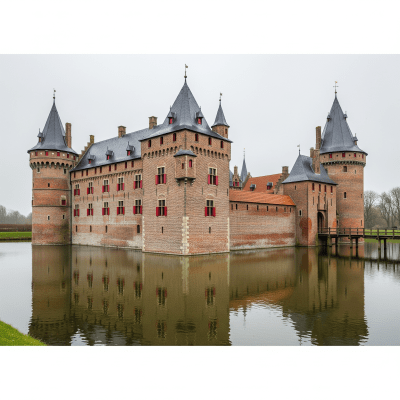
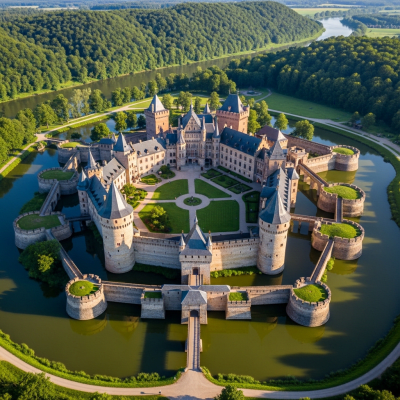
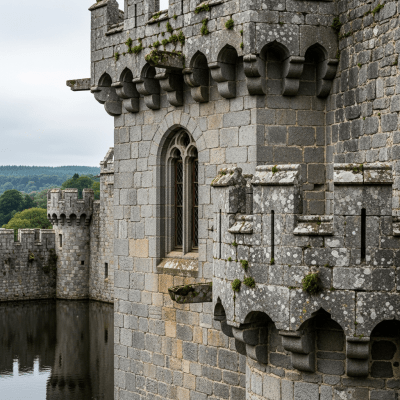
Water castles captivate with their dramatic settings—surrounded by shimmering moats, placid lakes, or winding rivers. The central keep or residential building is often encircled by curtain walls and defensive towers, all reflected in the water below. Access is typically via drawbridges or causeways, heightening the sense of isolation and security. Materials vary by region: brick predominates in northern Europe, while stone is used where available. The interplay of architecture and water creates a striking, almost ethereal visual effect.
Historically, water castles served as fortified homes for nobility, military orders, and regional rulers. Their water defenses not only deterred direct assaults but also complicated siege tactics such as mining. Beyond their military role, these castles functioned as administrative centers, symbols of power, and, in later centuries, palatial residences. Today, many water castles have been repurposed as museums, hotels, or private homes, continuing to inspire admiration and curiosity.
Bring this kind into your world � illustrated posters, mugs, and shirts.
Archival print, museum-grade paper
Buy Poster
Stoneware mug, dishwasher safe
Buy Mug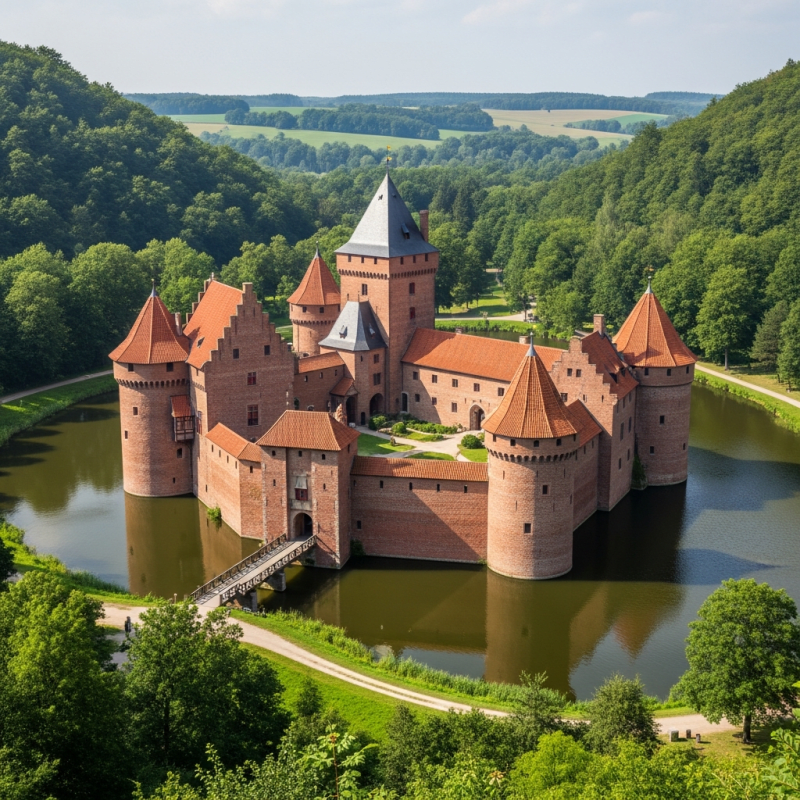
Soft cotton tee, unisex sizes
Buy ShirtWater castles are enduring symbols of medieval ingenuity and adaptation. Their unique integration with water has inspired countless works of art, literature, and folklore, especially in regions where they are most prevalent. Some, like Malbork Castle, have achieved international recognition as UNESCO World Heritage Sites, underscoring their cultural and historical importance. In modern times, water castles evoke romantic images of chivalry, mystery, and architectural mastery.
Key architectural features of water castles include broad moats or natural water barriers, central keeps, curtain walls, defensive towers, and fortified gatehouses. Drawbridges and causeways control access, while arrow slits, machicolations, and thick walls enhance defense. In northern Europe, brick construction is common, reflecting local material availability. Some castles also showcase advanced hydraulic systems for managing water levels and flooding.

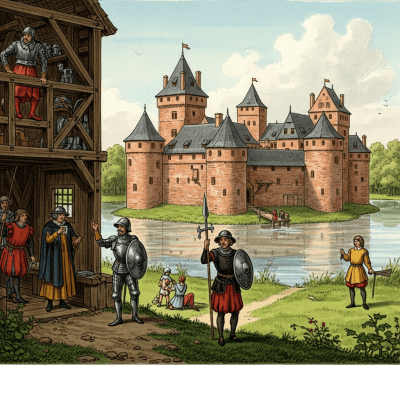
Water castles fulfilled multiple historical roles: they served as strongholds in times of conflict, administrative hubs for local governance, and residences for nobility and military orders. Their strategic placement and water defenses made them focal points during regional wars and feudal disputes, such as the campaigns of the Teutonic Knights in Prussia. Over centuries, some transitioned from defensive bastions to stately homes or cultural landmarks.
Water castles are most prevalent in regions with flat terrain, such as the Netherlands, Belgium, northern Germany, and Poland. In German-speaking areas, the term “Wasserburg” specifically denotes a castle with water defenses, while “Schloss” may refer to later manor houses. In Poland, “zamek wodny” is used. In the British Isles, true water castles are rare; moated manor houses are more common and sometimes confused with water castles. Regional terminology and classification reflect local geography and historical context.
Many water castles have been preserved through restoration efforts and heritage designations. Some, like Malbork Castle, are UNESCO World Heritage Sites, recognized for their architectural and historical significance. Others have been adapted for modern use as museums, hotels, or private residences. While some water castles remain in ruins, ongoing conservation initiatives aim to protect these unique structures for future generations.
Water castles are often shrouded in local legends and folklore. Stories abound of hidden treasures submerged beneath moats, ghostly apparitions haunting the watery halls, and secret tunnels leading under the water. In some regions, tales recount daring escapes across drawbridges or mystical creatures inhabiting the castle’s lakes. These myths add an aura of mystery and enchantment to the already dramatic setting of the water castle.
When visiting a water castle, check opening hours and accessibility, as some are located on islands or require crossing drawbridges. The best times to visit are spring and early autumn, when water features and gardens are at their most picturesque. Respect preservation guidelines—stay on marked paths and avoid disturbing wildlife in the surrounding waters. Guided tours often reveal hidden architectural details and fascinating history, enriching your experience.
Alternate names for water castles include “Wasserburg” (German), “waterkasteel” (Dutch), “château d’eau” (French, though rarely used), and “zamek wodny” (Polish). In Germanic regions, “Wasserburg” is distinct from “Schloss,” which may refer to later manor houses. Terminology varies by region, and in the British Isles, moated manor houses are sometimes mistakenly called water castles. Understanding these nuances helps clarify the castle’s identity and historical context.