Castello (Italian Castle)
The Castello, or Italian castle, is a fortified medieval residence that blends military defense with noble grandeur, epitomizing Italy’s architectural and cultural legacy from the 9th to 16th centuries.
The Castello, or Italian castle, is a fortified medieval residence that blends military defense with noble grandeur, epitomizing Italy’s architectural and cultural legacy from the 9th to 16th centuries.
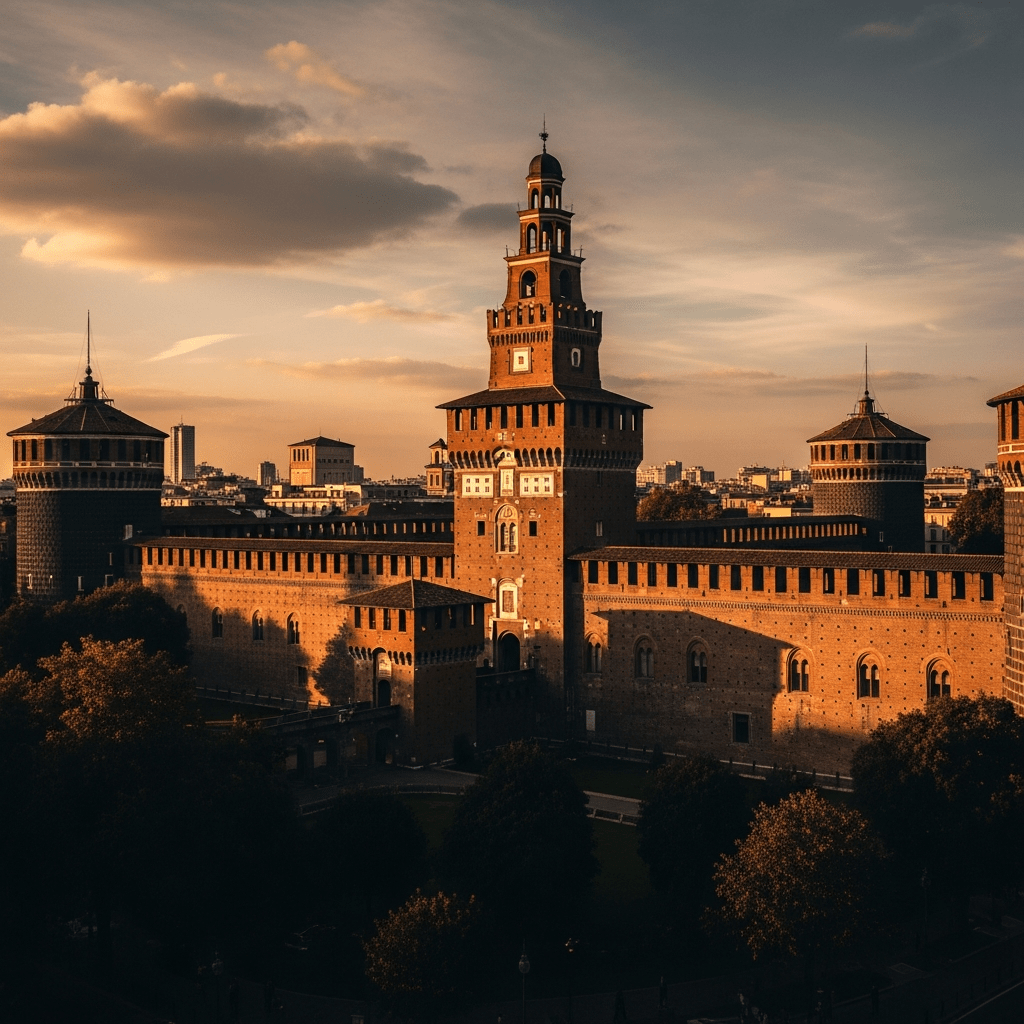
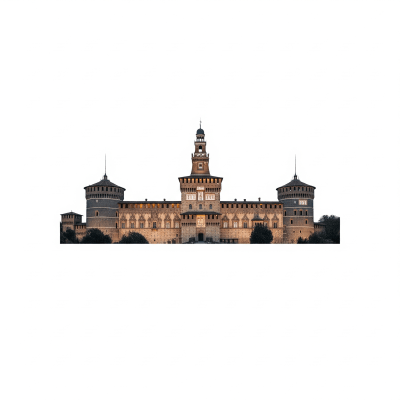
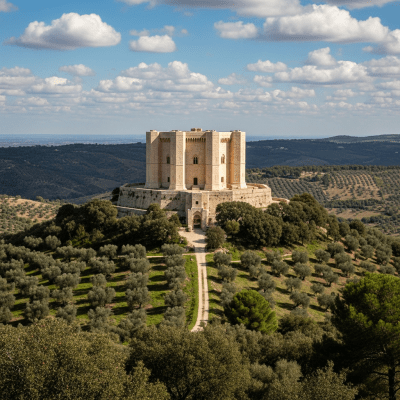
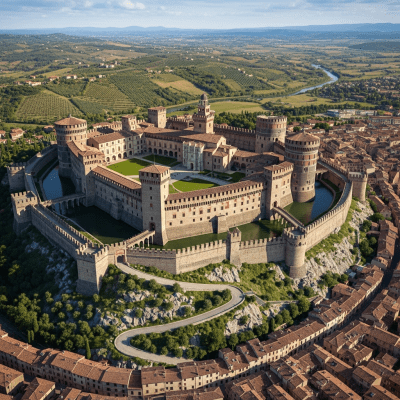
Italian castles, known as "castelli," originated between the 9th and 16th centuries, shaped by feudal lords, city-states, and influential dynasties such as the Normans, Hohenstaufens, Viscontis, and Sforzas. Their development reflects a synthesis of Roman fortification traditions, Lombard and Norman engineering, and later Renaissance artistry. Notable constructions like Castel del Monte, commissioned by Emperor Frederick II, and Castello Sforzesco, built by the Visconti family and expanded by the Sforzas, showcase the evolution and regional diversity of Italian castle-building.
Castelli belong to the broader family of medieval European castles, yet stand apart for their distinctive Italian adaptations. They are classified by function—urban fortress, hilltop stronghold, or palace-castle hybrid—and by period, spanning from early medieval through the Renaissance. Regional styles further distinguish northern castles, with Gothic and Renaissance influences, from southern examples, which retain Norman and Arab elements. Within the castles taxonomy, castelli are recognized for their blend of residential, defensive, and administrative roles.
Italian castles present a striking visual diversity, from imposing stone fortresses perched atop hills to elegant urban complexes integrated with city walls. Common features include thick stone masonry, curtain walls, square or round towers, fortified gates, and defensive moats or ditches. Many display Renaissance touches—symmetrical layouts, decorative stonework, and palatial wings—while some, like Castel del Monte, are celebrated for geometric precision and symbolic design. Materials such as local limestone, marble, and brick lend each castello a unique regional character, enhanced by details like crenellations, machicolations, and elaborate portals.
Historically, castelli served as residences for nobility, military garrisons, and administrative centers, embodying feudal authority and regional governance. Their defensive architecture protected inhabitants from invasions and local conflicts, while their grand halls hosted political negotiations, cultural patronage, and courtly life. Over centuries, many castelli transitioned from strongholds to symbols of prestige, and today, numerous examples function as museums, heritage sites, or private homes, preserving their legacy for public engagement and cultural enrichment.
Bring this kind into your world � illustrated posters, mugs, and shirts.

Archival print, museum-grade paper
Buy Poster
Stoneware mug, dishwasher safe
Buy Mug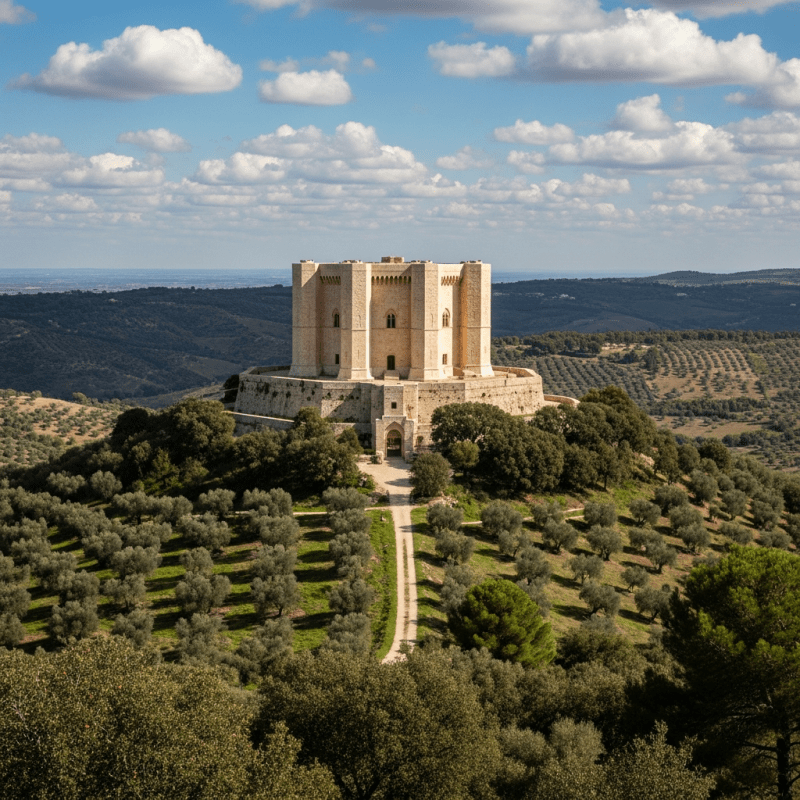
Soft cotton tee, unisex sizes
Buy ShirtCastelli are woven into Italy’s cultural tapestry, celebrated in art, literature, and folklore. Their silhouettes dominate landscapes and city skylines, inspiring Renaissance artists and modern storytellers alike. Sites such as Castel del Monte and Castello Sforzesco are not only architectural marvels but also cultural icons, representing Italy’s history of innovation, power, and artistic achievement. Many castelli host festivals, exhibitions, and educational programs, continuing their role as centers of community and cultural identity.
Key architectural features of Italian castles include robust stone masonry, thick curtain walls, square or round towers, fortified gates, and defensive moats or ditches. Urban castelli often integrate with city walls and feature large courtyards and palatial wings, while rural examples prioritize strategic visibility and defense. Renaissance elements—symmetry, decorative stonework, and comfort—are common. Notable details include machicolations (projecting parapets), crenellations (battlements), drawbridges, and elaborate entrance portals. Materials such as limestone, marble, and brick are frequently used, with geometric precision and symbolic motifs in select castles like Castel del Monte.
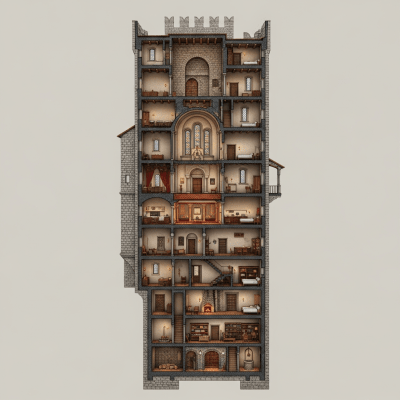
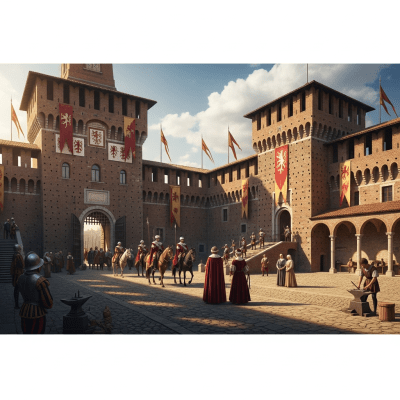
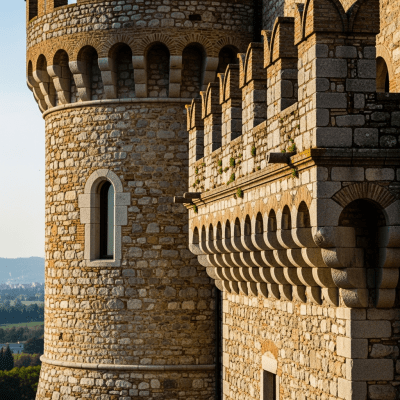
Castelli have played multiple roles throughout history: as fortified residences for nobility, military garrisons during periods of conflict, administrative centers for regional governance, and symbols of feudal power. They were sites of sieges, dynastic disputes, and political negotiations, shaping the course of Italian history. In the Renaissance, many castles evolved into courts of culture and patronage, hosting artists and intellectuals. Today, their historical roles are commemorated through preservation and public engagement.
Italian castles display marked regional differences. In the north, castelli often feature Gothic arches, Renaissance facades, and elaborate stonework, reflecting influences from France and Germany. Southern castles retain Norman and Arab architectural elements, such as rounded towers and fortified keeps. The term "rocca" is common for hilltop strongholds, while "fortezza" denotes more militarized fortresses. Heritage registers and UNESCO recognize several regional variants, with Castel del Monte in Apulia standing out for its unique geometry and symbolism.
Many Italian castles are well-preserved, thanks to national heritage registers and UNESCO World Heritage designations. Restoration efforts focus on maintaining structural integrity, conserving decorative elements, and adapting spaces for public use. Some castelli, like Castel del Monte, benefit from international recognition and ongoing conservation, while others remain private residences or are partially in ruins. Italy’s commitment to cultural heritage ensures that these castles continue to be accessible and appreciated by future generations.
Italian castles are steeped in legends and folklore. Castel del Monte is shrouded in mystery, with tales of secret codes and symbolic meanings woven into its octagonal design. Many castelli are said to be haunted by the spirits of former nobles or soldiers, and stories of hidden treasures, secret passages, and dramatic sieges abound. These myths enrich the cultural allure of Italian castles, inviting visitors to imagine the intrigue and romance of medieval life.
In Italy, "castello" is the standard term for castle, while "fortezza" refers to a fortress, and "rocca" denotes a fortified hilltop castle. The phrase "palazzo-castello" describes palace-castle hybrids, blending residential luxury with defensive features. Regional terminology varies, with northern and southern Italy favoring different architectural styles and influences. Internationally, "castello" may be translated as "château" (French) or "burg" (German), though these terms carry their own nuances and historical contexts.