Origin Story

Originating in the United Kingdom during the 19th century, the Victoria Sponge is named after Queen Victoria, who famously enjoyed the cake with her afternoon tea. Its rise in popularity coincided with the advent of baking powder, which allowed bakers to create lighter and fluffier cakes, cementing its place in British culinary tradition.

Classification

Classified as a sponge cake, the Victoria Sponge belongs to a family of cakes characterized by their reliance on air incorporation and leavening agents like baking powder to achieve a tender crumb. It is a multi-layered variety, distinguished by its simple yet elegant assembly of sponge layers and creamy fillings.

Appearance or Form

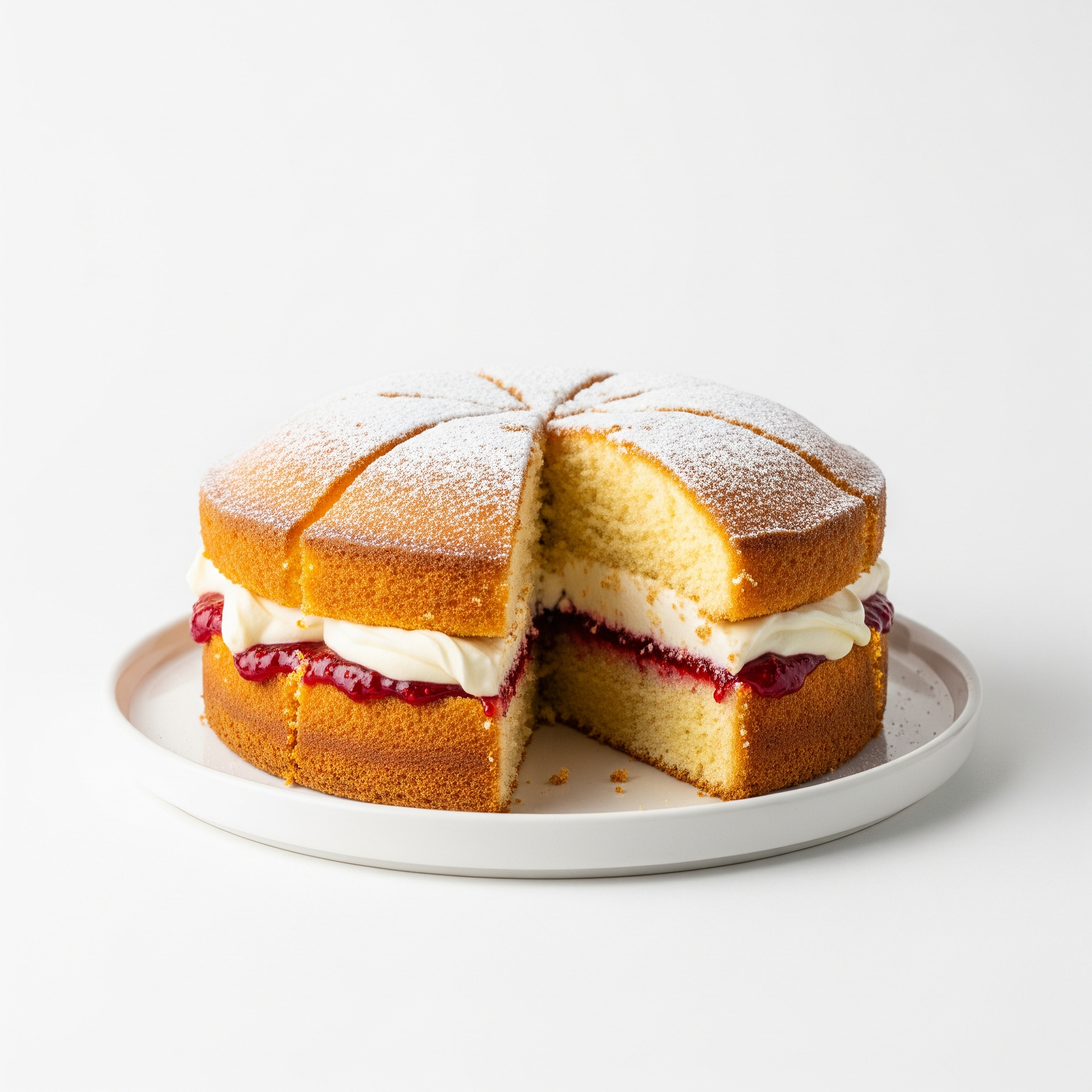
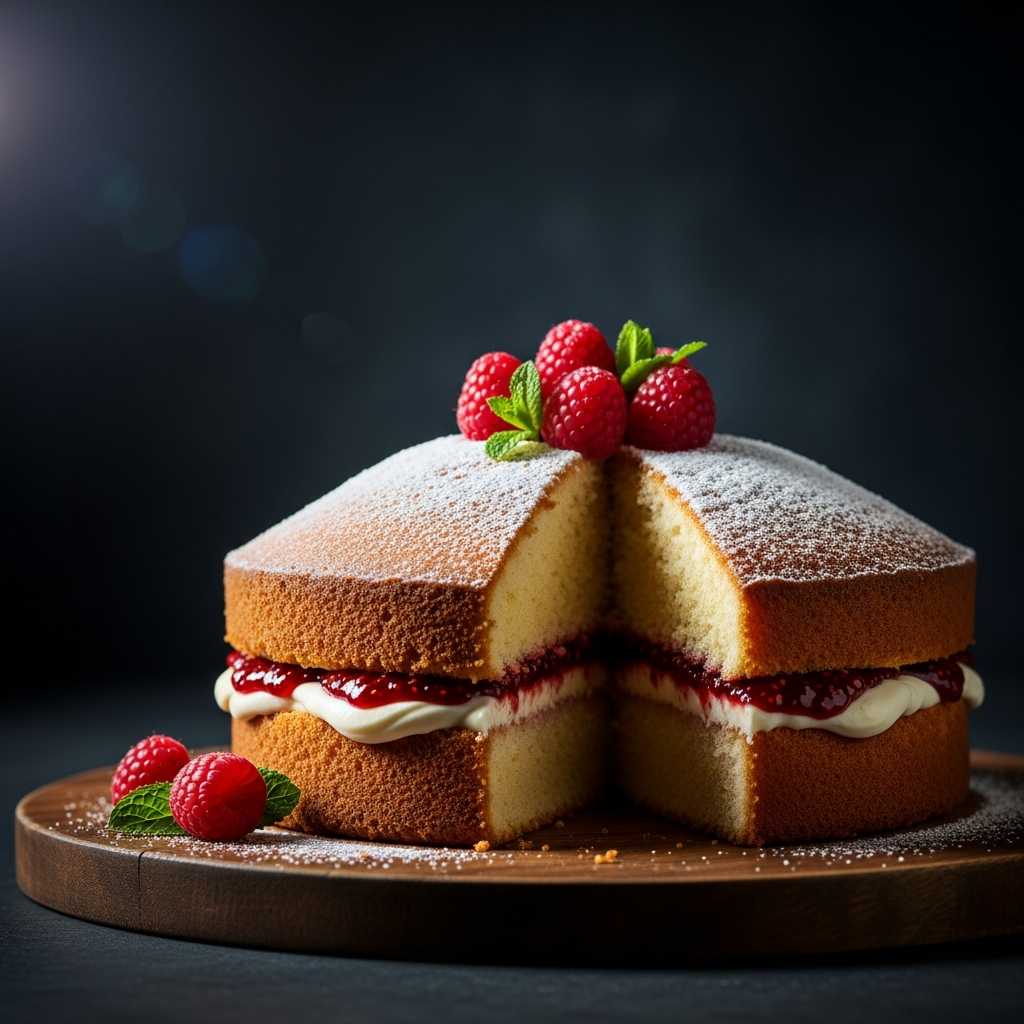
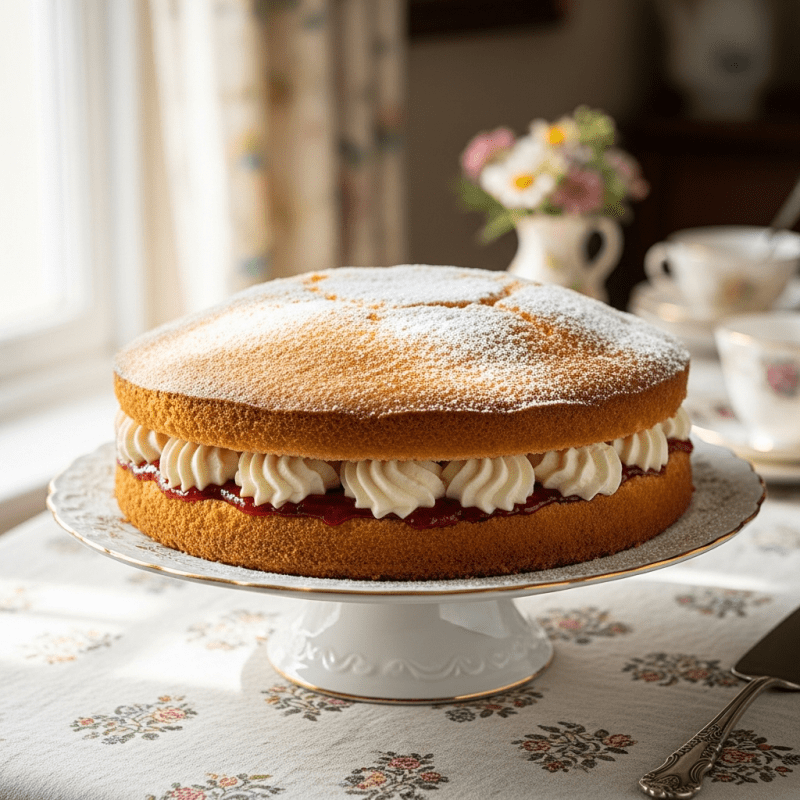
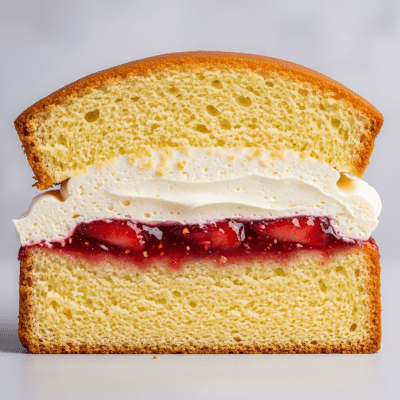
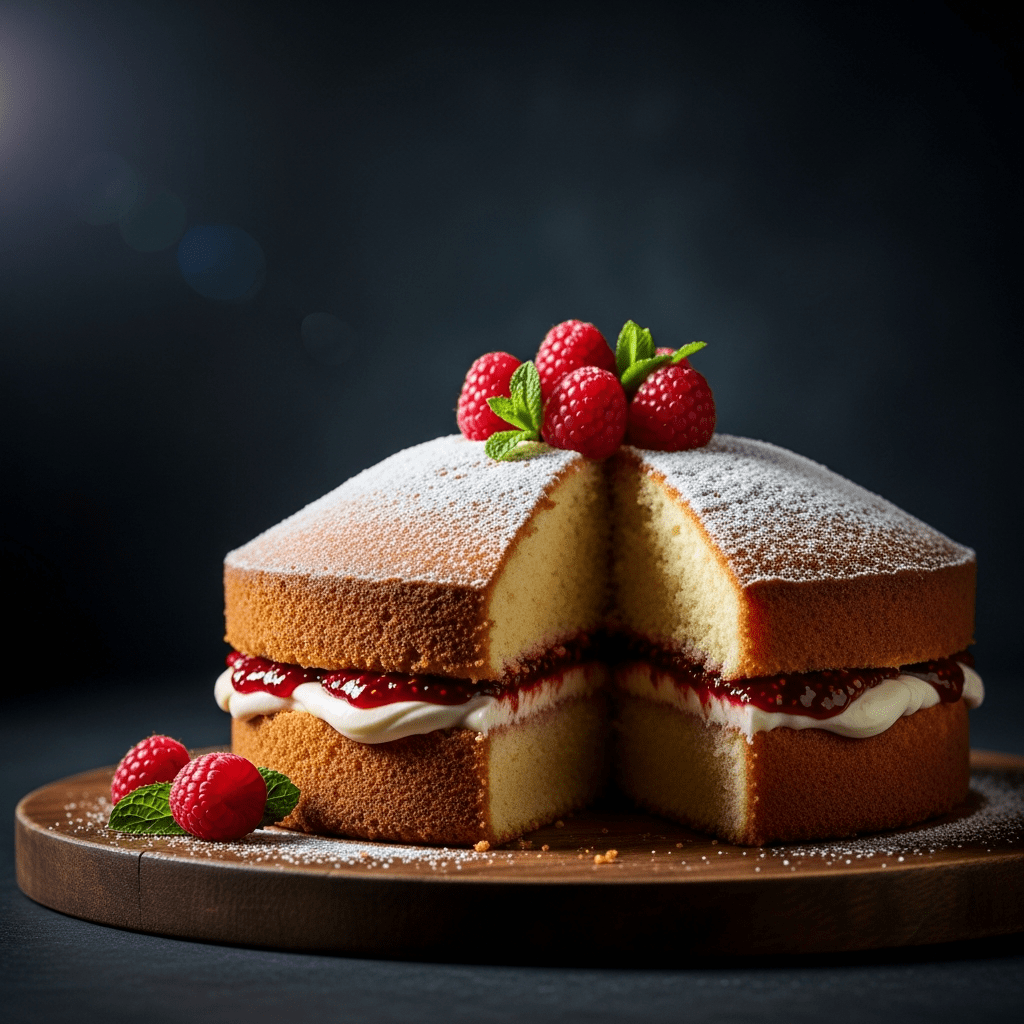
The cake typically presents as two equal-sized round sponge layers sandwiched together with a generous spread of raspberry or strawberry jam and either whipped cream or buttercream. The top is usually left undecorated except for a light dusting of icing sugar, emphasizing its understated elegance and inviting texture.

Behavior or Usage

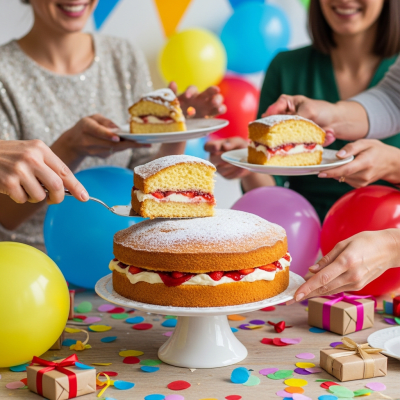
Victoria Sponge serves as a beloved component of British teatime rituals, enjoyed in social gatherings, celebrations, and everyday occasions. It is widely available in bakeries and cafés across the UK and often featured in baking competitions, where it acts as a benchmark of skill and tradition.

Merchandise & Prints

Bring this kind into your world � illustrated posters, mugs, and shirts.

Victoria Sponge Victoria Sponge Poster

Victoria Sponge Poster

Archival print, museum-grade paper

Victoria Sponge Victoria Sponge Mug

Victoria Sponge Mug

Stoneware mug, dishwasher safe

Victoria Sponge Victoria Sponge Shirt

Victoria Sponge Shirt

Soft cotton tee, unisex sizes

Attributes & Insights

Taxon-Specific Insights

🌍Cultural Significance

As an iconic symbol of British domestic baking, the Victoria Sponge embodies the heritage of afternoon tea culture and royal association. Its presence in popular media and baking contests like "The Great British Bake Off" underscores its enduring cultural resonance and role as a culinary touchstone.

📌Notable Facts

  • Named after Queen Victoria, who popularized the cake during her reign.
  • The cake’s lightness was made possible by the introduction of baking powder in the 19th century.
  • It is traditionally filled with fruit jam and either whipped cream or buttercream, offering a balance of sweetness and richness.
  • Often used as a standard test of baking skill in competitions.
  • Sometimes called "Victoria Sandwich" or "Victoria Sandwich Cake," especially within the UK.

🧁Main Ingredients

Key ingredients include:

  • Wheat flour (usually self-raising)
  • Eggs
  • Butter
  • Sugar
  • Baking powder
  • Fruit jam (commonly raspberry or strawberry)
  • Whipped cream or buttercream

Visual Variations

High quality studio photograph of a Victoria Sponge from the cake taxonomy
A realistic image of a whole Victoria Sponge (cake) displayed on a classic dessert table in a home or bakery setting
Detailed cross-sectional view of a sliced Victoria Sponge (cake), showing internal layers, textures, and ingredients
A scene showing the Victoria Sponge (cake) being served or enjoyed at a festive occasion, such as a birthday party or wedding
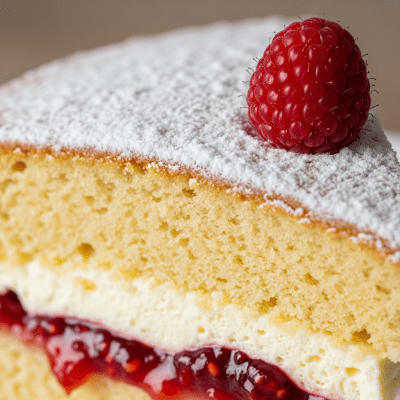
Close-up macro photograph of the surface texture and decoration of a Victoria Sponge (cake)
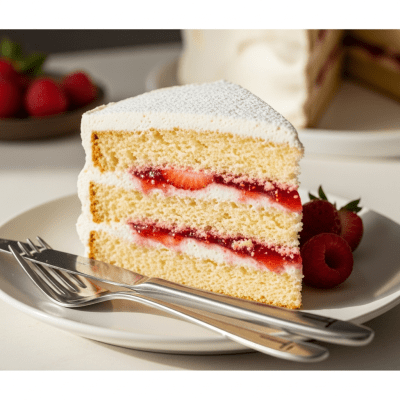
An image of a single slice of Victoria Sponge, from the cake taxonomy, isolated on a plate with simple cutlery

Composition & Context

Taxon-Specific Insights

👩‍🍳Preparation Methods

The preparation begins by creaming butter and sugar until light and fluffy, then eggs are added. Flour and baking powder are gently folded in to preserve airiness. The batter is baked in round tins until golden, cooled completely, then layered with jam and cream before assembly.

👅Texture And Flavor Profile

The Victoria Sponge boasts a tender, airy crumb with a delicate sweetness. The jam adds a fruity tartness, while the cream or buttercream contributes richness and smoothness, creating a harmonious balance of lightness and indulgence.

⚠️Dietary And Allergen Info

Dietary considerations: The cake contains gluten from wheat flour, dairy from butter and cream, and eggs, making it unsuitable for those with allergies to these ingredients. It typically does not contain soy. Common dietary variants are rare but may include gluten-free or vegan adaptations.

🌍Regional Variants

Within the United Kingdom, the Victoria Sponge is sometimes referred to as the "Victoria Sandwich," which may omit the cream filling for simplicity. Outside the UK, the term "sponge cake" can sometimes be used interchangeably, though this can cause confusion with other sponge varieties.

Decoration And Presentation

The cake is traditionally presented simply, with a light dusting of icing sugar atop the assembled layers. This minimal decoration highlights the cake’s classic elegance and invites focus on its texture and filling rather than elaborate adornment.

Faq

Q: What is the difference between a Victoria Sponge and other sponge cakes?
A: The Victoria Sponge is specifically characterized by its two-layer round form filled with jam and cream, and its association with British teatime.

Q: Can the filling vary?
A: Yes, while traditionally jam and whipped cream or buttercream are used, some versions omit cream or use different jams.

Q: Is the Victoria Sponge gluten-free?
A: Traditionally, no; it contains wheat flour and is not gluten-free.