Sponge Cake
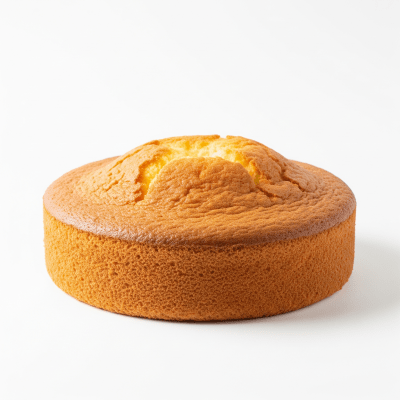
Sponge cake is a light, airy cake defined by its porous, springy crumb created primarily through the incorporation of whipped eggs, with minimal fat and reliance on eggs for leavening.
Sponge cake is a light, airy cake defined by its porous, springy crumb created primarily through the incorporation of whipped eggs, with minimal fat and reliance on eggs for leavening.
Sponge cake originated in Europe, with its earliest references dating back to the Renaissance. Its evolution is tied to 18th-century advances in baking techniques that enabled the aeration of eggs. The style was popularized in 19th-century Britain by the Victoria Sponge, named after Queen Victoria, while Italian Genoise and Japanese Castella (introduced by Portuguese traders in the 16th century) highlight its international development. Rather than a single inventor, sponge cake emerged through cultural baking traditions across multiple regions.
As a category within the broader cake family, sponge cake belongs to the group characterized by leavening through whipped eggs rather than chemical agents or fats. It sits alongside related types like foam cakes and chiffon cakes, distinguished by its minimal fat content and reliance on egg aeration. Variants such as Genoise, Victoria Sponge, and Castella represent subtypes within this classification.
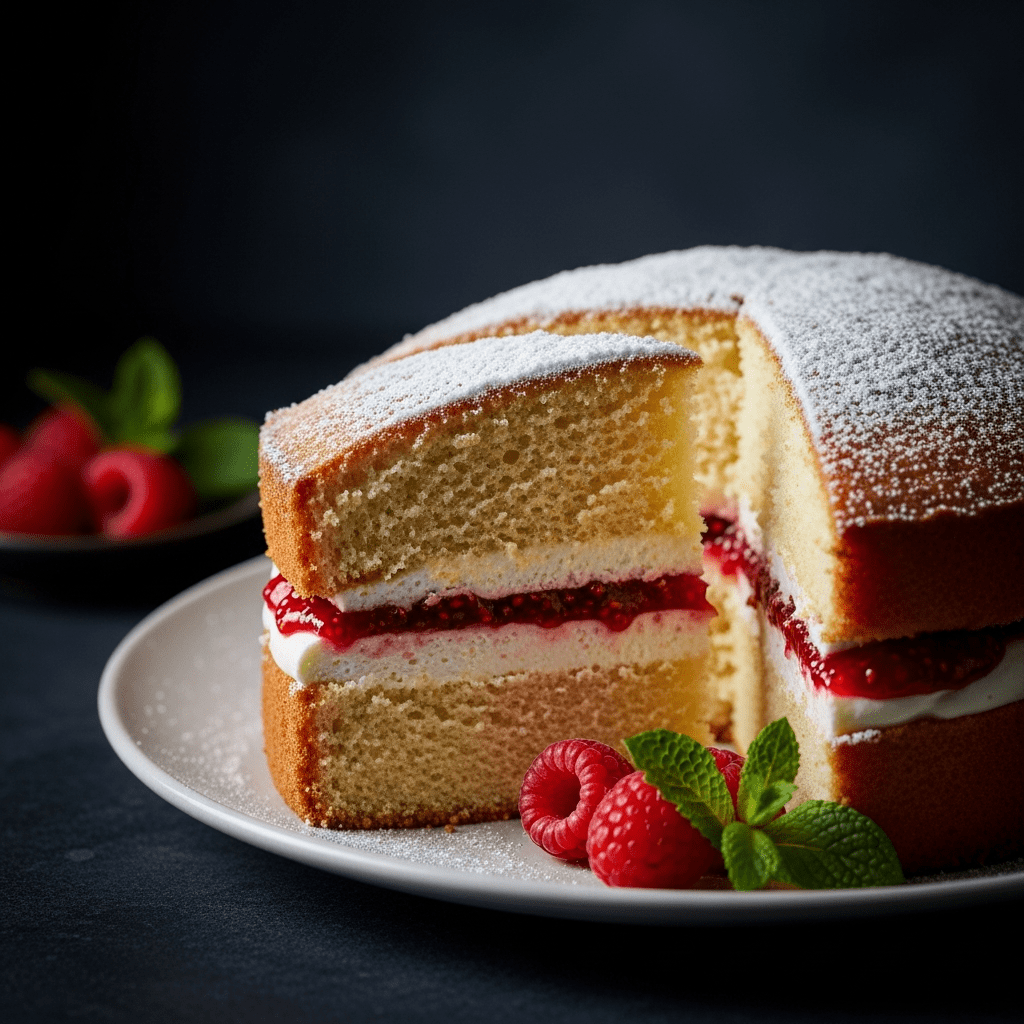
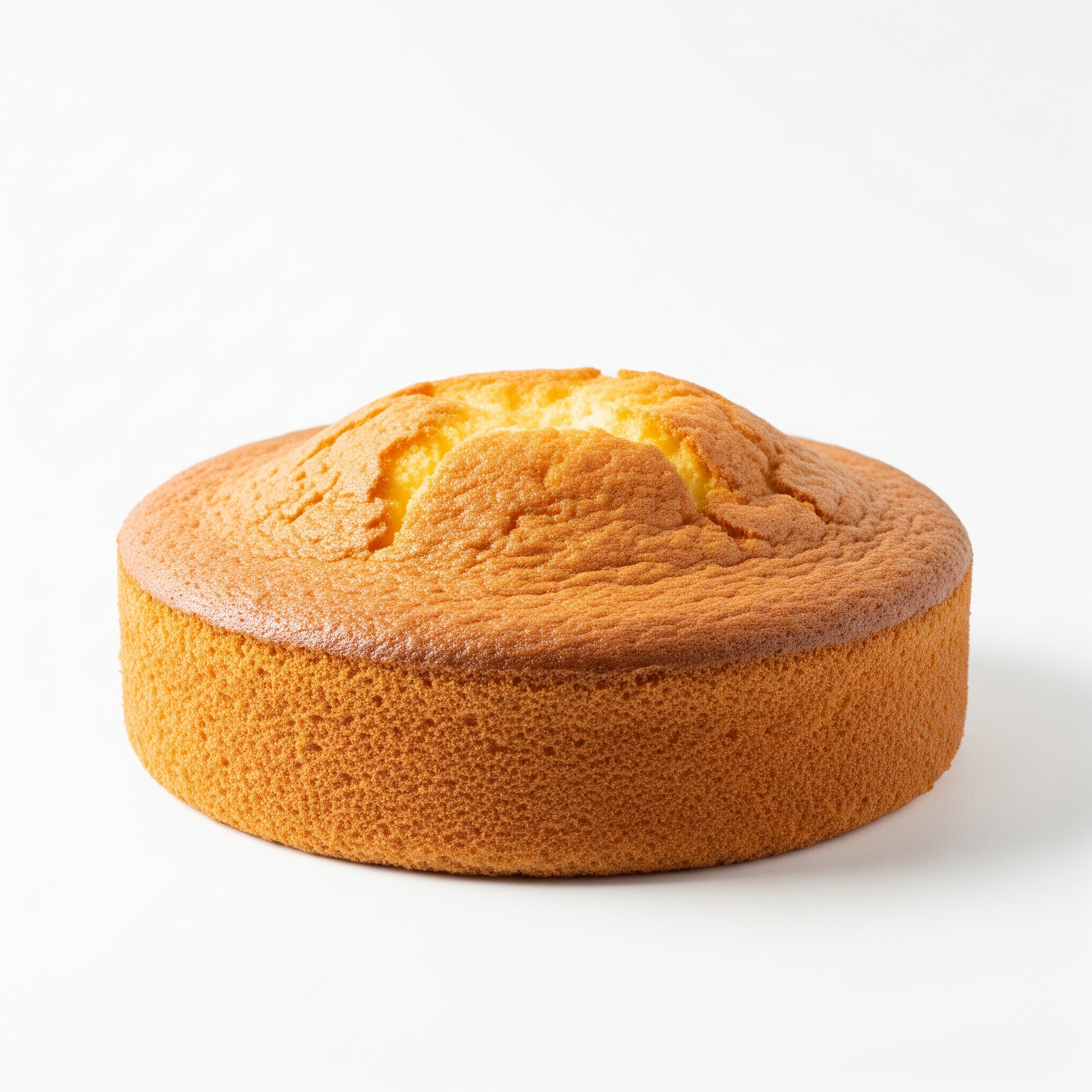
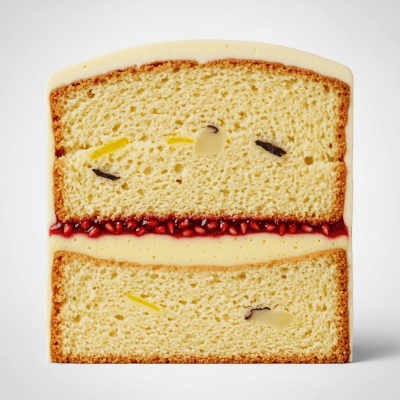
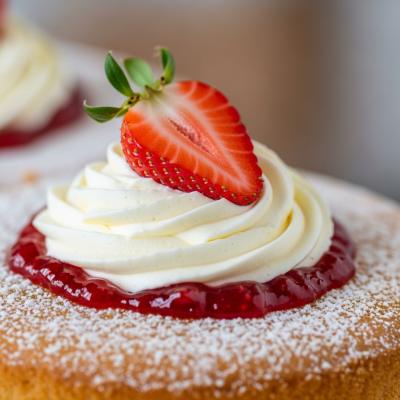
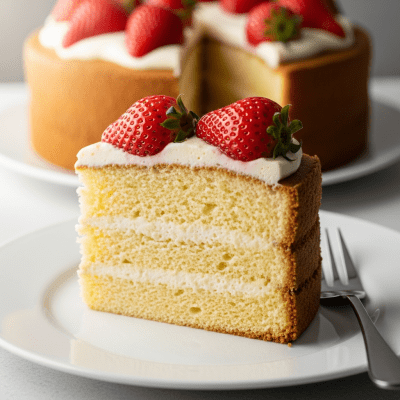
Sponge cakes typically present in round or rectangular shapes and can range from single-layer to multi-layer constructions. Their crumb is porous and springy, reflecting the lightness achieved through whipped eggs. Common decorations include cream, jam, fruit, icing, or a simple dusting of powdered sugar, lending a delicate and inviting appearance.
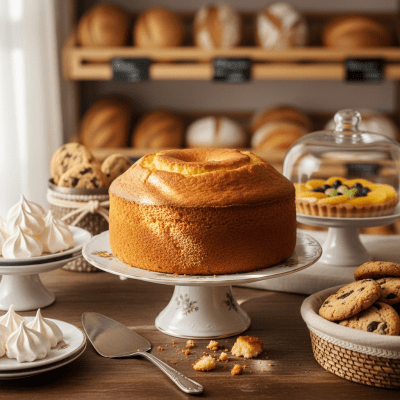
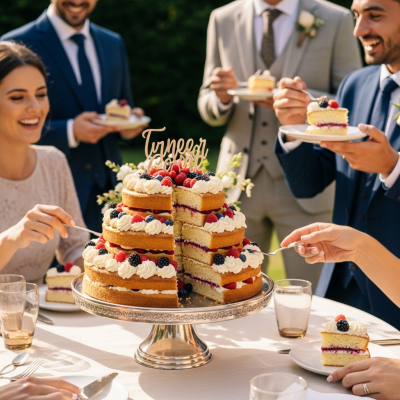
Sponge cake serves as a versatile base for layered desserts, often filled with cream, jam, or fresh fruit. It is enjoyed in a variety of settings—from casual home baking to formal celebrations such as birthdays and weddings. Its light texture makes it a favored choice for afternoon tea traditions, especially in Britain, and it is widely available in bakeries and supermarkets worldwide.
Bring this kind into your world � illustrated posters, mugs, and shirts.
Archival print, museum-grade paper
Buy Poster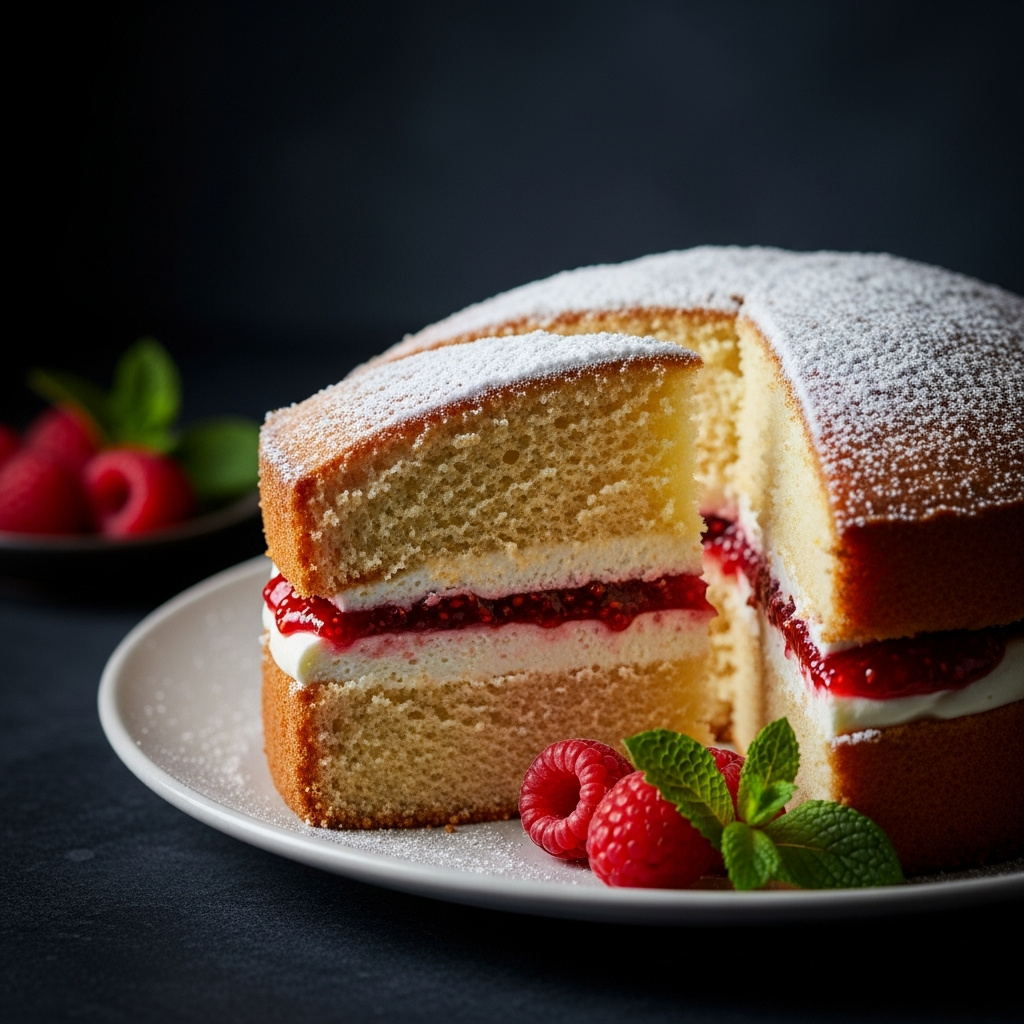
Stoneware mug, dishwasher safe
Buy Mug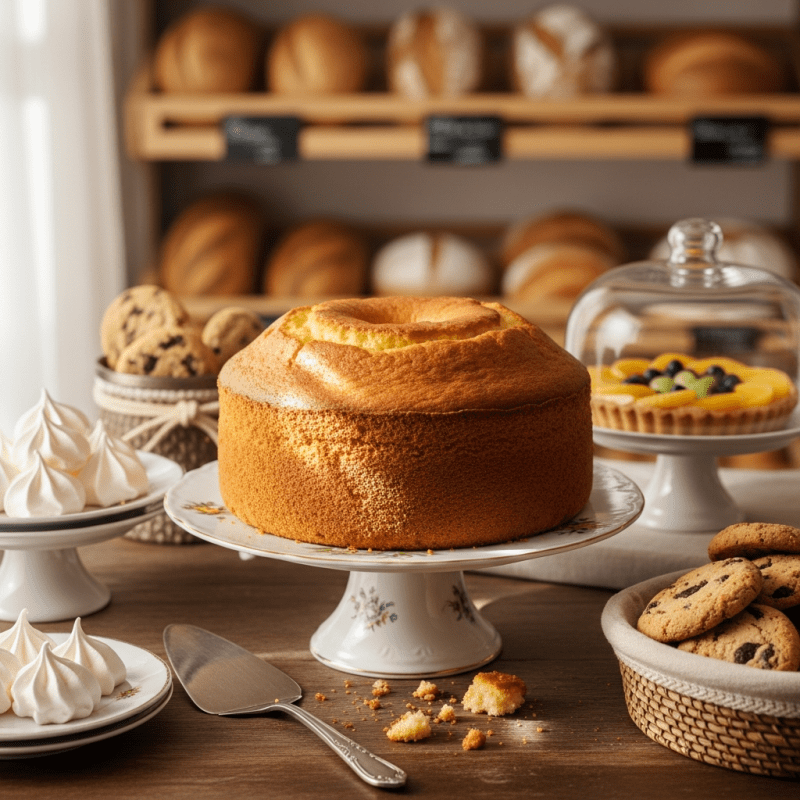
Soft cotton tee, unisex sizes
Buy ShirtSponge cake holds a cherished place in culinary culture, symbolizing refinement and celebration. It is central to British afternoon tea rituals through the Victoria Sponge, a staple of Italian patisserie with the Genoise, and a beloved confection in Japan as Castella. Its adaptability and presence in diverse traditions underscore its global cultural resonance.
Key ingredients defining sponge cake include:
Typical preparation involves:
Sponge cake is known for its porous, springy crumb and light, airy texture. Its flavor is subtly enhanced by vanilla or citrus zest, offering a delicate sweetness that pairs well with a variety of fillings and toppings.
Allergen considerations: Sponge cake typically contains gluten and eggs, but usually does not contain dairy or soy. Common dietary adaptations include gluten-free, vegan, and sugar-free versions to accommodate various needs.
Sponge cakes are commonly decorated with layers of cream, jam, and fresh fruit, or simply dusted with powdered sugar. Icing and light glazes are also popular, especially for celebratory occasions. Presentation often emphasizes the cake’s airy texture and delicate crumb, with multi-layered versions showcasing colorful fillings and elegant finishes.