Princess Cake
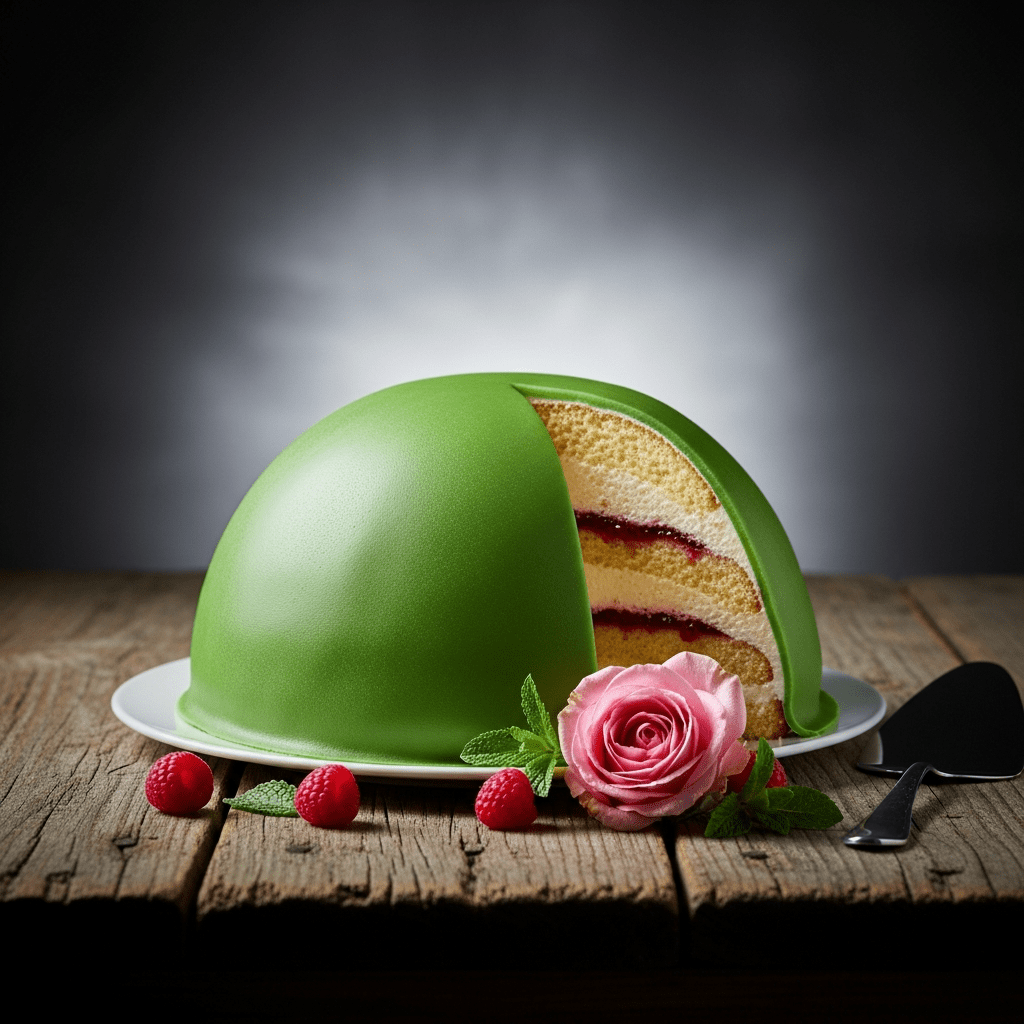
Princess Cake is a distinctive Swedish sponge cake known for its dome shape, layered with vanilla pastry cream and whipped cream, and covered in bright green marzipan.
Princess Cake is a distinctive Swedish sponge cake known for its dome shape, layered with vanilla pastry cream and whipped cream, and covered in bright green marzipan.
Originating in early 20th century Sweden, Princess Cake was created by Jenny Åkerström, a home economics teacher who taught the daughters of Prince Carl, Duke of Västergötland. Named in honor of these princesses, the cake quickly became a beloved classic in Swedish culinary tradition.
Princess Cake belongs to the sponge cake family, characterized by its light, airy texture achieved through whipped eggs and flour. It fits within multi-layered cakes, combining sponge layers with creamy fillings and a marzipan exterior.
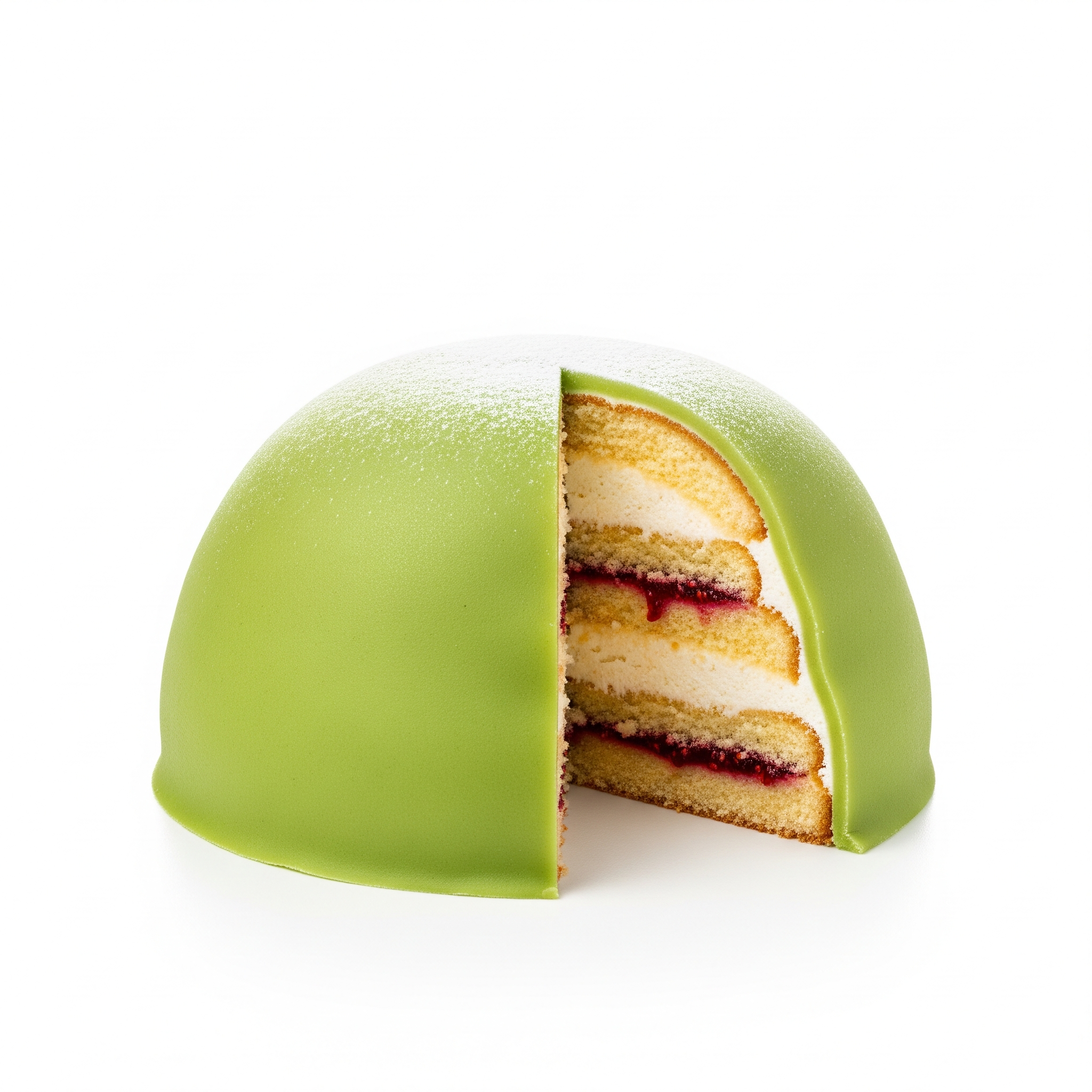
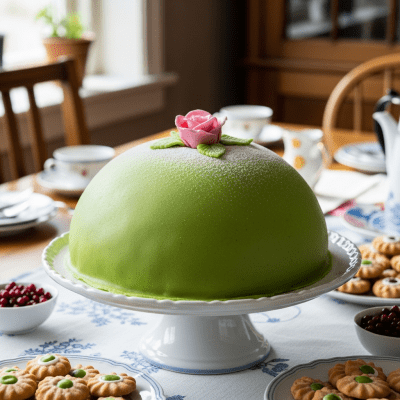
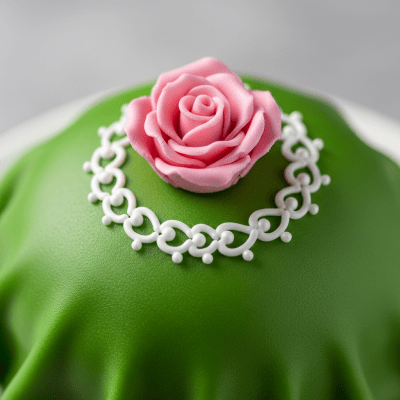
The cake is round and dome-shaped, typically 20–24 cm in diameter. It features multiple layers of pale sponge cake interspersed with smooth vanilla pastry cream and fluffy whipped cream. The entire cake is enveloped in a thin, bright green marzipan layer, often adorned with a pink marzipan rose and delicate piped chocolate or icing accents.
Princess Cake is traditionally served at celebratory events such as birthdays, graduations, and weddings. Its elegant form and balanced flavors make it a centerpiece dessert in Swedish festivities and a popular choice in bakeries and patisseries.
Bring this kind into your world � illustrated posters, mugs, and shirts.
Archival print, museum-grade paper
Buy Poster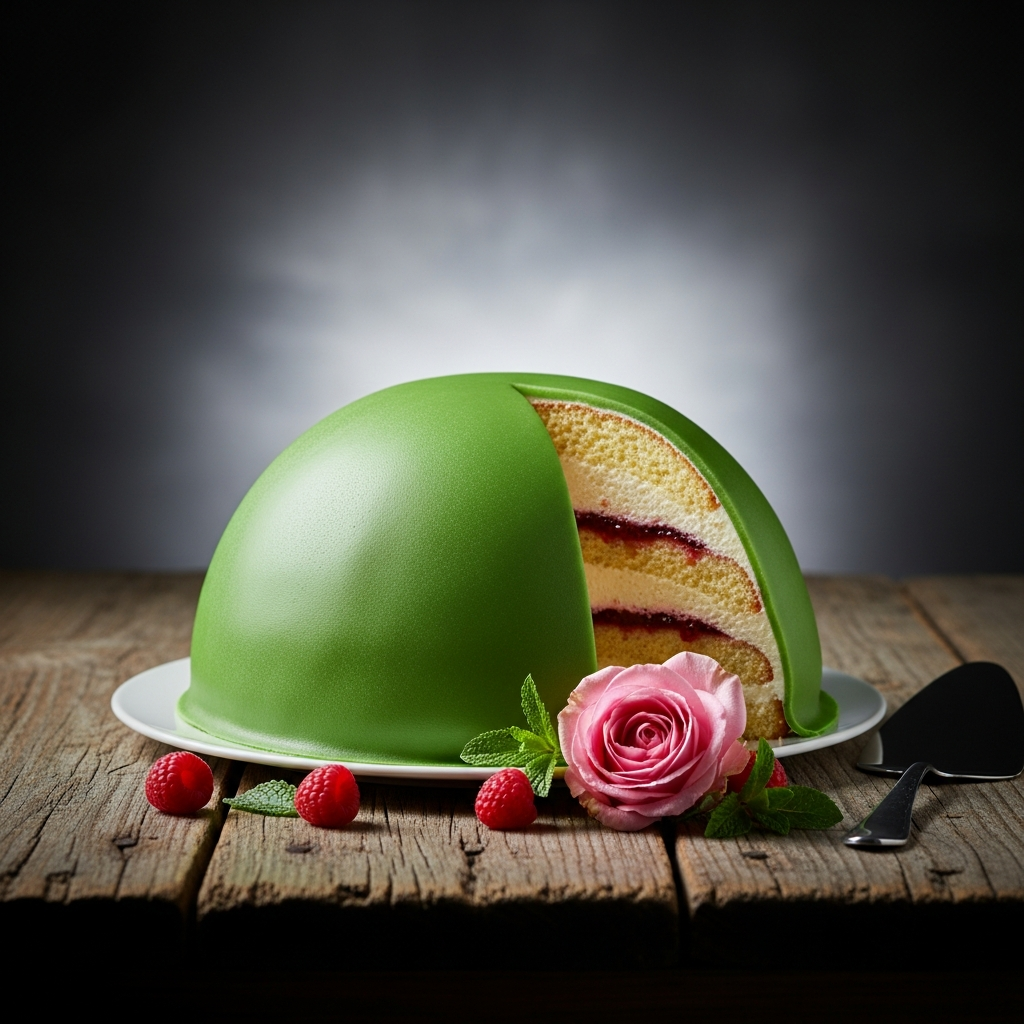
Stoneware mug, dishwasher safe
Buy Mug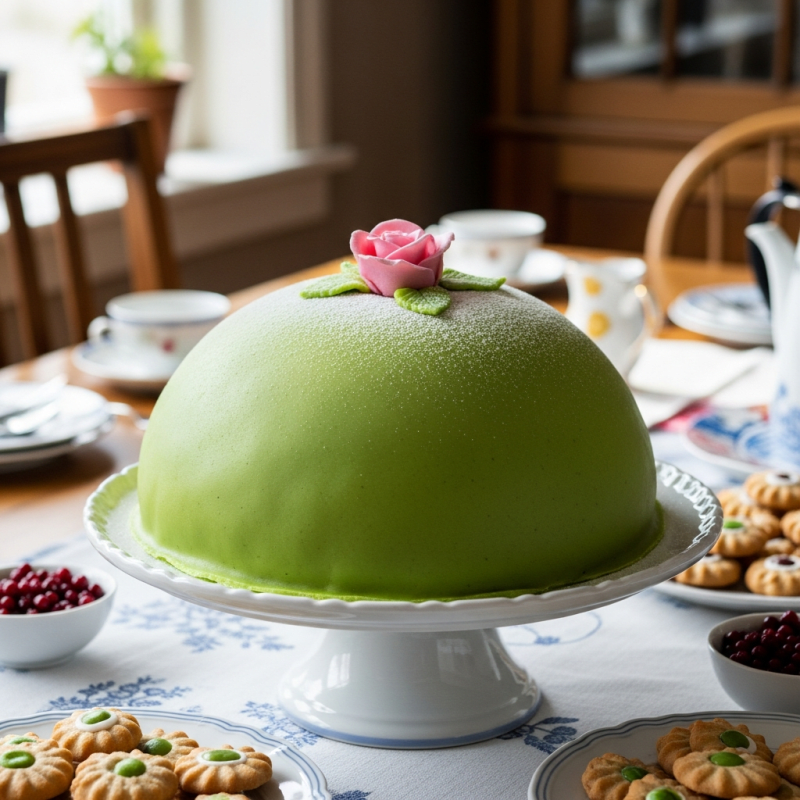
Soft cotton tee, unisex sizes
Buy ShirtAs a symbol of Swedish baking heritage, Princess Cake holds a special place in national culture. It is celebrated annually during "Princess Cake Week" in September and features prominently in cookbooks, culinary competitions, and Scandinavian communities worldwide.
Key ingredients include flour, eggs, sugar, milk, vanilla, cream, almonds (in marzipan), and food coloring for the marzipan's green hue.
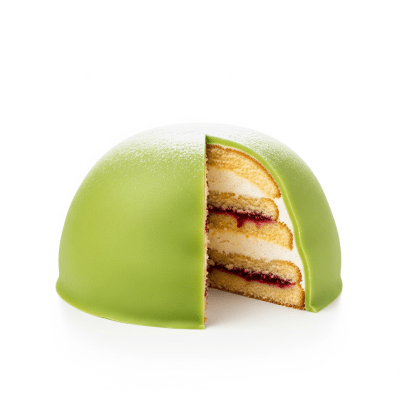
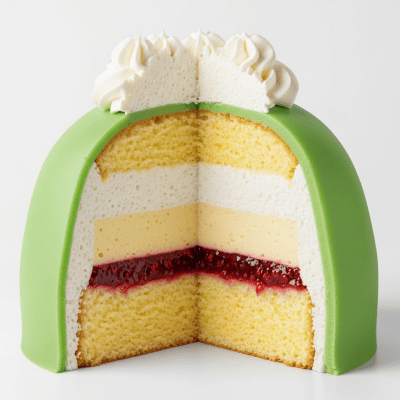

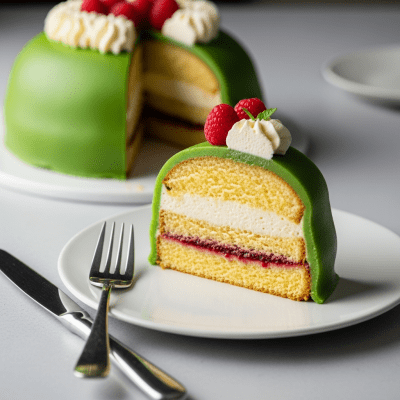
Preparation involves baking light sponge cake layers, cooking and cooling vanilla pastry cream, whipping fresh cream, assembling these layers into a dome shape, and finally covering the cake with a thin sheet of green marzipan.
The cake offers a light and airy sponge texture complemented by smooth, creamy vanilla pastry and fluffy whipped cream layers. The marzipan adds a sweet, nutty almond flavor that balances the overall taste with subtle richness.
Princess Cake contains gluten (from wheat flour), dairy (milk and cream), eggs, and nuts (almonds in marzipan). It is not suitable for those with allergies to these ingredients and typically has no common soy content. There are no widely known dietary variants.
In Norway, a similar cake called "Marsipankake" exists, which varies in marzipan color and fillings but shares the layered structure and almond-based covering. Other regional adaptations may alter fillings or decoration colors.
Princess Cake is traditionally decorated with a smooth green marzipan layer draped over its dome shape. A delicate pink marzipan rose is often placed atop the cake, accompanied by piped chocolate or icing details that enhance its refined appearance, making it visually striking for special occasions.