Mochi Cake
Mochi Cake is a sweet, chewy cake made from glutinous rice flour, celebrated for its distinctive elastic texture and popularity in East Asian and Asian-American communities.
Mochi Cake is a sweet, chewy cake made from glutinous rice flour, celebrated for its distinctive elastic texture and popularity in East Asian and Asian-American communities.
Mochi cake traces its roots to East Asia, evolving from the traditional Japanese mochi, a pounded rice confection. The cake form gained particular prominence in Taiwanese and Hawaiian culinary traditions, where Japanese immigrants in the late 19th and early 20th centuries blended mochi-making techniques with Western cake styles. This fusion dessert became especially popular in Asian-American communities during the late 20th century, reflecting cultural adaptation rather than a single inventor or moment of creation.
Classified as a glutinous rice cake, mochi cake belongs to the broader family of cakes made without wheat flour, relying instead on glutinous rice flour for structure and texture. It stands apart from traditional wheat-based cakes by being naturally gluten-free and often prepared by baking or steaming.
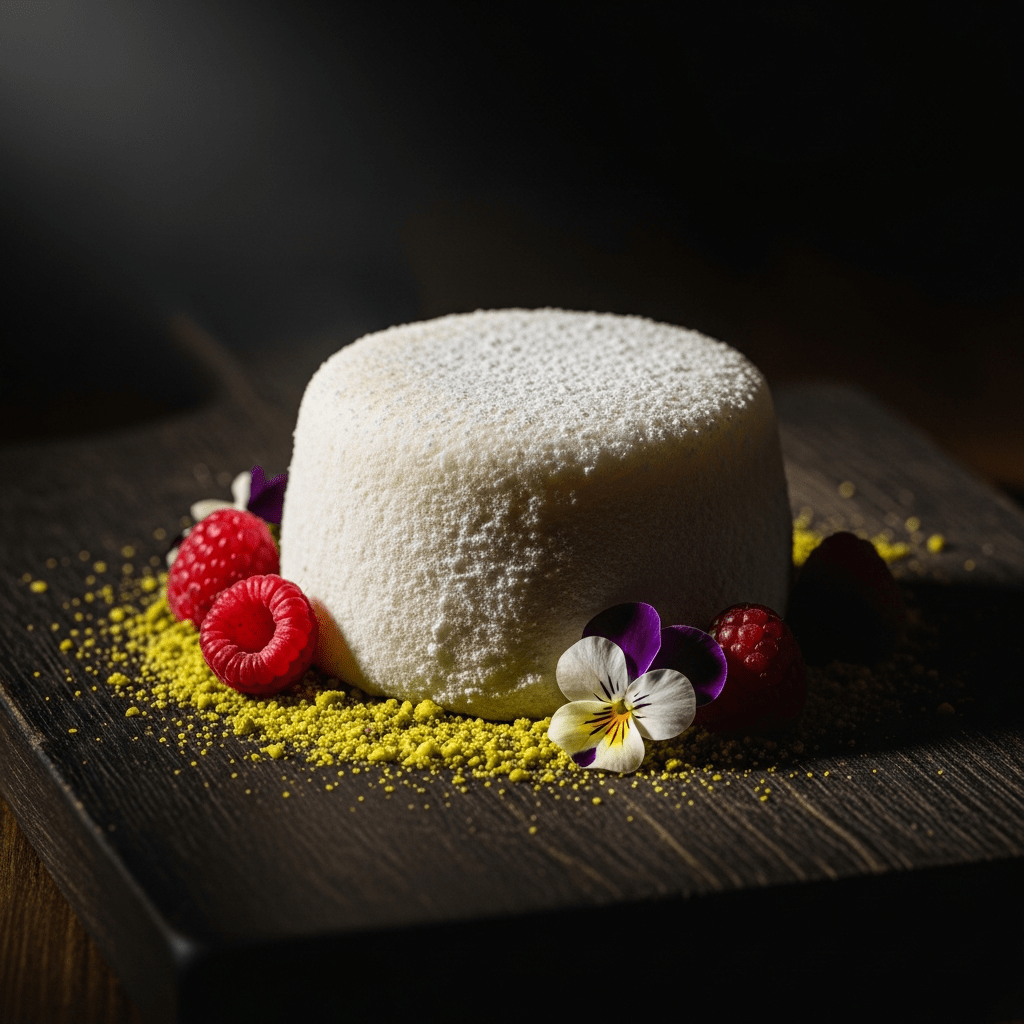
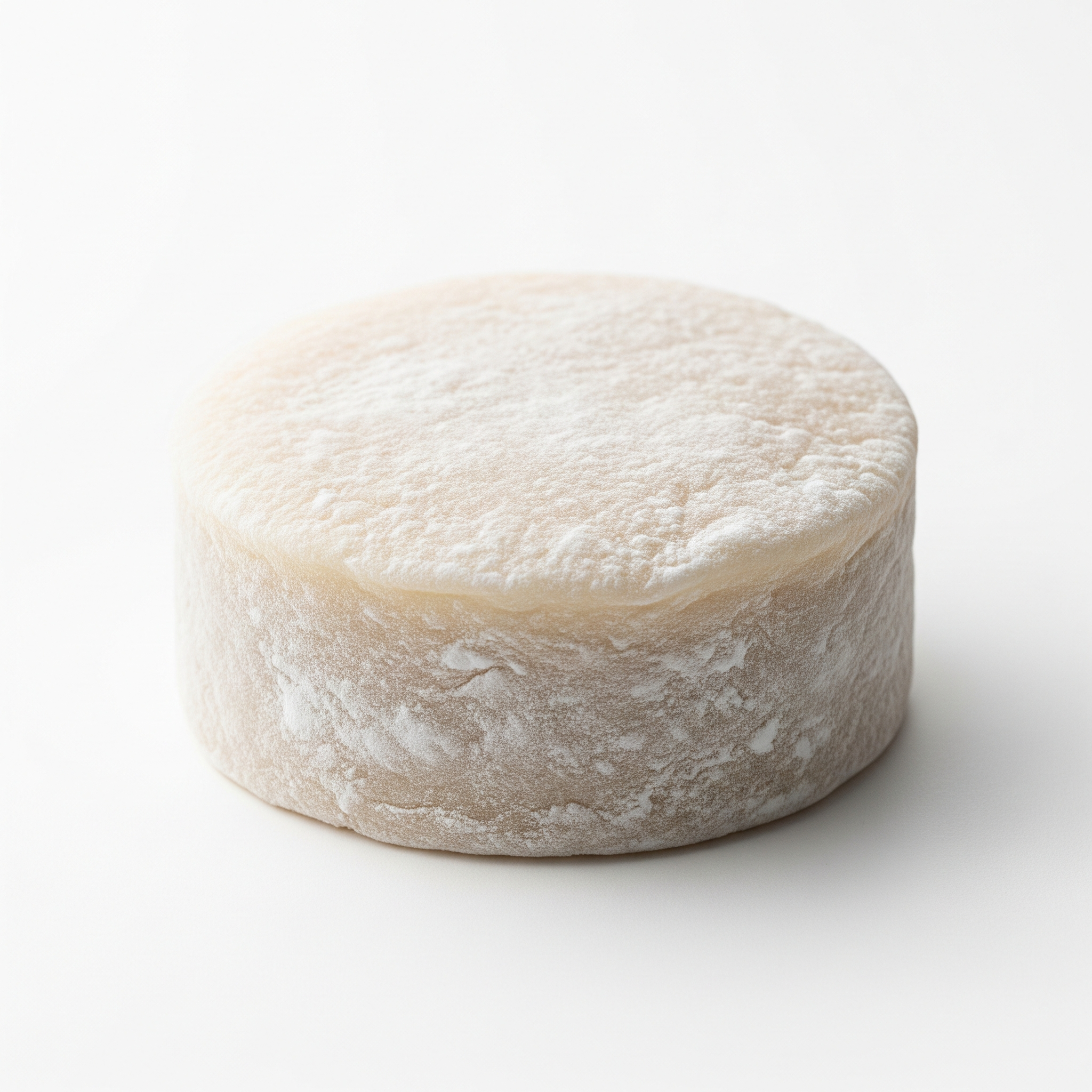
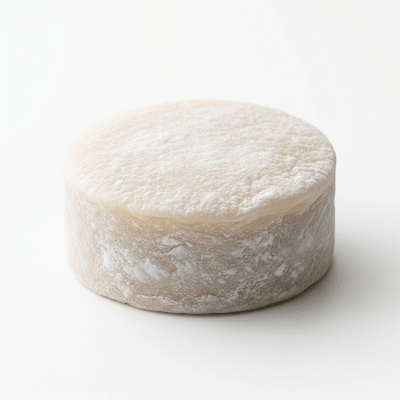
Mochi cake typically appears as a single-layer, rectangular or square slab, baked in a pan and cut into pieces. Its surface is usually smooth and unadorned, emphasizing the cake’s dense and elastic interior rather than elaborate decoration.
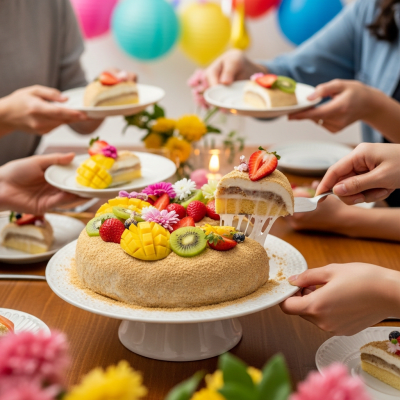
Primarily enjoyed as a snack or dessert, mochi cake is commonly served at celebrations such as Lunar New Year, birthdays, and community potlucks. It functions as a versatile treat in Asian-American households and Hawaiian gatherings, where it is both a homemade favorite and a popular item at bake sales and specialty bakeries.
Bring this kind into your world � illustrated posters, mugs, and shirts.
Archival print, museum-grade paper
Buy Poster
Stoneware mug, dishwasher safe
Buy Mug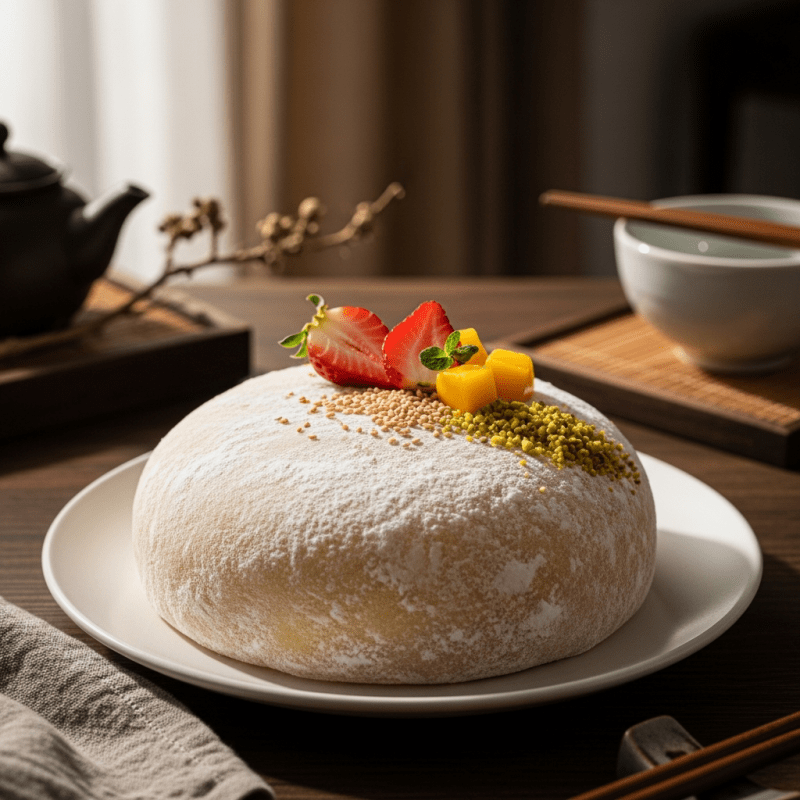
Soft cotton tee, unisex sizes
Buy ShirtMochi cake embodies the fusion of traditional East Asian culinary practices with Western baking formats. It symbolizes cultural adaptation and the blending of immigrant foodways, especially within Hawaiian and Asian-American communities. Its presence at festive occasions underscores its role as a bridge between heritage and contemporary tastes.
Key ingredients defining mochi cake include glutinous rice flour, sugar, eggs, milk or coconut milk, and butter or oil.
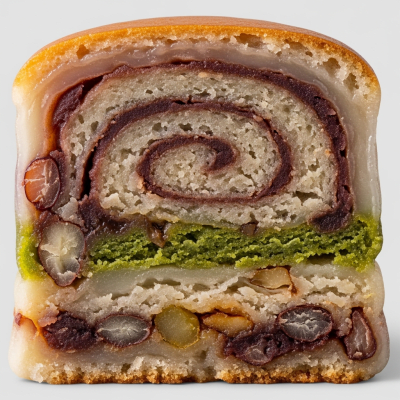
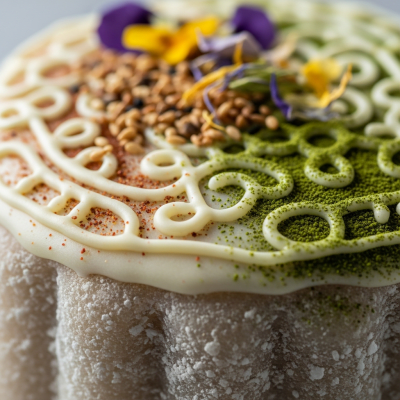
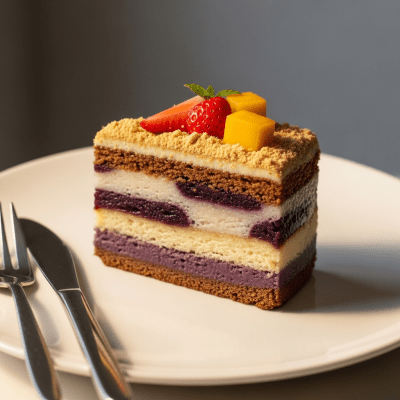
Mochi cake is typically prepared by baking or steaming, with recipes varying by region and flavor preferences. The batter combines glutinous rice flour with wet ingredients and is cooked until set with a characteristic chewy texture.
Mochi cake is known for its dense, chewy, and elastic texture that sets it apart from conventional cakes. Its flavor is sweet and adaptable, with common variations incorporating coconut, matcha, chocolate, or fruit purees to add depth and regional character.
Dietary considerations: Mochi cake is naturally gluten-free but typically contains dairy and eggs, making it unsuitable for those with allergies to these ingredients unless adapted. Some recipes may include nuts. Common dietary variants include gluten-free and vegan adaptations.
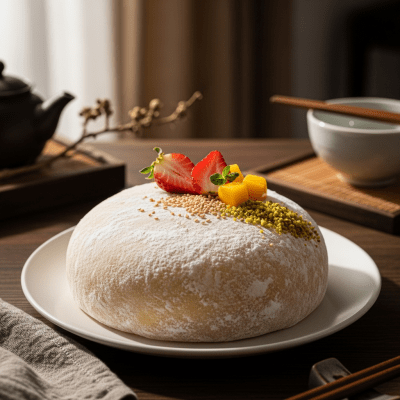
Mochi cake is generally presented simply, cut into rectangular or square pieces without elaborate decoration. Its appeal lies in the texture and flavor rather than ornate frosting or toppings, though some versions may be lightly dusted with powdered sugar or served with complementary sauces.