Kue Lapis
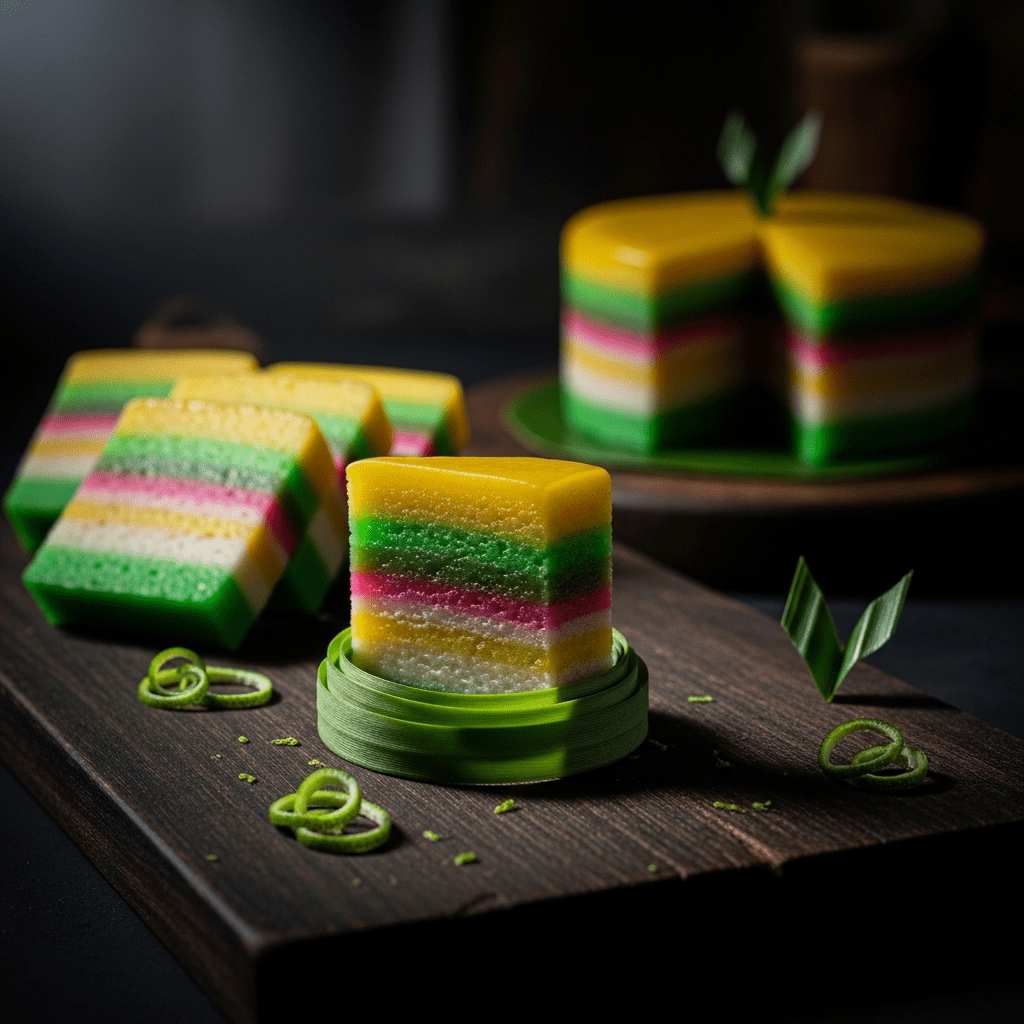
Kue Lapis is a traditional Indonesian steamed layered cake known for its vibrant, multi-colored layers and distinctive firm yet chewy texture.
Kue Lapis is a traditional Indonesian steamed layered cake known for its vibrant, multi-colored layers and distinctive firm yet chewy texture.
Originating in Indonesia, particularly within Javanese and Betawi culinary traditions, Kue Lapis reflects a rich heritage of Southeast Asian steamed cakes. Its name means "layer cake" in Indonesian and Malay, and its development spans generations of home cooks and market vendors, influenced by indigenous and colonial culinary practices. The cake is also popular in neighboring Malaysia and Singapore, highlighting regional cultural exchanges.
Kue Lapis belongs to the category of steamed layer cakes, a subset of cakes defined by their preparation through steaming rather than baking. It is distinct from baked layered cakes like lapis legit, and fits within the broader taxonomy of cakes as a moist, sweet dessert characterized by multiple thin, colorful layers.
Kue Lapis typically takes a rectangular or square shape, composed of seven to nine thin, alternating layers that create a striking rainbow-like effect. Each layer is carefully poured and steamed before the next is added, resulting in a firm yet chewy texture that invites tactile and visual appreciation.
Served primarily as a snack or dessert, Kue Lapis is enjoyed at room temperature and often eaten layer by layer, a practice that evokes nostalgia and delight. It is commonly found in Indonesian markets, street stalls, and bakeries, and is also produced commercially in Malaysia and Singapore. The cake is especially popular during festive occasions such as Eid al-Fitr and Chinese New Year.
Bring this kind into your world � illustrated posters, mugs, and shirts.
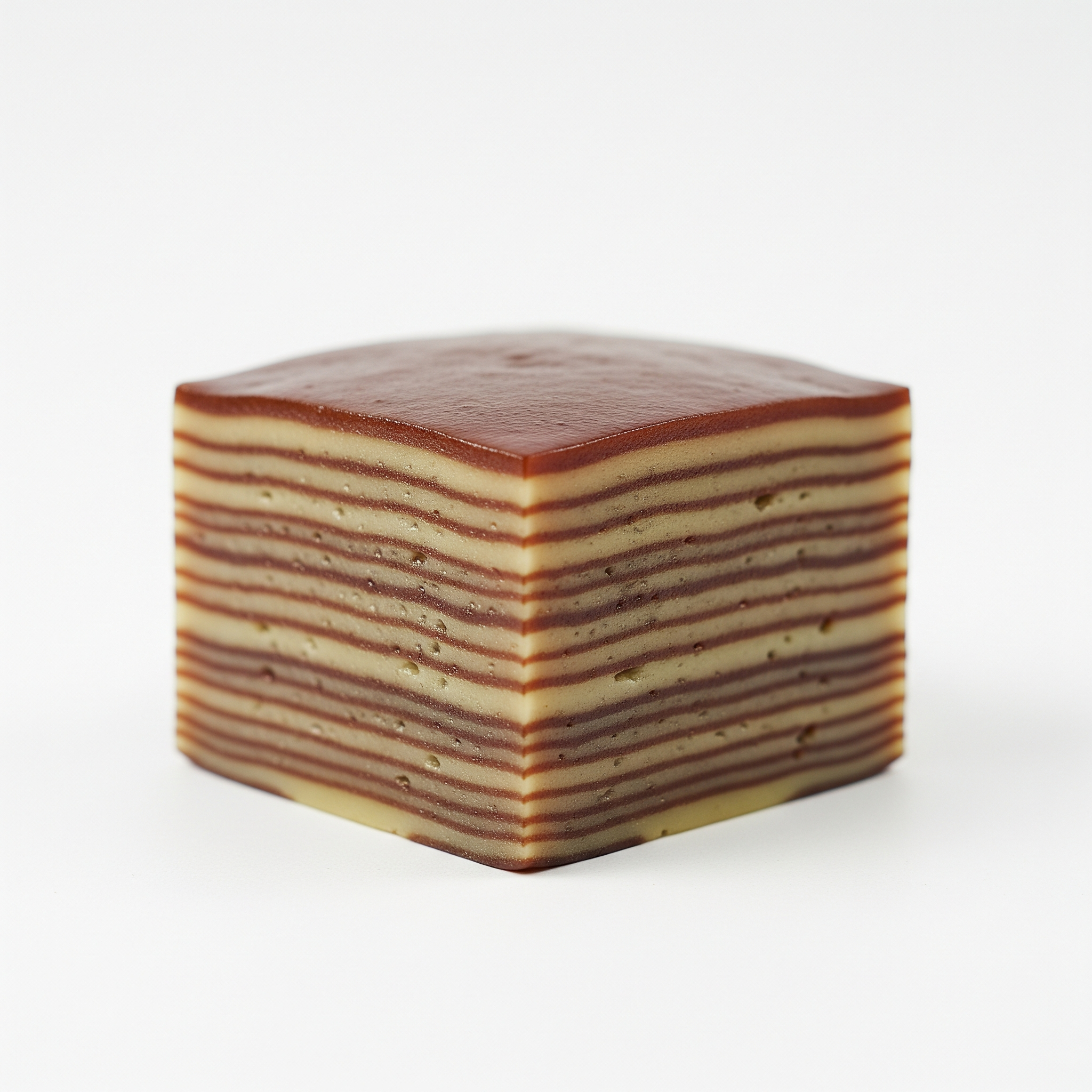
Archival print, museum-grade paper
Buy Poster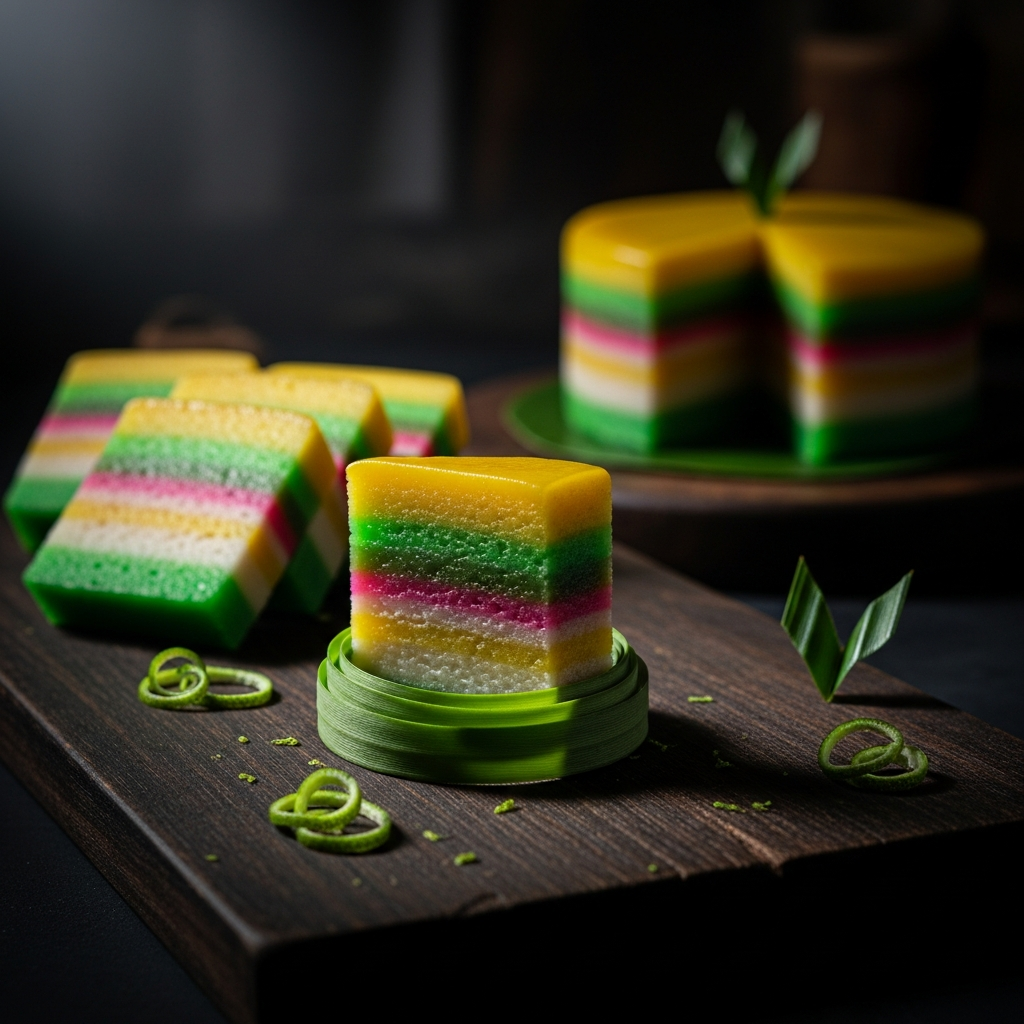
Stoneware mug, dishwasher safe
Buy Mug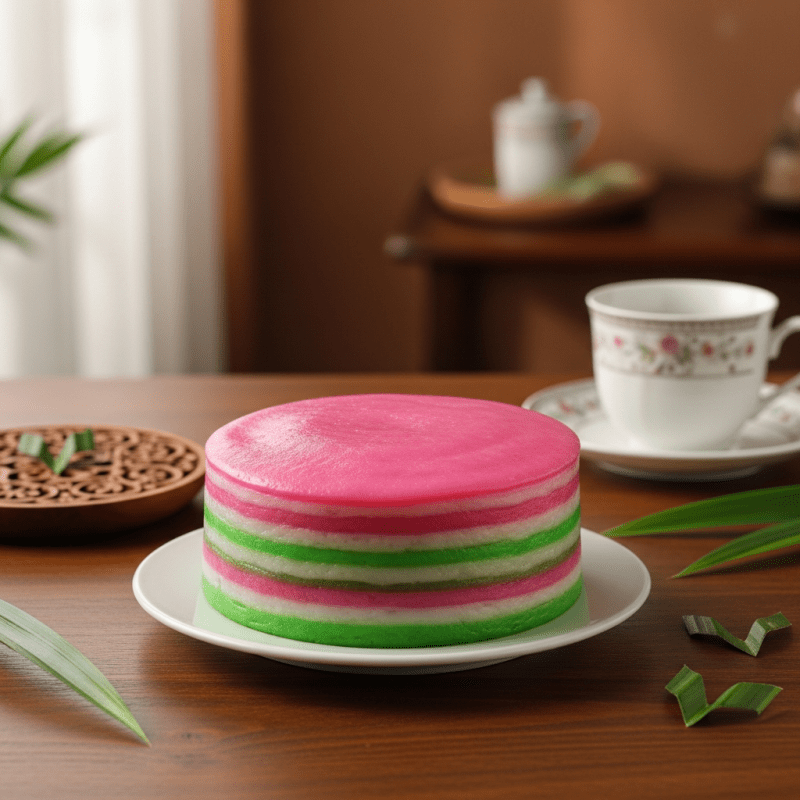
Soft cotton tee, unisex sizes
Buy ShirtKue Lapis holds cultural importance as a celebratory treat symbolizing joy and abundance. Its colorful layers make it a favored choice for festive events and family gatherings, where it is cherished both as a culinary delight and a nostalgic reminder of childhood traditions.
Key ingredients include rice flour, tapioca flour, coconut milk, sugar, and food coloring to create its signature vibrant layers.
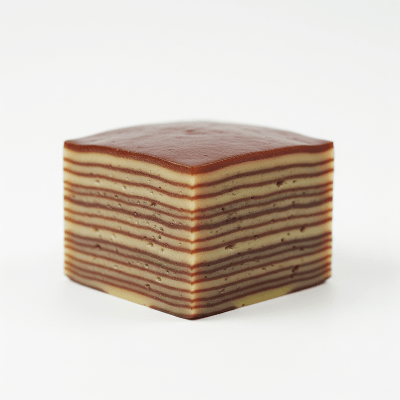
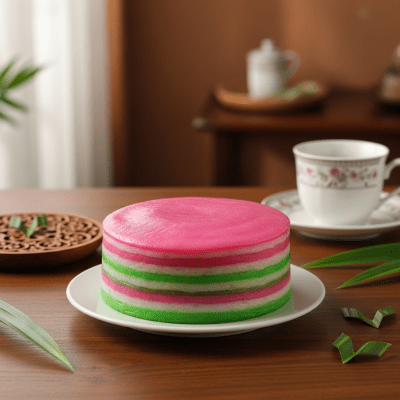
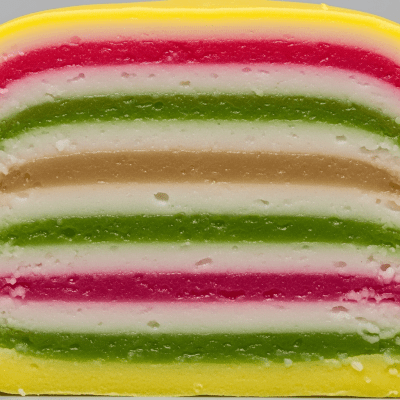
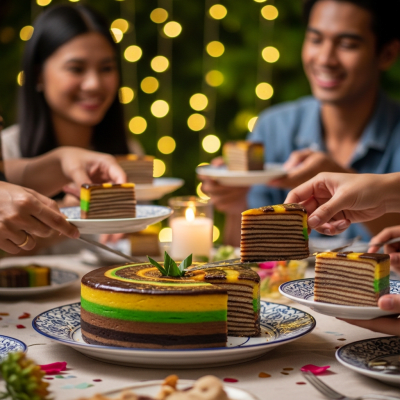
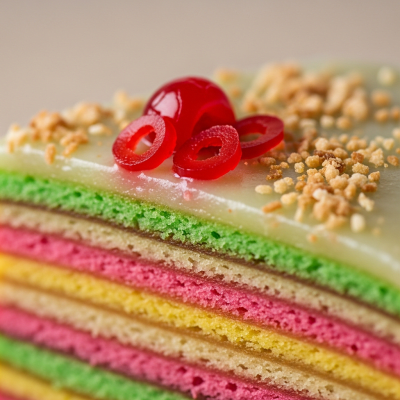
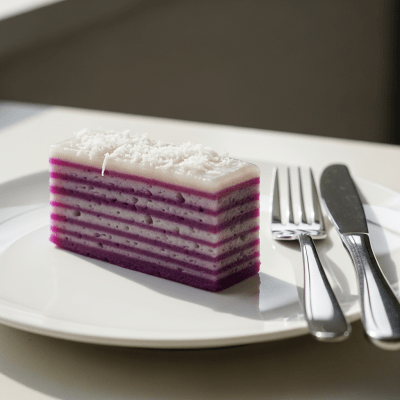
Kue Lapis is prepared by sequentially pouring thin layers of batter into a mold and steaming each layer before adding the next. This meticulous process produces its characteristic multi-layered structure and chewy texture.
The cake offers a firm yet pleasantly chewy texture, complemented by a sweet flavor. Its alternating colorful layers provide a visually engaging experience that enhances its appeal.
Dietary considerations: Kue Lapis is naturally gluten-free and dairy-free, containing no eggs or soy. However, it includes coconut milk, which may be an allergen for some individuals. There are no widely known dietary variants.
Notable regional variants include:
Kue Lapis is typically presented simply, without additional decoration, allowing its vibrant layers to serve as natural ornamentation. It is commonly cut into rectangular or square slices and served at room temperature, inviting consumption layer by layer.