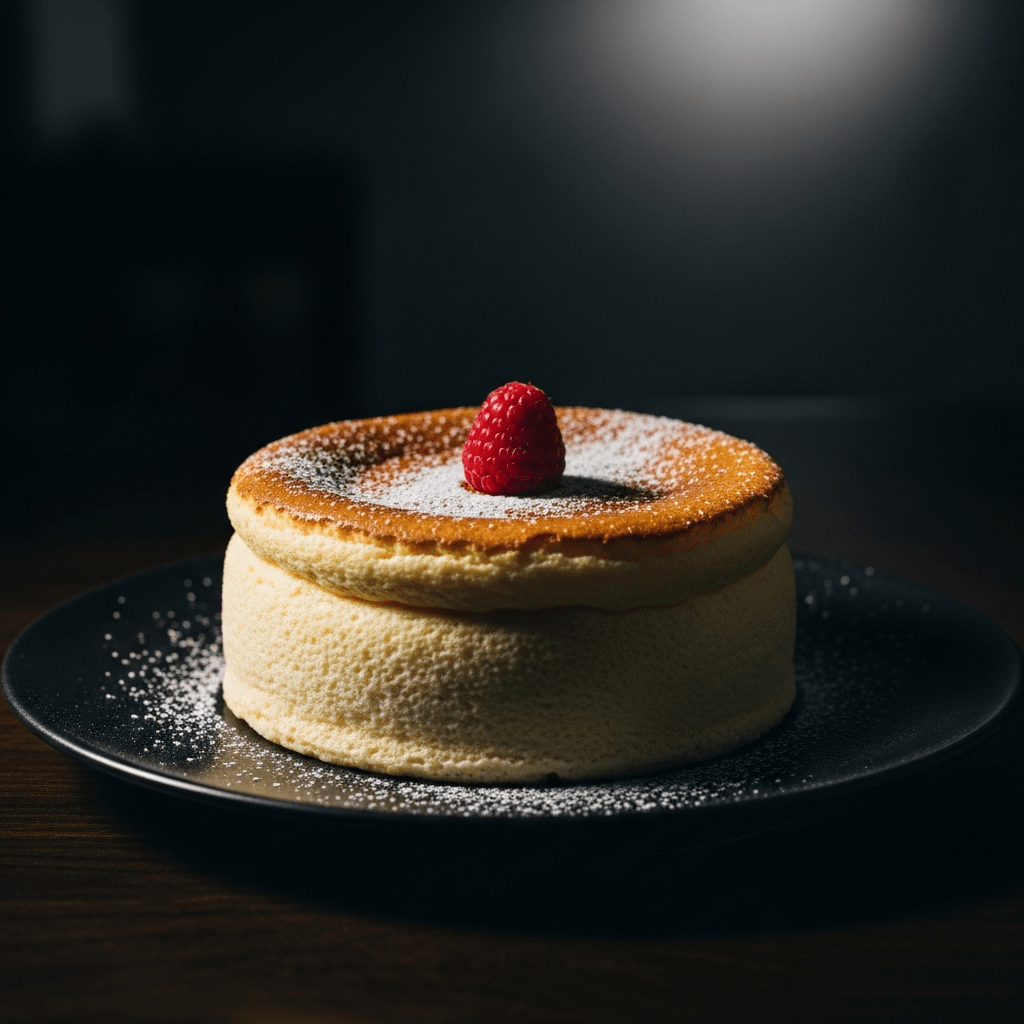
Japanese Cheesecake
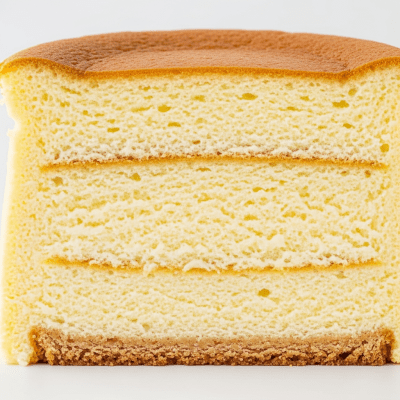
Japanese Cheesecake is a light, airy cake that uniquely blends the creamy richness of classic cheesecake with the fluffy texture of sponge cake, distinguished by its soft, soufflé-like consistency.
Japanese Cheesecake is a light, airy cake that uniquely blends the creamy richness of classic cheesecake with the fluffy texture of sponge cake, distinguished by its soft, soufflé-like consistency.
Originating in Japan during the late 20th century, Japanese Cheesecake was popularized by baker Tomotaro Kuzuno, who adapted European cheesecake recipes after a visit to Germany in the 1960s. It gained widespread acclaim in the 1980s and has since become a beloved staple in Japanese bakeries and cafés, eventually earning international recognition.
Classified as a type of cheesecake, this cake straddles the line between traditional cheesecakes and sponge cakes. It belongs to the broader family of baked cakes but is notable for incorporating meringue techniques to achieve its signature lightness.
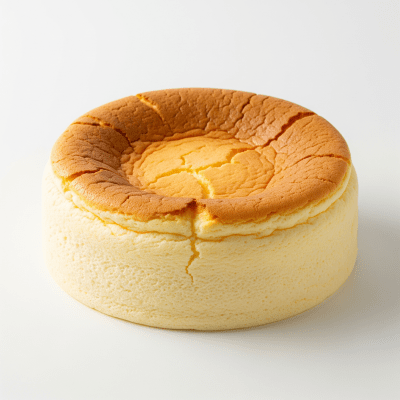
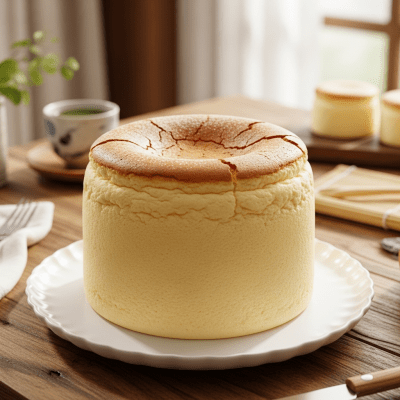
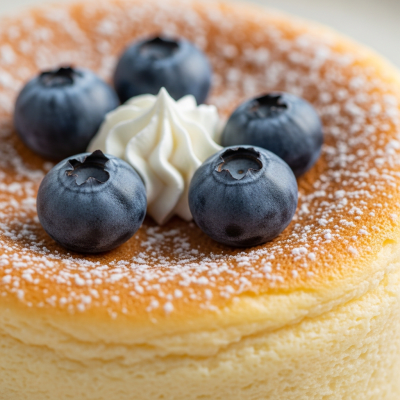
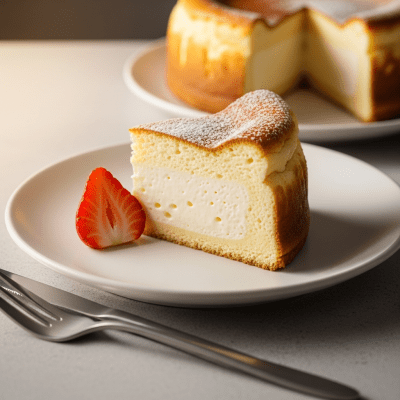
Typically round and single-layered, Japanese Cheesecake stands about 5 to 8 centimeters tall with a diameter of 15 to 20 centimeters. Its surface is pale golden, often lightly dusted with powdered sugar, presenting a delicate and inviting appearance that hints at its airy interior.
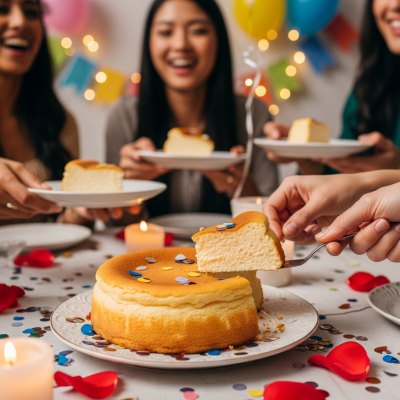
Enjoyed primarily as a dessert or snack, Japanese Cheesecake is served year-round in homes, bakeries, and cafés. It functions as a lighter alternative to denser Western-style cheesecakes, making it a popular choice for special occasions and everyday indulgence alike.
Bring this kind into your world � illustrated posters, mugs, and shirts.
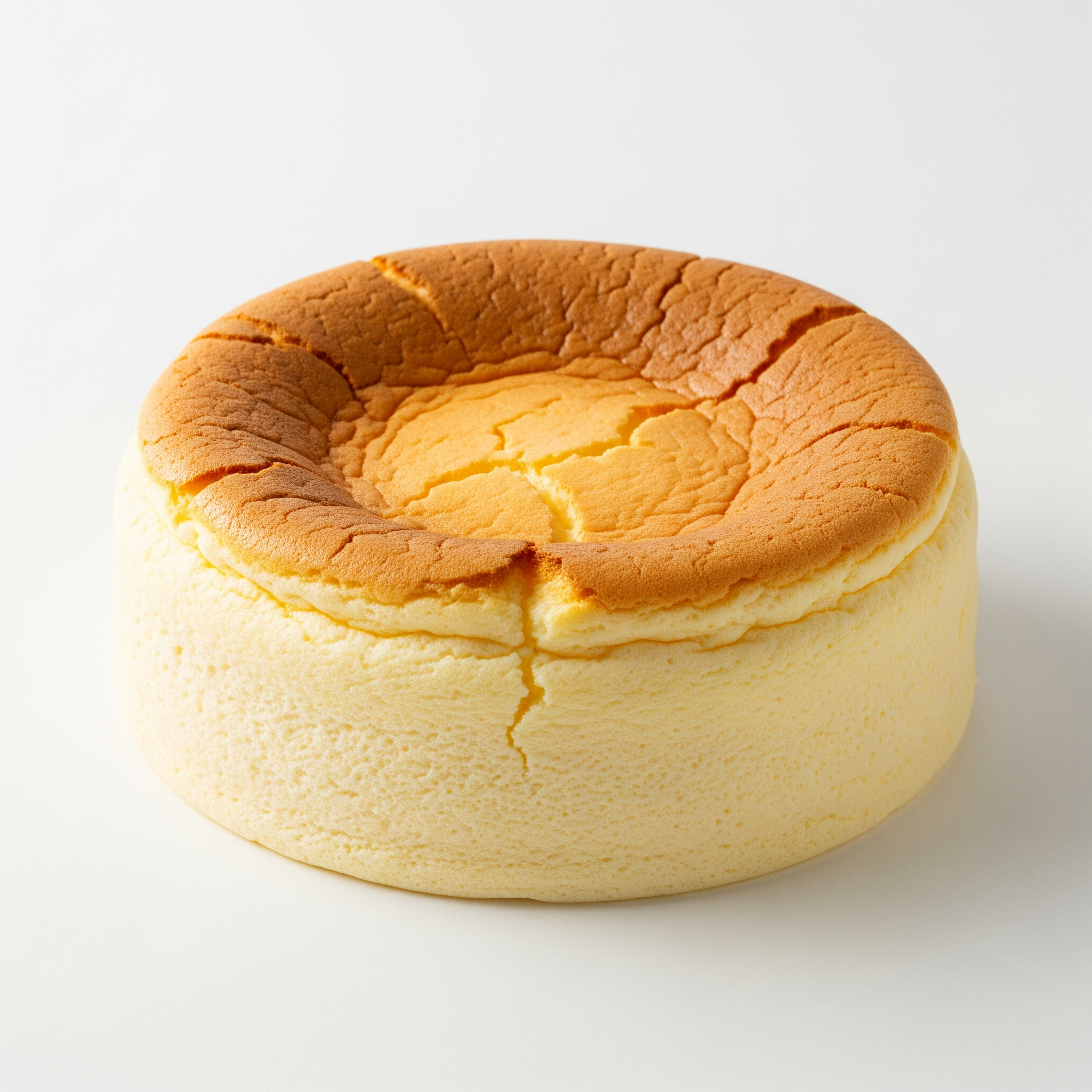
Archival print, museum-grade paper
Buy Poster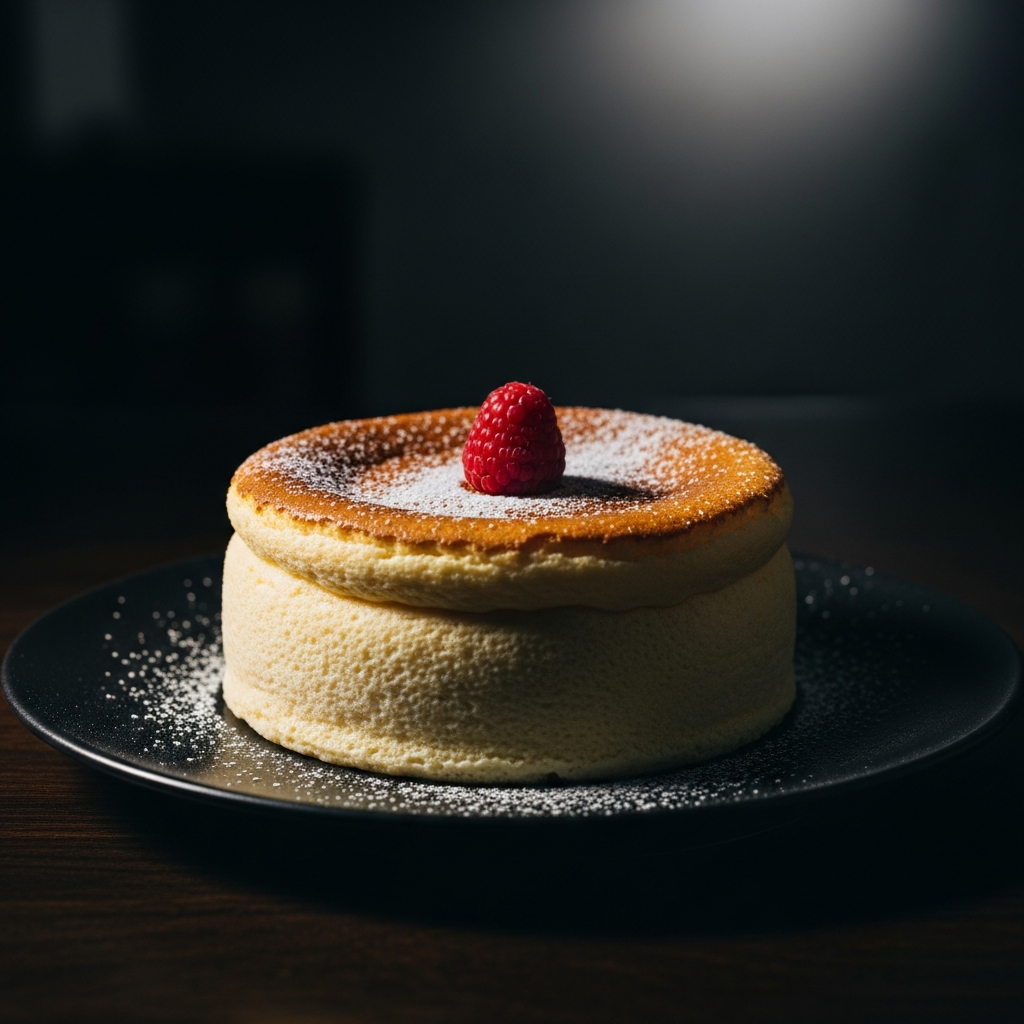
Stoneware mug, dishwasher safe
Buy Mug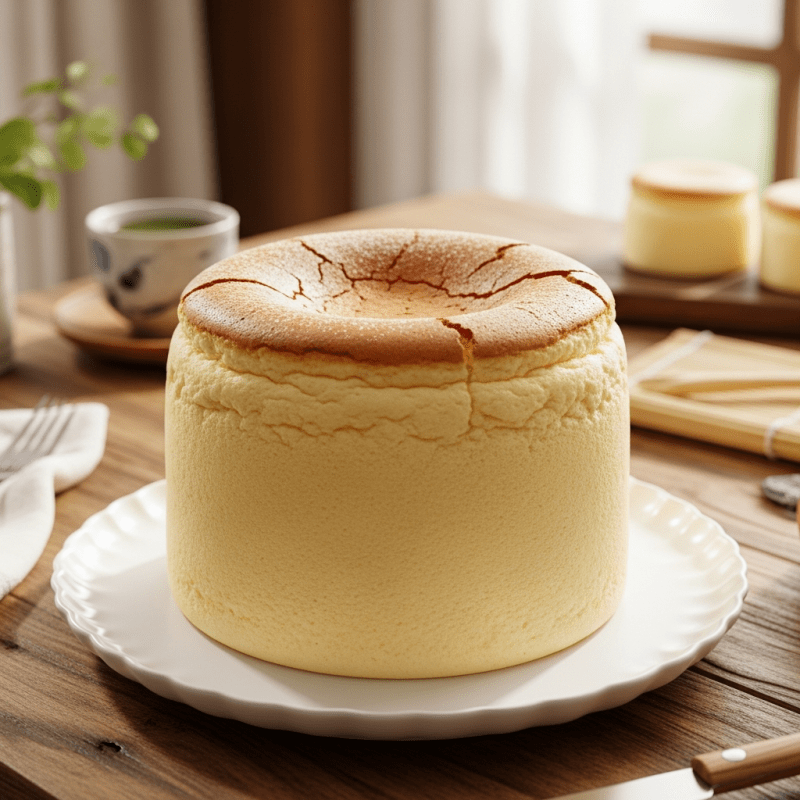
Soft cotton tee, unisex sizes
Buy ShirtJapanese Cheesecake holds a special place in modern Japanese culinary culture, symbolizing a fusion of Western baking techniques with Japanese preferences for subtle sweetness and delicate textures. Its rise in popularity reflects Japan’s broader embrace of refined, visually appealing desserts and has influenced dessert trends across Asia and beyond.
Key ingredients include cream cheese, eggs, sugar, butter, milk, and a small amount of flour or cornstarch. Optional flavor enhancers such as lemon juice and vanilla extract may also be added.
The cake is prepared by blending cream cheese with other wet ingredients, then folding in meringue made from whipped egg whites. It is baked gently in a water bath (bain-marie) at a low temperature, which ensures even cooking, moisture retention, and prevents cracking.
Japanese Cheesecake boasts a soft, soufflé-like texture that is exceptionally light, airy, and fluffy. Its flavor is mild and slightly sweet with a creamy richness, complemented by a pale golden surface that adds subtle visual warmth.
Contains: gluten (from flour), dairy (cream cheese, butter, milk), and eggs.
Does not typically contain: soy.
Common dietary adaptations include gluten-free and vegan versions, though traditional recipes are not suitable for these diets.
Several notable variants have emerged, particularly across East and Southeast Asia. These include:
Japanese Cheesecake is commonly presented simply, with a light dusting of powdered sugar on top to enhance its delicate appearance. It is usually served plain or accompanied by fresh fruit, whipped cream, or subtle sauces, emphasizing its airy texture and gentle flavor.