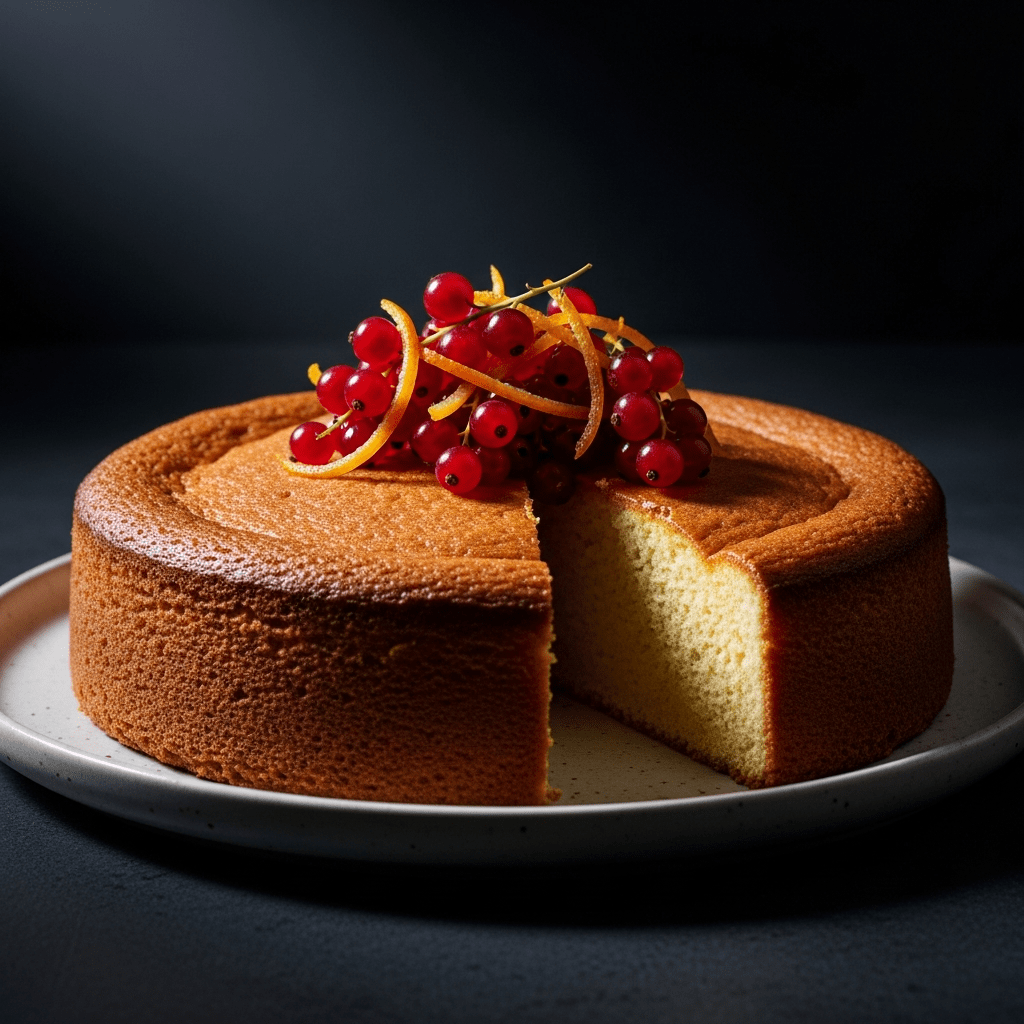
Genoise
Genoise is a classic European sponge cake known for its light, airy texture achieved solely through whipped eggs, without chemical leavening agents.
Genoise is a classic European sponge cake known for its light, airy texture achieved solely through whipped eggs, without chemical leavening agents.
Originating in Genoa, Italy, during the 18th century, Genoise reflects a blend of Italian and French pastry traditions. Though no single inventor is credited, its technique and name embody the cross-cultural exchange between these culinary schools, becoming a staple in both Italian and French baking.
Classified as a sponge cake, Genoise belongs to the family of cakes leavened primarily by air incorporated through egg whipping rather than chemical agents. It is a foundational type within European patisserie, distinct from other sponge variants like biscuit sponge due to its use of whole eggs.
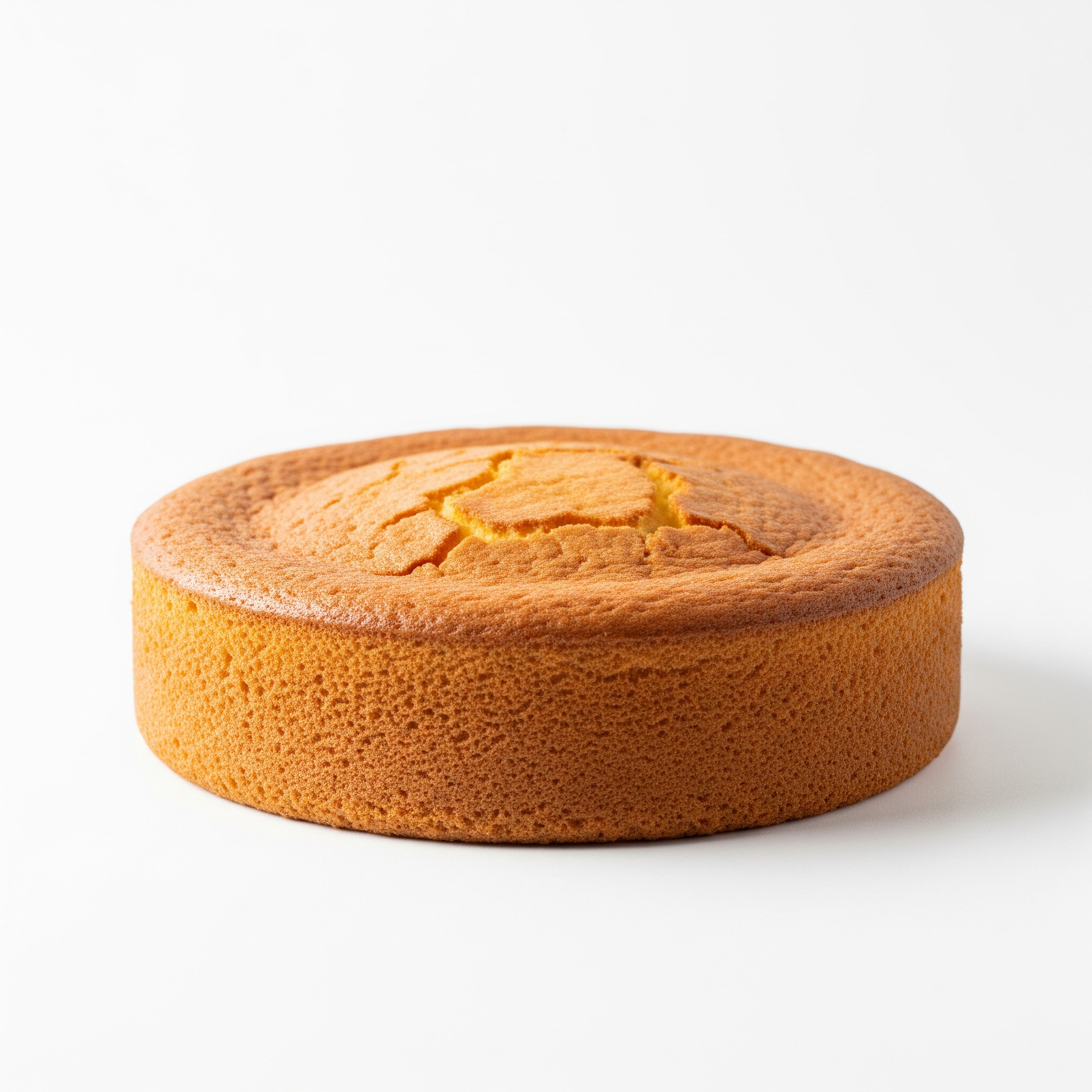
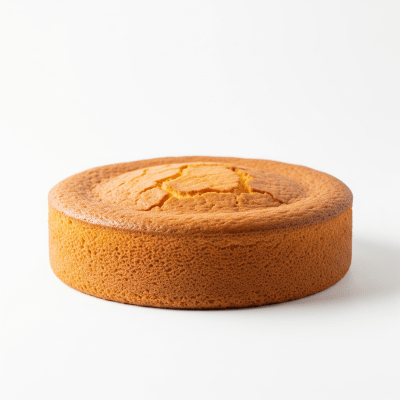
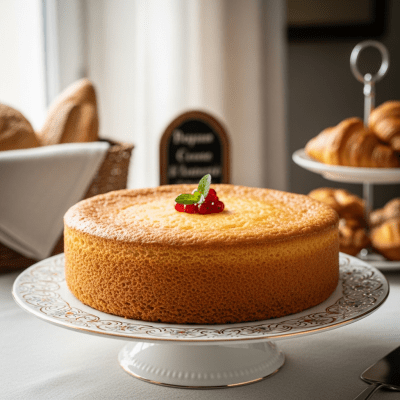
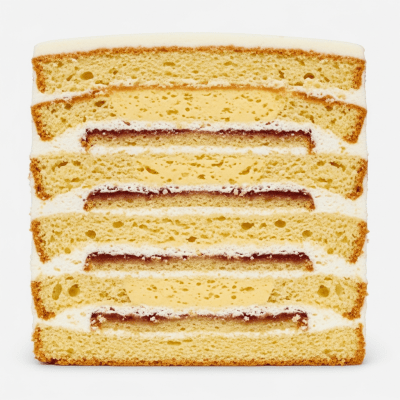
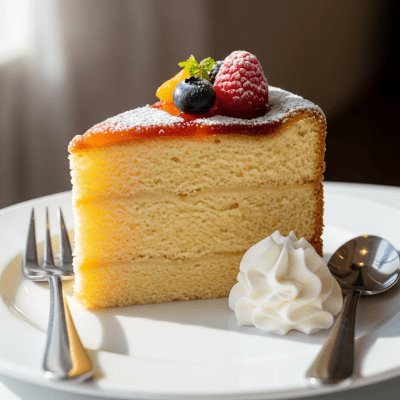
Typically baked in round or rectangular pans, Genoise presents a fine, even crumb with a subtle, neutral flavor. Its form is variable in layering, often sliced horizontally to create multi-layered cakes or roulades, offering a versatile base for various presentations.
Genoise serves as a versatile foundation in pastry, prized for its ability to absorb syrups and pair well with creams, fruits, and liqueurs. It is commonly used in layered celebration cakes, roulades like Buche de Noel, and classic gateaux such as Opera Cake and Fraisier, adapting easily to diverse flavor profiles and fillings.
Bring this kind into your world � illustrated posters, mugs, and shirts.
Archival print, museum-grade paper
Buy Poster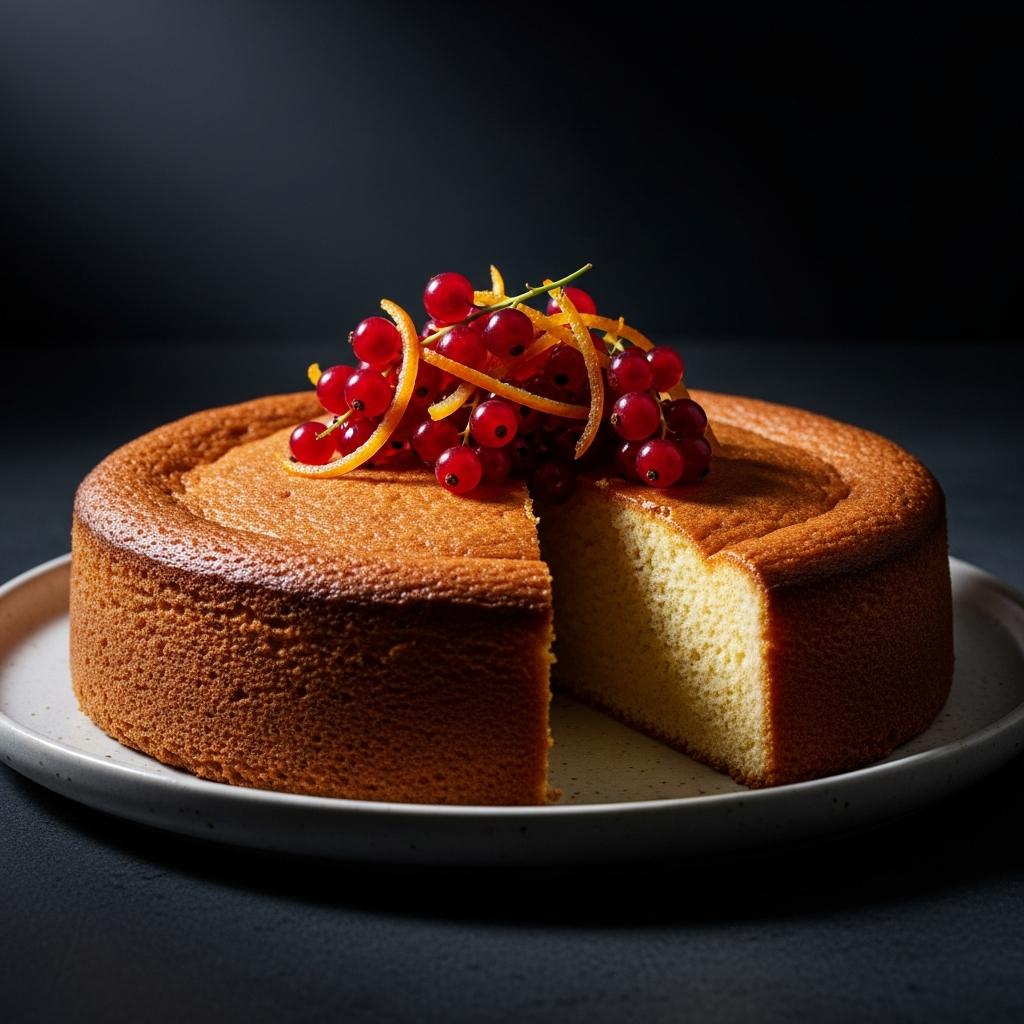
Stoneware mug, dishwasher safe
Buy Mug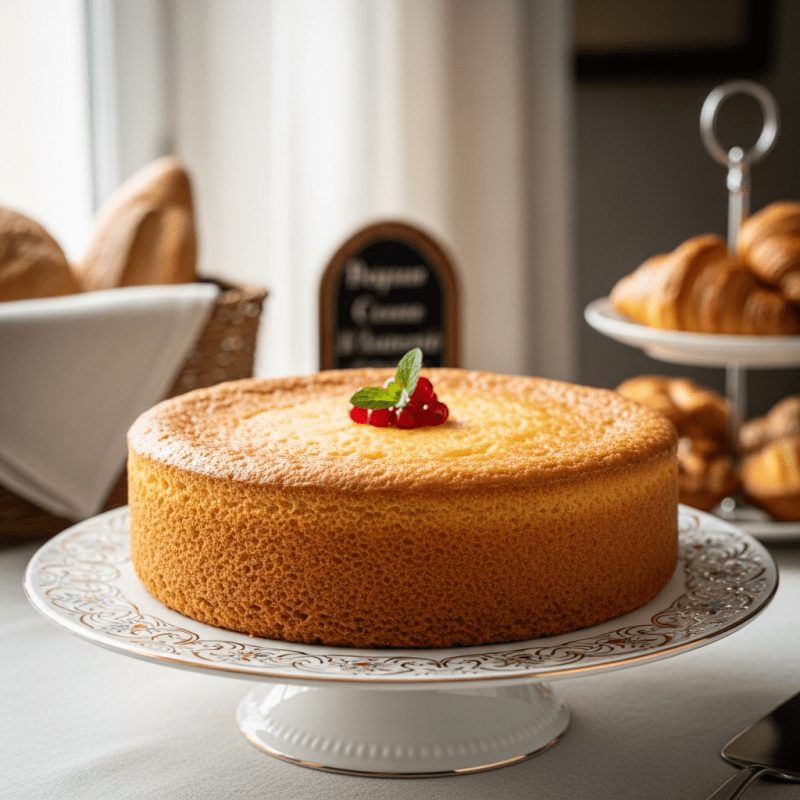
Soft cotton tee, unisex sizes
Buy ShirtEsteemed in European culinary culture, Genoise is synonymous with refined patisserie artistry. It frequently appears at weddings, birthdays, and formal occasions, symbolizing elegance and technical skill in baking. Its presence in renowned recipes and culinary schools underscores its cultural and gastronomic importance.
Genoise’s character is defined by a simple yet precise combination of eggs, sugar, flour, and butter, which together create its signature light texture and subtle flavor.

Preparation involves whipping eggs and sugar over gentle heat until tripled in volume, then carefully folding in sifted flour and melted butter to preserve aeration, followed by baking in round or rectangular pans.
Genoise features a fine, even crumb with a light, airy texture and a subtle, neutral flavor. This profile makes it especially suitable for soaking with syrups and layering with creams or fruit fillings.
Contains gluten, dairy, and eggs. It is not suitable for vegans or those with gluten intolerance unless specifically modified. Common dietary variants include gluten-free and vegan versions adapted from the traditional recipe.
Notable variants of Genoise include:
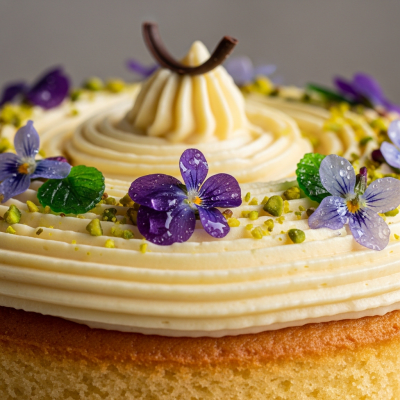
Genoise is often presented as a layered cake, sliced horizontally and filled with creams, fruits, or syrups. Decoration is typically elegant yet understated, allowing the cake’s fine texture to shine, with common finishes including buttercream, whipped cream, or powdered sugar.