Cheesecake
Cheesecake is a rich, sweet dessert made primarily from soft fresh cheese, eggs, and sugar, typically set atop a crumbly crust and celebrated for its creamy texture and versatile flavors.
Cheesecake is a rich, sweet dessert made primarily from soft fresh cheese, eggs, and sugar, typically set atop a crumbly crust and celebrated for its creamy texture and versatile flavors.
Cheesecake traces its roots to ancient Greece, where it was served to athletes at the first Olympic Games in 776 BCE. The modern cheesecake, featuring cream cheese, emerged in the United States in the late 19th century following the invention of commercial cream cheese in 1872. European versions, such as Germany's Käsekuchen and Italy's ricotta-based cakes, reflect regional adaptations that have evolved over centuries.
Though cheesecake lacks flour and often challenges traditional cake definitions, it is classified within the cake family as a flourless cake distinguished by its custard-like filling of soft cheese and eggs. It occupies a unique niche alongside other rich, creamy desserts and is recognized globally as a distinct cake variety.
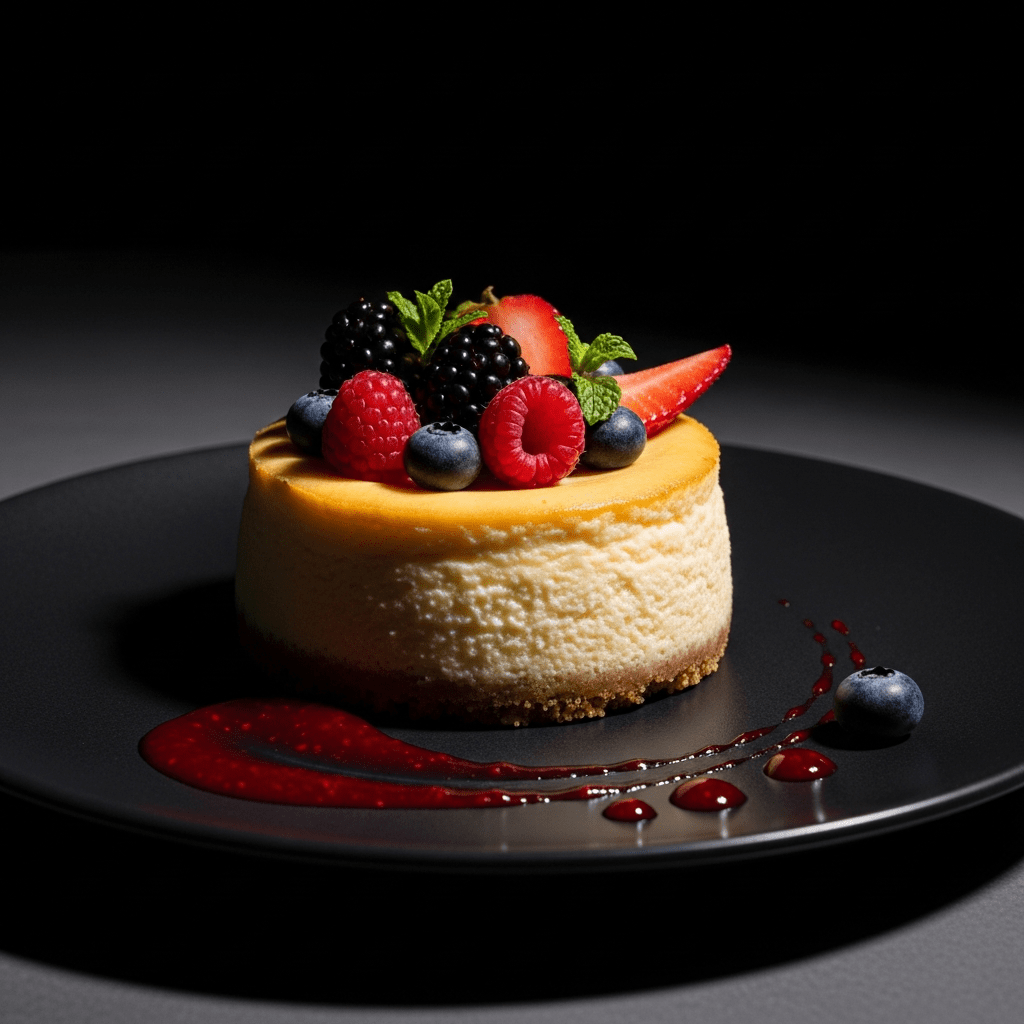
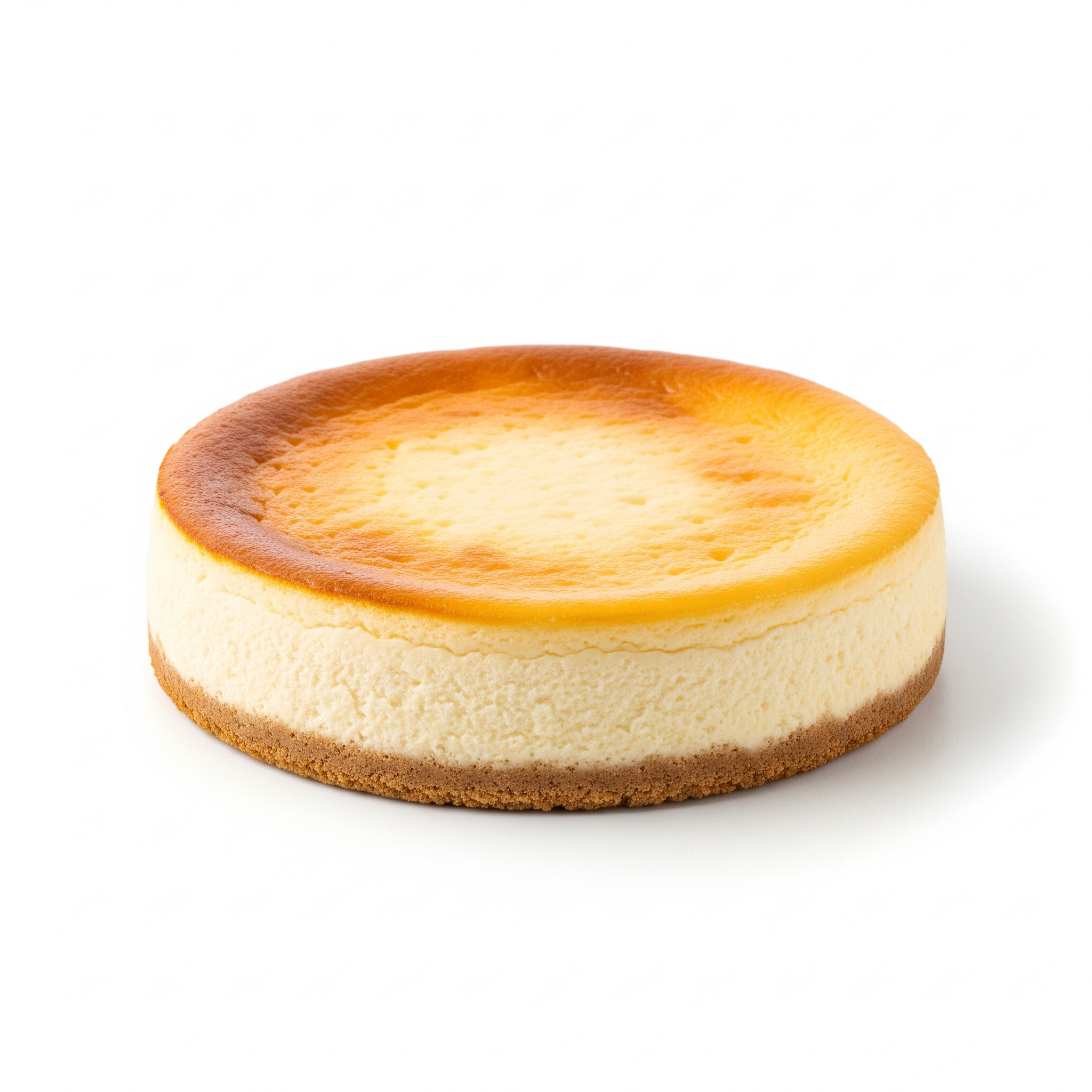
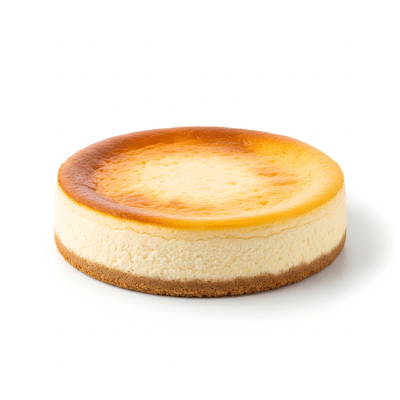
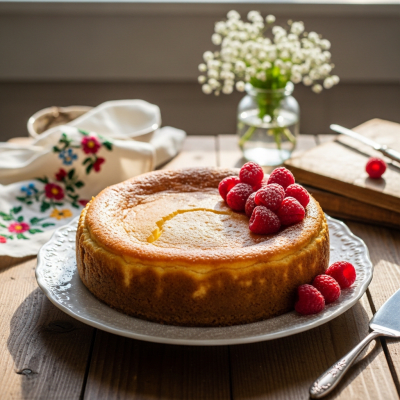
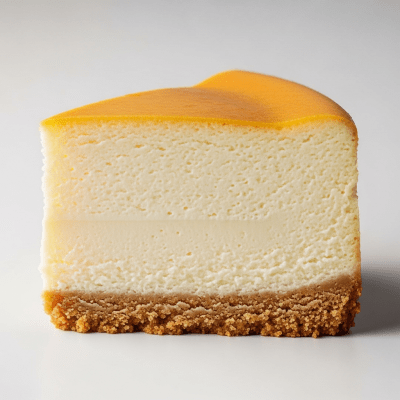
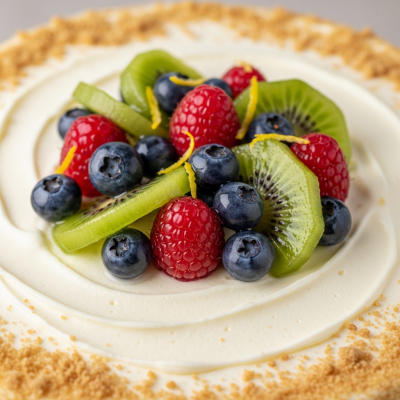
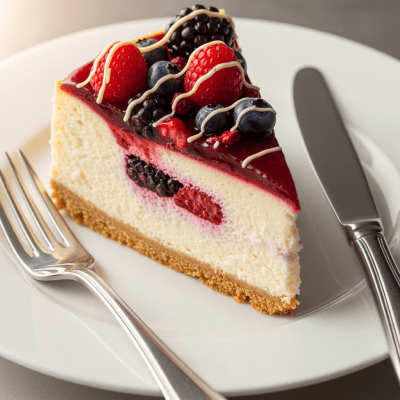
Typically round and single-layered, cheesecake usually measures between 20 to 30 centimeters in diameter. It features a smooth, creamy surface that may be adorned with fruit toppings, glazes, or whipped cream, resting on a crust made from crushed cookies or pastry. Its visual appeal lies in its glossy finish and often simple yet elegant presentation.
Cheesecake is primarily served as a dessert in restaurants, bakeries, and home settings. It is enjoyed year-round and commonly featured at celebrations such as birthdays, holidays, and weddings. Its versatility allows it to be chilled or baked, adapting to various culinary preferences and occasions worldwide.
Bring this kind into your world � illustrated posters, mugs, and shirts.
Archival print, museum-grade paper
Buy Poster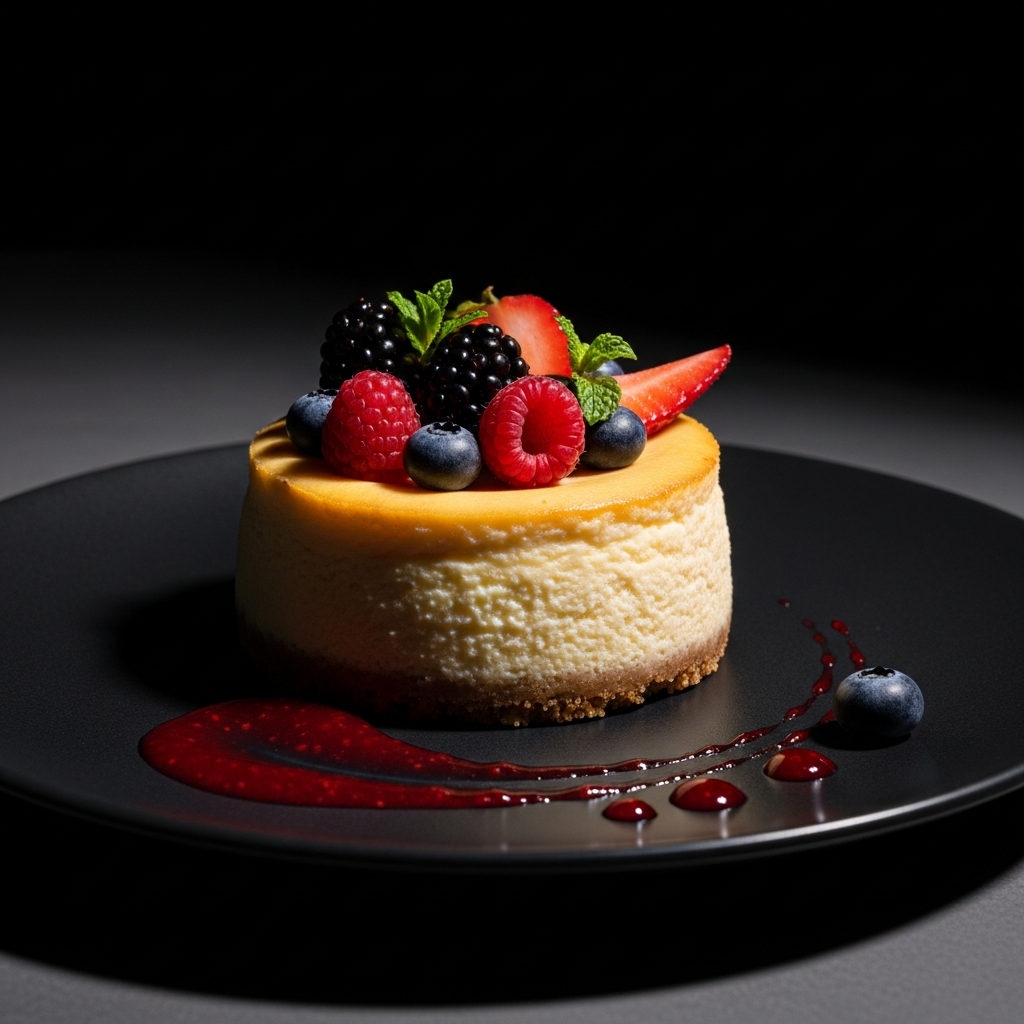
Stoneware mug, dishwasher safe
Buy Mug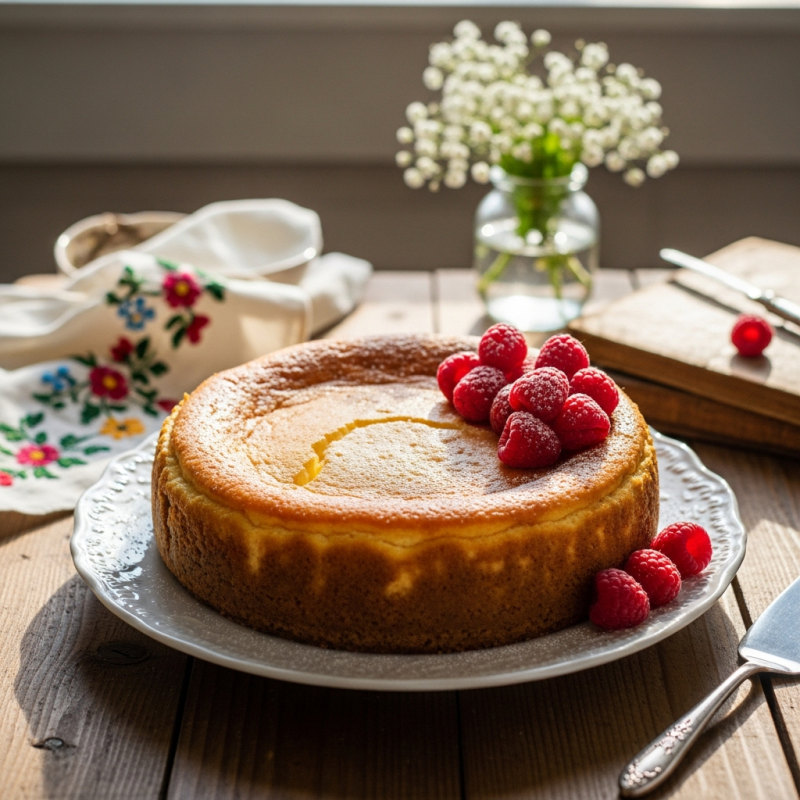
Soft cotton tee, unisex sizes
Buy ShirtCheesecake holds a cherished place in many cultures as a comfort food and festive treat. Its presence in popular media, culinary competitions, and international menus underscores its cultural resonance. Variants like New York-style and Japanese soufflé cheesecake highlight how cheesecake reflects regional tastes and culinary artistry.
🧁 Main Ingredients:

👩🍳 Preparation Methods:
Cheesecake is known for its creamy, smooth texture with a rich and sweet flavor profile. Its custard-like consistency varies by style, ranging from dense and velvety in New York-style to light and airy in Japanese soufflé versions, often complemented by subtle tanginess from the cheese.
⚠️ Dietary and Allergen Information: Traditional cheesecake contains gluten (in the crust), dairy, and eggs. It does not typically contain soy. Common dietary adaptations include gluten-free crusts and vegan versions using plant-based cheeses and egg substitutes to accommodate allergies and dietary preferences.
🌍 Regional Variants:
Cheesecakes are commonly decorated with fresh fruit toppings, glossy glazes, or dollops of whipped cream. Presentation often emphasizes a clean, smooth surface highlighting the cake's creamy texture, served sliced on plates or as individual portions. Elegant simplicity is favored, though some versions may include nuts, chocolate, or sauces for added flair.