Castella
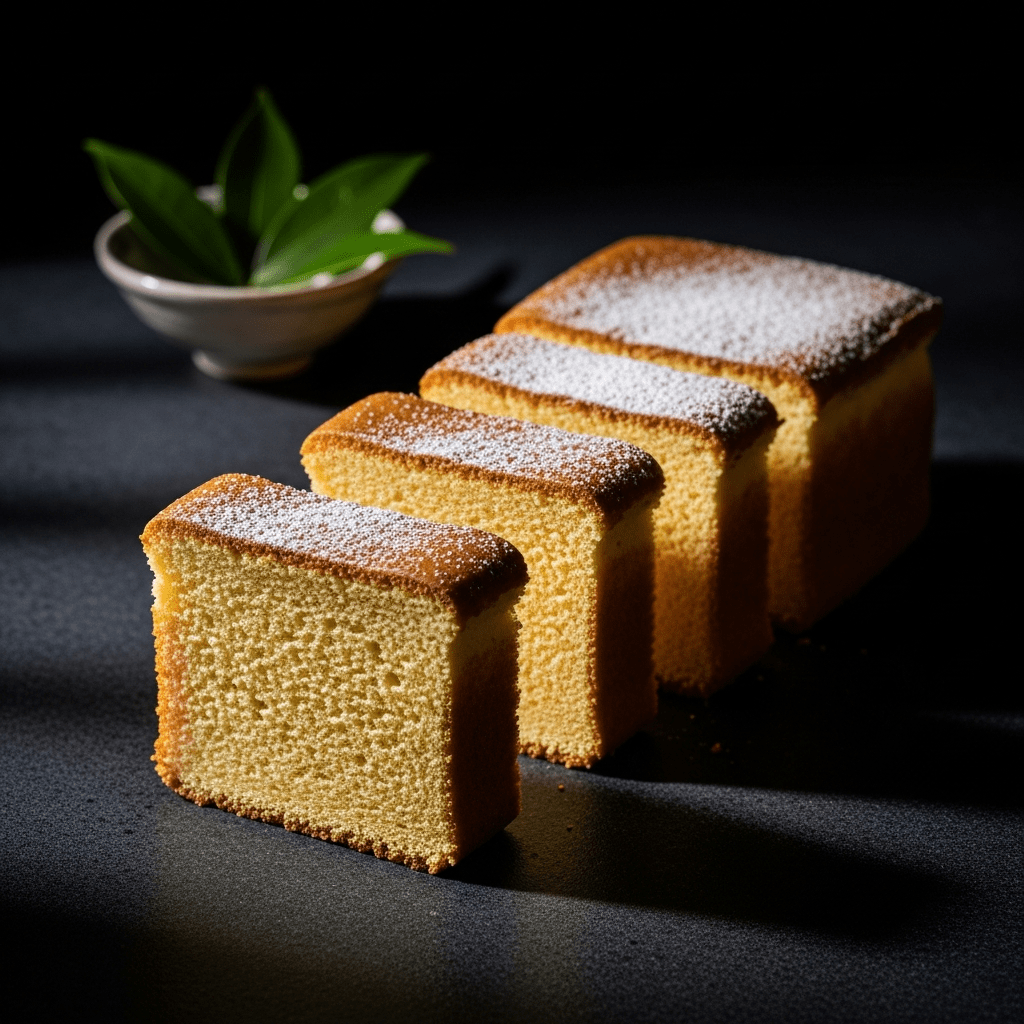
Castella is a light, moist Japanese sponge cake known for its fine texture, subtle sweetness, and distinctive rectangular shape topped with a glossy caramelized crust.
Castella is a light, moist Japanese sponge cake known for its fine texture, subtle sweetness, and distinctive rectangular shape topped with a glossy caramelized crust.
Castella originated in 16th-century Japan, introduced by Portuguese missionaries and traders during the Nanban trade period. Its name derives from the Portuguese term "Pão de Castela," meaning "bread from Castile," reflecting its Iberian roots. Over time, Castella was adapted to Japanese tastes and became a celebrated specialty of Nagasaki, symbolizing the region’s historical openness to foreign influences.
Castella belongs to the sponge cake family, characterized by a batter leavened primarily through air incorporation rather than chemical agents or fats. Unlike butter cakes, Castella contains no added fat, relying on whipped eggs and starch syrup to achieve its moist, tender crumb.
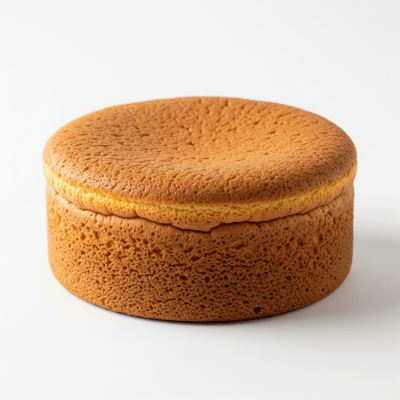
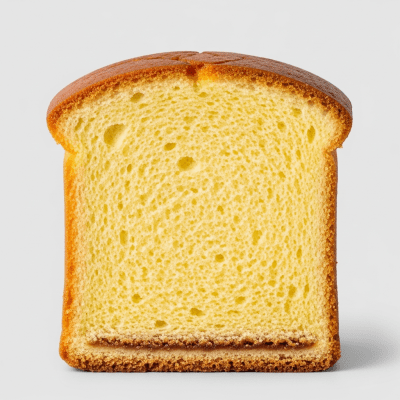
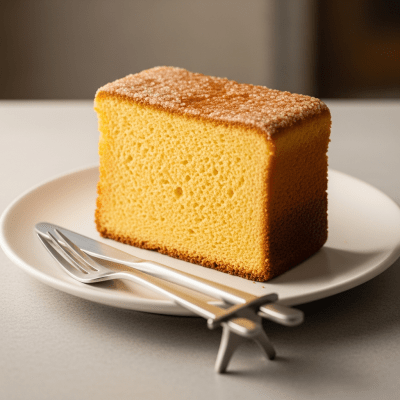
Traditionally baked in long rectangular loaf molds, Castella presents a single-layer, loaf-like form with a fine, even crumb. Its surface is marked by a glossy, caramelized top that contrasts with the pale golden interior, offering an inviting visual balance.
Castella is commonly sliced into rectangular pieces and enjoyed as a snack or dessert. It pairs especially well with green tea and is frequently served during tea ceremonies, family gatherings, and as a thoughtful gift or souvenir, particularly in Nagasaki where it holds cultural prominence.
Bring this kind into your world � illustrated posters, mugs, and shirts.
Archival print, museum-grade paper
Buy Poster
Stoneware mug, dishwasher safe
Buy Mug
Soft cotton tee, unisex sizes
Buy ShirtAs a symbol of Nagasaki’s historical trade and cultural exchange, Castella embodies Japan’s adaptation of foreign culinary traditions. It holds a cherished place in Japanese confectionery culture, often featured in celebrations and regarded as a refined sweet that bridges East and West.
Primary ingredients: bread flour, eggs, sugar, starch syrup (mizuame).


Castella batter is prepared by whipping eggs and sugar to incorporate air, then gently folding in bread flour and starch syrup. The mixture is poured into rectangular molds and baked slowly at a low temperature, allowing a fine crumb and caramelized top to develop without drying.
Castella features a fine, even crumb that is moist yet light. Its flavor is subtly sweet with gentle caramel notes from the top crust, offering a delicate balance that complements tea and other mild accompaniments.
Castella contains gluten and eggs but typically excludes dairy and soy. Common dietary variants include honey, brown sugar, and matcha-infused versions. It is not suitable for those with gluten or egg allergies.
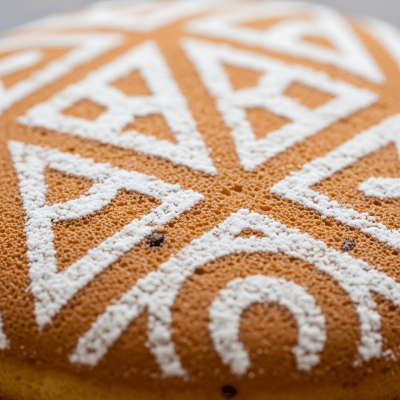
Castella is typically presented simply, sliced into neat rectangular pieces showcasing its smooth, golden-brown top. It is often packaged in elegant boxes for gifting, emphasizing its status as a refined confection. Decoration beyond the caramelized crust is uncommon, highlighting the cake’s understated elegance.