Origin Story

The tradition of the birthday cake traces back to ancient Western Europe, with roots in Roman and Greek celebrations where cakes or bread were offered for personal milestones or to deities. The modern birthday cake, complete with candles and elaborate decorations, emerged in 18th-century Germany during the "Kinderfest" celebrations and spread worldwide throughout the 19th and 20th centuries as sugar and commercial baking became more accessible.

Classification

Birthday cake belongs to the broader category of celebratory cakes, a subset of sweet baked goods defined by their role in marking special occasions. Unlike cakes defined by strict recipes, birthday cakes are classified primarily by their function and occasion rather than a single style or ingredient profile.

Appearance or Form

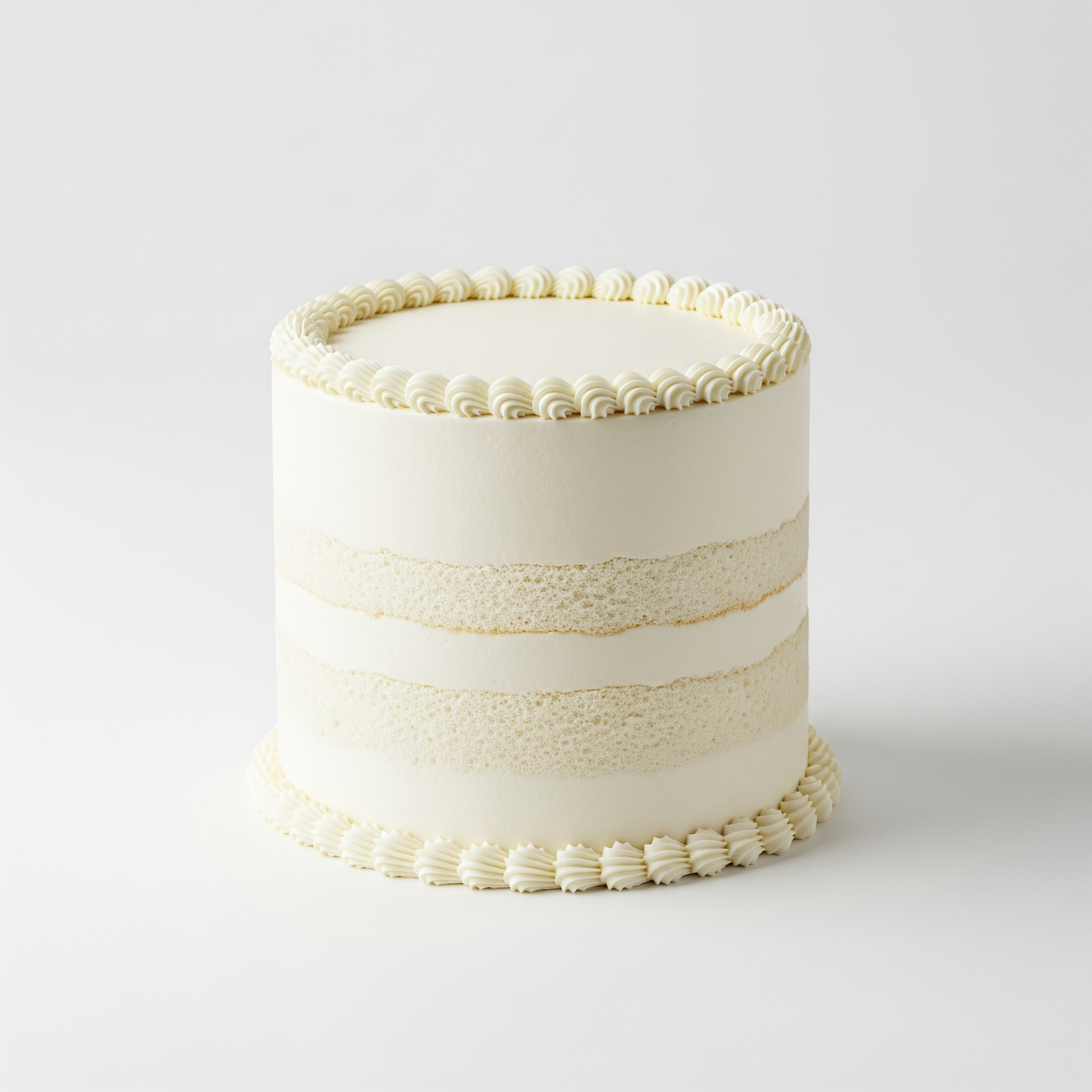
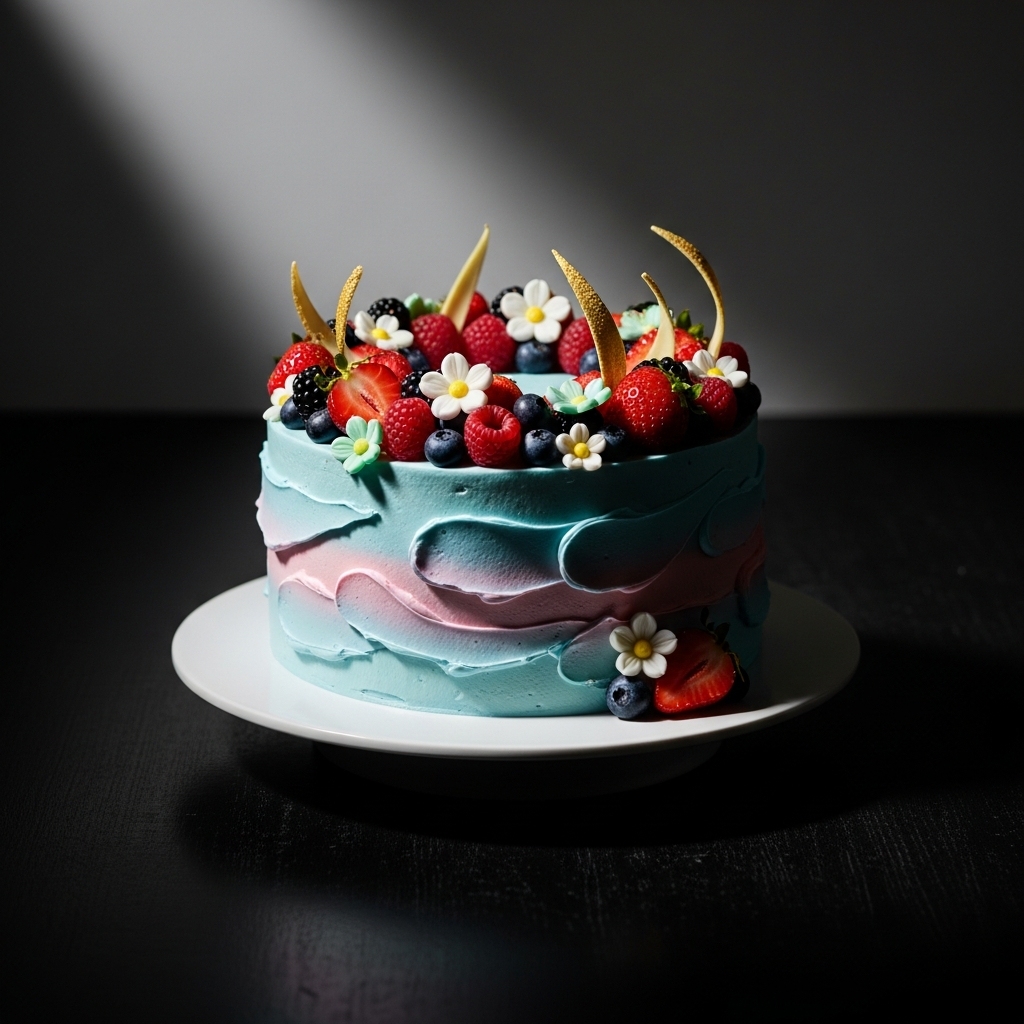
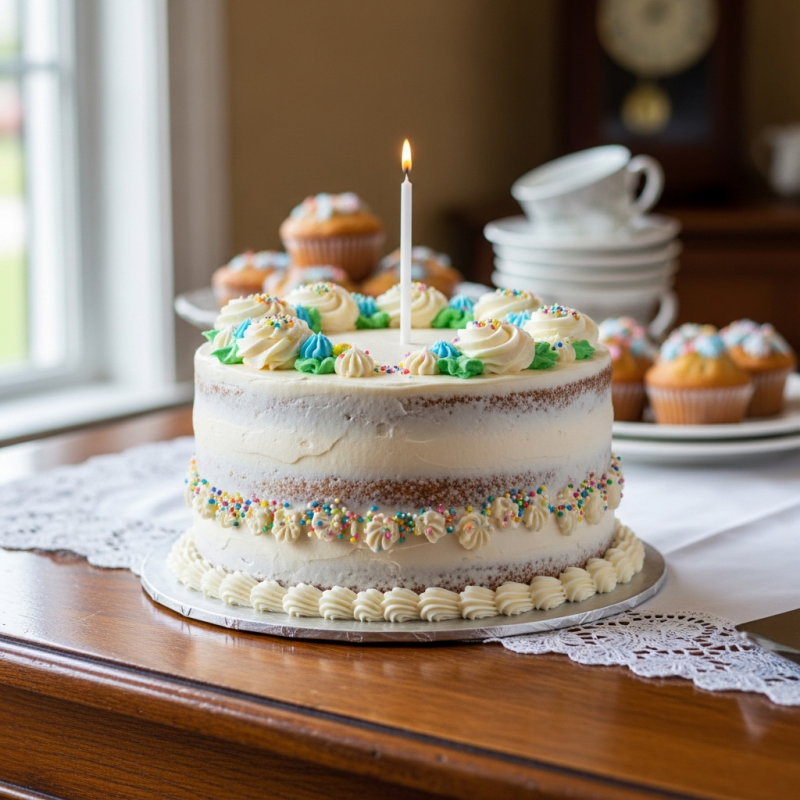
Birthday cakes commonly take round or sheet shapes and vary from single-layer to multi-tiered forms. They are typically frosted with buttercream, whipped cream, fondant, or ganache and decorated with piped icing, sprinkles, edible images, figurines, and candles. The visual presentation is often colorful and personalized, emphasizing celebration and festivity.

Behavior or Usage

Birthday cakes serve as the focal point of birthday celebrations, used in rituals such as candle-blowing and wish-making. They are either homemade or commercially purchased and customized with the celebrant’s name, age, and thematic decorations. Their use is deeply embedded in social and familial traditions worldwide.

Merchandise & Prints

Bring this kind into your world � illustrated posters, mugs, and shirts.

Birthday Cake Birthday Cake Poster

Birthday Cake Poster

Archival print, museum-grade paper

Birthday Cake Birthday Cake Mug

Birthday Cake Mug

Stoneware mug, dishwasher safe

Birthday Cake Birthday Cake Shirt

Birthday Cake Shirt

Soft cotton tee, unisex sizes

Attributes & Insights

Taxon-Specific Insights

🌍Cultural Significance

As a symbol of celebration and well-wishing, the birthday cake holds a prominent place in cultural rituals globally. It appears in art, media, and social customs as an emblem of joy and milestone marking. Variations in flavor and style reflect regional preferences, yet the cake’s role as a centerpiece for communal festivity remains universal.

📌Notable Facts

  • The modern birthday cake tradition originated in 18th-century Germany's Kinderfest celebrations.
  • Birthday cakes are not defined by a single recipe but by their function and occasion.
  • They often feature personalized decorations, including the celebrant’s name and age.
  • Regional variants include the Kinderfest cake in Germany and pastel de cumpleaños in Spanish-speaking countries.
  • Gluten-free, vegan, and allergen-friendly versions are widely available today.

🧁Main Ingredients

Key ingredients defining birthday cakes include flour, sugar, eggs, fat (butter or oil), leavening agents such as baking powder or soda, and flavorings like vanilla, chocolate, or fruit extracts.

Visual Variations

High quality studio photograph of a Birthday Cake from the cake taxonomy
A realistic image of a whole Birthday Cake (cake) displayed on a classic dessert table in a home or bakery setting
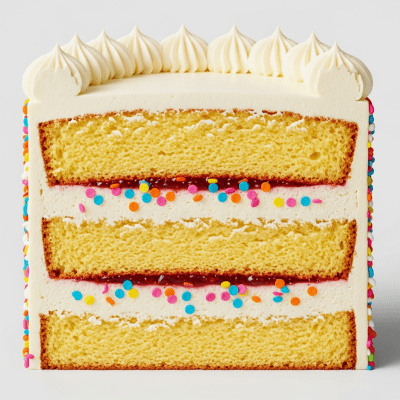
Detailed cross-sectional view of a sliced Birthday Cake (cake), showing internal layers, textures, and ingredients
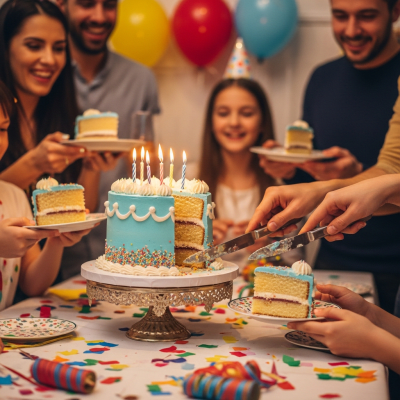
A scene showing the Birthday Cake (cake) being served or enjoyed at a festive occasion, such as a birthday party or wedding
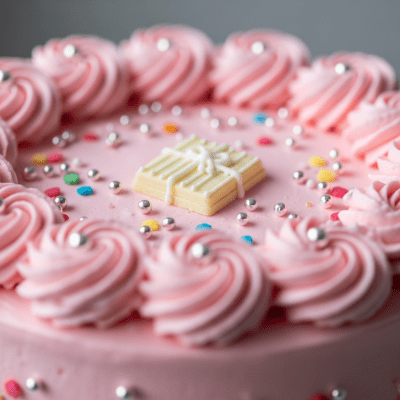
Close-up macro photograph of the surface texture and decoration of a Birthday Cake (cake)
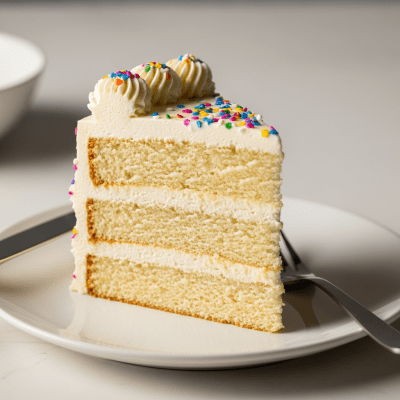
An image of a single slice of Birthday Cake, from the cake taxonomy, isolated on a plate with simple cutlery

Composition & Context

Taxon-Specific Insights

👩‍🍳Preparation Methods

Birthday cakes are typically prepared by baking. The process involves mixing the main ingredients into a batter, baking it in round or sheet pans, then layering and frosting the cooled cake. Decoration follows, often involving piping, fondant application, and adding edible embellishments.

👅Texture And Flavor Profile

Birthday cakes exhibit a variable texture, ranging from light and airy sponge to dense and moist butter cakes. Flavor profiles are equally diverse, commonly featuring vanilla, chocolate, or fruit notes, tailored to personal or regional preferences.

⚠️Dietary And Allergen Info

⚠️ Common allergens in birthday cakes include gluten, dairy, and eggs. Many traditional recipes contain these ingredients, though soy presence varies. Dietary adaptations such as gluten-free, vegan, and allergen-friendly cakes are increasingly common to accommodate diverse needs.

🌍Regional Variants

Notable regional variants include the Kinderfest cake from Germany, known as the origin of the modern birthday cake tradition and often elaborately decorated; pastel de cumpleaños in Spanish-speaking countries, which reflects local flavor and decoration preferences; and the birthday sponge in the United Kingdom, typically a sponge cake variant favored for birthdays.

Decoration And Presentation

Birthday cakes are commonly decorated with buttercream frosting, whipped cream, fondant, or ganache. Additional adornments include piped icing, sprinkles, edible images, figurines, and candles. Personalized messages and colorful embellishments enhance the celebratory appearance, often tailored to the theme or age of the celebrant.

Faq

  • What ingredients are typically used in a birthday cake? Flour, sugar, eggs, fat (butter or oil), leavening agents, and flavorings such as vanilla or chocolate.
  • Are birthday cakes always baked? Most are baked, but some variants like ice cream cakes or cheesecakes may be unbaked.
  • Can birthday cakes accommodate dietary restrictions? Yes, many gluten-free, vegan, and allergen-friendly recipes exist.