Basbousa
Basbousa is a traditional Middle Eastern semolina cake known for its moist, syrup-soaked texture and delicate floral sweetness.
Basbousa is a traditional Middle Eastern semolina cake known for its moist, syrup-soaked texture and delicate floral sweetness.
Originating in the Middle East, particularly Egypt and the Levant, Basbousa has roots tracing back to Ottoman culinary traditions. Its exact origin is unclear, but it has been a beloved dessert across North Africa and the Eastern Mediterranean since at least the 19th century, evolving from earlier syrup-soaked cakes common in the Arab world.
Basbousa belongs to the semolina cake family, characterized by the use of coarse semolina flour and a syrup-soaked finish. It fits within the broader category of sweet, baked cakes that rely on syrup infusion for moisture and flavor.
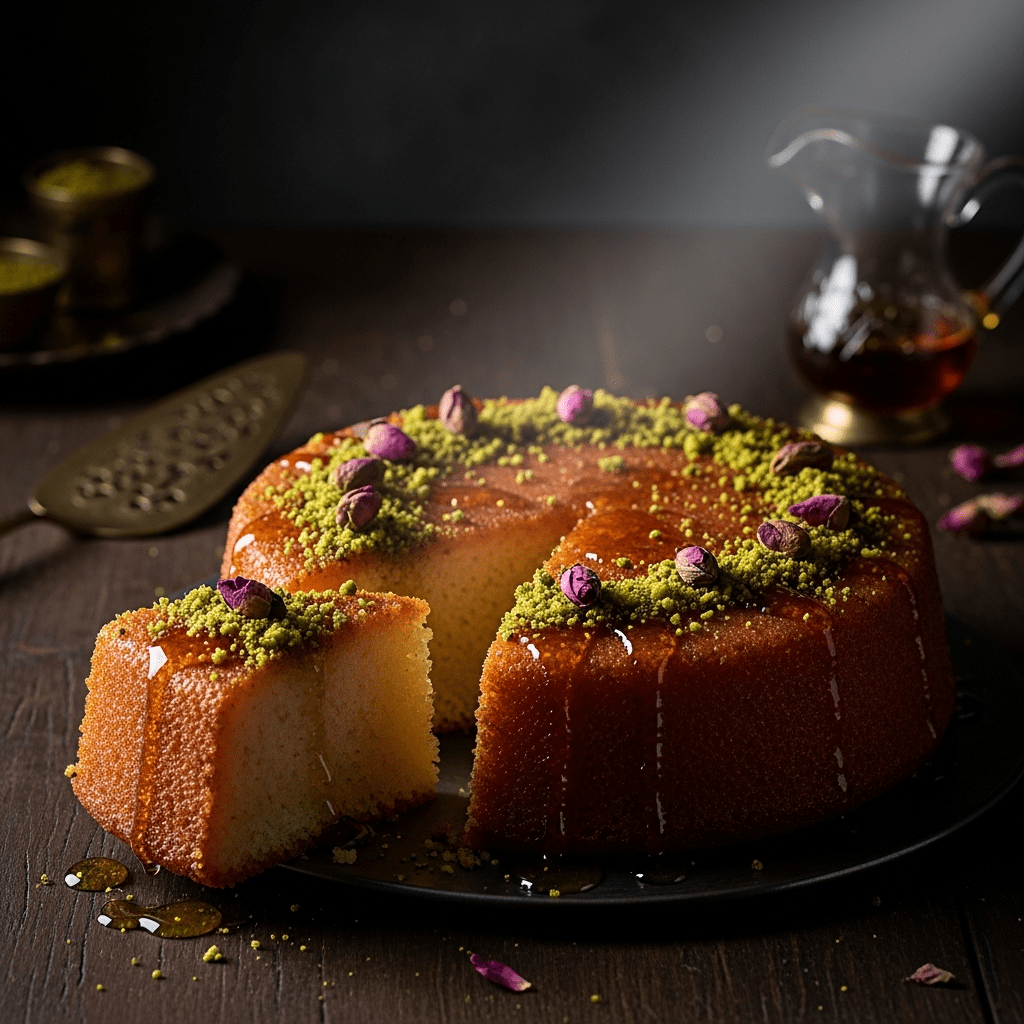
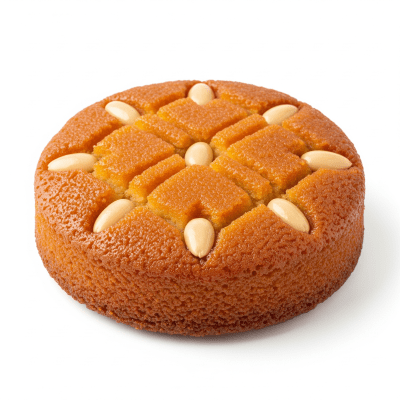
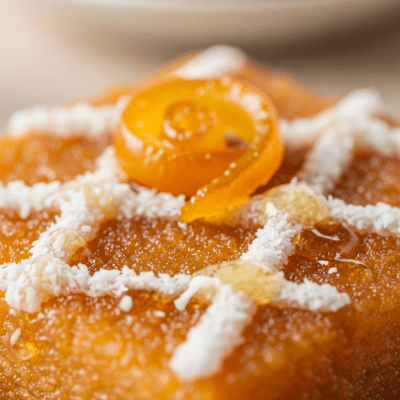
Typically baked as a single-layer cake in rectangular or square pans, Basbousa is cut into diamond or square pieces. Its surface is often adorned with blanched almonds or sprinkled with coconut flakes, presenting a rustic yet inviting look. The cake’s texture is visibly grainy due to the semolina, with a glossy sheen from the syrup.
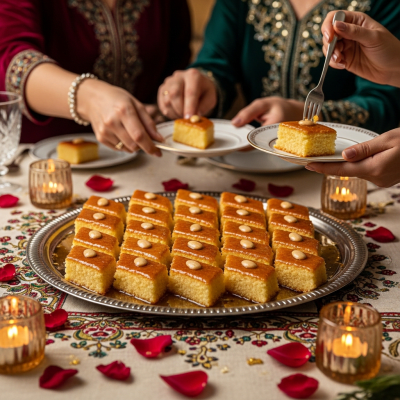
Basbousa is primarily served as a dessert or sweet snack, especially during festive and religious occasions like Ramadan and Eid. It is enjoyed across homes and bakeries in the Middle East and North Africa, often accompanied by tea or coffee. Its syrup-soaked nature makes it a moist, satisfying treat that holds well for communal sharing.
Bring this kind into your world � illustrated posters, mugs, and shirts.
Archival print, museum-grade paper
Buy Poster
Stoneware mug, dishwasher safe
Buy Mug
Soft cotton tee, unisex sizes
Buy ShirtDeeply embedded in Middle Eastern culinary culture, Basbousa is a staple at celebrations and social gatherings. Its presence during Ramadan and Eid underscores its role in religious and communal traditions. The cake also symbolizes hospitality and warmth, frequently offered to guests and family alike.
Basbousa’s defining ingredients include semolina flour, sugar, yogurt, butter or ghee, baking powder, and a fragrant syrup typically made with water, sugar, and rose or orange blossom water. Optional garnishes often feature blanched almonds and coconut flakes.

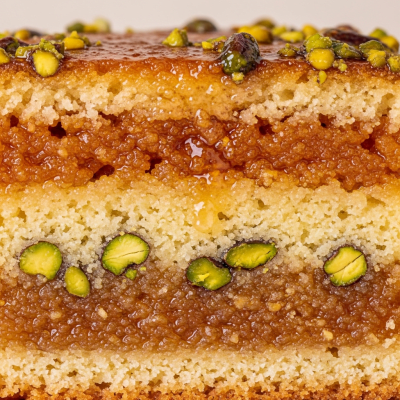
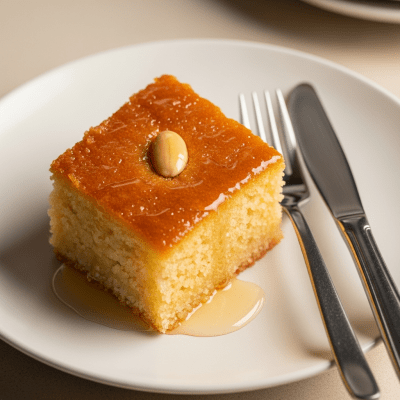
The cake is prepared by mixing semolina with wet ingredients and leavening agents, then baking it as a single layer. Once baked, it is immediately soaked with a scented sugar syrup, allowing the cake to absorb moisture and develop its signature sweetness and texture.
Basbousa offers a moist yet slightly grainy texture due to the semolina, balanced by the syrup’s sweetness. The flavor is subtly floral, enhanced by rose water or orange blossom water, creating a fragrant and comforting dessert experience.
Contains gluten: Yes, from semolina flour.
Contains dairy: Yes, from yogurt and butter or ghee.
Contains eggs: No.
Contains nuts: Sometimes, if garnished with almonds.
Common dietary variants: While traditional Basbousa includes dairy and gluten, some modern adaptations may offer gluten-free or dairy-free versions.
Basbousa is known by various names and slight recipe variations across regions:
Basbousa is traditionally cut into diamond or square pieces immediately after baking. It is commonly decorated with blanched almonds placed atop each piece or sprinkled with coconut flakes, adding visual appeal and textural contrast. The cake is usually served at room temperature, often alongside tea or coffee.