
Whole Wheat Bread
Whole wheat bread is a leavened bread made primarily from whole wheat flour, known for its dense texture, robust flavor, and higher nutritional value compared to white bread.
Whole wheat bread is a leavened bread made primarily from whole wheat flour, known for its dense texture, robust flavor, and higher nutritional value compared to white bread.
Originating in ancient agricultural societies around 10,000 BCE, whole wheat bread has a long history as a staple food. Its modern commercial production became widespread in Europe and North America during the late 19th and early 20th centuries, evolving from traditional whole grain breads to the varieties commonly consumed today.
Whole wheat bread belongs to the family of leavened breads, distinguished by its use of whole wheat flour rather than refined white flour. It fits within the broader category of staple grain-based breads, typically leavened with commercial yeast and baked into loaves or rolls.
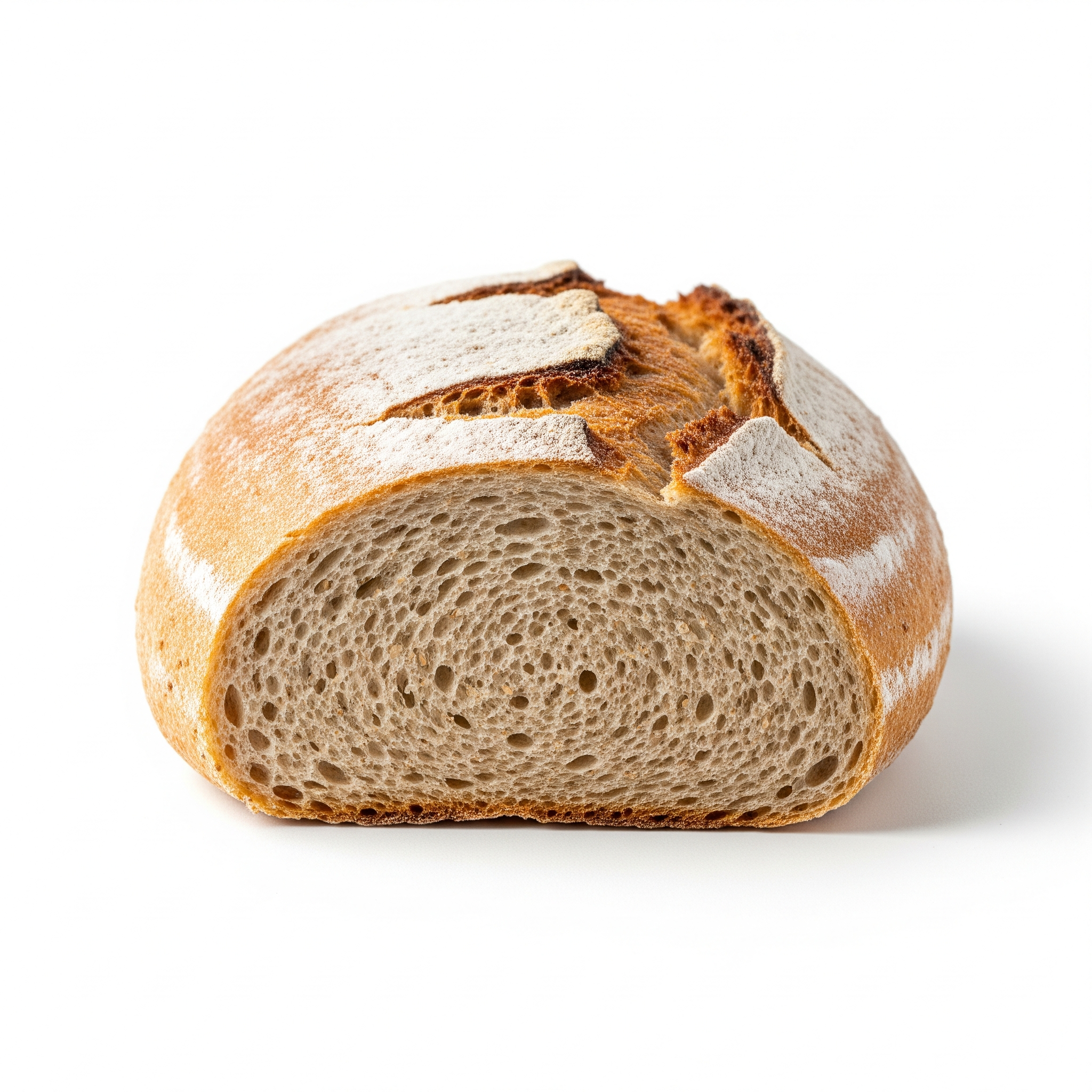
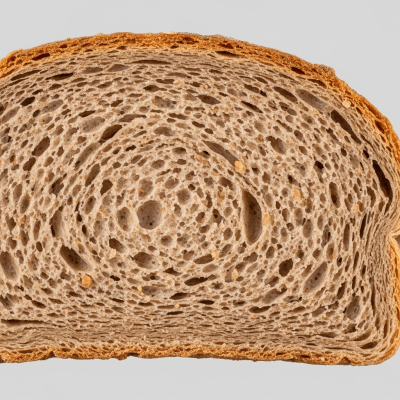
Typically baked as a loaf, whole wheat bread can also appear as rolls, buns, or flatbreads. Its crumb is denser and coarser than white bread due to the inclusion of bran and germ, with a characteristic brown to dark tan color that varies by wheat variety and flour extraction rate.
Whole wheat bread serves as a versatile staple food, commonly used for sandwiches, toast, and as an accompaniment to meals. Its denser texture and richer flavor make it a favored choice in health-conscious diets, while its robust nature supports a variety of culinary interactions from simple to complex preparations.
Bring this kind into your world � illustrated posters, mugs, and shirts.
Archival print, museum-grade paper
Buy Poster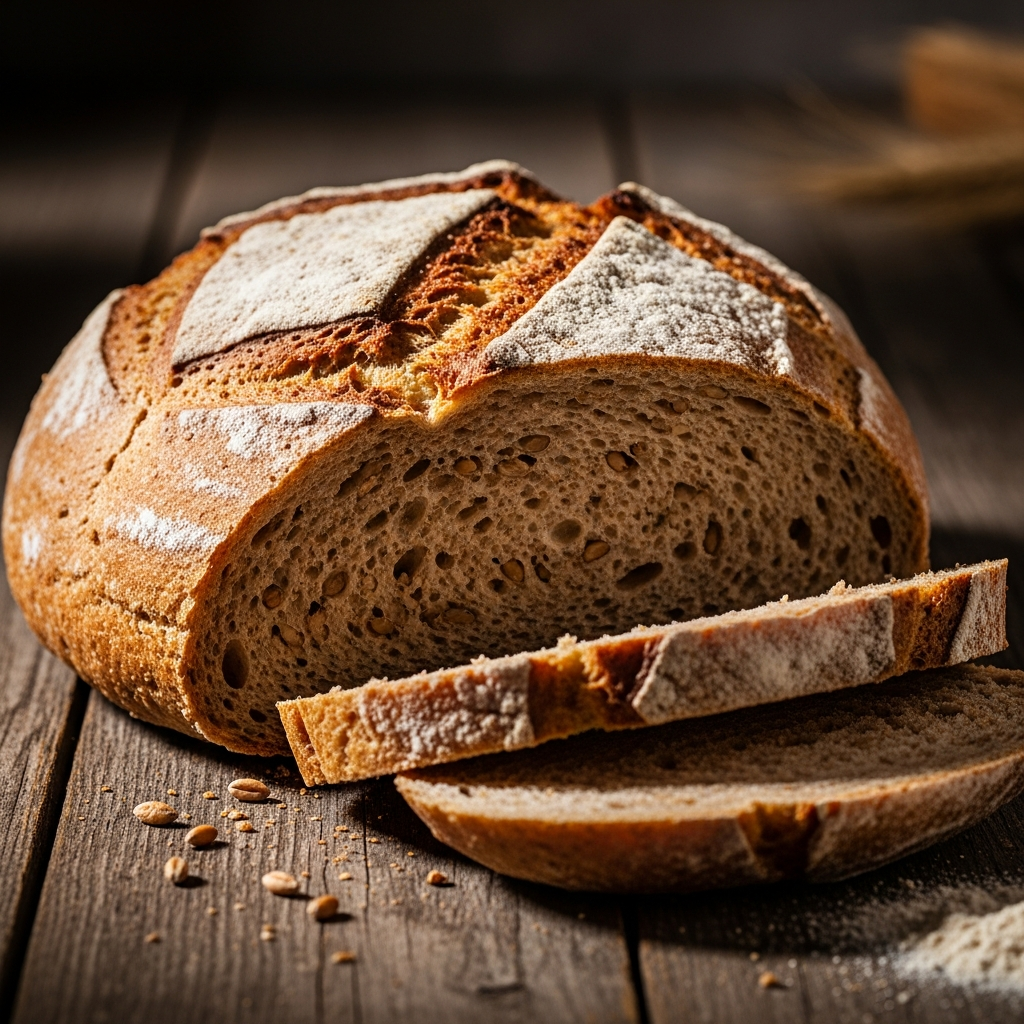
Stoneware mug, dishwasher safe
Buy Mug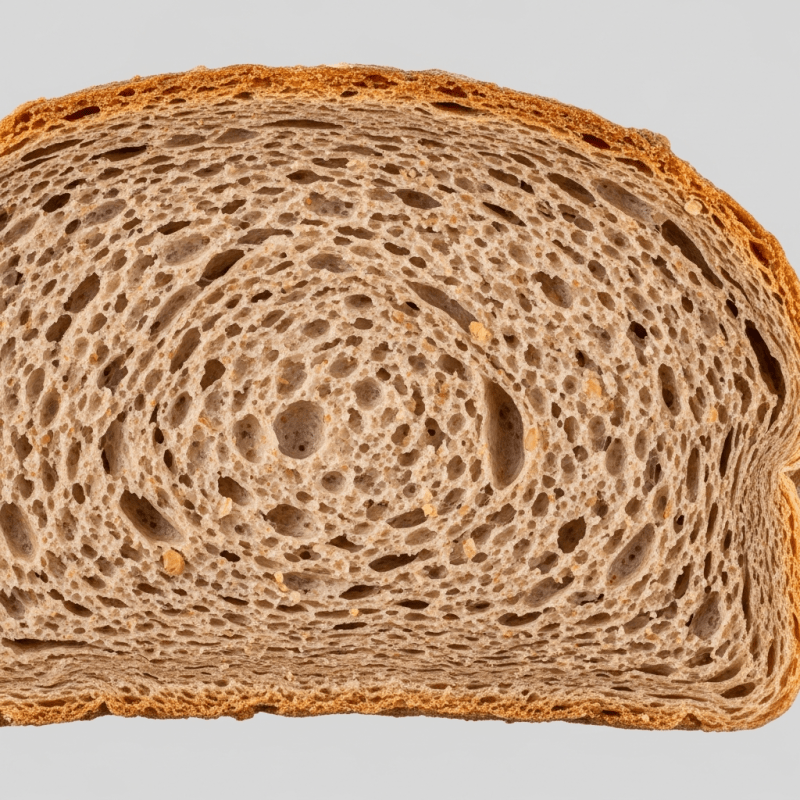
Soft cotton tee, unisex sizes
Buy ShirtAs a symbol of wholesome nutrition and traditional baking, whole wheat bread holds cultural importance in many societies. It is often associated with healthful eating and natural food movements, appearing in culinary traditions, dietary guidelines, and institutional food programs worldwide.
Whole wheat bread is primarily made from whole wheat flour, water, commercial yeast, and salt.




Leavened using commercial yeast, whole wheat bread undergoes fermentation that causes the dough to rise, though typical fermentation times vary by recipe and baker. Unlike sourdough, it does not rely on wild yeast or bacterial cultures.
Rich in dietary fiber, whole wheat bread offers more B vitamins, iron, and magnesium than white bread. Its lower glycemic index supports better blood sugar control, and it is widely regarded for its health benefits related to nutrient density and digestive health.
Whole wheat bread is best stored at room temperature and typically remains fresh for 3 to 5 days. Due to the higher oil content from the wheat germ, it is more susceptible to rancidity and mold if not properly stored, making timely consumption important.
Widely used as a staple food, whole wheat bread is enjoyed in sandwiches, toasted for breakfast, or served alongside meals. It is favored in health-conscious markets and institutional settings such as schools and hospitals, often forming the base for specialty breads like multigrain or seeded varieties.
Regional variations in whole wheat bread recipes exist, with differences in flour extraction rates and blending. Some areas incorporate partial whole wheat blends or local grains, resulting in diverse textures and flavors under the whole wheat bread category.
Whole wheat bread is commercially available worldwide in sliced loaves, artisan forms, and as a foundation for specialty breads. It is common in retail outlets and institutional supply chains, reflecting its broad acceptance and demand in health-focused consumer segments.