
Sourdough Bread
Sourdough bread is a naturally leavened bread made using wild yeast and lactic acid bacteria, known for its distinctive tangy flavor, chewy texture, and crusty exterior.
Sourdough bread is a naturally leavened bread made using wild yeast and lactic acid bacteria, known for its distinctive tangy flavor, chewy texture, and crusty exterior.
Sourdough bread traces its origins to ancient times, with evidence of naturally fermented breads dating back to around 3000 BCE in Egypt. It evolved independently across multiple cultures through the use of a starter culture—a mixture of flour and water colonized by ambient wild yeast and beneficial bacteria—without a single known breeder or institution responsible for its creation.
Classified within the leavened bread family, sourdough belongs to the subset of breads that rely on natural fermentation rather than commercial yeast or chemical leavening. It is a style defined by its use of a sourdough starter, placing it among artisan breads celebrated for traditional fermentation methods.
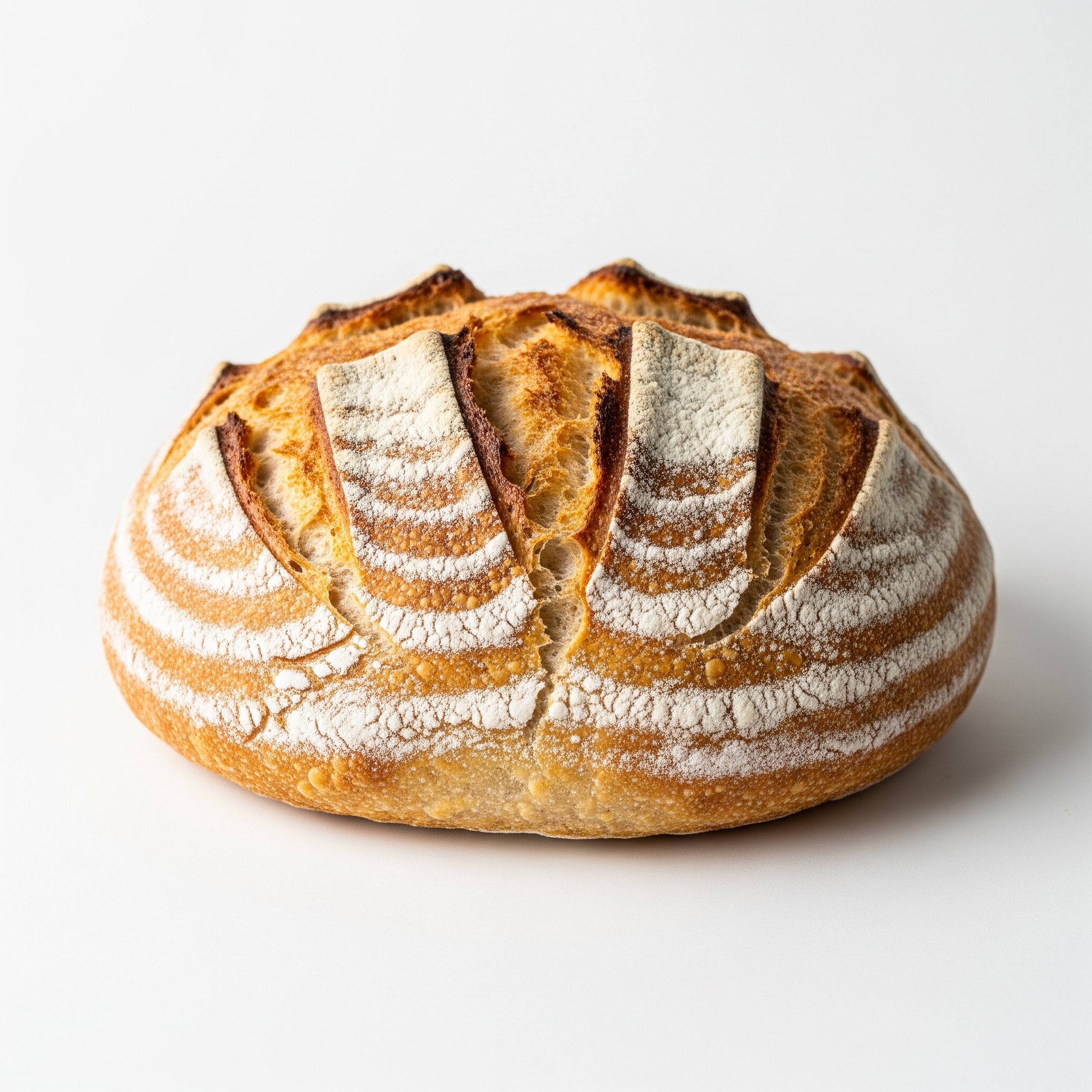
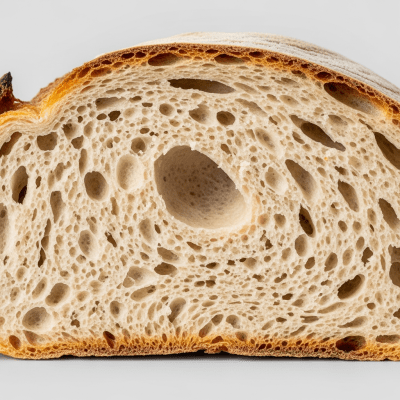
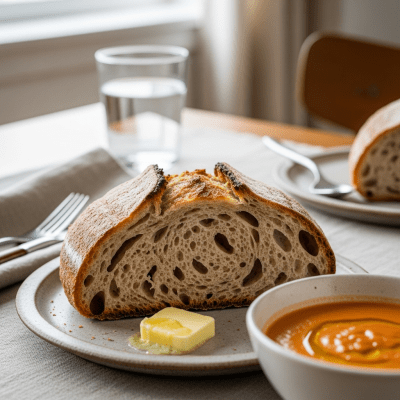
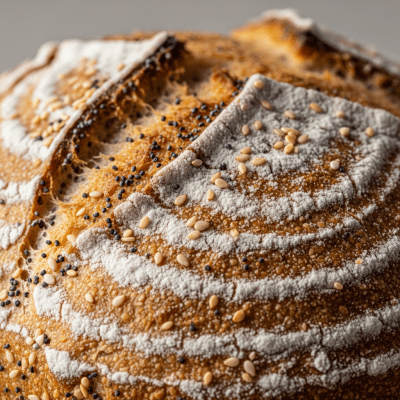
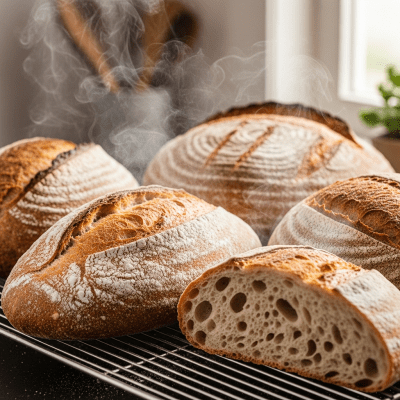
Sourdough typically appears as a round or oval loaf featuring a thick, crisp crust that ranges in color from golden to deep brown. Its interior crumb is irregular and open, offering a chewy texture that reflects the extended fermentation process and the activity of wild yeasts and bacteria.
Sourdough bread functions as a versatile staple and specialty bread, enjoyed as table bread, in sandwiches, or alongside meals. Its natural fermentation enhances digestibility and shelf life, making it both a flavorful and practical choice in daily consumption and artisanal baking.
Bring this kind into your world � illustrated posters, mugs, and shirts.
Archival print, museum-grade paper
Buy Poster
Stoneware mug, dishwasher safe
Buy Mug
Soft cotton tee, unisex sizes
Buy ShirtSourdough holds a revered place in culinary traditions worldwide, symbolizing heritage baking and artisanal craftsmanship. It appears in various cultural contexts under names like pain au levain in France and Sauerteigbrot in Germany, reflecting local identities and baking customs that celebrate natural fermentation.
Primary ingredients: wheat flour, water, wild yeast, and lactic acid bacteria.
Sourdough bread is leavened through natural fermentation using a starter culture composed of wild yeast and lactic acid bacteria. This starter is maintained by regularly feeding it flour and water, allowing microbial activity to produce carbon dioxide and organic acids that cause the dough to rise and develop its characteristic flavor.
Sourdough bread offers improved digestibility and extended shelf life due to organic acids generated during fermentation. While specific fiber and micronutrient content vary by recipe, sourdough is often associated with health benefits linked to its natural fermentation process.
Sourdough bread resists spoilage better than many other breads because of the organic acids produced during fermentation. While exact shelf life depends on storage conditions, it is typically best kept at room temperature in a breathable container to maintain crust crispness and freshness.
Sourdough is enjoyed as a staple or specialty bread, commonly served as table bread, used in sandwiches, or paired with soups and salads. Its robust flavor and texture make it a favored choice in artisanal bakery products and gourmet cuisine.
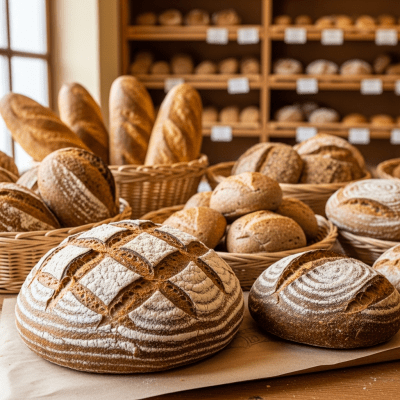
Notable regional variants include San Francisco sourdough, famous for its particularly tangy flavor; German Roggenbrot, often made with rye flour; and French pain au levain, which emphasizes a mild sourness. Variations arise from differences in flour types, hydration levels, fermentation times, and starter maintenance practices.
Sourdough bread is widely available in bakeries, supermarkets, and restaurants around the world. It is often marketed as a premium or artisanal product, reflecting its traditional preparation methods and distinctive flavor profile.