Roll
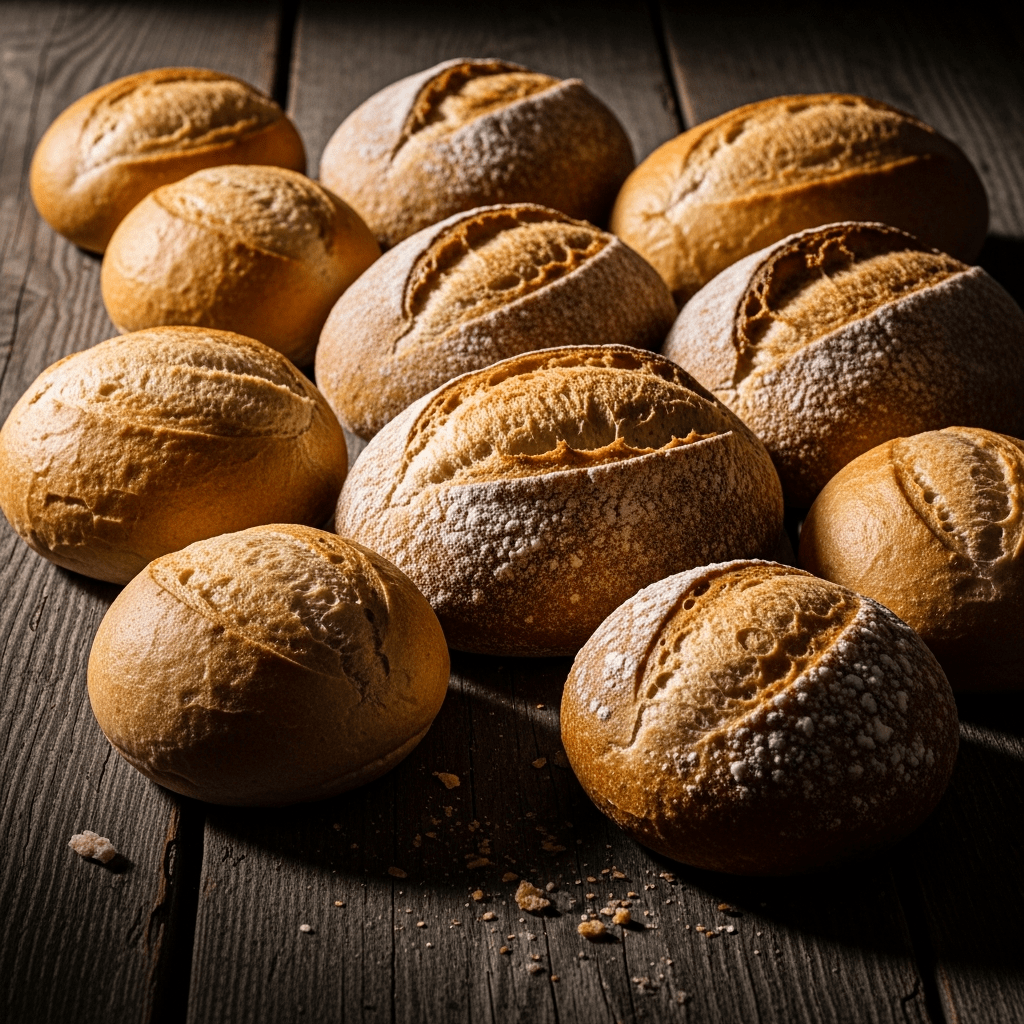
A roll is a small, individual bread portion, typically round or oval, known for its compact size and versatile use as a side bread, sandwich base, or snack.
A roll is a small, individual bread portion, typically round or oval, known for its compact size and versatile use as a side bread, sandwich base, or snack.
Rolls have ancient origins, with individual bread portions documented across European and global baking traditions. While no specific breeder or institution is credited, their presence spans centuries as a staple accompaniment in many cultures.
Within the broad family of bread, rolls belong to the category of small, individual loaves distinguished by their size and shape. They are typically leavened with commercial yeast and baked, fitting into the leavened bread group and often classified alongside buns and small loaves.
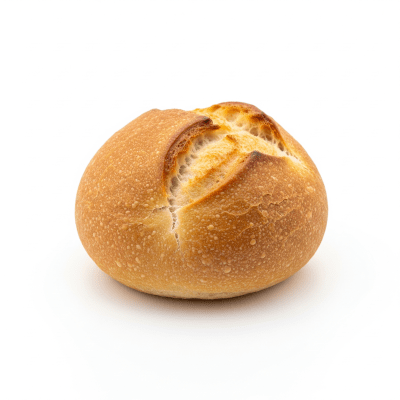
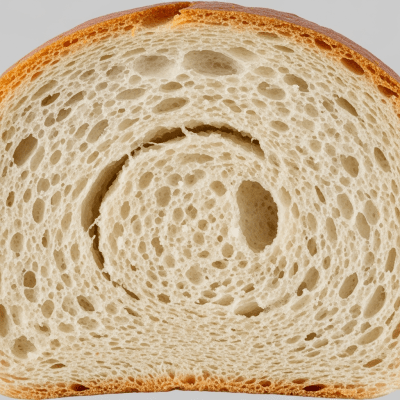
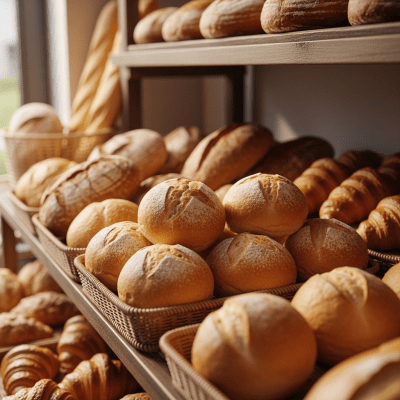
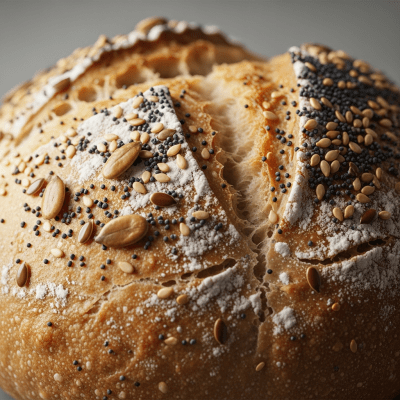
Rolls are usually round or oval, though elongated or knotted shapes also exist. Their crust ranges from soft and tender in dinner rolls to firm and crisp in hard rolls. Colors vary from pale golden to deep brown, and each roll typically weighs between 30 and 80 grams.
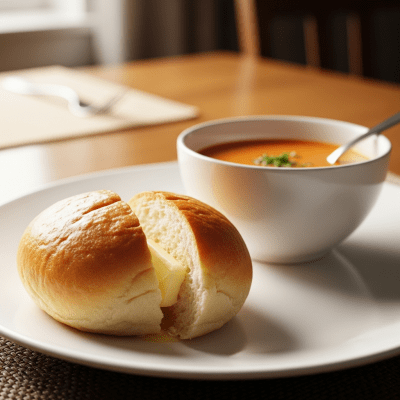
Rolls function primarily as convenient, portion-controlled breads served alongside meals, used as sandwich carriers, or enjoyed as snacks. Their texture and size make them adaptable for a variety of culinary contexts, from casual dining to formal settings.
Bring this kind into your world � illustrated posters, mugs, and shirts.

Archival print, museum-grade paper
Buy Poster
Stoneware mug, dishwasher safe
Buy Mug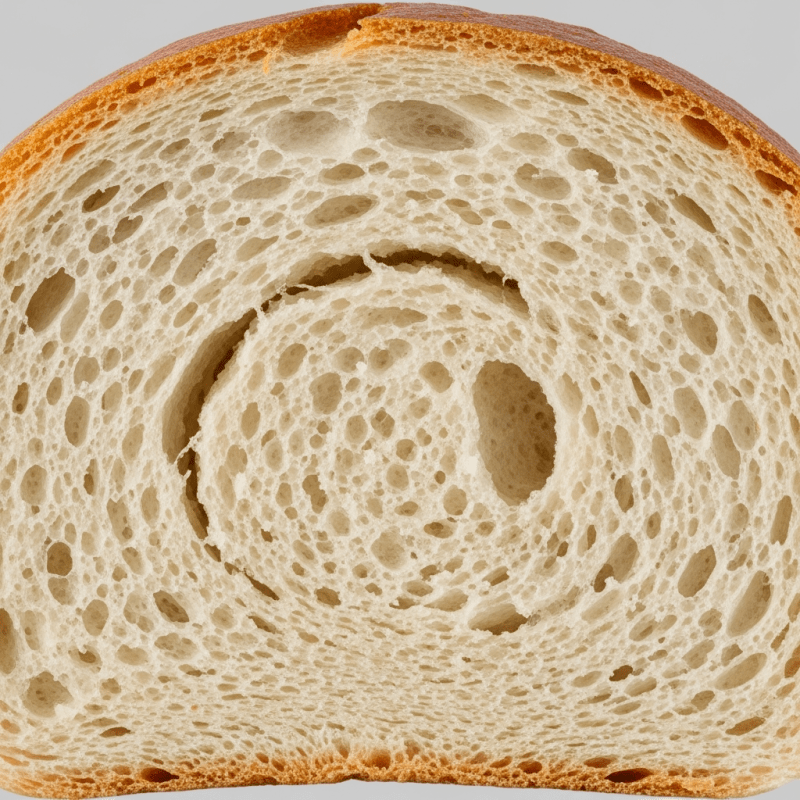
Soft cotton tee, unisex sizes
Buy ShirtRolls appear widely in cultural food traditions, often reflecting regional baking styles and preferences. They are featured in everyday meals and festive occasions alike, symbolizing hospitality and comfort in many societies.
Primary ingredients include:
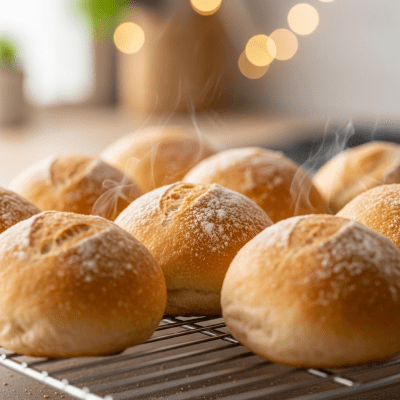
Rolls are typically leavened using commercial yeast, which provides consistent fermentation and rise. The fermentation time varies by recipe but generally follows standard proofing durations for yeast-leavened breads.
While nutritional content varies by recipe, rolls generally provide carbohydrates as a primary energy source. Enriched rolls may contain additional fats and proteins from milk, butter, or eggs. Fiber content and micronutrients depend on the flour type used.
Rolls have a moderate shelf life and are best stored at room temperature in a sealed container to maintain freshness. They tend to stale quickly and are susceptible to mold if kept too long in humid conditions.
Rolls are commonly served as side breads accompanying meals, used as bases for sandwiches, or enjoyed as standalone snacks. Their size and texture make them ideal for portion control and versatile culinary applications.
Notable regional variants include the Kaiser roll from Austria and Germany, the Parker House roll from the United States, and pandesal from the Philippines. Each reflects local ingredients and baking traditions, contributing to the roll’s global diversity.
Rolls are widely available in bakeries, supermarkets, and restaurants worldwide. They are commonly produced both artisanally and industrially, making them accessible across a range of markets and price points.