
Multigrain Bread
Multigrain bread is a wholesome bread variety made from two or more types of grain flours, celebrated for its rich flavor and enhanced nutritional profile compared to single-grain breads.
Multigrain bread is a wholesome bread variety made from two or more types of grain flours, celebrated for its rich flavor and enhanced nutritional profile compared to single-grain breads.
Rather than originating from a single inventor or institution, multigrain bread represents a collective evolution in baking traditions. It emerged through both traditional and modern cultures aiming to diversify grain use for improved taste, texture, and nutrition.
Classified within the broader family of grain-based breads, multigrain bread is distinguished by its use of multiple grain flours. It falls under the category of leavened breads, often baked as loaves or rolls, and is recognized for its varied grain composition.
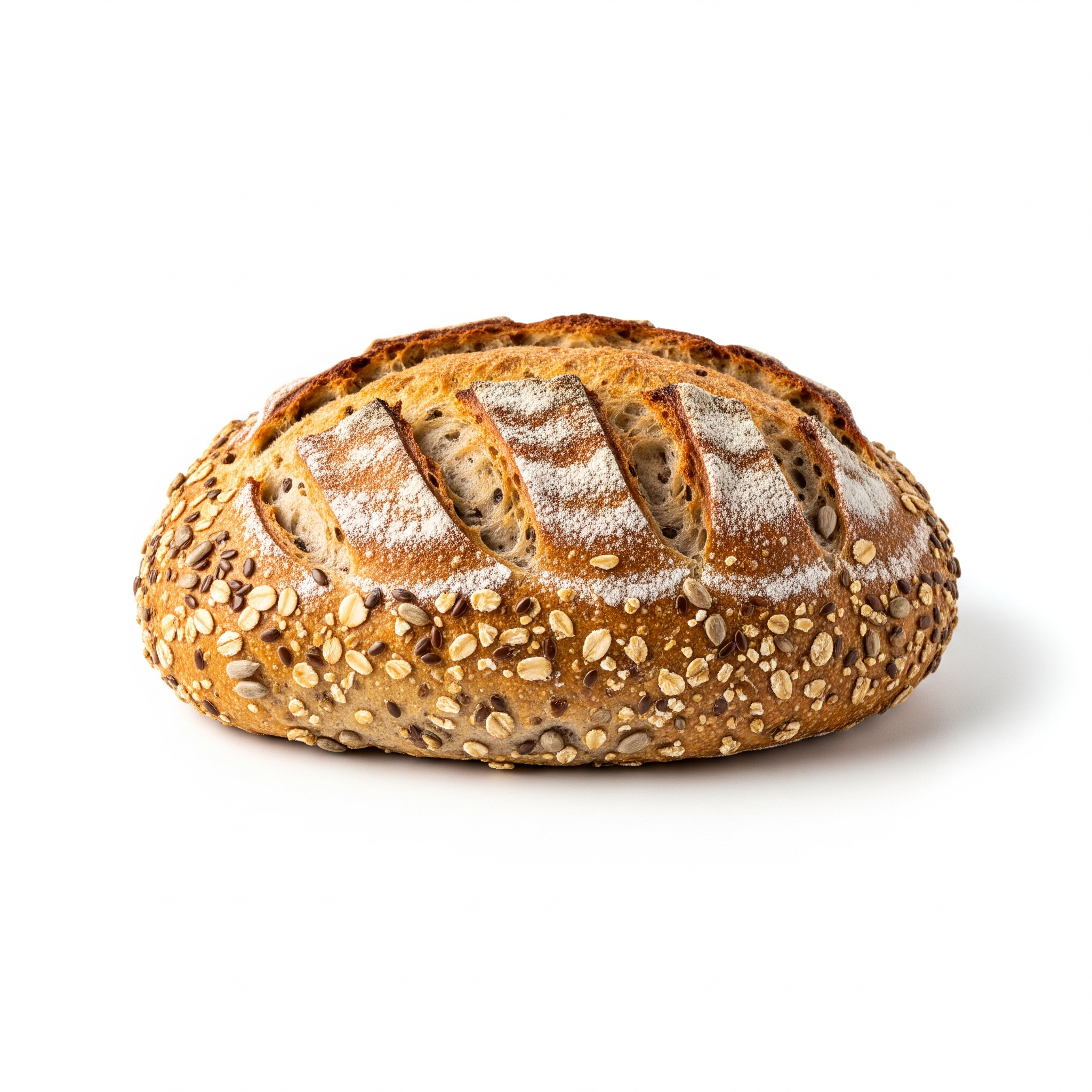
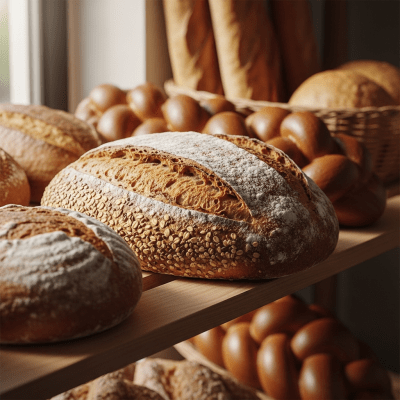
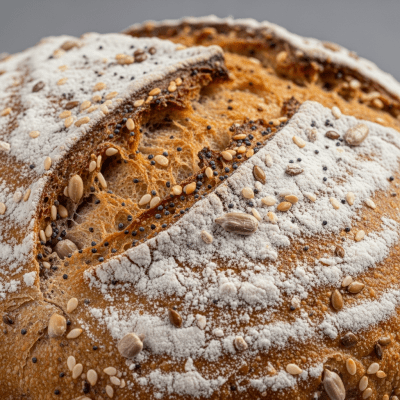
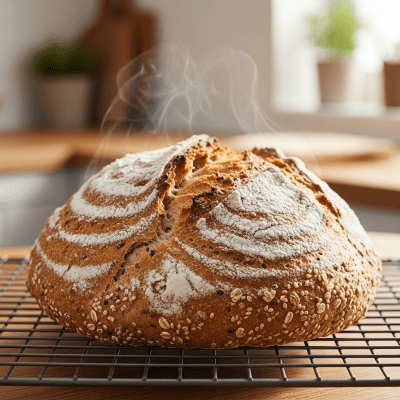
Typically shaped as a loaf or roll, multigrain bread features a dense to moderately open crumb depending on the recipe and leavening method. Its crust can range from soft to firm and often displays visible seeds or grains. The color varies from light brown to dark, reflecting the blend of flours and inclusions.
Multigrain bread serves as a staple or side bread, prized for its hearty texture and nutty flavor. It is commonly used for sandwiches, toast, or simply as table bread, appealing especially to health-conscious consumers and specialty markets.
Bring this kind into your world � illustrated posters, mugs, and shirts.
Archival print, museum-grade paper
Buy Poster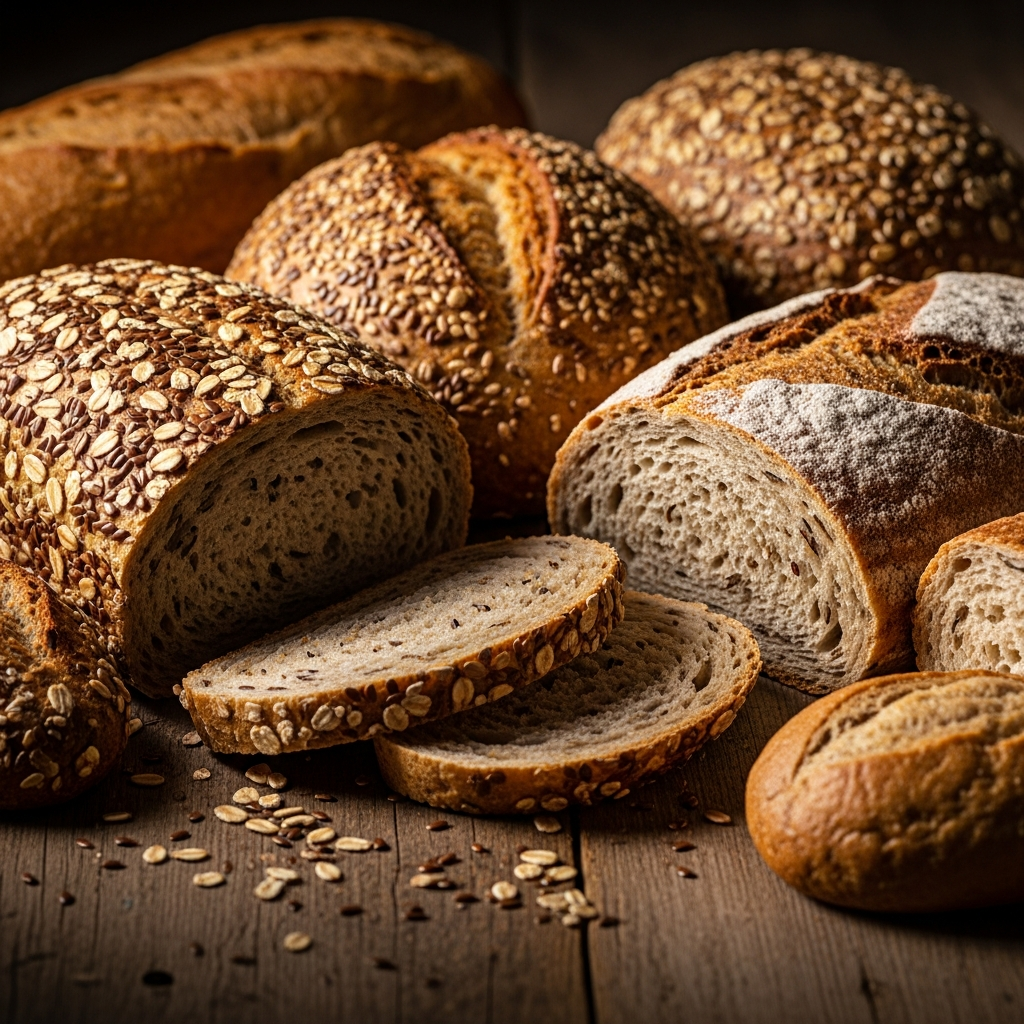
Stoneware mug, dishwasher safe
Buy Mug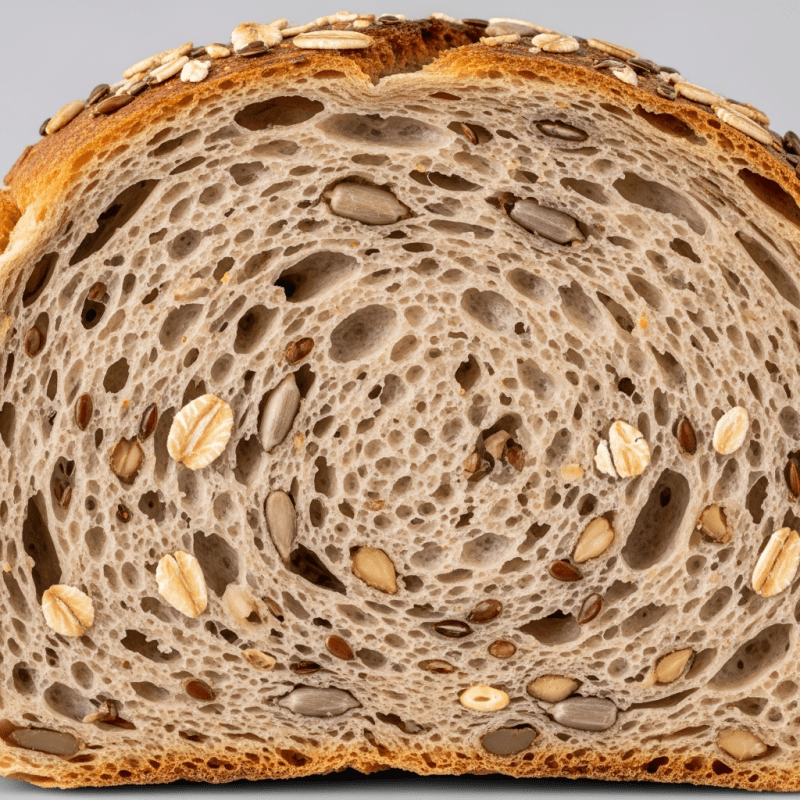
Soft cotton tee, unisex sizes
Buy ShirtEmbodying a fusion of baking traditions, multigrain bread reflects a cultural appreciation for diverse grains and wholesome nutrition. It symbolizes modern dietary trends that emphasize fiber-rich, nutrient-dense foods and is often associated with healthful eating lifestyles.
Multigrain bread is composed primarily of wheat, rye, barley, oats, millet, corn, and various seeds, combining to create its characteristic flavor and texture.

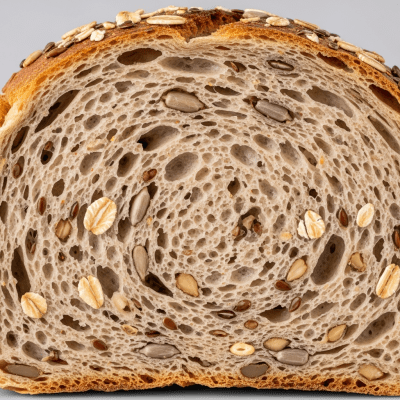
Fermentation methods vary by recipe and baker, with multigrain bread typically leavened using commercial yeast or sourdough starters. The fermentation time and microbial cultures depend on the specific baking tradition and desired crumb texture.
Multigrain bread offers enhanced fiber content and a richer array of vitamins and minerals compared to single-grain breads. Its nutrient density varies by recipe but generally supports health benefits associated with whole grains and seeds.
Due to higher oil content from seeds and whole grains, multigrain bread has a shorter shelf life than highly refined white breads. It is prone to faster staling and rancidity and is best stored at room temperature and consumed within a few days.
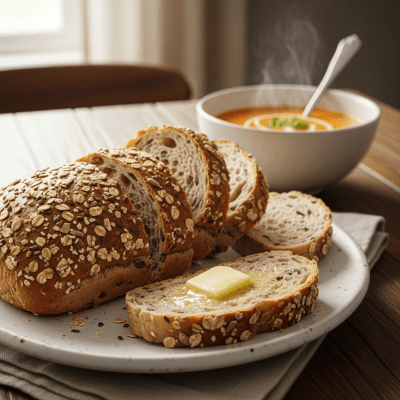
Widely enjoyed as a staple or side, multigrain bread is versatile in the kitchen. It is commonly used for sandwiches, toasted for breakfast, or served alongside soups and salads, favored for its hearty texture and complex flavor.
Regional variations of multigrain bread reflect local grain availability and baking customs. Notable examples include the German Mehrkornbrot, Scandinavian multigrain loaves, and American multigrain sandwich breads, each showcasing unique grain blends and ingredient profiles.
Multigrain bread is widely available both commercially and from artisan bakers. It is a common offering in supermarkets, health food stores, and bakeries, catering to consumers seeking nutritious and flavorful bread options.