Milk Bread
Milk bread is a soft, enriched bread made with milk that yields a tender, pillowy crumb and subtle sweetness, beloved in East Asian and international baking.
Milk bread is a soft, enriched bread made with milk that yields a tender, pillowy crumb and subtle sweetness, beloved in East Asian and international baking.
Milk bread’s origins trace back to the early 20th century, evolving notably in Japan as shokupan during the Meiji era when Western baking techniques influenced local traditions. Its lineage blends European pain de mie and Chinese milk breads, emerging through commercial bakeries and home bakers rather than a single inventor or institution.
Classified as an enriched, leavened bread within the broader bread family, milk bread stands apart by incorporating dairy and fats into its dough. It belongs to the subgroup of soft, tender loaves typically leavened with commercial yeast and baked into rectangular or pull-apart forms.
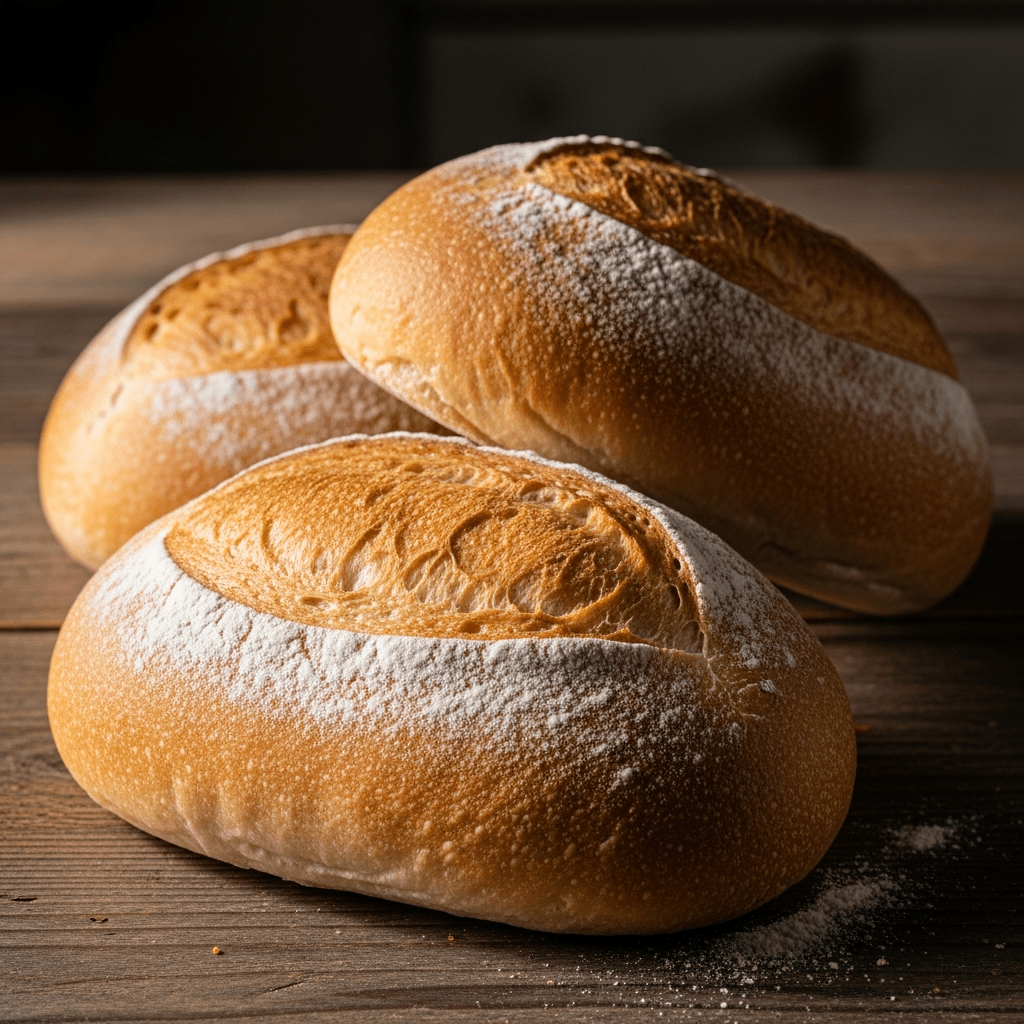
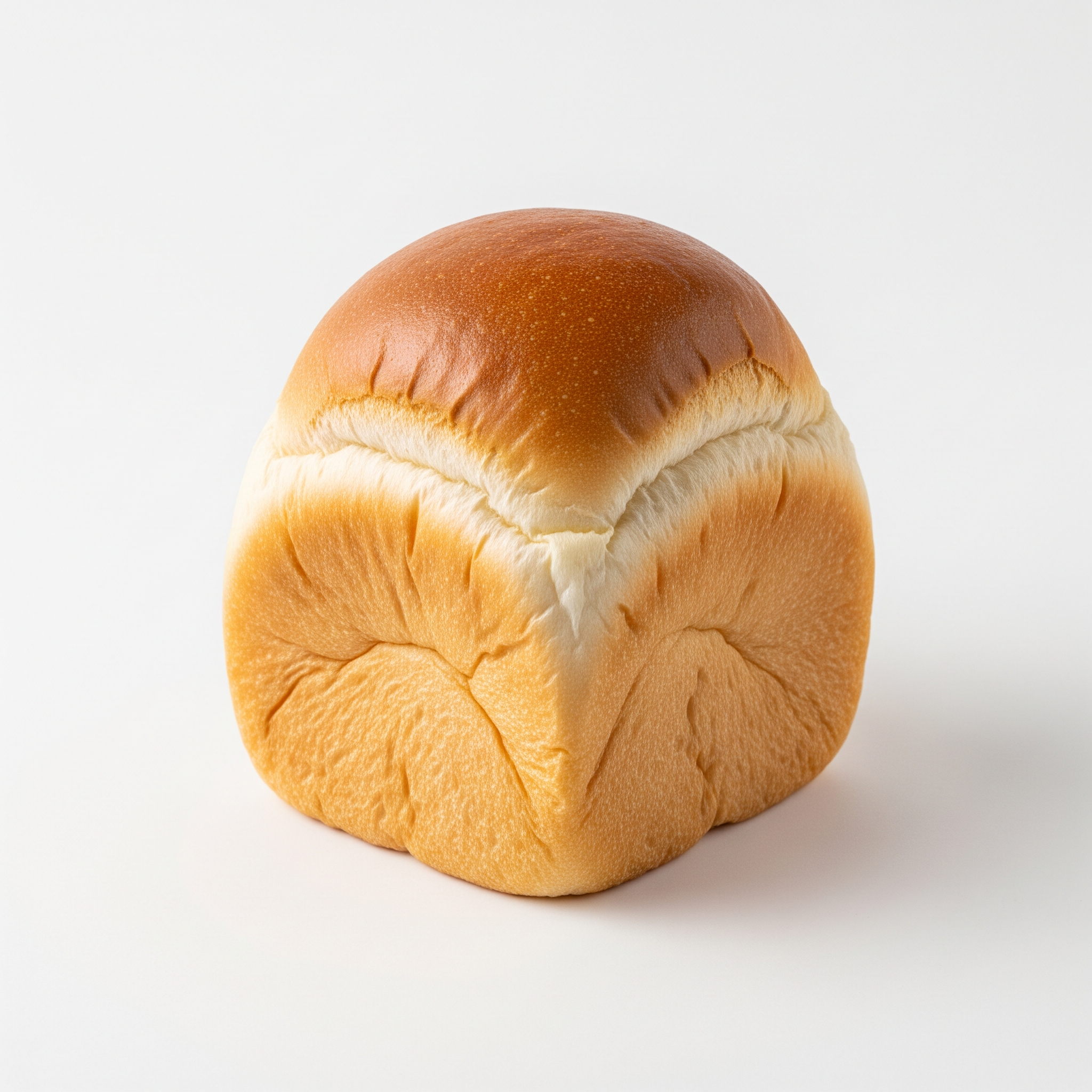
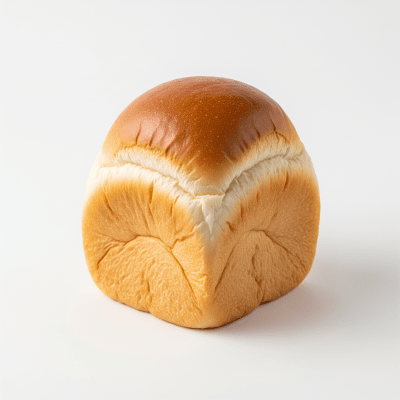
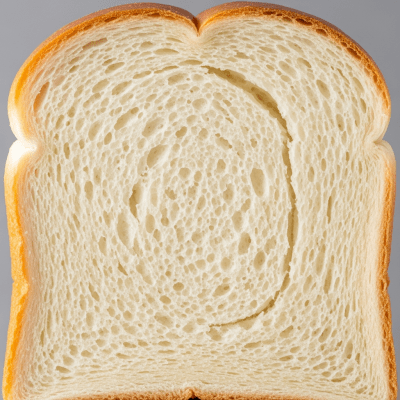
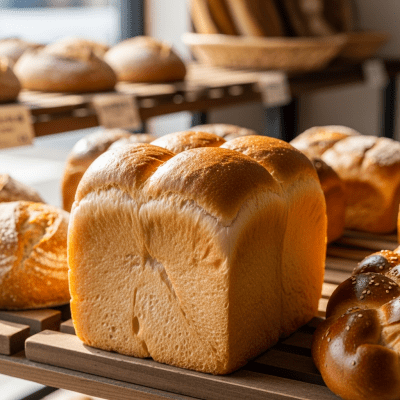
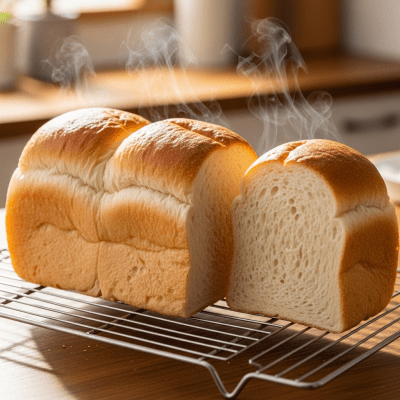
Milk bread usually appears as a rectangular loaf or pull-apart rolls with a pale golden, soft crust. Inside, the crumb is fine, uniform, and exceptionally tender, offering a moist and pillowy texture that distinguishes it from standard white breads.
Renowned for its moisture retention and gentle texture, milk bread serves primarily as sandwich bread, toast, or table bread. Its softness makes it ideal for delicate fillings and children’s meals, while in Japan, shokupan is a staple for breakfast and lunch, often sliced thick and enjoyed plain or with spreads.
Bring this kind into your world � illustrated posters, mugs, and shirts.
Archival print, museum-grade paper
Buy Poster
Stoneware mug, dishwasher safe
Buy Mug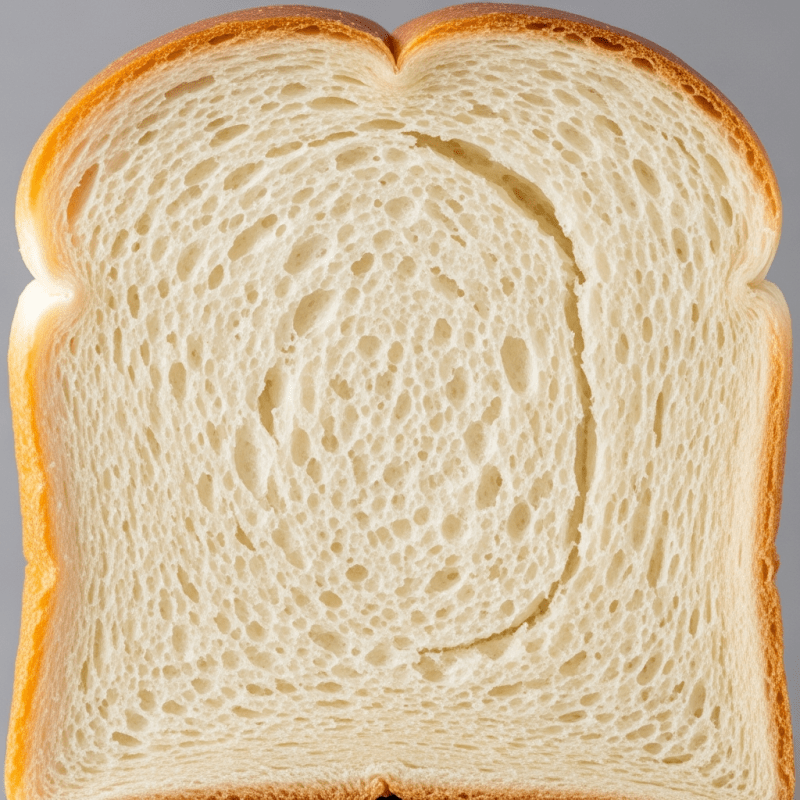
Soft cotton tee, unisex sizes
Buy ShirtMilk bread holds a cherished place in East Asian baking culture, especially in Japan where shokupan symbolizes modern bakery craftsmanship blending Western and local influences. It also enjoys growing popularity worldwide, reflecting a cross-cultural appreciation for soft, enriched breads.
Milk bread is primarily made from wheat flour, milk, butter, sugar, and eggs, combining to create its characteristic softness and subtle sweetness.

Milk bread is leavened using commercial yeast, which ferments the dough to produce a soft, airy crumb. Typical fermentation times vary by recipe but focus on achieving a tender texture without sourness.
While specific nutritional details vary, milk bread generally contains moderate fiber and micronutrients from enriched ingredients. Its glycemic impact aligns with white breads, offering a balanced source of carbohydrates and fats from dairy and eggs.
Thanks to its milk and fat content, milk bread retains moisture well and enjoys an extended shelf life compared to lean breads. It is best stored at room temperature in airtight conditions to maintain softness and prevent staling.
Commonly used for sandwiches, toast, and as a versatile table bread, milk bread’s tender crumb suits delicate fillings and children’s meals. In Japan, thick slices of shokupan are a breakfast and lunch staple, often served simply or with spreads.
Regional variants include Japanese shokupan, French pain de mie when enriched with milk, and Chinese milk bread. Some recipes incorporate cream or condensed milk for added richness, reflecting local tastes and ingredient availability.
Milk bread is widely available in Asian bakeries and supermarkets and has gained popularity in Western artisan bakeries, reflecting its broad appeal and versatility in global markets.