Mantou
Mantou is a traditional Chinese steamed bread known for its soft, pillowy texture and neutral flavor, serving as a staple food especially in northern China.
Mantou is a traditional Chinese steamed bread known for its soft, pillowy texture and neutral flavor, serving as a staple food especially in northern China.
Mantou traces its origins to ancient China, with historical references dating back to the Zhou Dynasty (c. 1046–256 BCE). It evolved over centuries as a folk food without a specific breeder or institution, rooted in early wheat-based bread traditions of the region.
Classified as a steamed, yeast-leavened bread, mantou belongs to the broader family of wheat-based staple breads. Unlike baked breads common elsewhere, its defining characteristic is its preparation by steaming, which yields a soft and moist crumb.
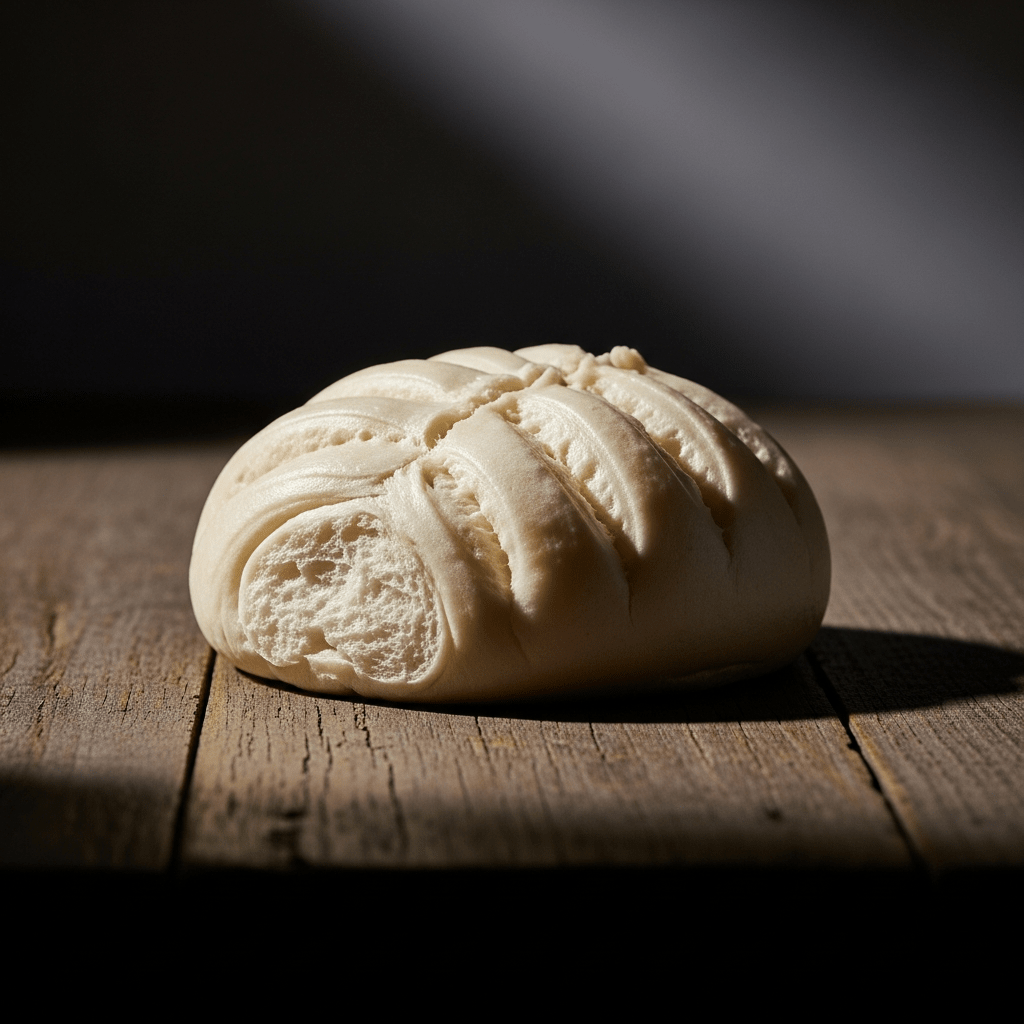
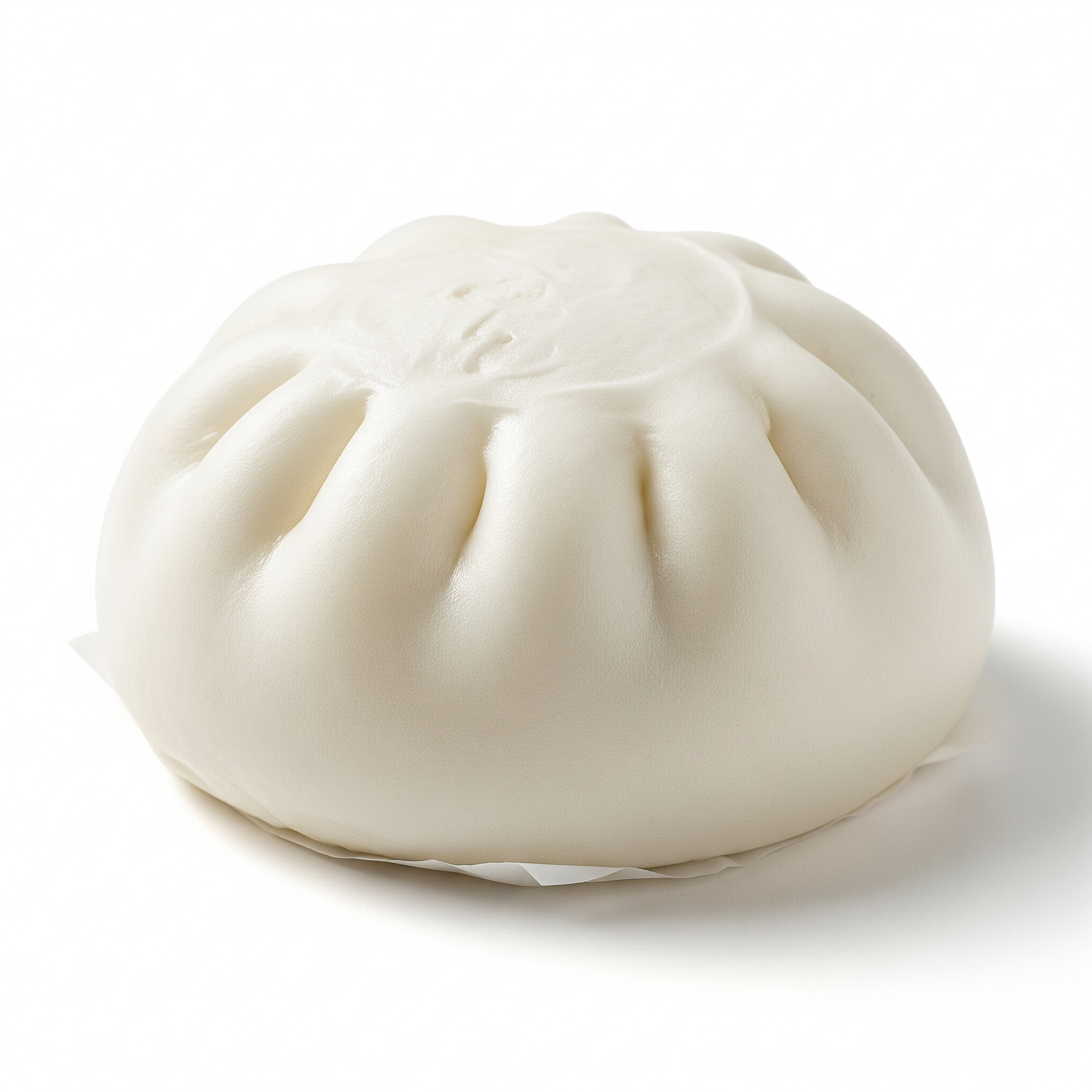
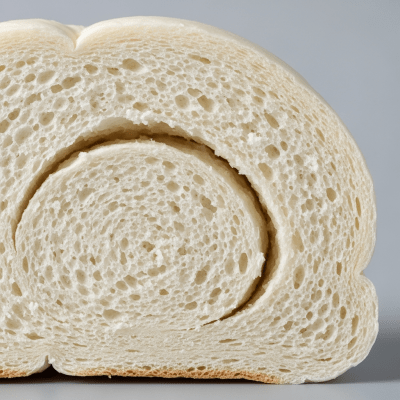
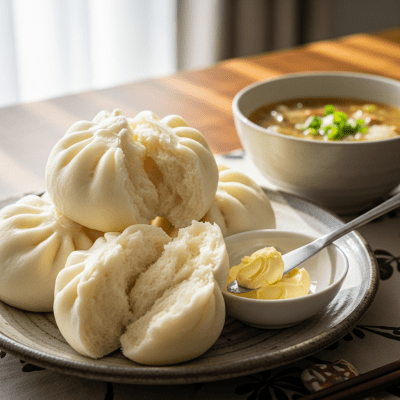
Mantou typically appears as round or oval buns, ranging from small single-serving sizes to larger loaves. Its color is white to off-white, featuring a smooth, slightly glossy surface created by steaming. The crumb is soft, moist, and pillowy, inviting a tender bite.
Primarily consumed as a staple food in northern China, mantou is versatile in use. It is often served plain as a side dish, but can also be sliced and fried or filled with sweet or savory ingredients, adapting easily to various meals and occasions.
Bring this kind into your world � illustrated posters, mugs, and shirts.
Archival print, museum-grade paper
Buy Poster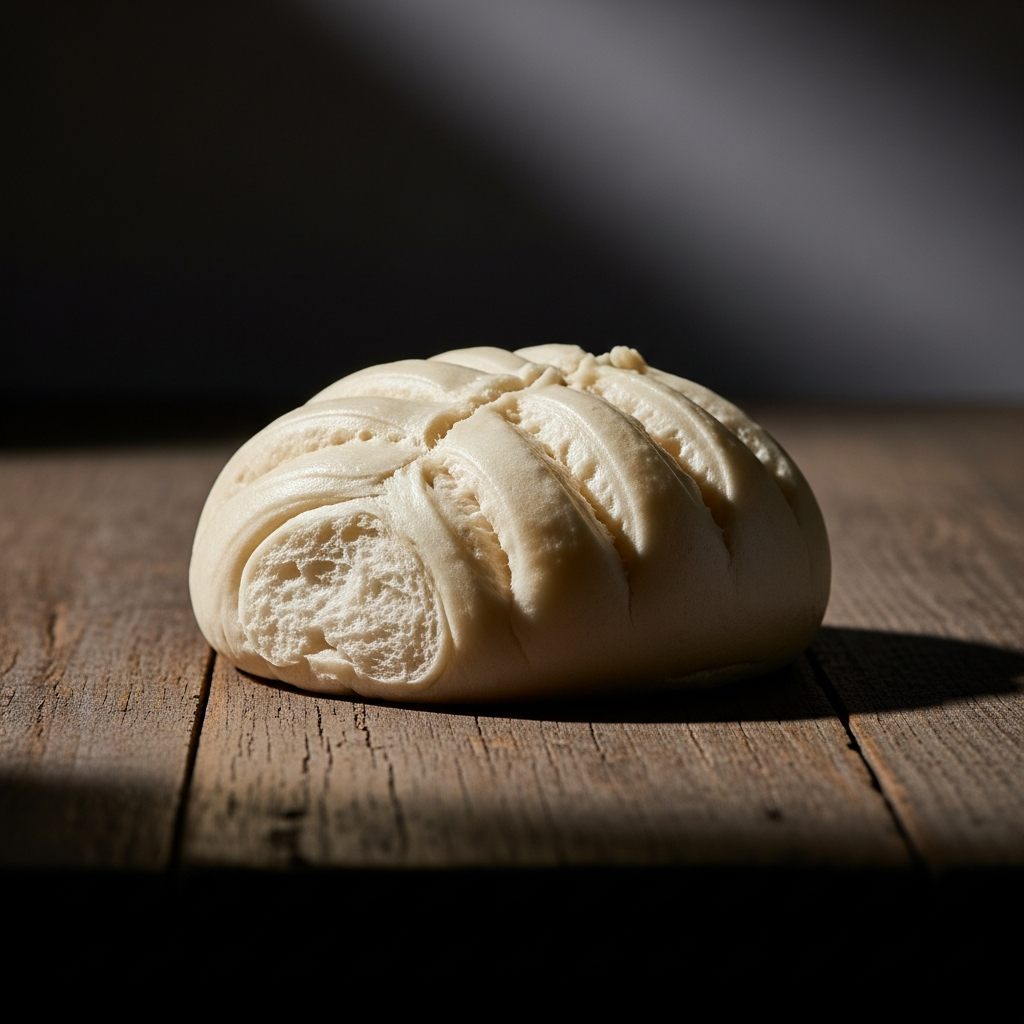
Stoneware mug, dishwasher safe
Buy Mug
Soft cotton tee, unisex sizes
Buy ShirtMantou holds a vital place in Chinese culinary culture, symbolizing simplicity and sustenance. Its presence in daily meals and festive occasions alike reflects its enduring role as a comfort food and cultural staple across northern China and overseas Chinese communities.
Primary ingredients of mantou include wheat flour, water, yeast, with occasional additions of sugar and milk to enhance flavor and texture.

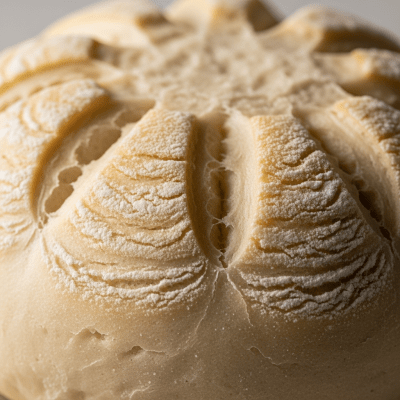
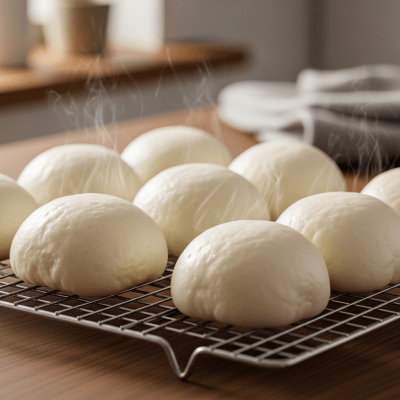
Mantou is leavened using commercial yeast, which ferments the dough to create a light, airy texture. The dough is kneaded, proofed, shaped, and then steamed, though specific fermentation times may vary by recipe.
Mantou provides a source of carbohydrates from wheat flour and is generally low in fat. It offers moderate fiber depending on flour type, but detailed micronutrient and glycemic index data vary by recipe and preparation.
Mantou remains fresh for several days if kept sealed to retain moisture. It is best consumed fresh due to its soft texture but can be refrigerated or frozen to extend shelf life, though this may affect its softness.
Commonly eaten as a staple side dish in northern China, mantou can be served plain, sliced and pan-fried for a crispy exterior, or filled with sweet or savory ingredients to create a snack or meal component.
Regional variants of mantou include sweetened versions and those made with alternative grains like cornmeal, especially in rural areas. While mantou is predominant in northern China, southern regions favor rice-based breads.
Mantou is widely available in Chinese markets, restaurants, and as packaged products both throughout China and in overseas Chinese communities, reflecting its status as a common and beloved staple.