Lavash
Lavash is a thin, unleavened flatbread known for its large, sheet-like form and versatile use across Armenia, Iran, Turkey, and the South Caucasus.
Lavash is a thin, unleavened flatbread known for its large, sheet-like form and versatile use across Armenia, Iran, Turkey, and the South Caucasus.
Lavash traces its roots to ancient regional flatbreads and holds a special place in Armenian culinary tradition, where it has been documented for centuries. While its exact origin is debated, it is widely embraced across neighboring countries such as Iran, Turkey, and Azerbaijan, evolving through communal and artisanal baking practices rather than a single inventor or institution.
Classified as an unleavened flatbread, lavash belongs to the broader family of traditional breads made from simple doughs without leavening agents. It is distinct for its thinness and large, flexible sheets, setting it apart from thicker or leavened bread varieties.
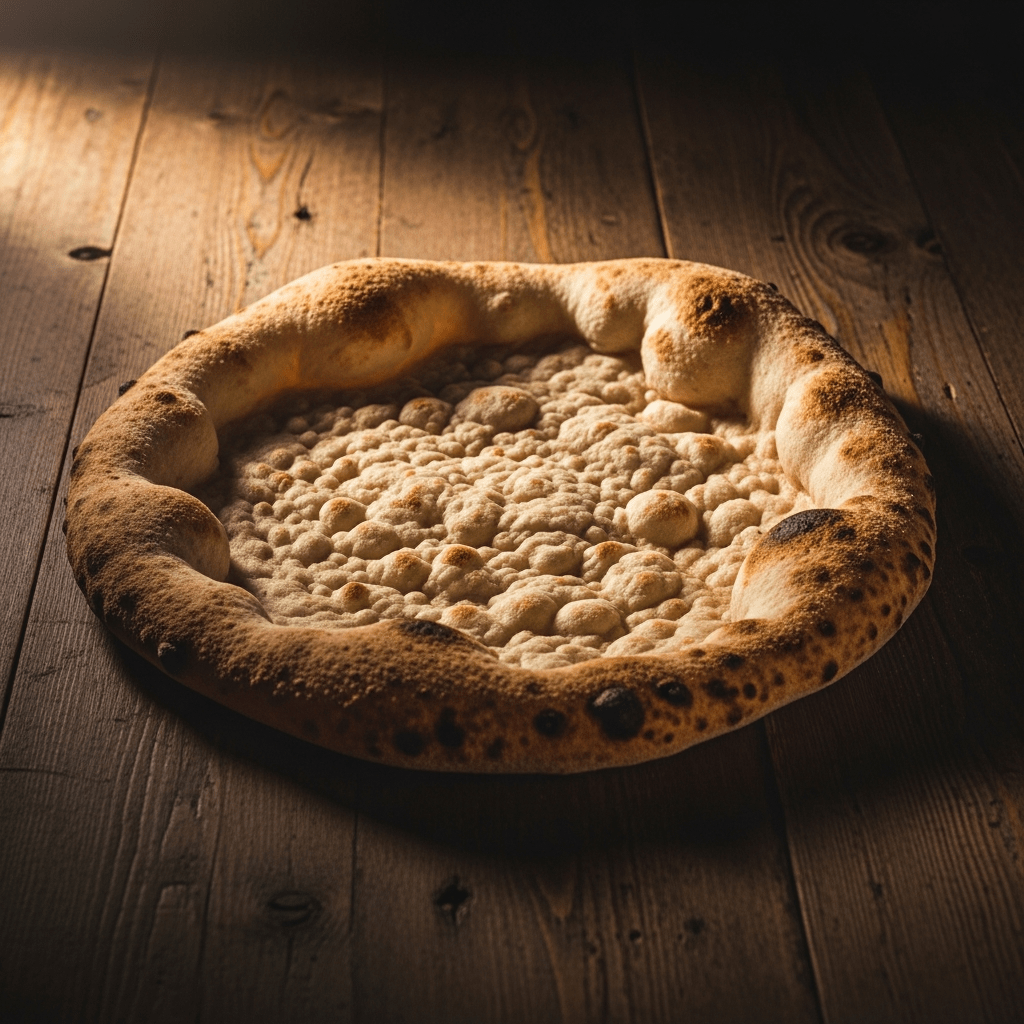
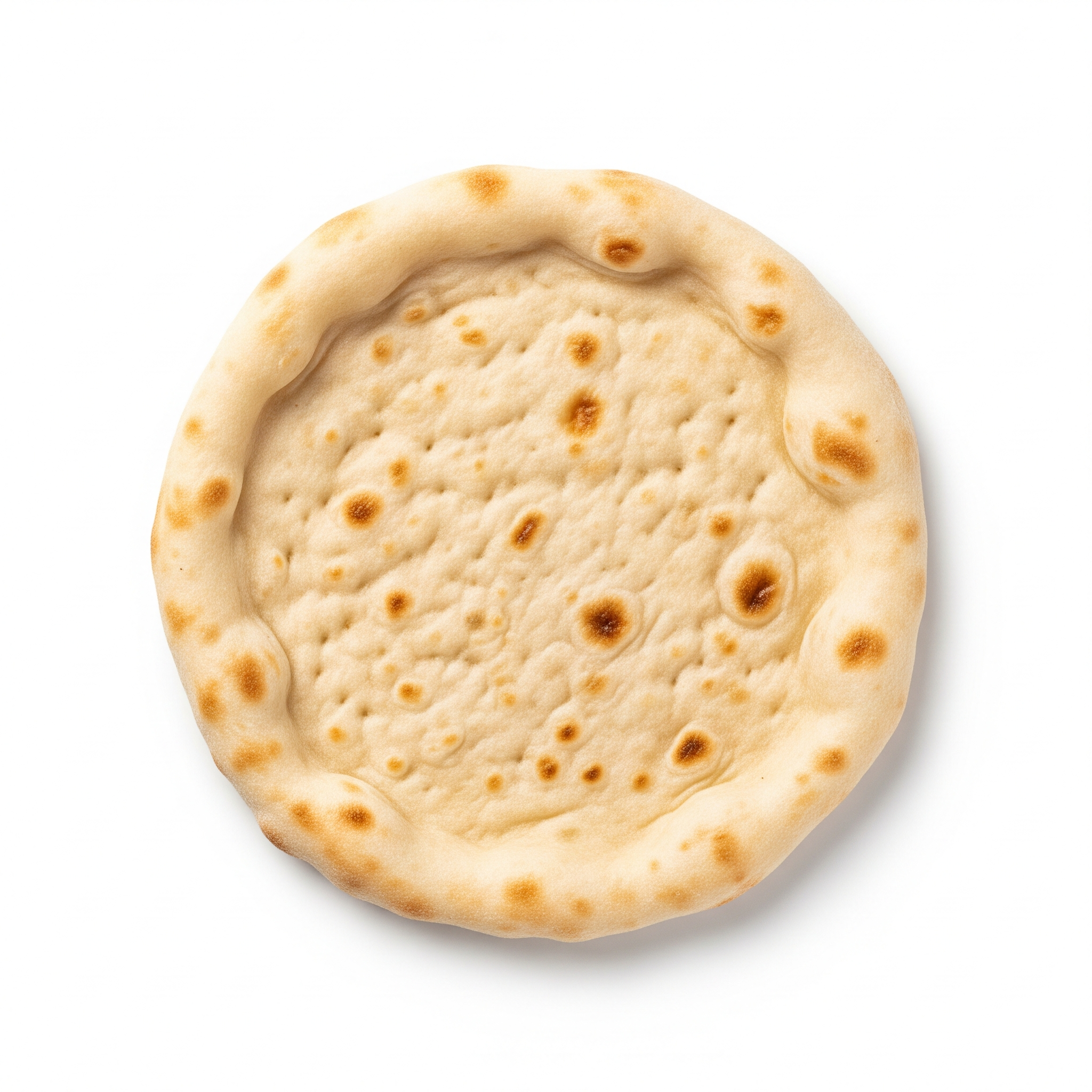
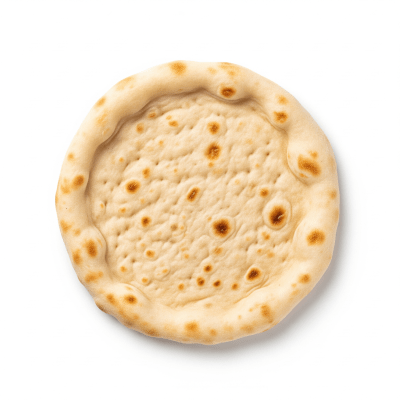
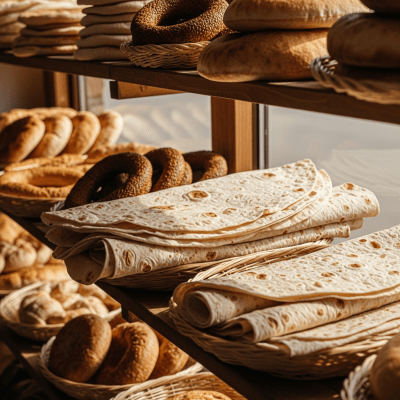
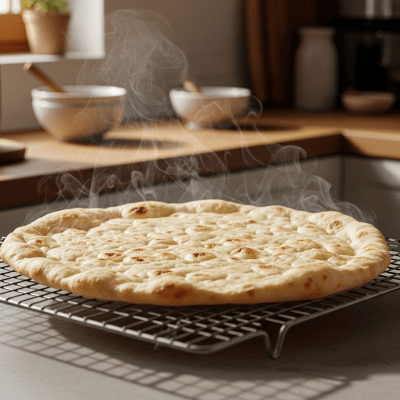
Lavash typically appears as a large, thin sheet of bread, measuring between 30 and 50 centimeters in diameter and only a few millimeters thick. When freshly baked, it is soft and pliable, but it can become crisp and cracker-like when dried. Its crust is thin and can vary from soft to crisp depending on freshness.
Lavash serves multiple roles in daily life and cuisine: it is commonly used as a wrap or accompaniment to stews and grilled meats, providing a neutral-flavored base that complements various fillings. Its flexibility when fresh allows it to be rolled or folded, while dried lavash can be stored long-term and rehydrated as needed.
Bring this kind into your world � illustrated posters, mugs, and shirts.
Archival print, museum-grade paper
Buy Poster
Stoneware mug, dishwasher safe
Buy Mug
Soft cotton tee, unisex sizes
Buy ShirtIn Armenian culture, lavash is more than just bread; it is a symbol of national identity and tradition. It features prominently in ceremonial occasions such as weddings and is recognized by UNESCO as part of Armenia’s Intangible Cultural Heritage, highlighting its deep cultural resonance.
Lavash is made from a simple dough of wheat flour, water, and salt, reflecting its traditional and minimalist recipe.
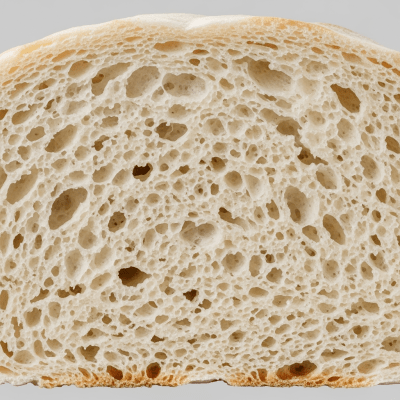


Lavash is typically unleavened, meaning it does not undergo fermentation or use leavening agents like yeast or sourdough starters. The dough is rolled thin and baked immediately.
While specific nutritional details vary, lavash’s simple composition of wheat flour, water, and salt makes it a low-fat, carbohydrate-rich bread. Its thinness contributes to moderate portion sizes when used as wraps or accompaniments.
Lavash is shelf-stable when dried, allowing for long-term storage without refrigeration. Fresh lavash is best consumed quickly due to its soft texture, while dried lavash can be kept in dry conditions and rehydrated as needed.
Lavash is widely used as a daily bread for making wraps and sandwiches, as well as a side to stews and grilled meats. Its neutral flavor and flexible texture make it an ideal base for a variety of fillings and toppings.
Lavash is known across Armenia, Iran, Turkey, Azerbaijan, and neighboring regions, with variations in thickness and preparation. In Turkey, a similar bread called "yufka" is common, though it often differs slightly in texture and size.
Lavash is commercially available both as fresh bread and in packaged dry form. It is produced artisanally in traditional bakeries and industrially for wider distribution, making it accessible in many markets worldwide.