Kaiser Roll
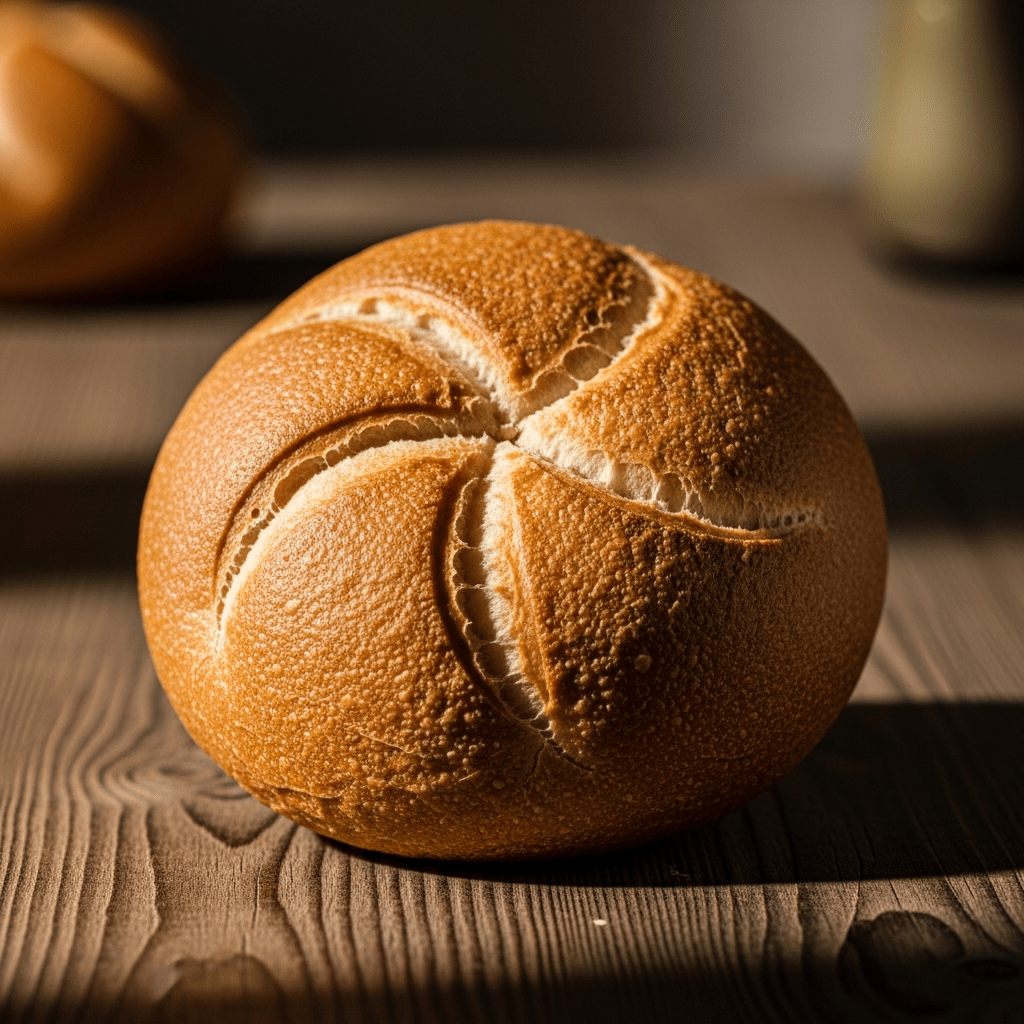
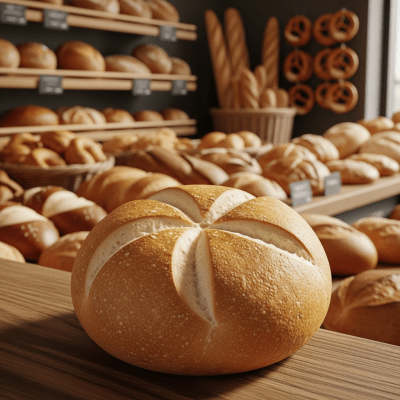
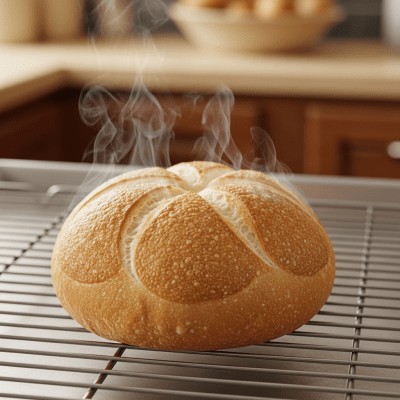
The Kaiser Roll is a classic Austrian round bread roll known for its crisp golden-brown crust and distinctive star-shaped pattern on top, featuring a soft, slightly chewy interior.
The Kaiser Roll is a classic Austrian round bread roll known for its crisp golden-brown crust and distinctive star-shaped pattern on top, featuring a soft, slightly chewy interior.
Originating in Austria during the 18th century, the Kaiser Roll—also called Kaisersemmel—emerged from traditional Viennese baking. Its name honors the Austrian emperors, symbolizing a bread of notable status and heritage.
Classified as a yeast-leavened wheat roll, the Kaiser Roll belongs to the family of leavened breads characterized by a baked, round form with a firm crust and tender crumb, typical of Central European bakery traditions.
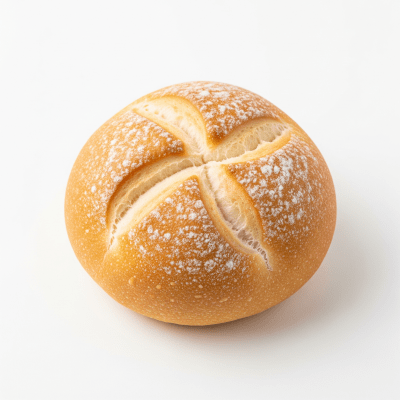
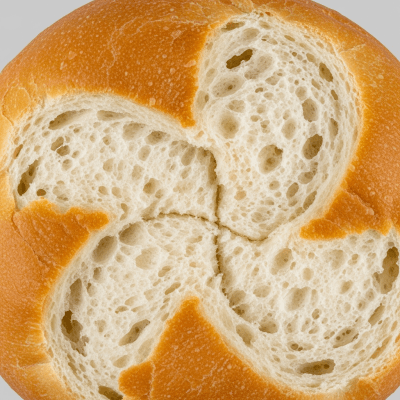
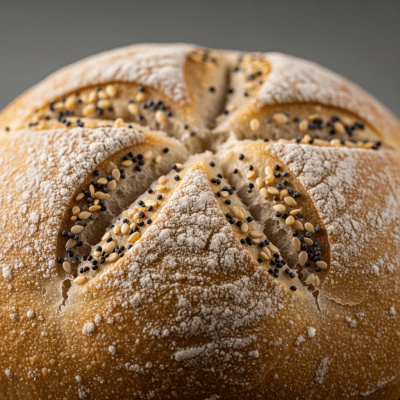
The Kaiser Roll is typically round, measuring 8 to 10 centimeters in diameter. Its hallmark is a deeply impressed five-pointed star or rosette pattern on the crust, which is golden-brown, crisp, and often adorned with poppy or sesame seeds. Inside, the crumb is pale, soft, and slightly chewy, offering a pleasing contrast to the crust.
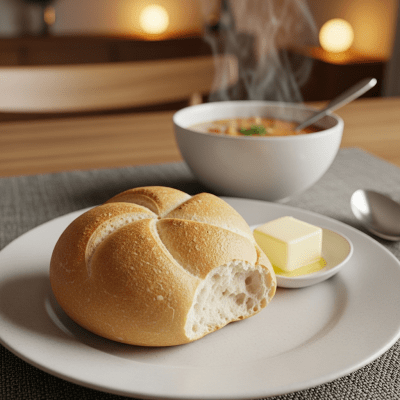
Functioning primarily as a versatile bread roll, the Kaiser Roll is prized for its ability to hold sandwich fillings without becoming soggy. It serves as a breakfast roll, sandwich bun, or side bread, interacting seamlessly with cold cuts, cheeses, and spreads in both casual and festive meals.
Bring this kind into your world � illustrated posters, mugs, and shirts.

Archival print, museum-grade paper
Buy Poster
Stoneware mug, dishwasher safe
Buy Mug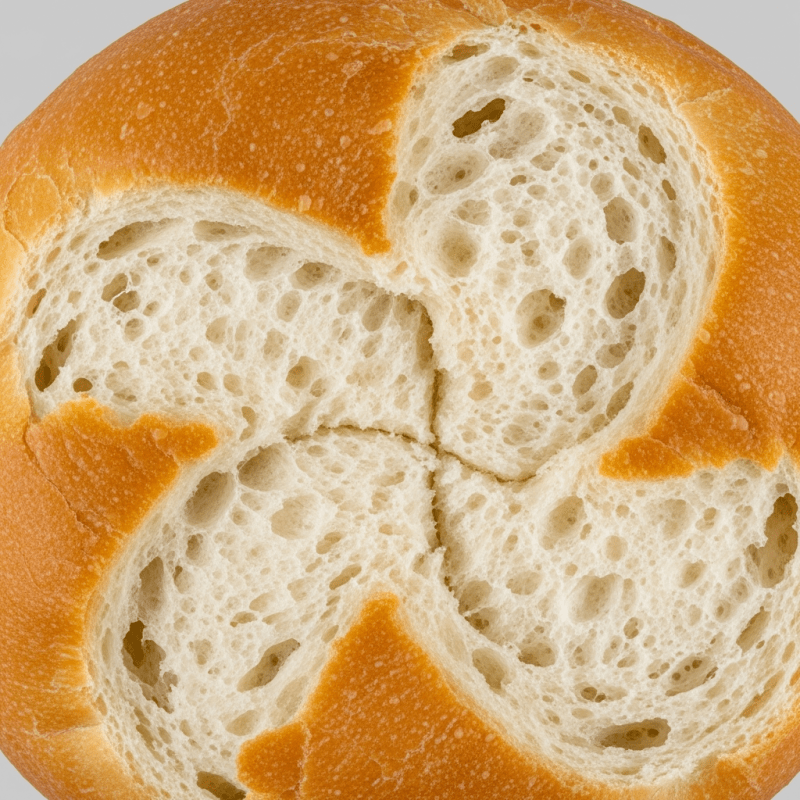
Soft cotton tee, unisex sizes
Buy ShirtThe Kaiser Roll holds cultural resonance as a symbol of Austrian baking heritage, its name reflecting imperial prestige. It features prominently in Central European food culture, appearing in traditional meals and modern sandwich fare, bridging everyday sustenance with historical identity.
Primary ingredients include refined wheat flour, water, yeast, salt, with occasional additions of malt and fat to enrich texture and flavor.
The dough is leavened using commercial yeast, which facilitates a reliable and consistent rise. Specific fermentation times vary by baker but generally allow for adequate proofing to develop the roll's characteristic texture.
The Kaiser Roll offers typical nutritional qualities of refined wheat breads, providing carbohydrates and moderate calories. Detailed fiber content and micronutrients depend on recipe variations, but it generally lacks significant dietary fiber or specialized health claims.
Kaiser Rolls are best stored at room temperature and consumed within 1 to 2 days to enjoy optimal freshness. They are prone to staling rather than mold, so refrigeration is generally avoided to preserve crust crispness.
Commonly used as sandwich buns, breakfast rolls, or side breads, Kaiser Rolls pair well with cold cuts, cheeses, and spreads. Their sturdy yet tender structure makes them ideal for a variety of fillings and occasions, from daily meals to festive gatherings.
Regional differences include variations in toppings such as poppy, sesame, or caraway seeds and subtle shaping techniques. In the United States, the term 'Kaiser Roll' is standardized and widely recognized as a sandwich roll.
Kaiser Rolls are commercially produced in bakeries and industrial settings throughout Europe and North America. They are a staple offering in delis, restaurants, and supermarkets, reflecting their broad popularity and accessibility.