
Frybread
Frybread is a deep-fried flatbread known for its crisp exterior and soft, chewy interior, serving as a staple food in many Native American communities across the United States.
Frybread is a deep-fried flatbread known for its crisp exterior and soft, chewy interior, serving as a staple food in many Native American communities across the United States.
Frybread originated in the 19th century among Native American peoples of the Southwestern United States. It emerged during a difficult period marked by forced relocation and rationing policies imposed by the U.S. government, which provided limited commodities such as flour, salt, sugar, and lard. This bread reflects a communal and adaptive heritage born from resilience and resourcefulness rather than a single inventor or institution.
Classified as a chemically leavened, fried bread, frybread belongs to the broader family of flatbreads. Unlike baked breads, it is cooked by deep frying, which gives it a distinctive texture and flavor. It is typically leavened with baking powder or yeast, placing it among quick breads that do not rely on long fermentation.
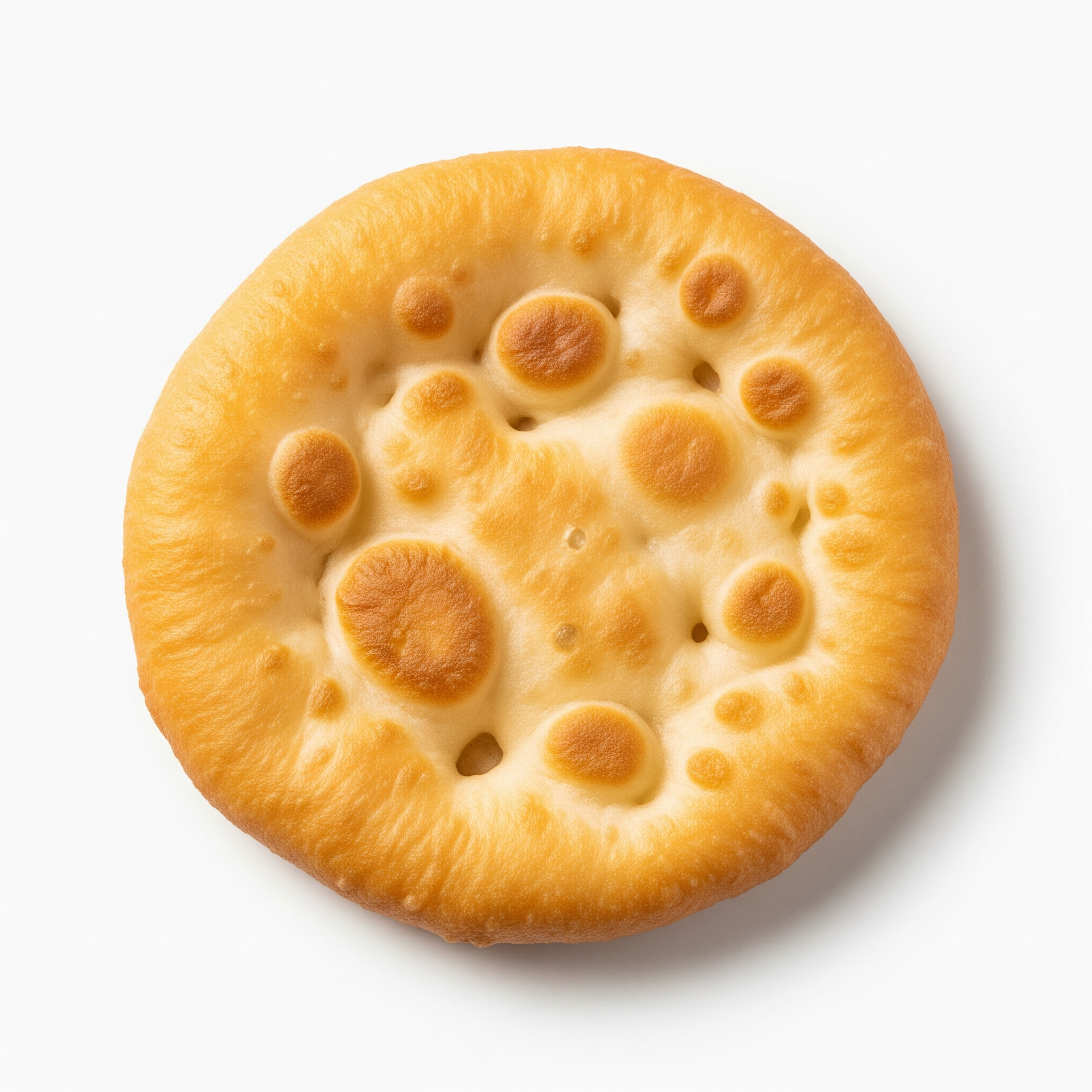
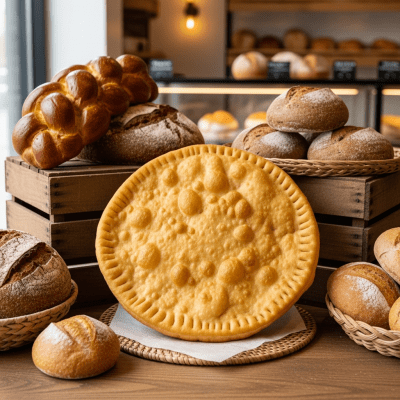
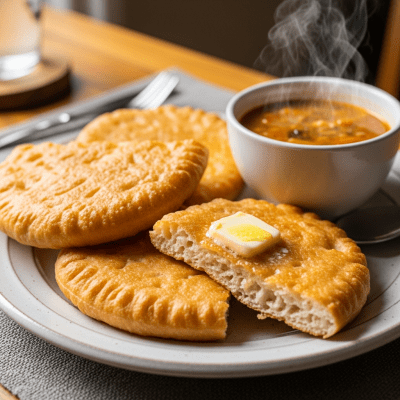
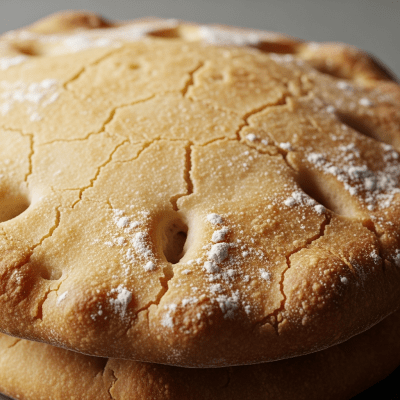
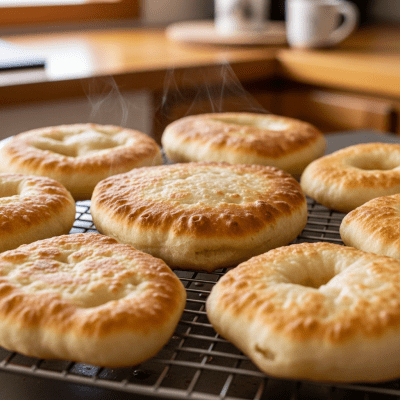
Frybread is generally round or irregular in shape, measuring between 6 and 10 inches in diameter and about half an inch thick. Before frying, the dough is pale, but it transforms into a golden-brown color once cooked. Its crust is crisp and slightly oily, while the interior remains soft and chewy, creating a pleasing contrast in texture.
Frybread functions as a versatile staple and accompaniment in Native American cuisine. It is commonly served as a side or used as a base for dishes like Indian tacos, topped with seasoned meats, beans, cheese, and vegetables. It can also be enjoyed plain or with sweet toppings such as honey or powdered sugar. Typically, frybread is best eaten fresh due to its tendency to become tough and greasy when stored.
Bring this kind into your world � illustrated posters, mugs, and shirts.
Archival print, museum-grade paper
Buy Poster
Stoneware mug, dishwasher safe
Buy Mug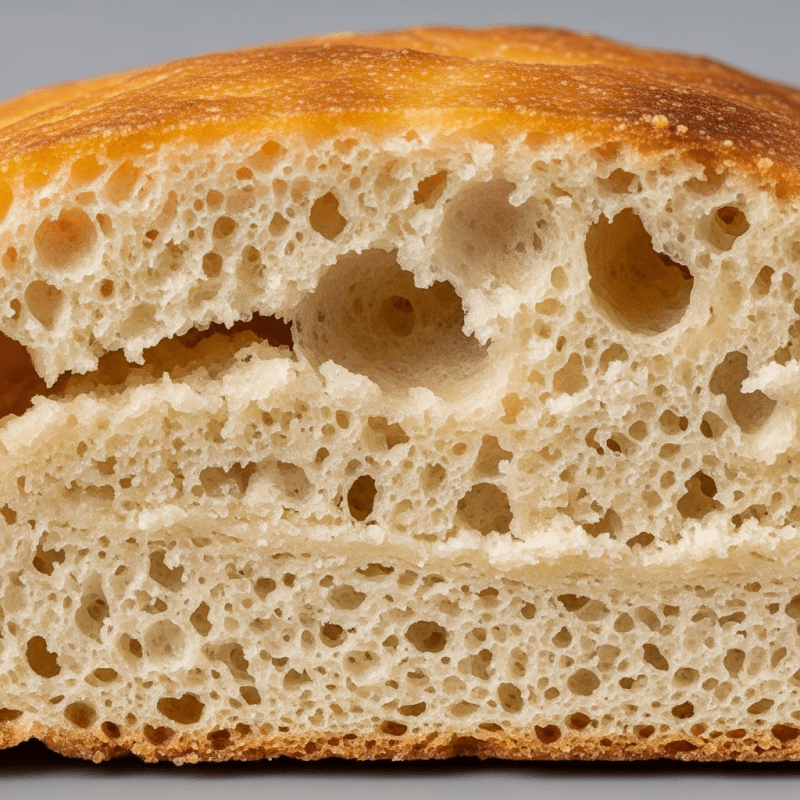
Soft cotton tee, unisex sizes
Buy ShirtFrybread holds deep cultural importance within Native American communities, symbolizing survival, adaptation, and resilience in the face of hardship. It is a prominent feature at powwows, cultural gatherings, and celebrations, representing both a shared history and ongoing tradition. Despite its origins in hardship, frybread has become a cherished emblem of indigenous identity and culinary heritage.
Frybread’s primary ingredients include wheat flour, baking powder or yeast as leavening agents, salt, sugar, and a frying medium such as lard, oil, or shortening.
Frybread uses chemical leavening, most commonly baking powder, to achieve its rise. It does not undergo traditional fermentation or sourdough processes, allowing for quick preparation without extended proofing times.
While detailed nutritional data is limited, frybread is generally calorie-dense due to frying in fat and contains carbohydrates from wheat flour. It lacks notable fiber or micronutrient enrichment and is best consumed in moderation within a balanced diet.
Frybread has a short shelf life and is best consumed fresh. When stored, it tends to become tough and greasy, losing its characteristic texture. It is typically kept at room temperature and not refrigerated or frozen for extended periods.
Commonly, frybread serves as a side dish or a base for Indian tacos, topped with savory ingredients like seasoned meat, beans, cheese, and vegetables. It is also enjoyed plain or with sweet toppings such as honey or powdered sugar, making it a versatile element in Native American cuisine.
Regional variations of frybread exist among Native American tribes, particularly in the Southwest. Differences include size, thickness, and choice of leavening agent, reflecting local preferences and ingredient availability. The Navajo frybread is among the most recognized variants.
Frybread is primarily available at Native American cultural events, powwows, food stands, and some restaurants specializing in indigenous cuisine. It is rarely mass-produced or packaged for retail sale, maintaining its status as a traditional and community-prepared food.