Flatbread
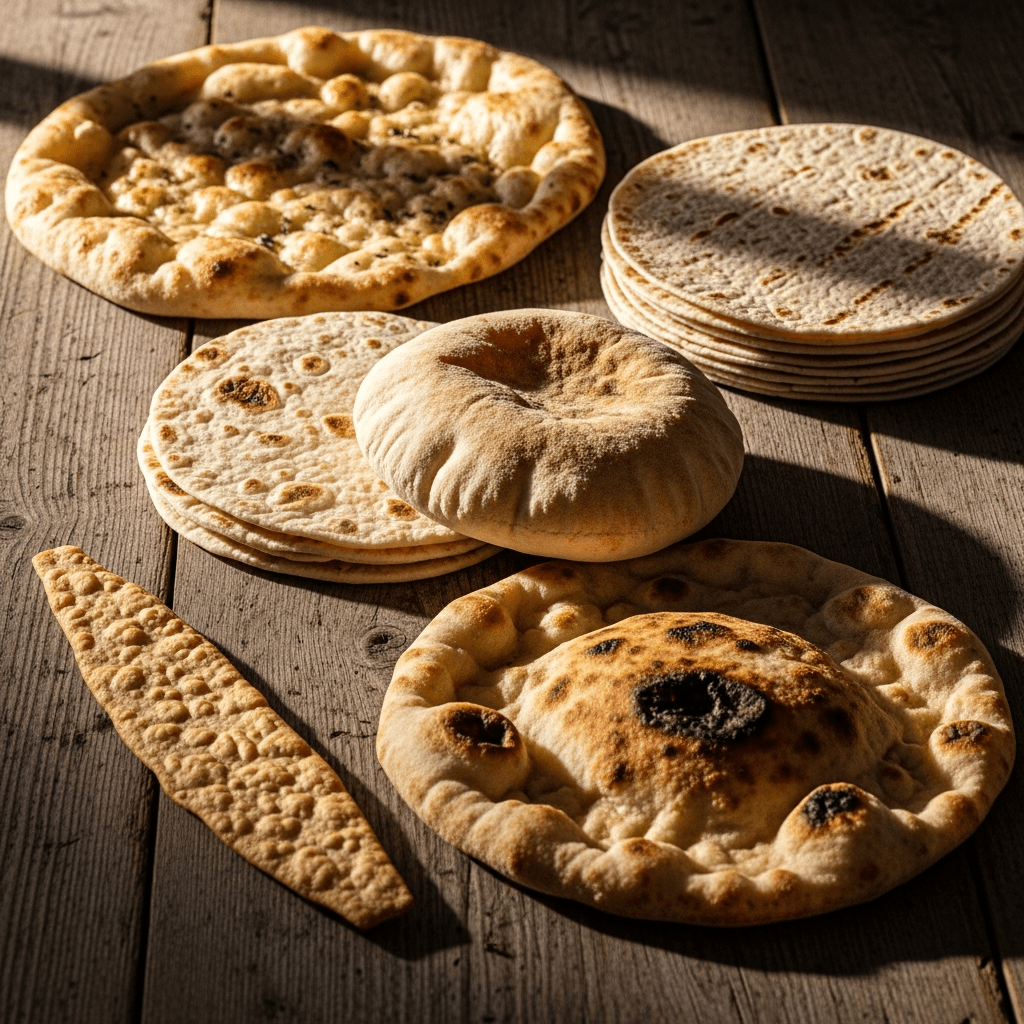
Flatbread is a broad category of bread defined by its thin, flattened shape, typically made from flour and water and cooked by baking, griddling, or frying.
Flatbread is a broad category of bread defined by its thin, flattened shape, typically made from flour and water and cooked by baking, griddling, or frying.
Flatbread is one of the oldest bread forms, evolving independently across numerous cultures worldwide. Archaeological evidence traces its origins back at least 14,000 years, with early examples found in the Fertile Crescent and South Asia, reflecting its ancient and widespread heritage.
As a type of bread, flatbread belongs to a family characterized by minimal thickness and often simple ingredients. It spans both unleavened and leavened varieties, fitting within broader bread classifications by leavening method, cooking technique, and regional style.
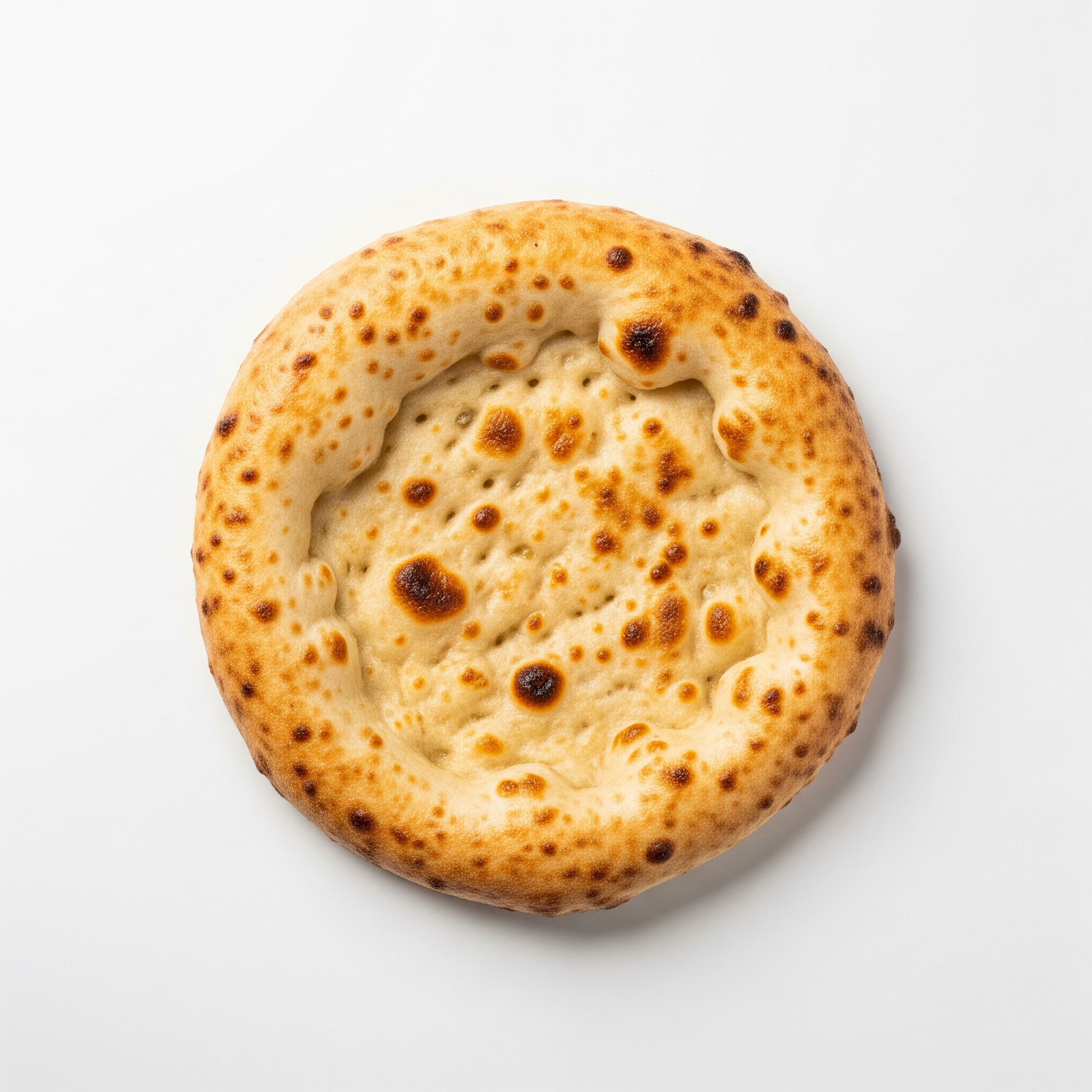
Flatbreads are typically thin and flattened, with shapes that are round or oval. Their thickness ranges from a few millimeters up to 1–2 centimeters, and diameters vary from about 10 cm to over 40 cm. Colors range from pale cream to golden brown, influenced by the type of flour and cooking method used.
Flatbreads function as versatile staple foods, side dishes, or edible wrappers. They are commonly used to scoop stews, wrap meats and vegetables, or serve as bases for toppings, adapting to a wide range of culinary interactions across cultures.
Bring this kind into your world � illustrated posters, mugs, and shirts.
Archival print, museum-grade paper
Buy Poster
Stoneware mug, dishwasher safe
Buy Mug
Soft cotton tee, unisex sizes
Buy ShirtFlatbreads hold deep cultural importance worldwide, appearing in traditional ceremonies, daily meals, and regional cuisines. They feature prominently in art and folklore, symbolizing sustenance and community, and continue to shape modern culinary identities across continents.
Flatbreads are primarily made from flour—such as wheat, rye, corn, barley, or millet—and water. Additional ingredients often include salt, oil, and sometimes dairy, depending on the recipe and region.
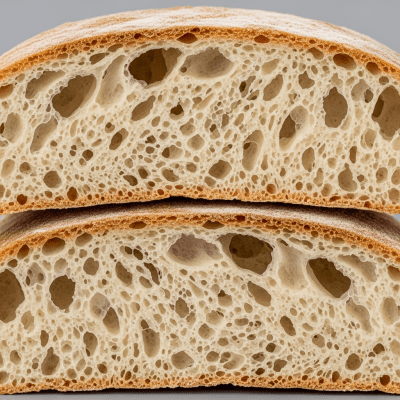
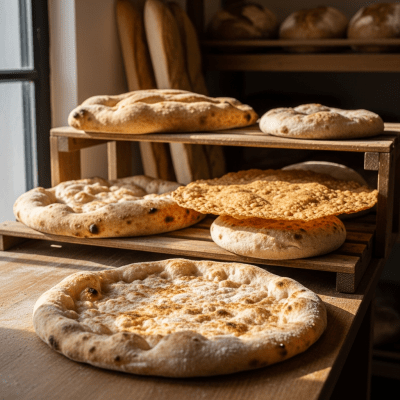

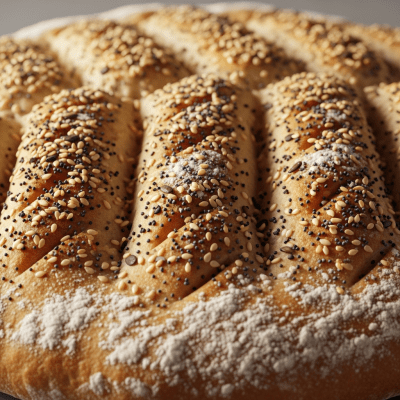
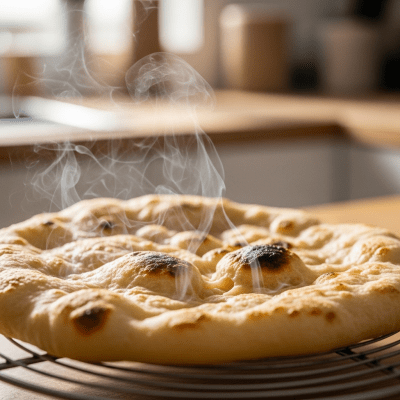
Flatbreads may be unleavened or leavened using various methods including commercial yeast, wild yeast, sourdough starters, chemical leavening, or no leavening at all. Fermentation times are typically short or absent, contributing to their quick preparation.
Flatbreads generally offer a simple nutritional profile based on their grain content. While fiber and micronutrient levels vary with the type of flour used, they serve as a carbohydrate-rich staple with moderate caloric value.
Flatbreads have a moderate shelf life and are often consumed fresh. Some varieties can be dried or stored for longer periods, but they are generally best enjoyed soon after preparation to maintain texture and flavor.
Flatbreads are widely used as staple foods, side dishes, or edible wrappers. They commonly accompany stews, serve as wraps for meats and vegetables, or act as bases for toppings, showcasing their versatility in global cuisines.
Flatbread encompasses numerous regional variants, including unleavened types like matzo and tortillas, and leavened forms such as naan, pita, lavash, injera, roti, chapati, focaccia, sangak, yufka, and arepa. Ingredient bases and preparation methods vary widely across the Middle East, South Asia, Africa, Latin America, and the Mediterranean.
Flatbreads are produced both artisanally and industrially, making them widely available in supermarkets, bakeries, and restaurants worldwide. Their global popularity ensures easy access across diverse markets.