
Crumpet
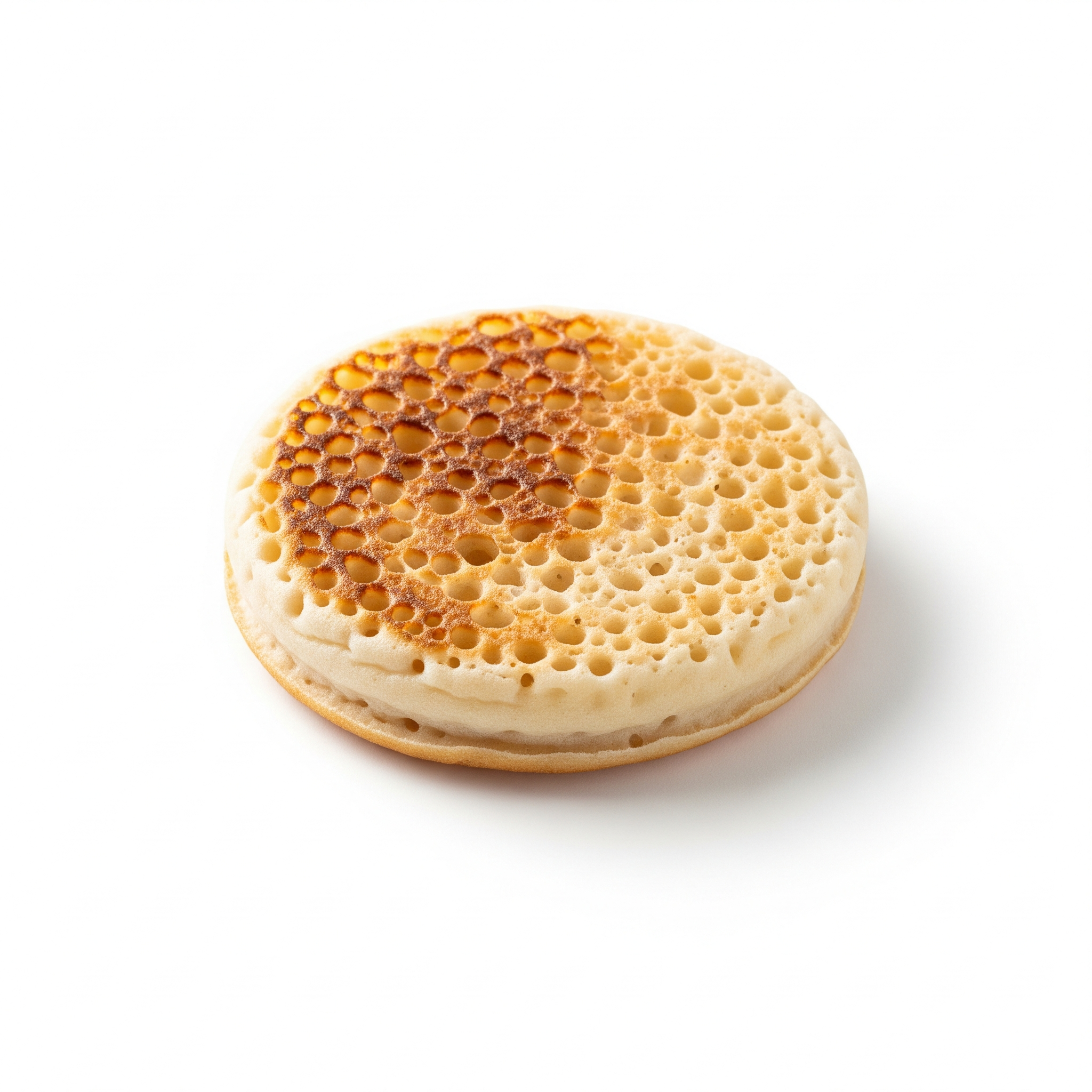
Crumpet is a traditional British griddled bread known for its soft, spongy texture and distinctive perforated surface that soaks up butter and spreads.
Crumpet is a traditional British griddled bread known for its soft, spongy texture and distinctive perforated surface that soaks up butter and spreads.
Originating in the United Kingdom, crumpets trace their roots back to early 18th-century griddle cakes and regional breads. The modern crumpet, featuring its characteristic holes, was refined during the Victorian era, though no specific inventor or institution is recorded.
Crumpets belong to the family of griddled breads within the broader bread taxonomy. Unlike baked loaves, they are cooked on a griddle and leavened with commercial yeast and baking powder, placing them among quick breads with a unique preparation method.
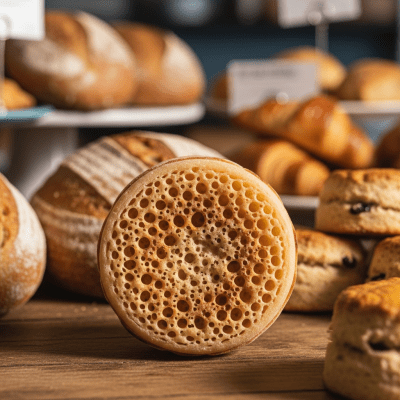
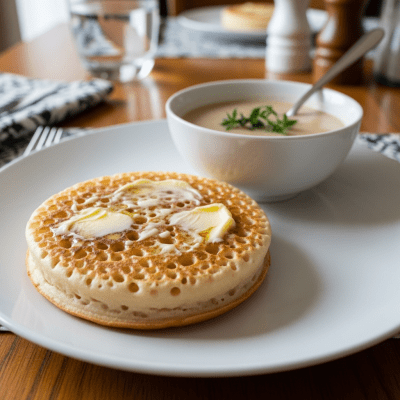
Typically round, crumpets measure 8–10 cm in diameter and about 2 cm thick. They have a pale golden, soft crust and a honeycombed, spongy interior riddled with open holes that give them their signature porous texture.
Crumpets are cooked on a griddle from a pourable batter, which creates their porous surface. This texture makes them ideal for absorbing melted butter and other spreads. They are commonly toasted and enjoyed as a breakfast or tea-time snack.
Bring this kind into your world � illustrated posters, mugs, and shirts.
Archival print, museum-grade paper
Buy Poster
Stoneware mug, dishwasher safe
Buy Mug
Soft cotton tee, unisex sizes
Buy ShirtCrumpets hold a cherished place in British and Commonwealth food culture, often associated with traditional teatime rituals. Their unique texture and preparation distinguish them from similar breads like English muffins, symbolizing a comforting and iconic British staple.
Primary ingredients: wheat flour, water or milk, commercial yeast, and baking powder.
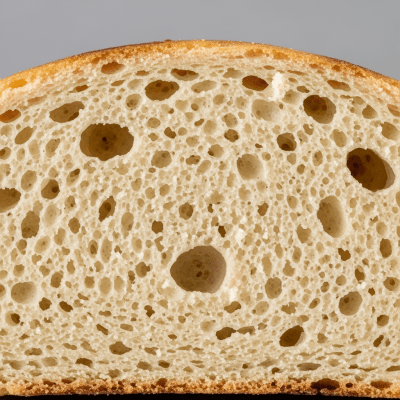
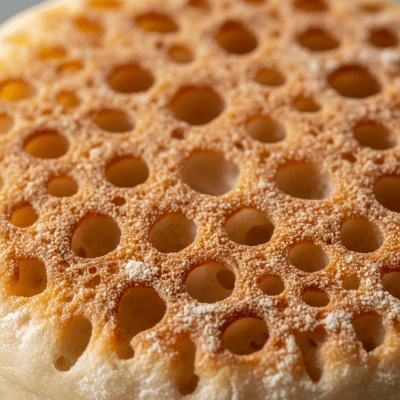
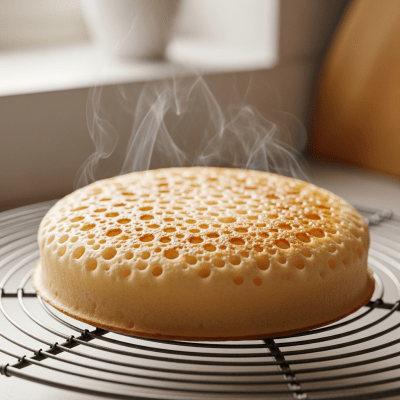
Crumpets are leavened primarily with commercial yeast and baking powder. The batter undergoes a brief fermentation or proofing stage, allowing bubbles to form, which create the signature porous texture during griddle cooking.
Crumpets provide a source of carbohydrates from wheat flour and typically have a soft, low-fat profile. Specific fiber content and micronutrients vary by recipe, but they are generally considered a moderate-energy bread suitable for breakfast or snacks.
Crumpets have a short shelf life and are best consumed fresh or lightly toasted. They can be stored at room temperature or refrigerated to extend freshness but are prone to staling and should be eaten within a few days.
Traditionally, crumpets are toasted and served with butter, jam, honey, or other spreads. Their porous texture makes them especially suited to absorbing melted toppings, making them a popular choice for breakfast or afternoon tea in the UK and Commonwealth countries.
While crumpets are most closely associated with England, they are also popular in Scotland, Wales, Australia, and New Zealand. Variants include the thinner pikelet, which is similar but typically lacks yeast and has a different texture.
Crumpets are widely available in supermarkets and bakeries across the UK and Commonwealth nations. They are sold fresh or packaged, making them accessible for everyday consumption and traditional occasions alike.