Cornbread
Cornbread is a quick bread native to North America, primarily made from cornmeal and chemically leavened to produce a tender, crumbly texture with a distinctive mildly sweet or savory flavor.
Cornbread is a quick bread native to North America, primarily made from cornmeal and chemically leavened to produce a tender, crumbly texture with a distinctive mildly sweet or savory flavor.
Cornbread traces its roots to the indigenous peoples of the Americas, who cultivated maize and created early maize-based breads. It evolved significantly in the Southern United States after European settlers introduced chemical leavening agents like baking powder and baking soda in the 19th century, blending traditional Native American techniques with new baking methods.
Classified as a quick bread within the broader bread family, cornbread is distinguished by its use of cornmeal instead of wheat flour and chemical leavening rather than yeast or sourdough fermentation. It belongs to the category of baked breads that rely on baking powder or soda for rise, setting it apart from yeast-leavened or unleavened breads.
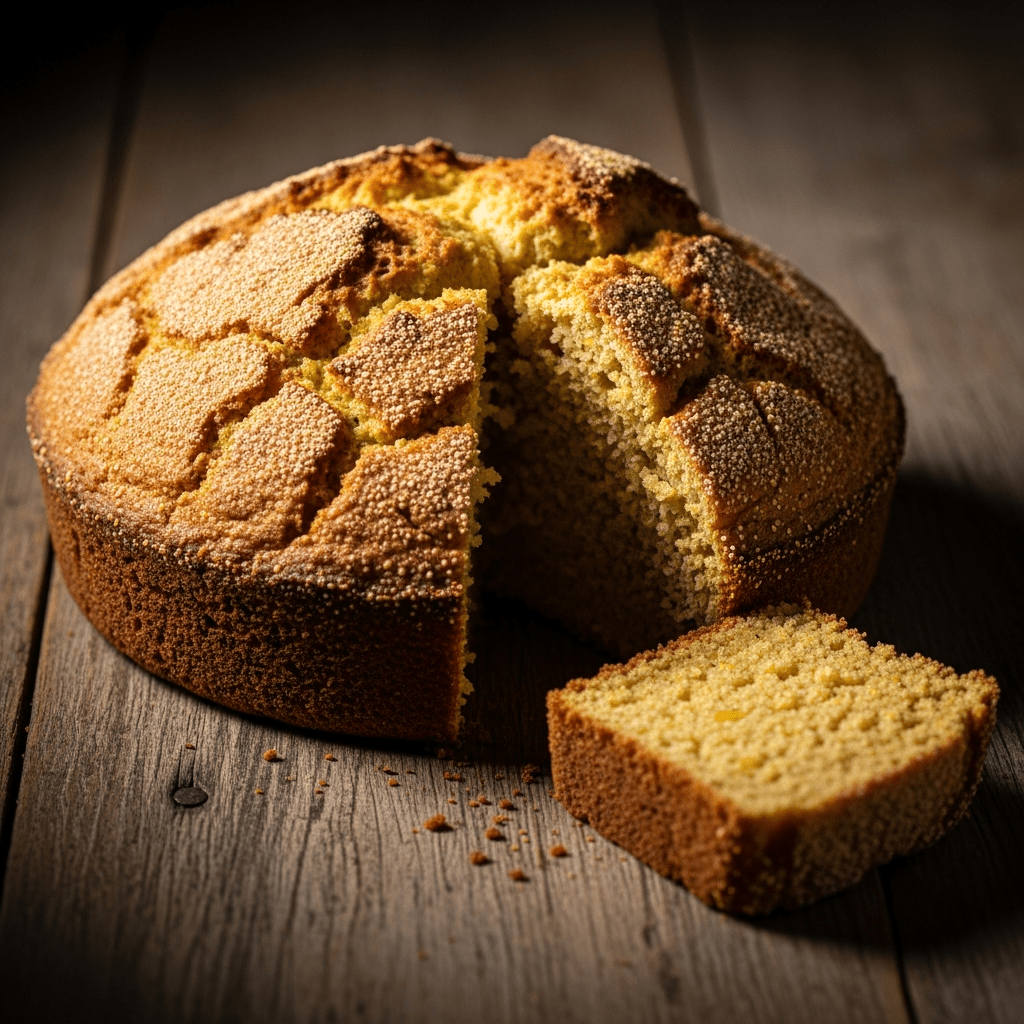
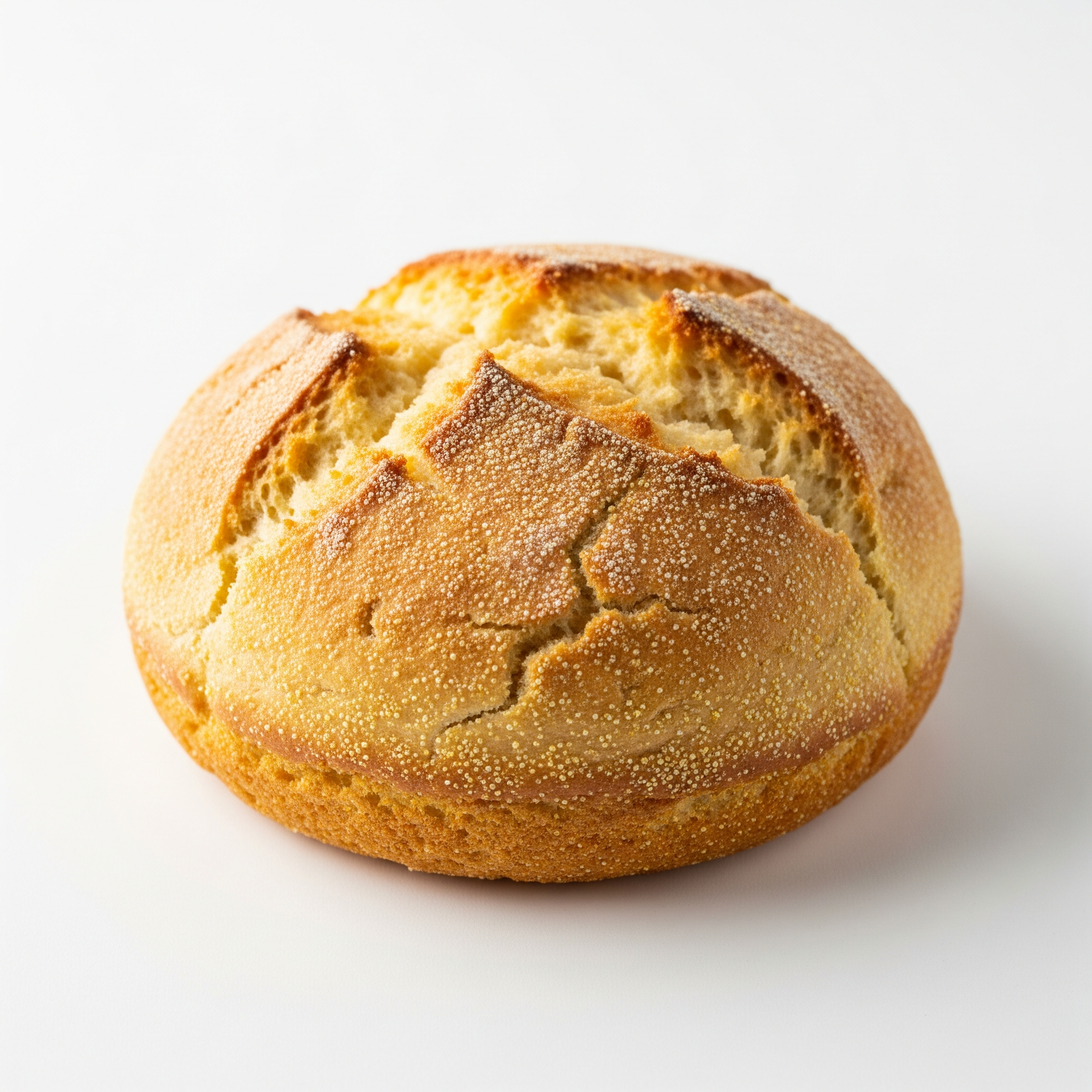
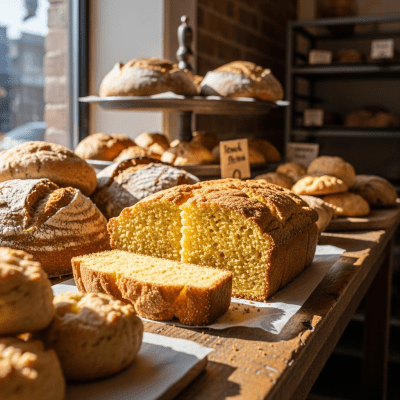
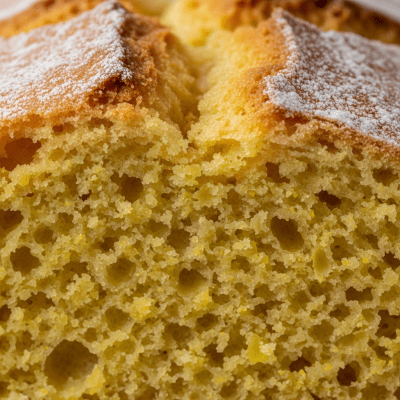
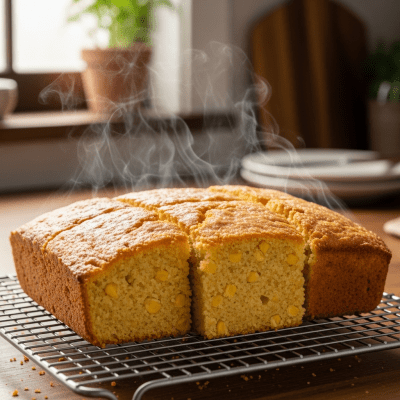
Cornbread typically appears as a flat, rectangular or round loaf, though it is also commonly baked as muffins or sticks. Its crumb is coarse and crumbly yet moist, with colors ranging from pale yellow to deep golden depending on the cornmeal used. The crust varies but generally complements the tender interior.
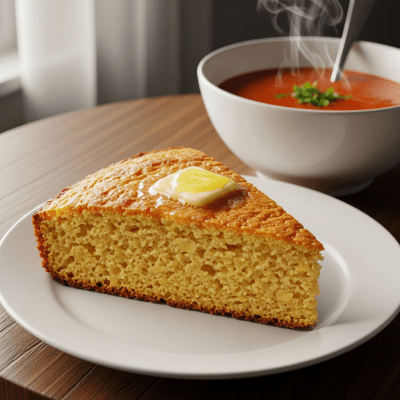
Functioning primarily as a side dish, cornbread is often paired with hearty meals such as chili, barbecue, or traditional Southern cuisine. It can be baked, fried as hoecakes, or griddled, and is versatile enough to be served in both savory and sweet variations. Enhancements like cheese, jalapeños, or bacon are common to enrich flavor and texture.
Bring this kind into your world � illustrated posters, mugs, and shirts.
Archival print, museum-grade paper
Buy Poster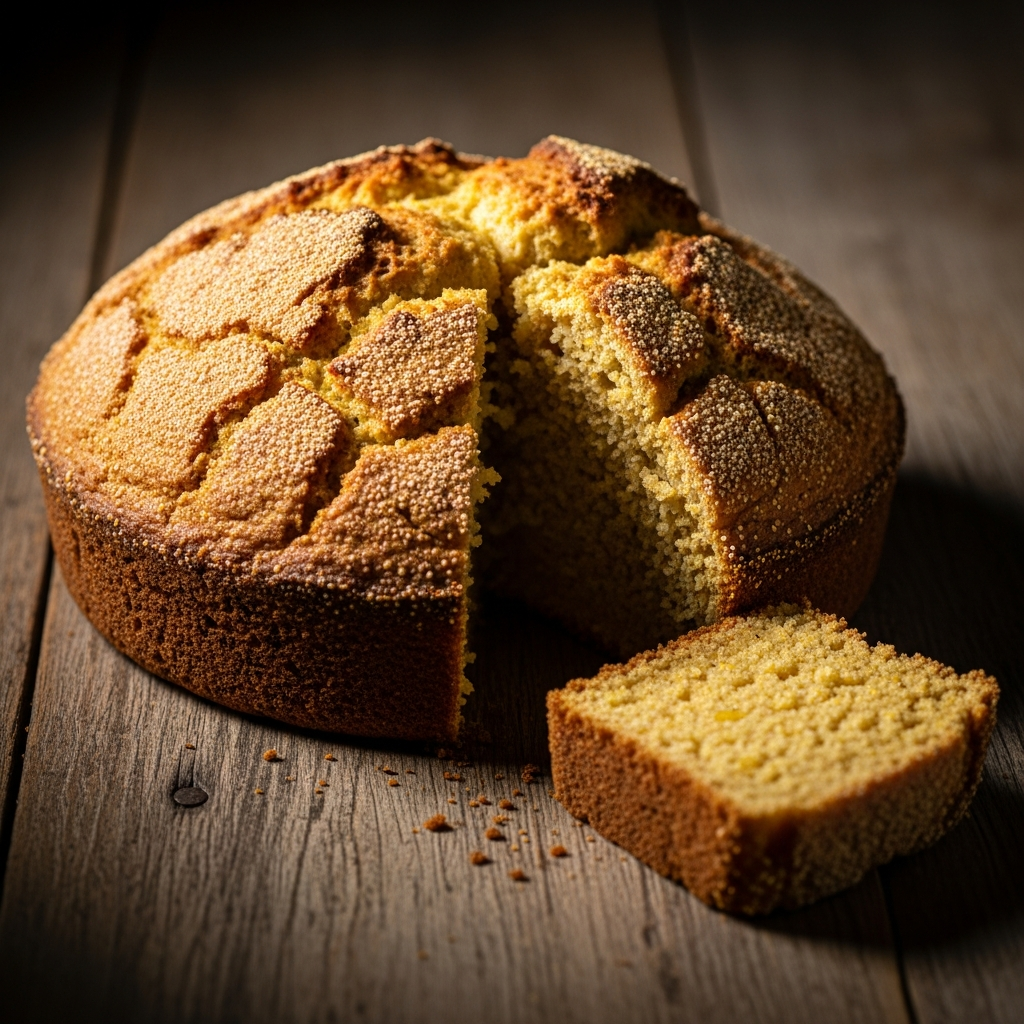
Stoneware mug, dishwasher safe
Buy Mug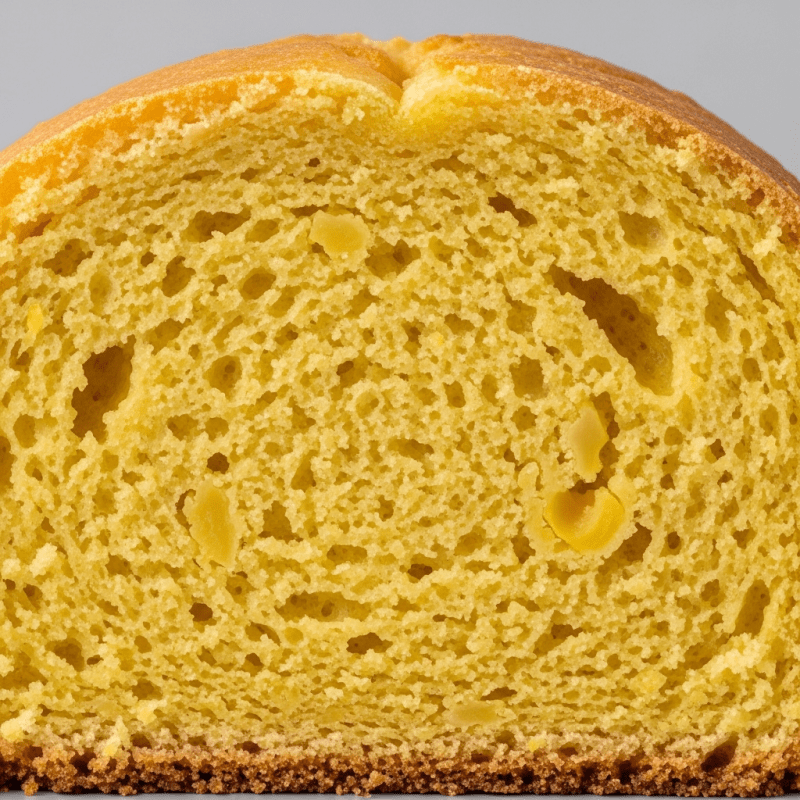
Soft cotton tee, unisex sizes
Buy ShirtCornbread holds a cherished place in Southern U.S. culture and Native American heritage, symbolizing both sustenance and tradition. It appears in regional culinary customs and folklore, reflecting the agricultural importance of maize and the blending of indigenous and settler foodways. Its presence in Southern meals underscores its role as a cultural staple.
Key ingredients of cornbread include cornmeal, baking powder, and baking soda. These form the base of the batter, creating its characteristic texture and rise.


Cornbread is chemically leavened using agents such as baking powder and baking soda, which react quickly to produce carbon dioxide and cause the batter to rise during baking. It does not undergo traditional fermentation or rely on yeast or wild microbes.
Cornbread offers a source of carbohydrates primarily from cornmeal, with a coarse texture that may provide some dietary fiber. Nutritional content varies by recipe, especially with additions like cheese or bacon, but it is generally considered an energy-rich side dish rather than a significant source of micronutrients.
Cornbread is best enjoyed fresh but can be stored at room temperature for 1–2 days. It tends to dry out quickly, so keeping it wrapped or in an airtight container helps maintain moisture. Refrigeration is generally not necessary and may accelerate drying.
Cornbread is commonly served as a side dish accompanying chili, barbecue, and Southern-style meals. It can be baked in pans, formed into muffins or sticks, fried as hoecakes, or griddled. Variations include savory enrichments like cheese, jalapeños, or bacon, as well as sweeter versions for breakfast or dessert.
Regional variants of cornbread are found throughout Appalachia, the Deep South, and among Native American communities. Southern cornbread is typically unsweetened and denser, while Northern recipes often add sugar. Names such as Johnnycake, hoecake, and pone reflect local traditions and preparation methods.
Cornbread is widely available commercially in North America, often sold as ready mixes for home baking. It remains a staple in Southern U.S. cuisine and is featured in many restaurants and food markets, reflecting its enduring popularity and cultural importance.