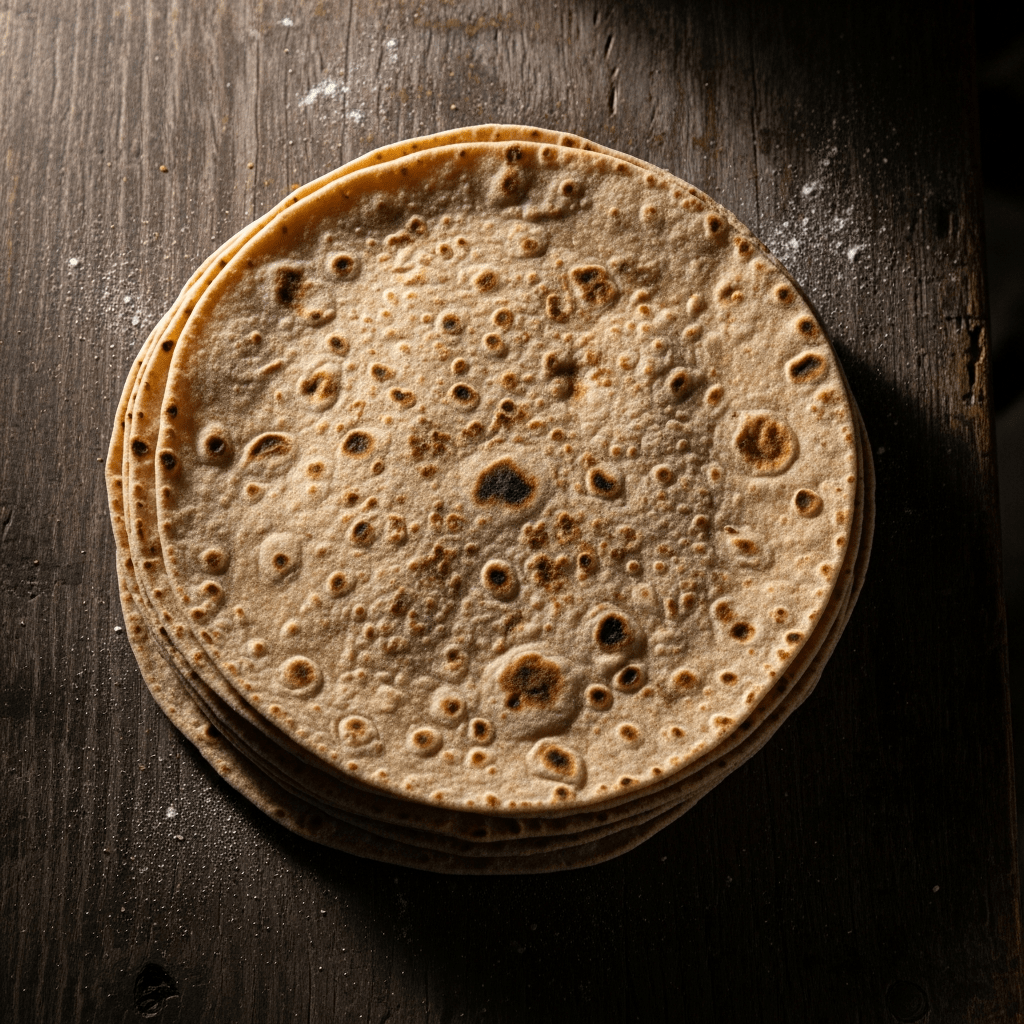
Chapati
Chapati is a staple unleavened flatbread from the Indian subcontinent, made simply from whole wheat flour and water, and cooked on a flat griddle.
Chapati is a staple unleavened flatbread from the Indian subcontinent, made simply from whole wheat flour and water, and cooked on a flat griddle.
Chapati traces its ancient roots to traditional South Asian wheat-based flatbreads, originating centuries ago in the Indian subcontinent. Its widespread adoption is closely linked to the region's long history of wheat cultivation, though no specific breeder or institution is credited with its creation.
Classified as an unleavened flatbread, chapati belongs to the broader family of grain-based breads made without leavening agents. It is part of the flatbread subgroup, characterized by its simple dough and quick cooking method on a griddle.
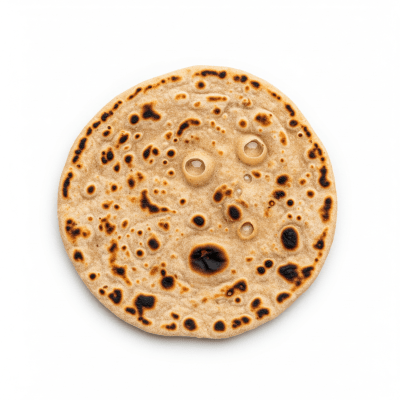
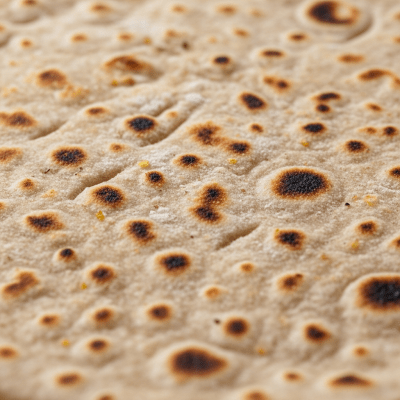
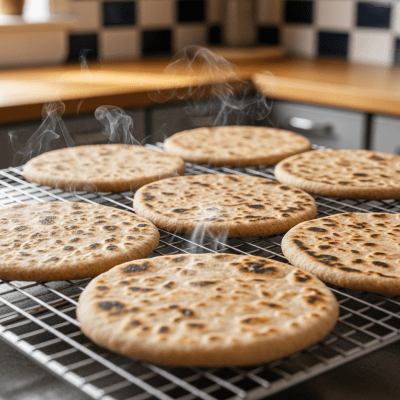
Chapati is typically round, thin, and soft, measuring about 15 to 20 centimeters in diameter. Its color ranges from light brown to golden, with a thin, pliable crust and a dense yet flexible crumb texture that allows easy folding or rolling.
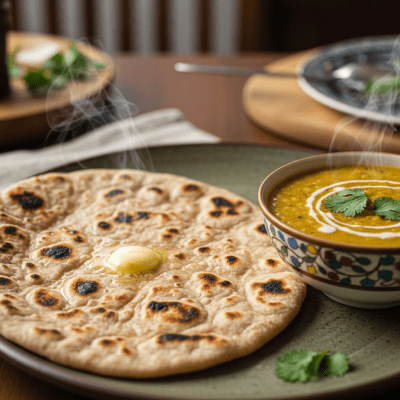
Chapati functions as a versatile everyday bread, commonly served fresh alongside vegetable curries, dals, and meat dishes. It is cooked on a hot griddle (tava) and often finished over an open flame to encourage puffing. Its pliable texture makes it suitable as a base for wraps and rolls, and it is sometimes enjoyed with ghee, butter, or sugar.
Bring this kind into your world � illustrated posters, mugs, and shirts.

Archival print, museum-grade paper
Buy Poster
Stoneware mug, dishwasher safe
Buy Mug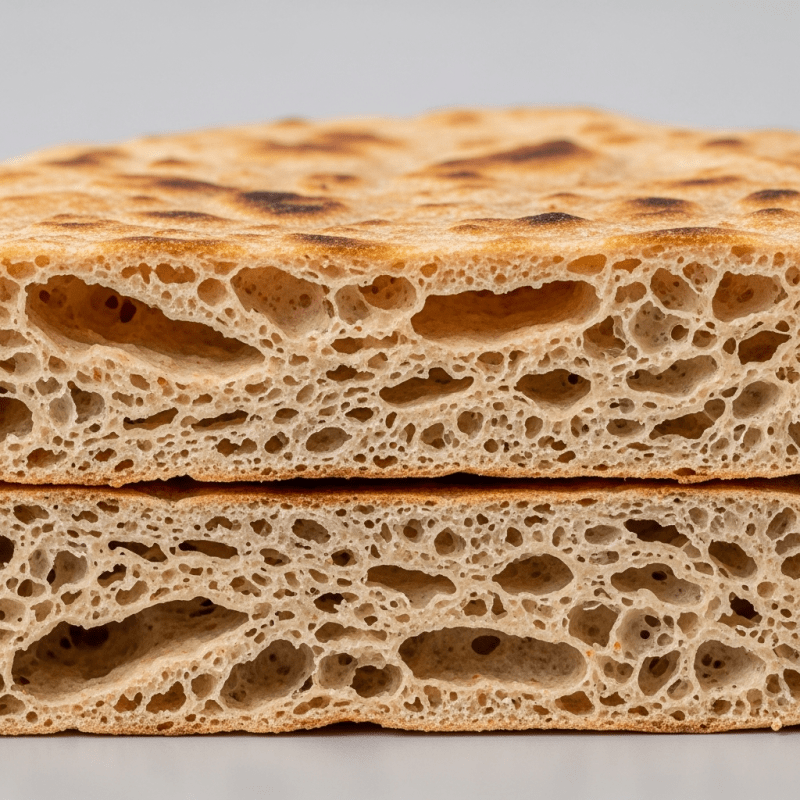
Soft cotton tee, unisex sizes
Buy ShirtChapati holds deep cultural importance across South Asia and parts of East Africa, symbolizing daily sustenance and home cooking. It appears frequently in traditional meals and is intertwined with regional identities, reflecting centuries of culinary heritage and communal dining practices.
Chapati is made primarily from whole wheat flour (atta), water, with optional additions of salt and oil to enhance texture and flavor.
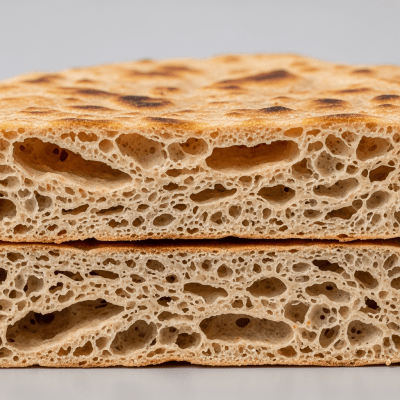

Chapati is an unleavened bread and does not undergo fermentation or use leavening agents, resulting in a dense yet pliable texture.
Chapati offers a high dietary fiber content due to its whole wheat flour base, contributing to digestive health. It is a wholesome staple providing sustained energy, though specific micronutrient levels and glycemic index vary depending on preparation.
Chapati is best consumed fresh as it tends to dry out and harden within hours. To extend its freshness, refrigeration or reheating is recommended. It is sensitive to staling and does not store well for long periods at room temperature.
Chapati is a fundamental accompaniment to South Asian meals, typically served with vegetable curries, dals, and meat dishes. It also serves as a base for wraps and rolls and is sometimes enjoyed with ghee, butter, or sugar for added richness.
Regional variations include the Kenyan chapati, which is thicker and layered with oil, creating a flakier texture. In Nepal and Bangladesh, local preparation methods vary slightly but maintain the core characteristics of this traditional flatbread.
Chapati is produced widely in homes and small-scale bakeries or restaurants across South Asia and East Africa. While industrial production exists, it is less common compared to other breads, with most chapatis made fresh for immediate consumption.