
Baguette
The baguette is a long, thin loaf of French bread known for its crisp golden crust and airy, chewy interior, embodying simplicity and versatility in daily French cuisine.
The baguette is a long, thin loaf of French bread known for its crisp golden crust and airy, chewy interior, embodying simplicity and versatility in daily French cuisine.
The baguette originated in early 20th century France, evolving from earlier breads like pain viennois and pain de fantaisie. Its rise was shaped by innovations in milling and baking regulations in the 1920s that favored breads requiring shorter preparation times.
As a leavened bread, the baguette belongs to the family of wheat-based artisan breads, specifically classified by its use of commercial yeast and baking method that produces a crusty exterior and open crumb.
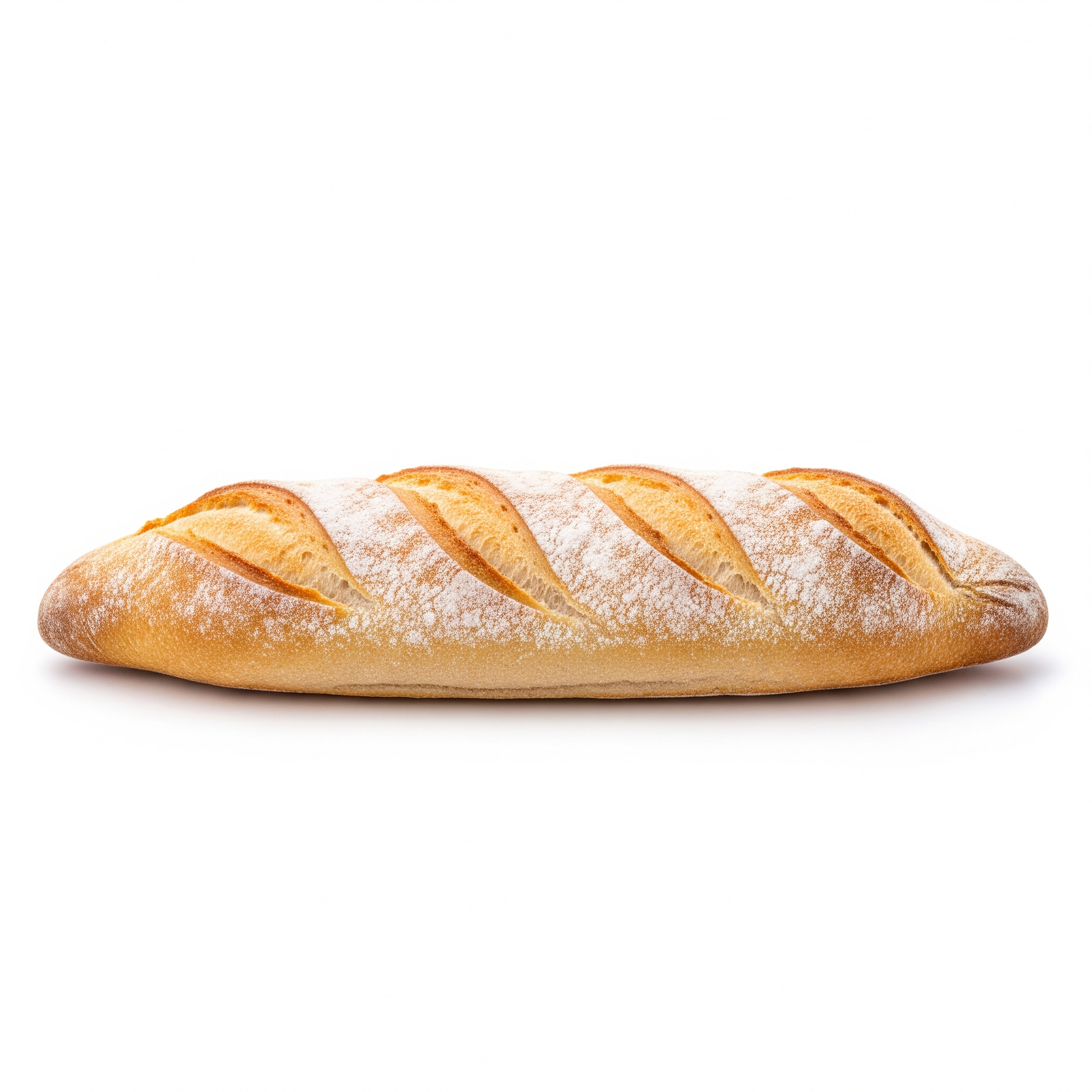
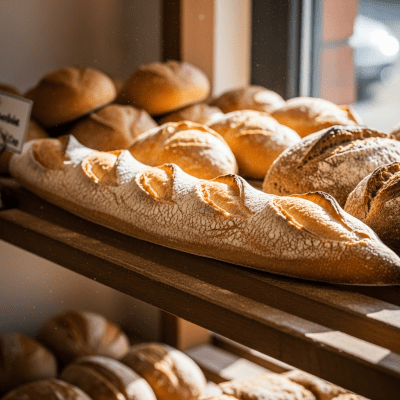
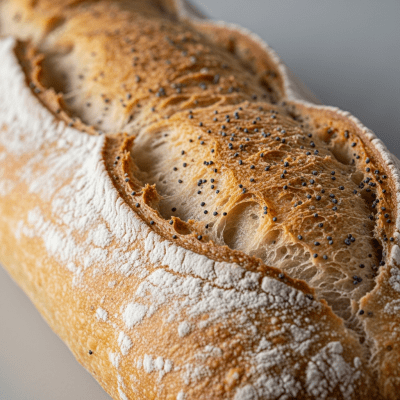
Typically measuring 55 to 65 centimeters long and 5 to 6 centimeters in diameter, the baguette features an elongated cylindrical shape. Its crust is golden-brown and crisp, while the crumb inside is pale, open, and slightly chewy, offering a pleasing contrast of textures.
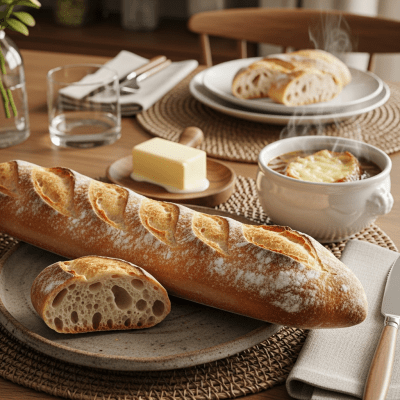
The baguette functions as a staple bread in France, commonly eaten fresh alongside meals, used for sandwiches like the classic jambon-beurre, or simply enjoyed with butter or cheese. Its crisp crust and tender crumb invite versatile culinary uses.
Bring this kind into your world � illustrated posters, mugs, and shirts.
Archival print, museum-grade paper
Buy Poster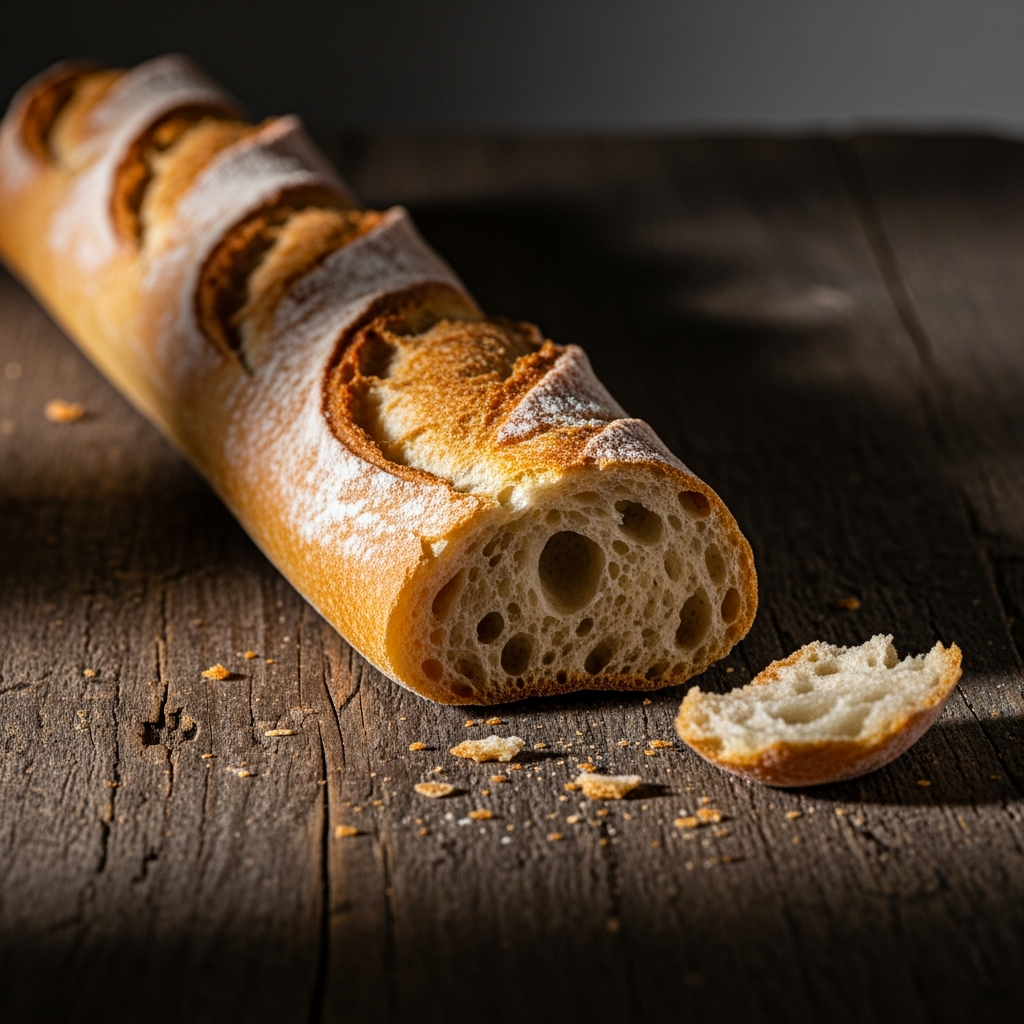
Stoneware mug, dishwasher safe
Buy Mug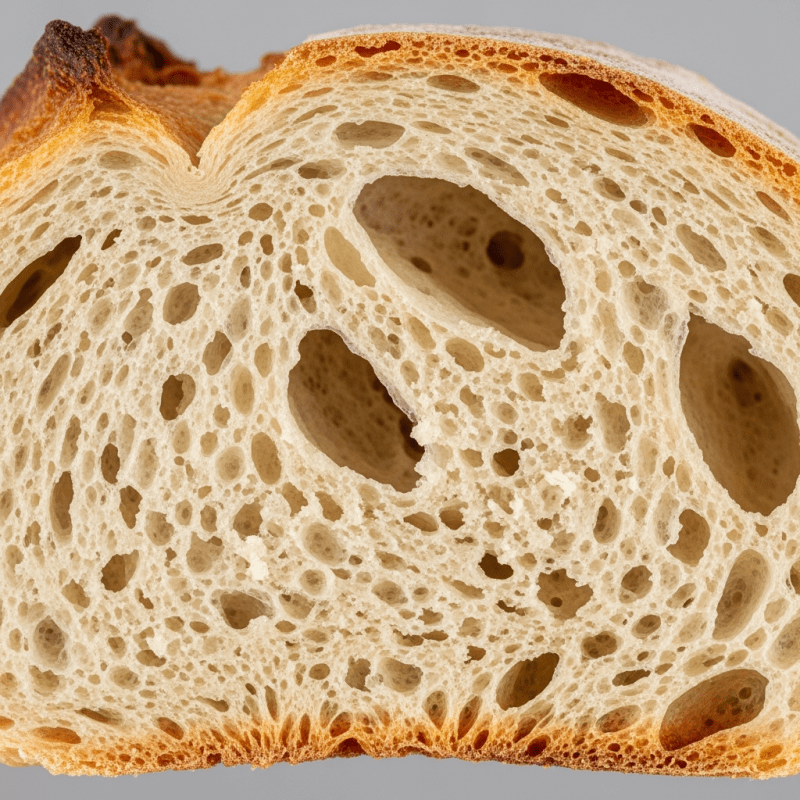
Soft cotton tee, unisex sizes
Buy ShirtThe baguette is a cultural icon of France, symbolizing French culinary tradition and daily life. Its importance was internationally recognized in 2022 when UNESCO designated it as an intangible cultural heritage, highlighting its role beyond mere sustenance.
Primary ingredients include wheat flour, water, salt, and commercial baker's yeast, combined to create the classic baguette dough.

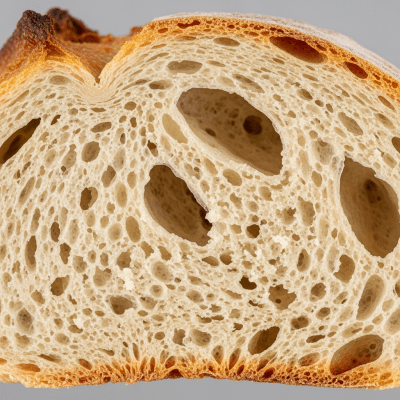
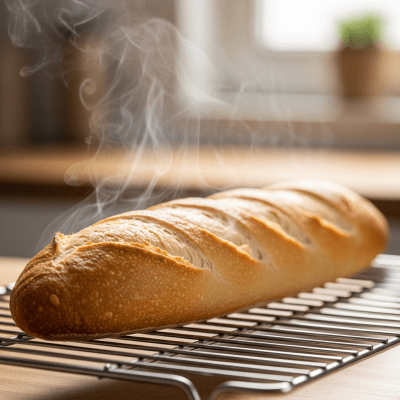
The baguette undergoes a relatively short fermentation using commercial yeast. This quick proofing process allows for efficient production while developing the bread’s characteristic texture.
While specific nutritional details vary, the baguette is a source of carbohydrates with moderate fiber content typical of refined wheat flour breads. It provides energy but is best enjoyed as part of a balanced diet.
Baguettes are best consumed fresh on the day of baking as they stale rapidly. They are typically stored at room temperature and do not keep well for extended periods, with staling being the primary spoilage concern.
Commonly served as a staple bread in French meals, baguettes are enjoyed plain, with butter or cheese, or used to make sandwiches such as the jambon-beurre. Their texture complements a wide range of dishes.
Notable variations include the flûte, a larger version; the demi-baguette, which is smaller; and the ficelle, a thinner, more delicate form. Each offers subtle differences in size and crust-to-crumb ratio.
Baguettes are widely available in bakeries and supermarkets worldwide. Authentic production remains centered in France, where strict regulations govern traditional methods, ensuring quality and heritage preservation.