Snowy Owl
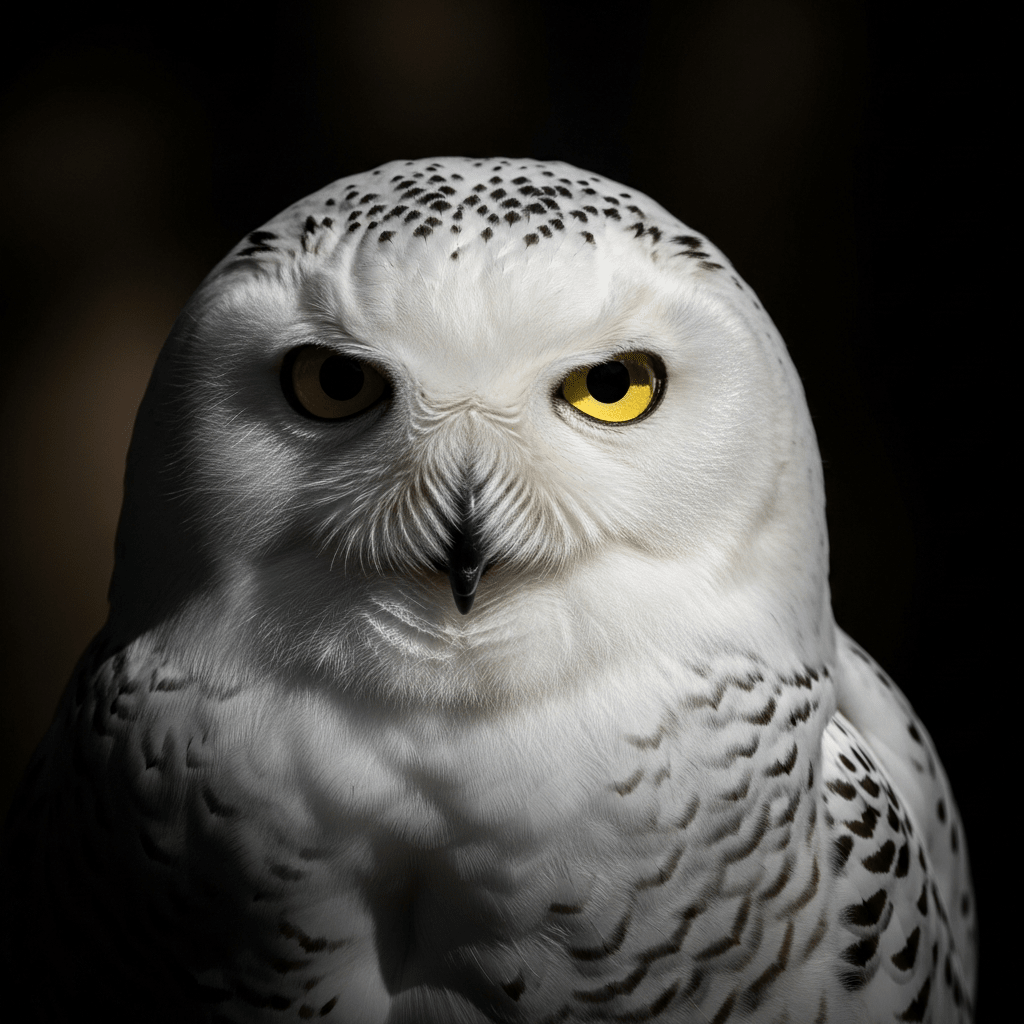
The Snowy Owl (Bubo scandiacus) is a large, brilliantly white owl native to Arctic tundra, instantly recognizable for its striking plumage and its role as a symbol of the northern wilderness.
The Snowy Owl (Bubo scandiacus) is a large, brilliantly white owl native to Arctic tundra, instantly recognizable for its striking plumage and its role as a symbol of the northern wilderness.
First described by Johann Reinhold Forster in 1771, the Snowy Owl’s scientific discovery is rooted in the era of Arctic exploration and early ornithological cataloging. Its origins trace to the vast, open tundra landscapes of the circumpolar Arctic, where it has evolved as a specialist predator. Unlike many birds, the Snowy Owl has no domesticated breeds or hybrids; all individuals are wild, shaped by the extreme conditions of their native range.
The Snowy Owl belongs to the order Strigiformes and family Strigidae, placing it among the true owls. Its genus, Bubo, includes some of the world’s largest owl species. This classification reflects both its evolutionary lineage and its distinctive morphological traits, such as size and feathering, which set it apart from other Arctic birds and owls.
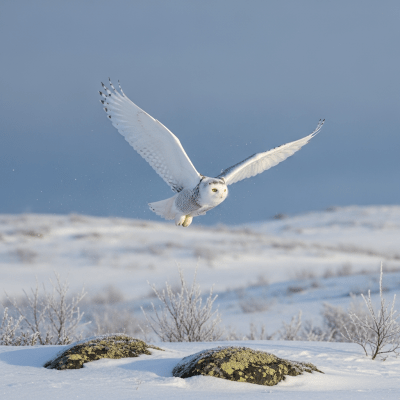
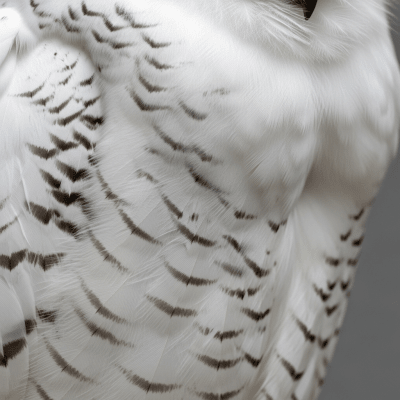
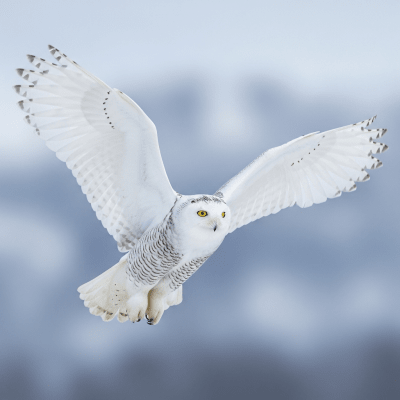
Snowy Owls are among the largest North American owls, with adults reaching up to 64 cm in length and wingspans stretching to 145 cm. Their plumage is predominantly white, providing camouflage against snowy landscapes; females and juveniles display more extensive dark barring. Striking yellow eyes, a rounded facial disk, and heavily feathered legs and feet—adaptations for insulation—complete their iconic look, making them both visually arresting and perfectly suited to their environment.
Unlike most owls, Snowy Owls are diurnal, actively hunting during daylight hours. They nest directly on the ground in open tundra, relying on their camouflage for protection. Their primary prey is lemmings and other small mammals, though they will opportunistically hunt birds. Snowy Owls play a vital ecological role as top predators in their habitat and are sometimes kept in licensed wildlife centers for educational purposes, but they are not bred or traded commercially.
Bring this kind into your world � illustrated posters, mugs, and shirts.

Archival print, museum-grade paper
Buy Poster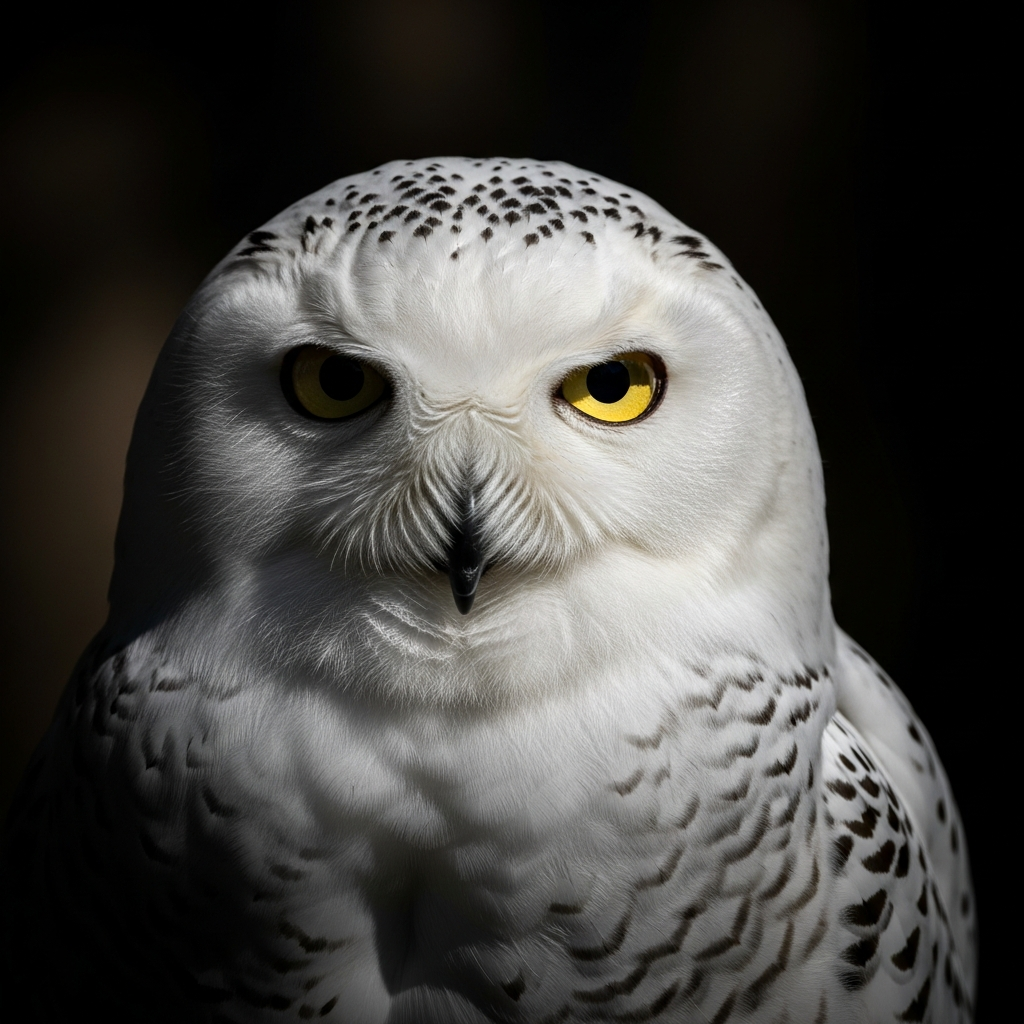
Stoneware mug, dishwasher safe
Buy Mug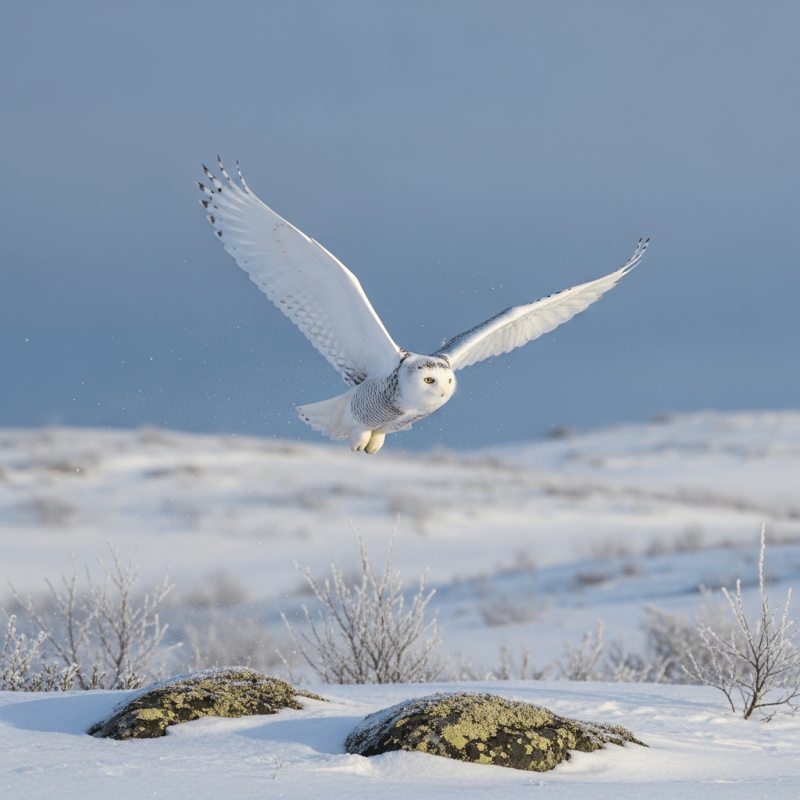
Soft cotton tee, unisex sizes
Buy ShirtThe Snowy Owl is deeply woven into human culture, especially as an emblem of the Arctic. It appears in folklore, art, and modern media—most notably as Hedwig in the Harry Potter series—symbolizing wisdom, mystery, and the wild north. Its presence in literature and conservation campaigns has made it a flagship species for Arctic preservation and a beloved figure in global popular culture.
Snowy Owls are native to the open tundra regions of the Arctic, spanning North America, Europe, and Asia. During winter, they may migrate southward, sometimes reaching temperate zones far from their usual range. Their preferred habitats are treeless, windswept landscapes where visibility and hunting opportunities are optimal.
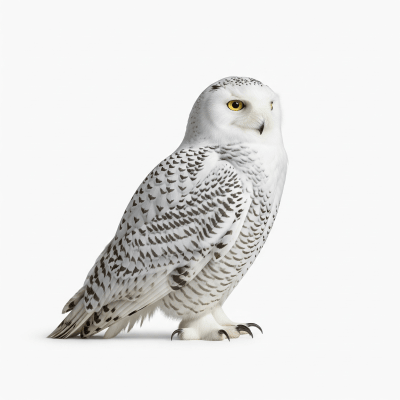
Snowy Owls primarily feed on lemmings and other small mammals, which form the bulk of their diet. They are skilled, patient hunters, often perching for long periods before swooping down on prey. When small mammals are scarce, they will hunt birds, adapting their diet to seasonal availability and local conditions.
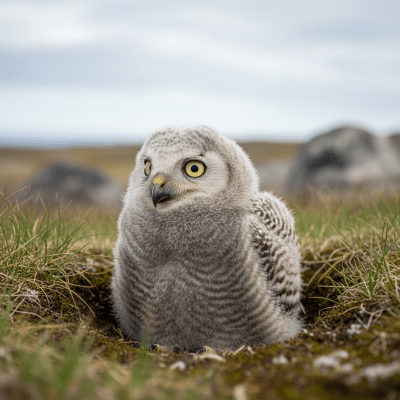
Breeding takes place on the ground in open tundra, with clutch sizes ranging from 3 to 11 eggs, depending on prey abundance. The female incubates the eggs while the male provides food. Chicks hatch covered in down and rapidly grow, fledging within weeks. Snowy Owls’ reproductive success is closely tied to lemming populations, leading to variable breeding output from year to year.
Snowy Owls are protected by strict legal regulations and are not considered globally endangered, but they are vulnerable to climate change and habitat disturbance. Fluctuations in prey populations and shifting Arctic conditions pose ongoing threats, making them a focus for conservation efforts and ecological monitoring.
Economically, Snowy Owls have little direct value, as they are not hunted, traded, or bred. Ecologically, they are apex predators in the Arctic tundra, helping regulate small mammal populations and serving as indicators of ecosystem health. Their cultural prominence supports conservation awareness and educational outreach worldwide.
There are no domesticated breeds or recognized subspecies of Snowy Owl; all individuals are wild-origin. While occasionally kept in licensed wildlife centers for educational purposes, they are not bred in captivity and remain strictly protected under wildlife laws.