Scarlet Macaw
The Scarlet Macaw (Ara macao) is a large, brilliantly colored Neotropical parrot celebrated for its vivid red, yellow, and blue plumage and its role as a flagship species for tropical forest conservation.
The Scarlet Macaw (Ara macao) is a large, brilliantly colored Neotropical parrot celebrated for its vivid red, yellow, and blue plumage and its role as a flagship species for tropical forest conservation.
Native to the lush rainforests of Central and South America, the Scarlet Macaw has been a part of indigenous cultures for centuries. First formally described by Carl Linnaeus in 1758, its wild ancestry traces deep into the heart of the Neotropics, where it has long flourished in vast, old-growth forests. The species arose within the genus Ara, a lineage of large macaws, and has never been domesticated, though it is widely kept in captivity as a pet and cultural icon.
The Scarlet Macaw belongs to the family Psittacidae, subfamily Arinae, within the order Psittaciformes. Its scientific name is Ara macao. As a member of the class Aves, it shares core bird traits such as feathers, beaks, and egg-laying. Among parrots, it stands out for its size and coloration, and is classified as monotypic, with no formally recognized subspecies according to leading authorities like the IOC and BirdLife International.
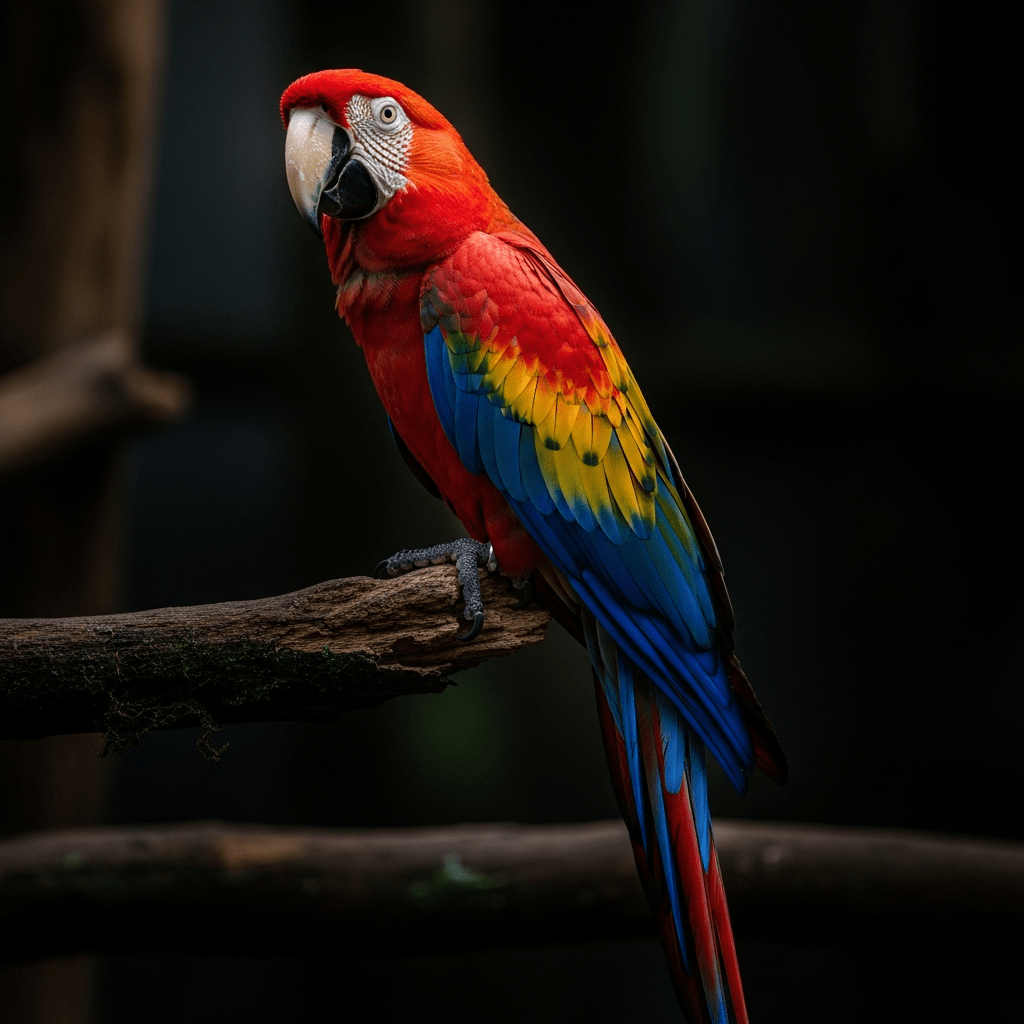
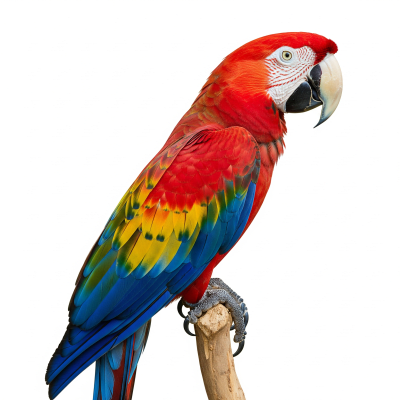
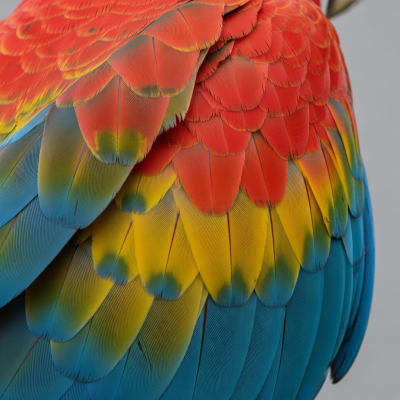
Strikingly beautiful, the Scarlet Macaw measures 81–96 cm in length and weighs up to 1.2 kg. Its plumage is predominantly scarlet red, offset by bright yellow wing coverts and deep blue flight feathers. The long, elegant tail is red with blue tips. Notable features include a powerful, curved beak designed for cracking hard nuts and seeds, and bare white skin around the eyes and face. Its bold coloration and commanding presence make it instantly recognizable among tropical birds.
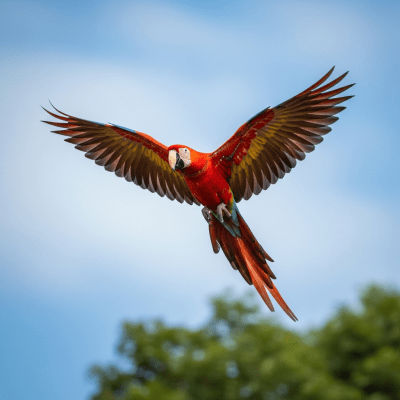
Scarlet Macaws are highly social, often seen in pairs or small flocks, communicating with loud, raucous calls that echo through the forest canopy. They are strong fliers, requiring expansive forested habitats for foraging and nesting. As cavity nesters, they breed in large trees and display strong pair bonds. Their intelligence and vibrant personalities have made them popular in the pet trade, though international commerce is tightly regulated. Ecologically, they are vital seed dispersers, helping to sustain the diversity of tropical forests.
Bring this kind into your world � illustrated posters, mugs, and shirts.
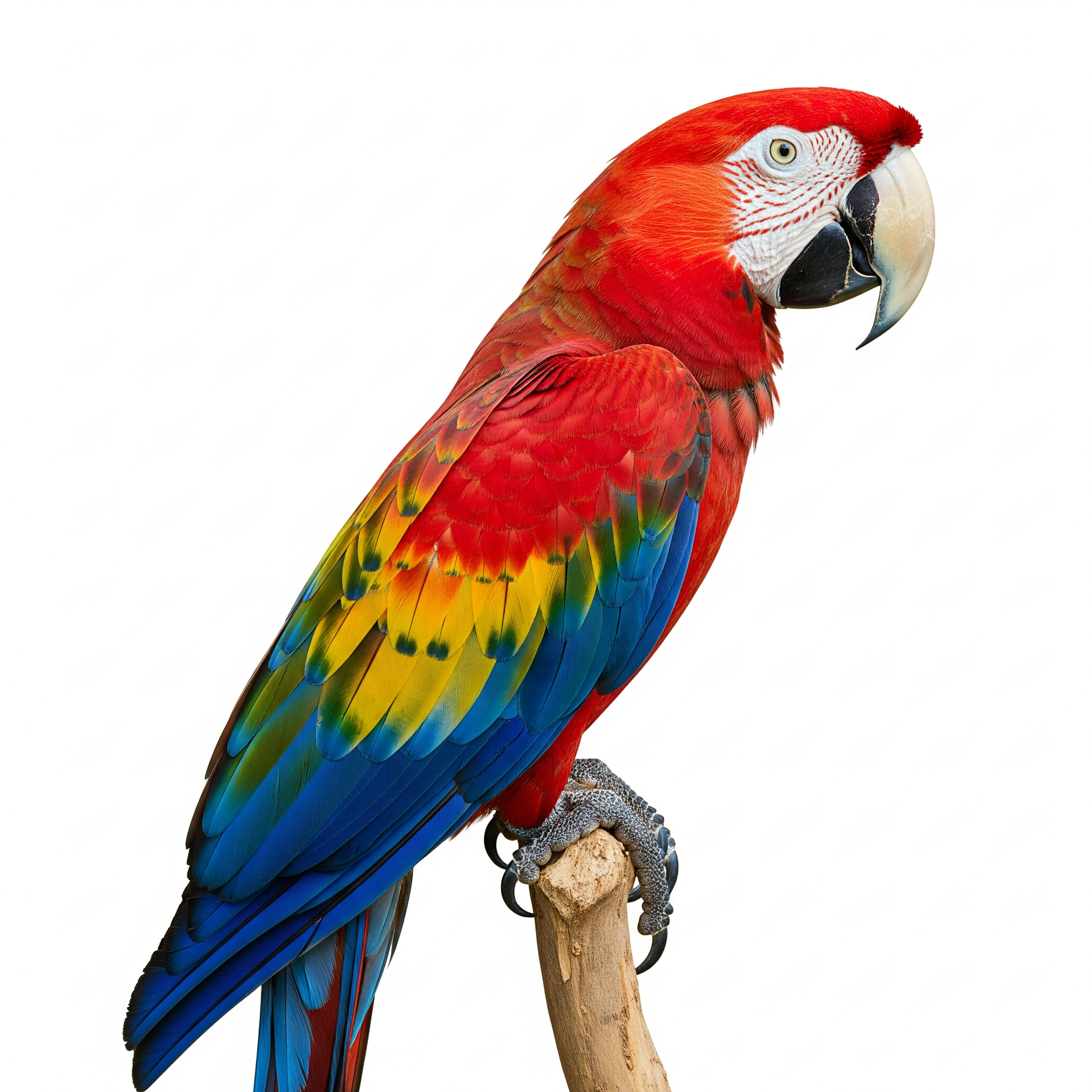
Archival print, museum-grade paper
Buy Poster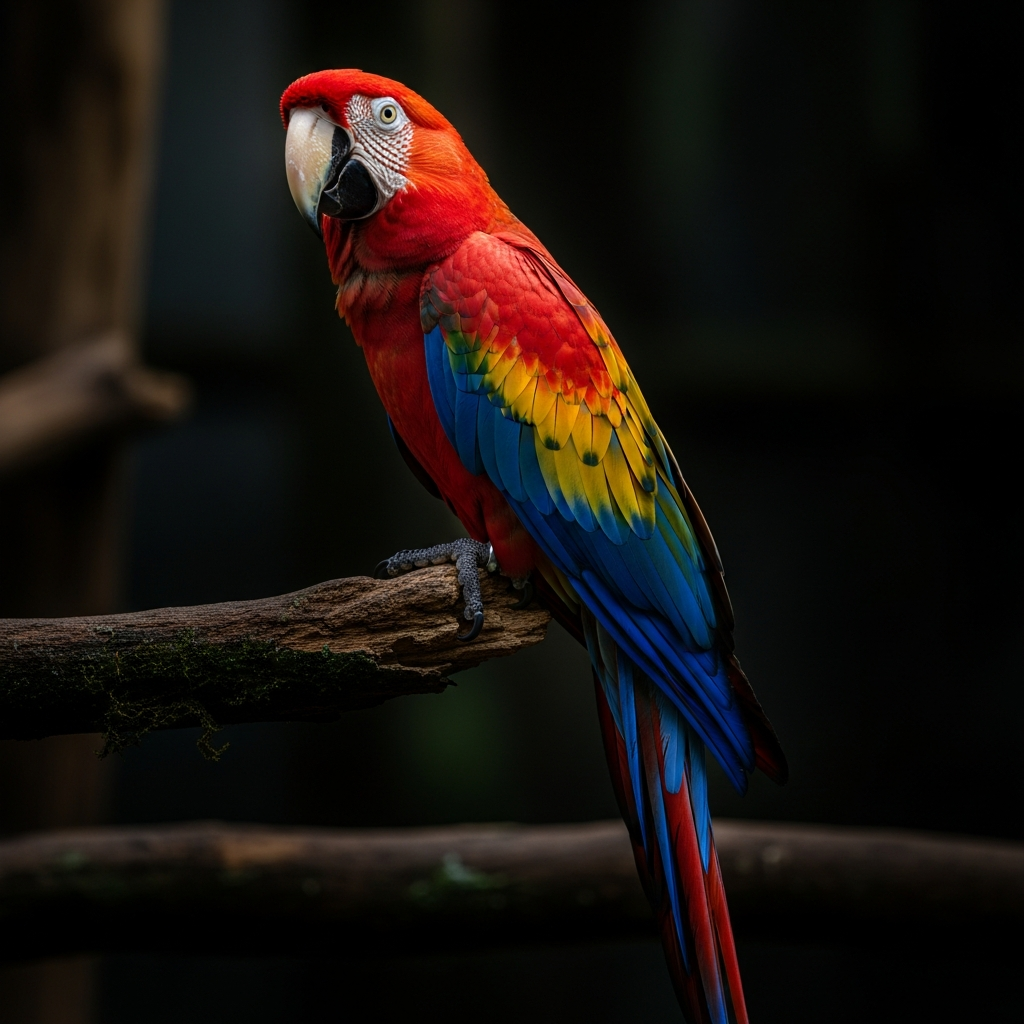
Stoneware mug, dishwasher safe
Buy Mug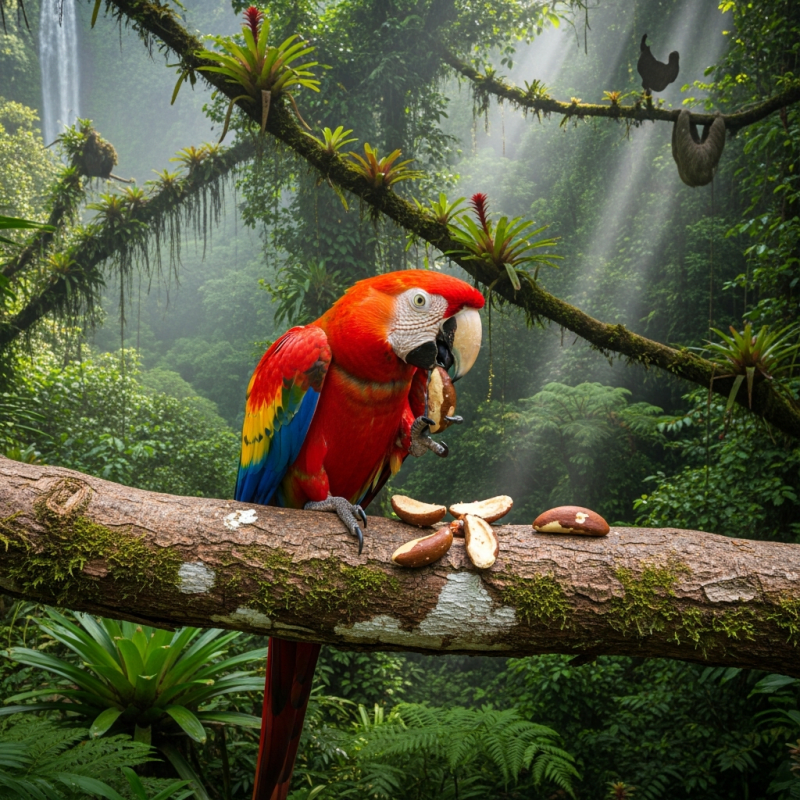
Soft cotton tee, unisex sizes
Buy ShirtThe Scarlet Macaw holds profound cultural importance across Mesoamerican and South American societies. Revered in indigenous art, mythology, and ritual, it often symbolizes beauty, power, and the spirit of the rainforest. Its feathers have adorned ceremonial costumes, and its image appears in ancient carvings and pottery. Today, it remains a symbol of tropical biodiversity and conservation efforts, inspiring both local communities and global audiences.
Scarlet Macaws inhabit extensive tropical forests across Central and South America, ranging from southern Mexico through the Amazon basin to eastern Brazil. They prefer mature, undisturbed forests with large trees for nesting, but can adapt to various forest types. Their distribution is patchy, with populations concentrated in protected reserves and remote wilderness areas.
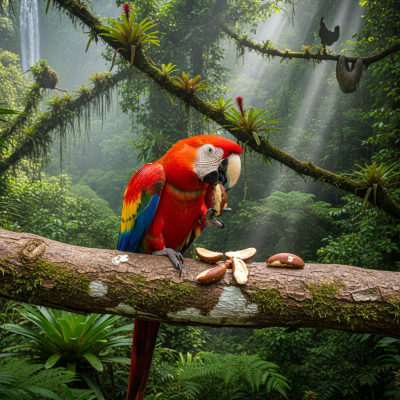
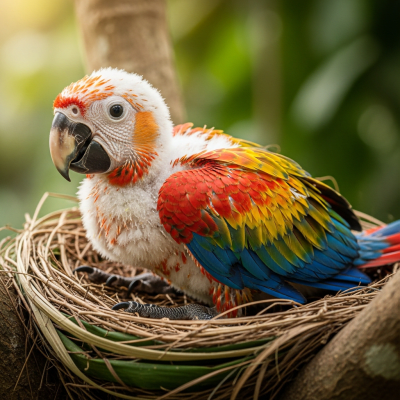
The Scarlet Macaw's diet is primarily composed of nuts, seeds, and fruits. Its robust, curved beak is specially adapted for cracking open hard shells and accessing nutritious kernels. Foraging high in the canopy, these macaws often travel long distances in search of food, and their feeding habits contribute to the dispersal of seeds throughout the rainforest ecosystem.
Scarlet Macaws are cavity nesters, typically breeding in large, mature trees. They form strong pair bonds and are known for their lifelong monogamy. The species lays eggs in tree hollows, and both parents participate in raising the chicks. In the wild, their lifespan is estimated at 40–50 years, with individuals in captivity sometimes living even longer. Details such as clutch size and breeding season vary regionally but generally reflect the rhythms of tropical forest life.
The Scarlet Macaw is listed on CITES Appendix I, reflecting its vulnerability to habitat loss and illegal trapping for the pet trade. While not currently endangered, its populations are declining in many regions, and ongoing conservation efforts are critical to ensure its survival. Protection of rainforest habitats and strict regulation of trade are essential measures for safeguarding this iconic species.
Economically, Scarlet Macaws are highly valued in the pet and ornamental bird trade, though international commerce is strictly regulated. Ecologically, they are indispensable as seed dispersers, helping to maintain the health and diversity of tropical forests. Their presence supports ecosystem resilience and biodiversity, making them a keystone species in their native habitats.
The Scarlet Macaw is a wild species with no formally recognized subspecies or breeds; it is considered monotypic. While never domesticated, it has a long history of being kept in captivity as a pet and cultural symbol. Its adaptability to various forest types has allowed it to persist in the wild, but captive breeding programs now play a role in conservation and education.